CORNFLOWER EYE

The sky of America’s interior West is a dry eternity – an intense blue I see reflected in the cornflower bloom, or certain other blossoms, such as flax.

Curiously, the flower itself has no direct relationship to the cornstalk or ear. Its naming presents a mystery, to the modern ear, at least.

Now that I dwell under the commonly milky skies of New Hampshire, I find the blooming cornflower celebrates that vibrant blueness in my memory, and locales suddenly overlap in my mind, making me grateful to once again acknowledge that fullness and contrast. By extension, the cornflower blue sky extends to open spaces reaching westward from the Great Plains, with another set of experiences within me.

Gaze, then, into such deep color, undiluted, and its inexplicable essence.

A TURN IN THE GARDEN

As the hot, humid weather kicks in, we shift gears. Our weeding turns lazy, and our plants will just have to fight it out for survival. If we’re diligent, we’ll water, though the utility bill frightens.

Maybe it’s all part of the relationship.

~*~
Of Devis and Other Spirits

A garden without a woman is lamentable

unfolding from Eve
and the Singer of the Song of Songs

 all this color and excitement

my Woman wears no cosmetics
she’s organic
but oh so much better for me
than health food

my Lady leads me in unanticipated ways
she’s so unlike the ones before her
she works with wise fingers without hesitating
to get dirt under her nails

still, as the younger one said,
“you’re a mean mommy:
you’re as mean as the thorns in a buckle bush”

In constructing her garden

sod, roots woven tight, close together
the way I thought we would

overlooking the fact we both flower
quite conspicuously

our stems woody or thorny
even through winter

 poem copyright 2014 by Jnana Hodson

TIDAL SURPRISE FROM BEHIND

Ogunquit has one of Maine’s loveliest sandy beaches (to distinguish it from some pebble sites we frequent, especially). It’s more than a mile long facing the Atlantic, with house-free dunes behind it.

One corner, near the parking lot, is bordered by the Ogunquit River, which is fun to float in, as long as you avoid the whirlpool.

That end also has a lovely large apron of sand at low tide, and unsuspecting visitors often carry their towels, folding chairs, bags and coolers right out to the edge of the water, establish camp, and head off into the surf. While they’re at play, though, the tide turns quickly, submerging much of the apron within minutes, generally approaching the camp from behind. You should see their faces as they suddenly recognize the catastrophe at hand and desperately try to retrieve their floating debris from the quicksilver waters. Their chairs, coolers, towels and blankets, even shoes are all heading out to sea.

Soon, most of the beach on that end is under water. Remember, the level changes more than a foot every hour … and sometimes it’s closer to two.

The veterans, in contrast, set themselves up much higher, against the rocky base of the parking lot itself.

Follow their example if you go. Or watch out.

SKINK, I HOPE

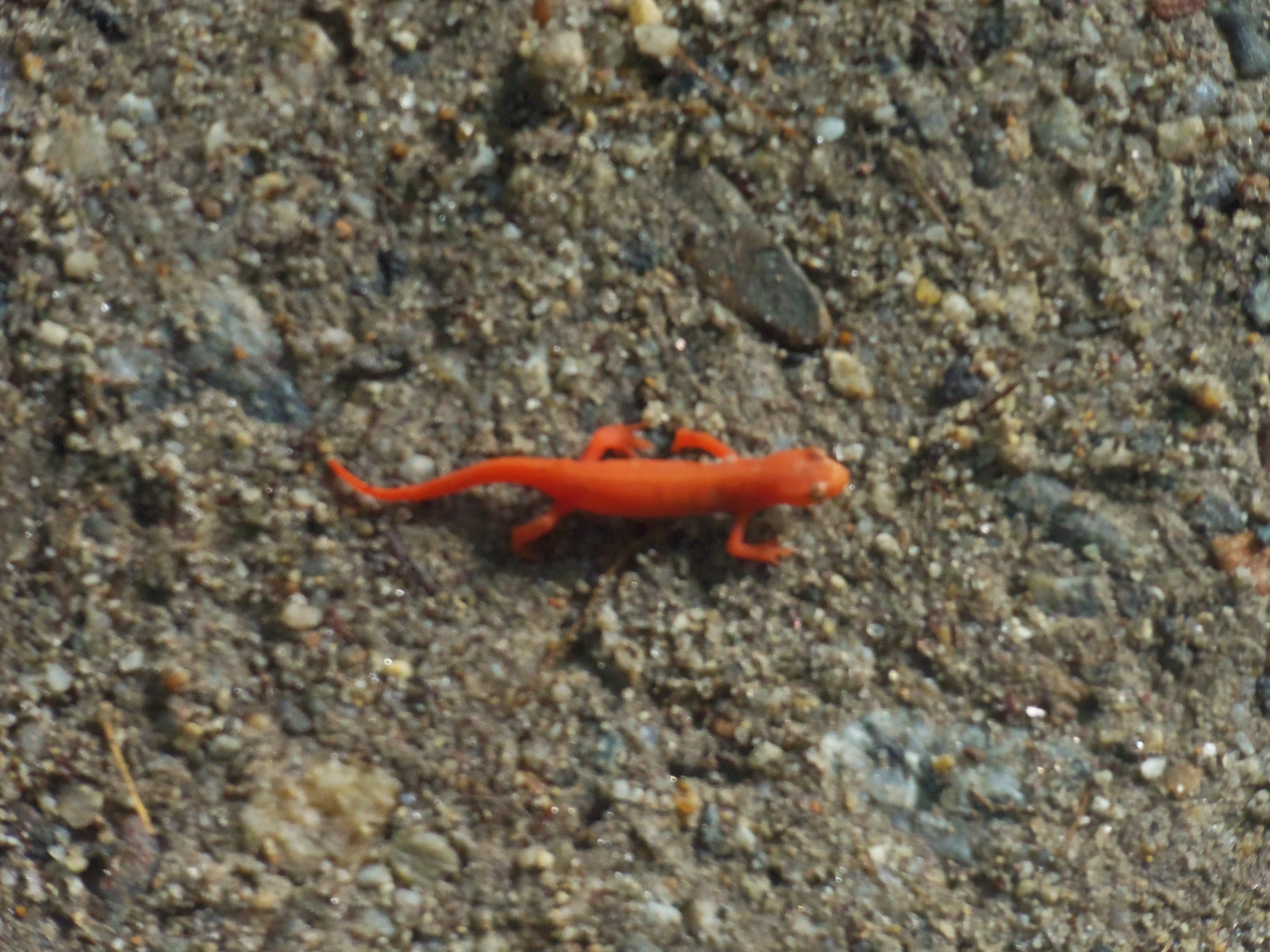
A small lizard, part of a family of reptiles informally called skinks, rests on the roadway. At least I assume it's a skink. I'll leave the final identification to others. It's under two or three inches in length.
A small lizard, part of a family of reptiles informally called skinks, rests on the roadway. At least I assume it’s a skink. I’ll leave the final identification to others. It’s under two or three inches in length.
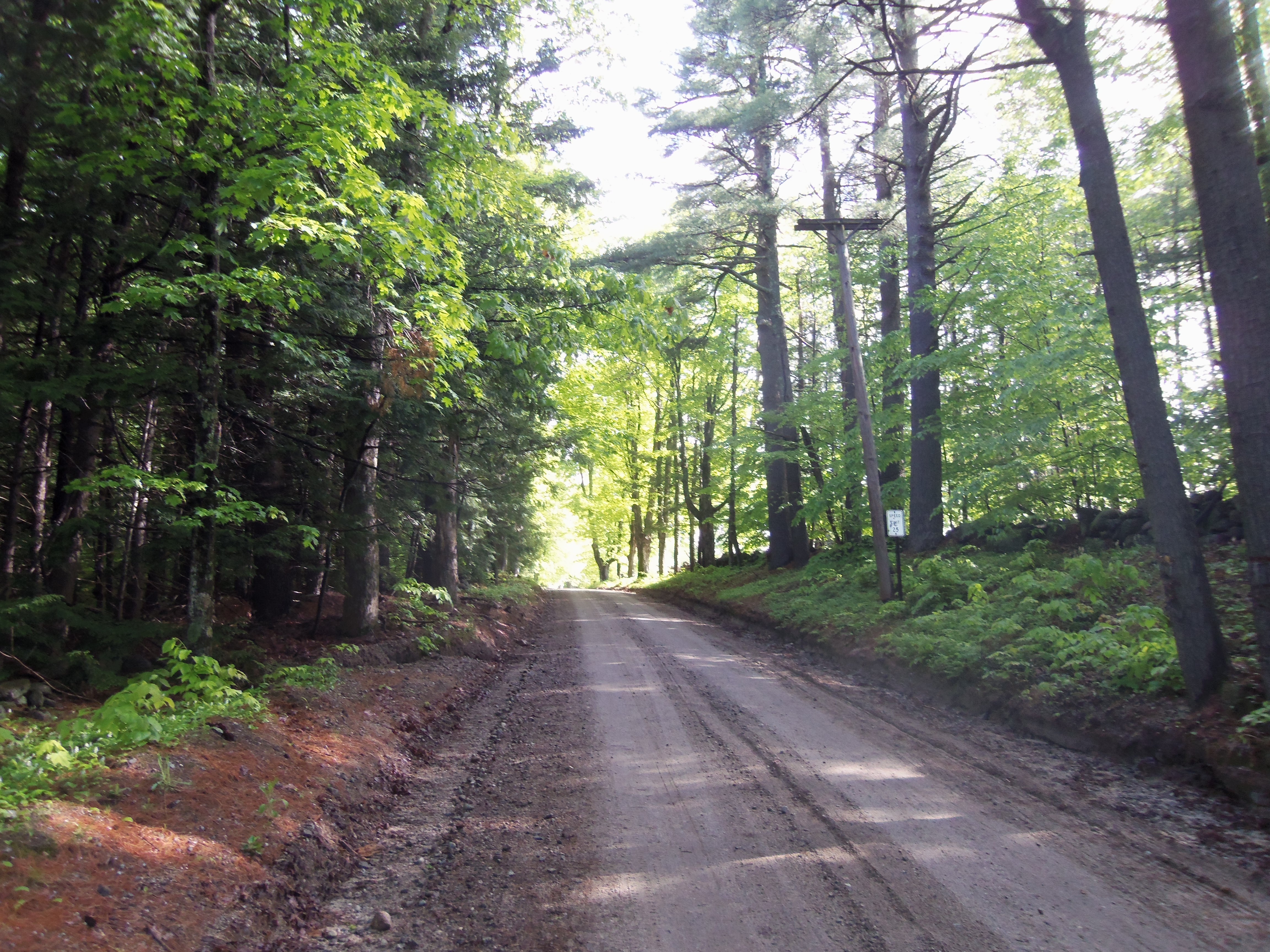
I encountered the critter at the top of this incline while walking in Henniker, New Hampshire.


THE YEAR 1980

The earth itself is set to erupt.

~*~

Thunder pealed again, and everybody packed up. Outside, Roddy and Erik danced in the eerie dusk. A soft drumming in trees sounded like drizzle, but instead of water, powder fell. Everyone appeared amazed, even elated. Weren’t we fortunate to have a volcano blow up in our face! Then Jaya recalled history: “Oh, Pompeii! Will guides conduct tours here, showing the world exactly how we victims perished? Is this the way our world will end?” Something gripped her, insisting they get home or die in the effort. She dragged Erik, protesting, to the car and raced through the grit. Autos in front of them were invisible, even their taillights, until Jaya was almost atop them. The ink blot overhead closed in on the far horizon, sealing off the last natural light. Plunging through this tar-paper snowfall on a route they knew so well, Jaya recalled the many times she had joked about being able to drive it blindfolded.

Promise~*~

To learn more about my novel, go to my page at Smashwords.com.

FLOWERING MEMORIES

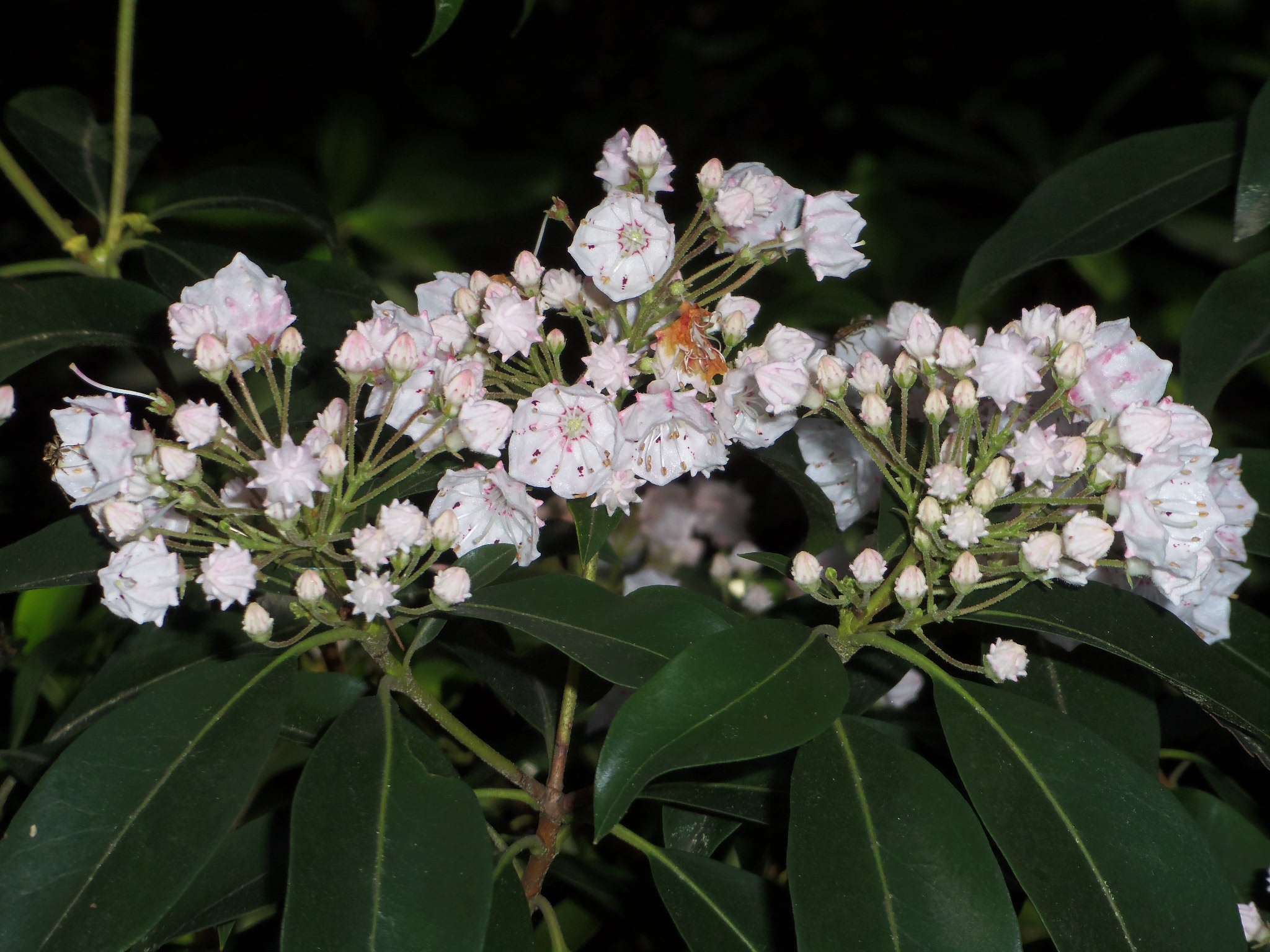
Mountain laurel have taken hold in our Quaker burial ground. Now, if I could only get them to do likewise in our yard.

My fondness for mountain laurel springs from my days in the ashram in the Poconos. Those tiny white clusters like origami that open into tiny teacups are, I was told, the state flower of Pennsylvania, and protected by state law.

My fondness for rhododendron goes back even further, to backpacking a section of the Appalachian Trail as an 11-year-old Boy Scout and coming upon Roan High Knob in full bloom in North Carolina.

Joe Pye weed is something I’ve learned to appreciate here, after we bought our annuals at the Conservation District sale.

Add that, as it thrives, to our azaleas.

Rhododendron and mountain laurel line the lane under tall pine in our undisturbed Friends burial ground.

BRAKE FOR MOOSE, TOO

On a May night five years ago, while driving home from the office, I did something I’d never before done: braked to keep from hitting an owl. Actually, I began braking because of a gray flutter in the foliage on the right side of the road – a deer, perhaps, or moose, because of the shoulder-height of the movement and color. Instead, the owl flew out over the road and continued for a hundred feet or more up Route 155 as I followed, before turning to perch in a tree, where I caught a glimpse of its shape.

Several weeks earlier, in the same stretch of roadway, I saw a smaller owl (or so I’d say) dart across the road, above the pavement by a dozen feet.

Earlier that week, I had two glorious commutes via the Mountain Route. The first, clear sky – brilliant green pointillism set off by sunlight and blue. Two days later, drizzle and fog – quite moody, especially with a matching live broadcast performance of Ravel by the Formosa Quartet, one that looked mostly, as it were, into the soft shadows rather than the usual sunlight. (Renoir, more than Monet or Serrat.)

How easily such glories can be lost in the memory. How wonderful, to revisit them.

EAT YOUR WEEDS

OK, the title’s a cross between the classic “Eat your greens,” as grandmothers used to advise, and the once ubiquitous “Eat your Wheaties,” as the Cheerios folks used to advertise. But this time of year, I’m doing something that gives me a sense of being simultaneously virtuous and hedonistic.

Here’s what you do. Pick the dandelions before they blossom, hopefully uprooting them while you’re at it, and then wash the early greens before the plants turn altogether bitter. (Toss the roots aside; that’s the weeding part of the equation.) You then use the tiny leaves as the basis for salads or, I suppose, anything Florentine. Yes, food writer Angelo Pelegrini (a decade before Julia Child) was right in his praises: dandelion greens in season can be glorious. If you like spinach, you’ll understand.

We’ve been delighting on them both as cold salads and as quickly blanched greens, especially with hard-boiled eggs and/or thick, crisp bacon on top. A fried egg works nicely, too, with its runny yolk. Top your dish with grated cheese if you want. Salt and pepper to taste. Can anything be simpler?

And that’s as close as you’re going to get to a recipe on this blog. I’ll let others point to the fancier variations. For that matter, they can even match it with the right wine … or beer.


REGARDING ELK AND MORE

Monday morning, as I noted at the time:  

I’d thrown the kids off the PC, where they were watching an episode of The Simpsons, only to find out it was actually an assignment for the older one’s upper-level college course, the Sociology of Humor. [No joking.] And then I got around to some poetry submissions, including an acceptance or two.

Glad you like the work I sent. The elk poems arise out of the four years I spent in the desert of Washington state, bordering the “dry side” of the Cascade Range. They’re part of a series, most of which has already appeared in journals. I’m not a hunter, but living as I have most of my adult life in places near forest (even my time in Indiana and Iowa), I’ve had to acknowledge the existence of hunting as a fact of life – and the ways ancient hunting, with its religious/spiritual dimensions (the discipline of meditation, for instance, arises from waiting for the game), contrasts with modern “harvesting.” Even so, some editors have rejected the work out of hand – maybe they thought I’m a NRA member (quite the opposite, in reality – no guns for me).

Among the poems I’ve written are “After the Fact,” which comes out of Native American lore. It turns out that Gary Snyder also has a piece drawing on the same myth – “This Poem Is for Bear” – which acknowledges the aspect of the girl’s disrespecting the bruin before the abduction. I found another piece along this line of my work, “If a Man Goes Mad,” which works along a similar grain.

Finally, as I look back on the period, I reopen a longpoem, my American Olympus, based on a one-week camping trip with a now ex-wife and a former girlfriend who was visiting (who would have guessed they’d actually enjoy each other’s company). As it turns out, I still hear from the ex-girlfriend.