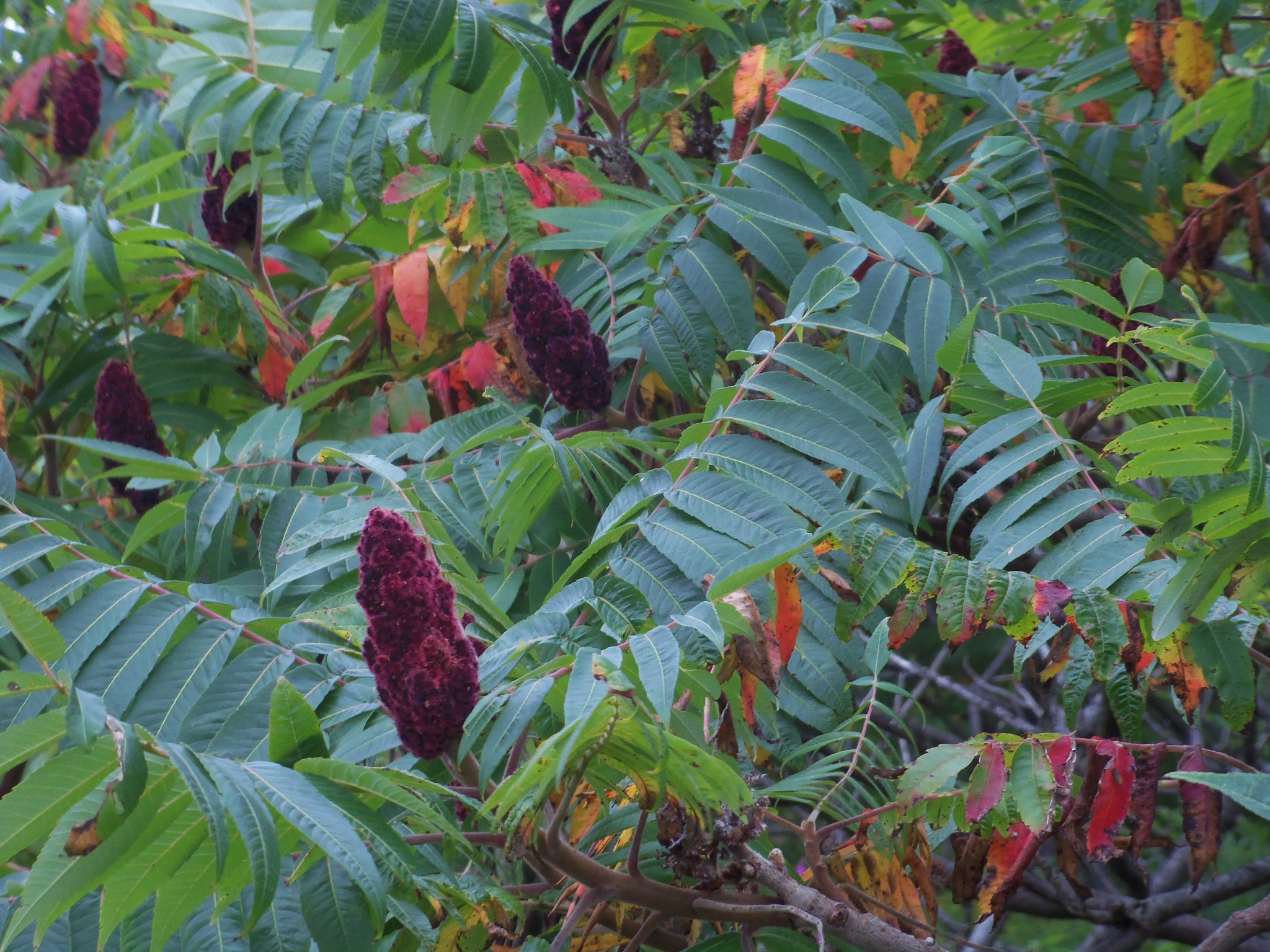
 A stroll along the Atlantic offers more to see than just the ocean.
You never know what we'll churn up in cleaning a stall
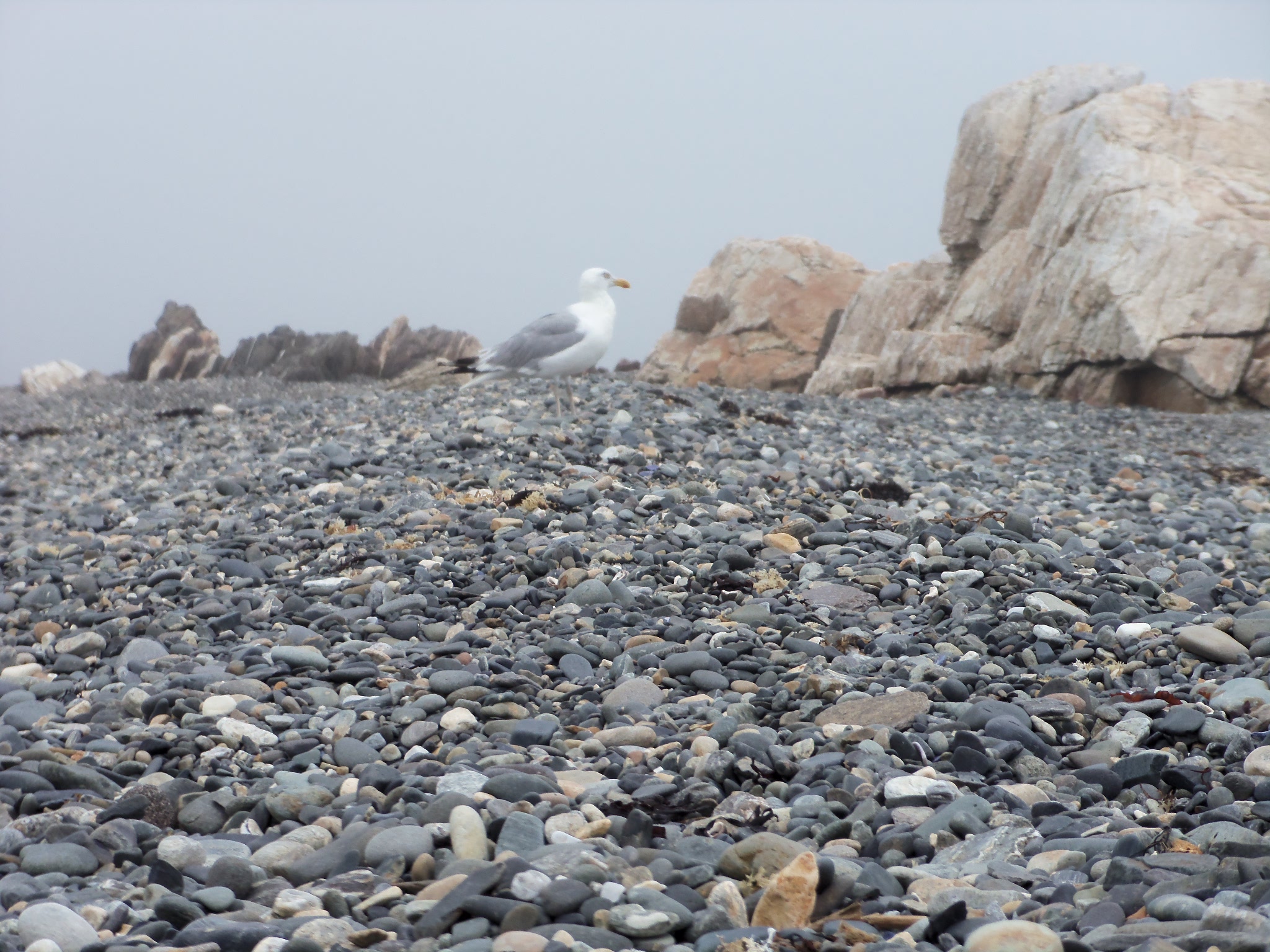
A stroll along the Atlantic offers more to see than just the ocean.
Dwelling at the edge of a large Indian reservation, I found it impossible to ignore a vibration in the earth itself of their spirit.
Had I remained there a few more years, I no doubt would have collected turquoise-and-silver jewelry, the work of many Native masters.
Sometimes I still see their inspiration in the stars, though. Especially on a clear night. A very clear night, at that.
~*~
 To see how it’s inspired my collection of poems, click here.
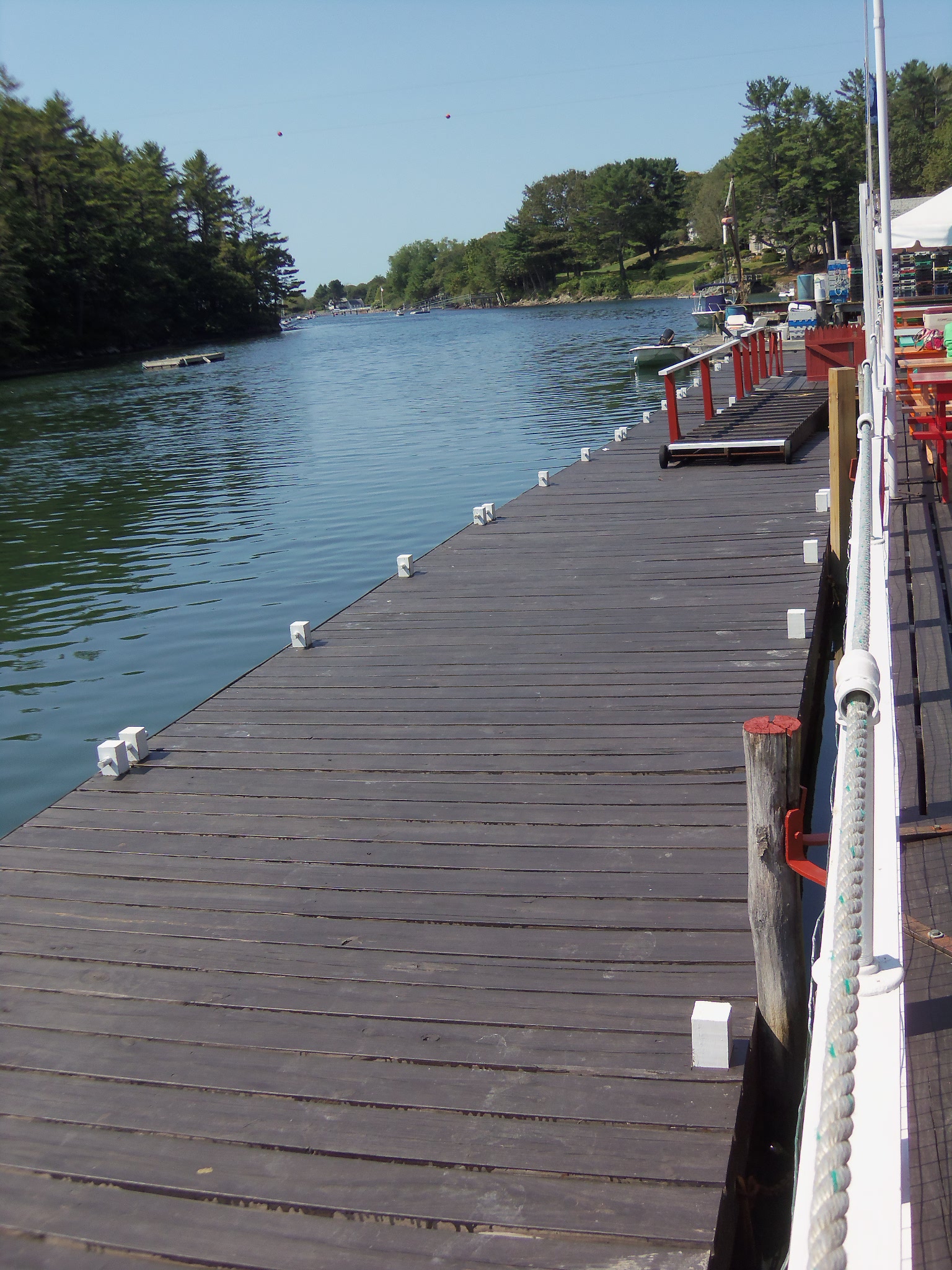
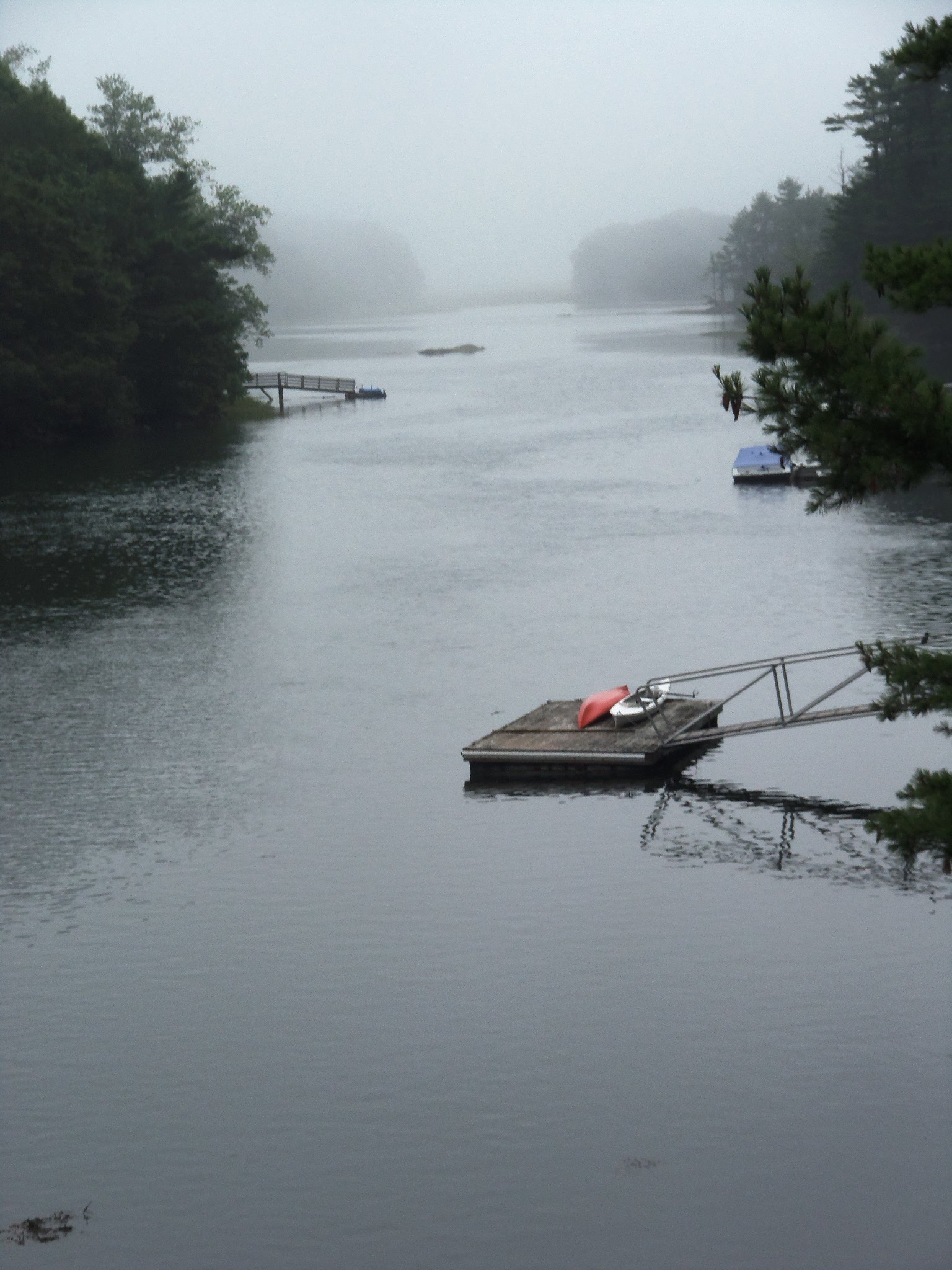
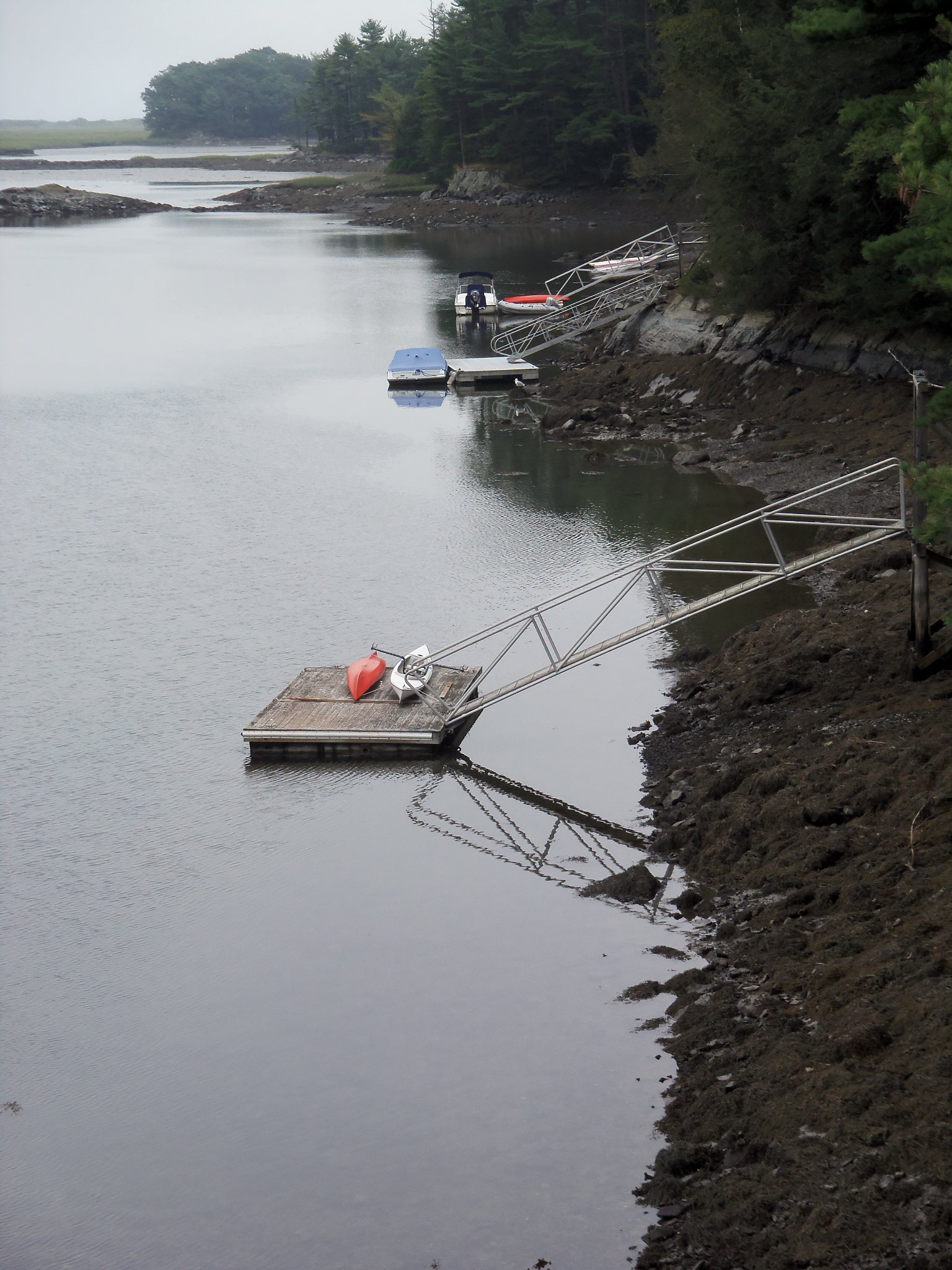
This lovely tidal channel links Pepperell Cove to a town park called Seapoint and sets Fort Foster off on its own island.
The land was often golden in the bright sunlight. Not green, but a permanent range of yellowish brown only flecked with green in a few weeks of spring passing.
Once I adjusted to its palette and air, I hoped we’d live there forever.
~*~
It’s the background for some of my novels and poetry now appearing at Thistle/Flinch editions. To read more, click here.
“You’re a gardener?” I’m occasionally asked, only to reply, “Not really. My wife is. I’m the compost master – and I like to eat.”
Well, I also do a lot of the harvest. The planning, vision, and execution, though, are entirely hers. Along with the shoebox of seed packets.
Each summer, though, one lesson keeps coming back to me when it comes time to pick ripe berries. Well, sugar snap peas, too. It’s a reminder of patience and human imperfection. I like to think of myself as observant, but what I keep noticing is that no matter how thoroughly you think you’ve harvested a particular bit – say a square foot or two – once you move over a step, you’ll see you’ve missed some. Often, more than a few. Someone can come along behind you and find you’ve missed almost as many as you collected. Seriously. Don’t be offended, it’s simply a fact of reality. Call it a lesson in humility. And a lesson in the importance of assuming multiple perspectives — something that definitely applies to the revisions of poetry and fiction or the reading of a good text, even Scripture.
Picking blueberries this morning, I sat in a lawn chair much of the time – one knee has been especially painful if I kneel just so. The chair had nothing to do with laziness. Rather, it allowed me to get under the foliage. To lift each branch and see the ripe berries hiding underneath the thickness of leaves. So another lesson has to do with getting a view from ground level, or as close to it as you can. Too often we like to look at life from the top down, not that it doesn’t help. Rather, it’s only one of several approaches — and in harvesting here, you’ll need a handful.
Another lesson, seen most recently in our raspberries, is an admission you can have them all. Some are in places you just can’t reach, especially when they’re surrounded by prickly stalks. So those we’ll share with the wildlife, once the netting’s off. There’s no need to get greedy. Persistent and careful are another matter.
Which brings up a lesson in defense. You have to remain vigilant. No matter how well you think you’ve secured the netting, a few birds or squirrels (especially) will find a way through. Or just sit on top and glean what’s in reach.
That part has me remembering a detail I never included in my Hippie Trails novels. The farm in front of ours had a commercial blueberry operation with some of the bushes not more than a hundred feet or so away from my bedroom window. Once the berries started to ripen, its water cannon would start booming every few minutes. The sound was supposed to frighten the birds away. I can’t remember if the noise continued 24/7 or ceased for the night, but it did take some getting used to. As for the tranquil countryside? Oh, you city folk, you’re in for a rude awakening there. Unlike our little city farm (huh, should that be our little little-city farm?) that’s delightfully quiet on this Saturday morning. Apart from the joyous birds’ singing.
Oh, yes, there’s the lesson of generosity and sharing. I’m tightfisted by nature, so this always needs practice. But eating them with others rather than alone is essentially far more pleasurable. Or taking the bowl you just collected and handing it to a cook who, after a moment of happy admiration, transforms them into fresh scones and tarts before the whole household has stirred?
Don’t overlook the lesson of discomfort, either. If it’s not mosquitoes, it’s blazing sun or a drizzle. It’s rarely perfect. So be tolerant and grateful. Oh, yes, and when it’s perfect? Appreciate the glorious moment. The King of France never had it so good.
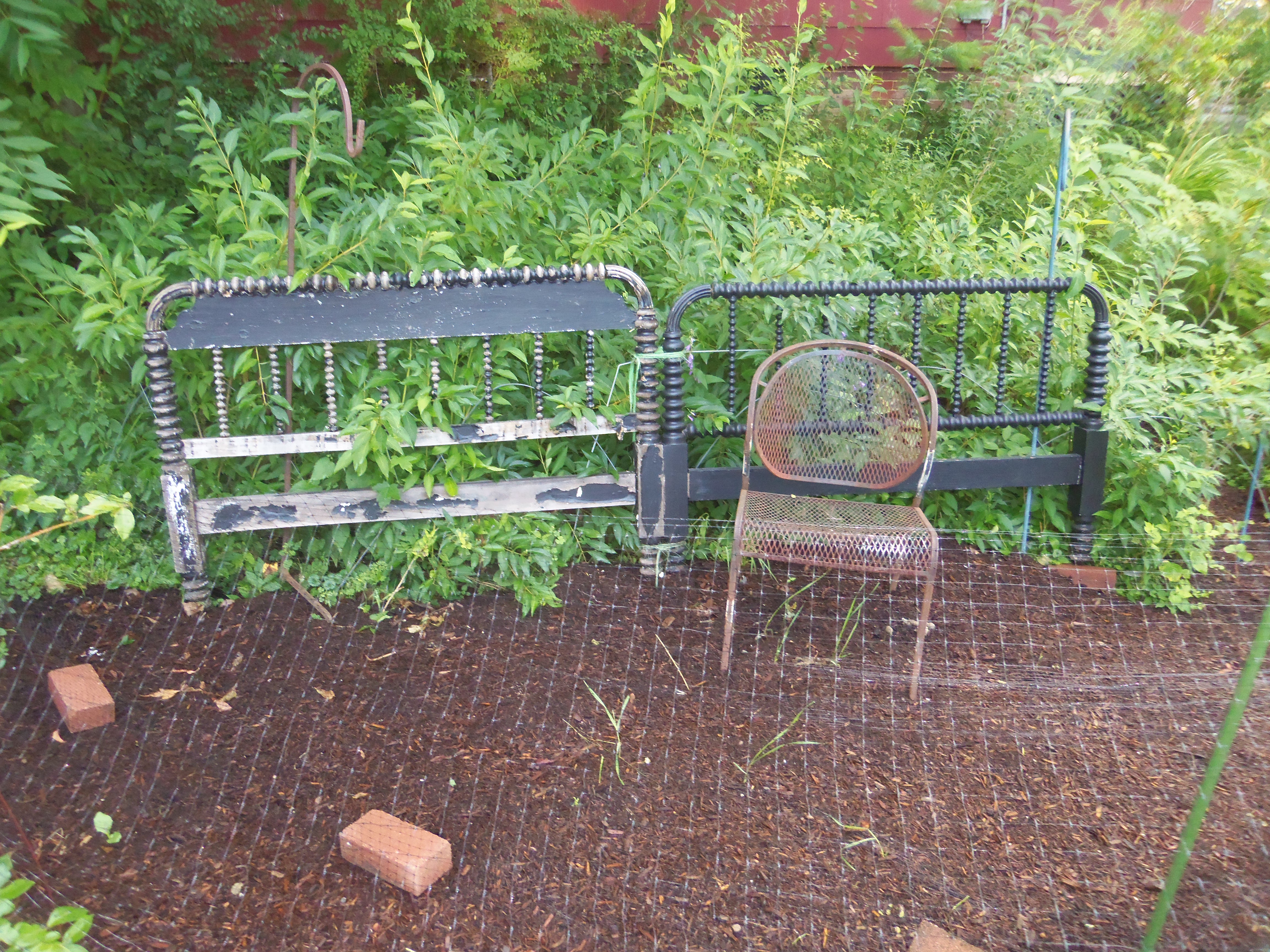 The bed stand, salvaged from a roadside, holds forsythia back so the blueberry bushes may thrive. The netting in the foreground is actually on the blueberry bushes, to keep birds and squirrels from picking all the berries, rather than on the ground, where the bricks anchor the netting.
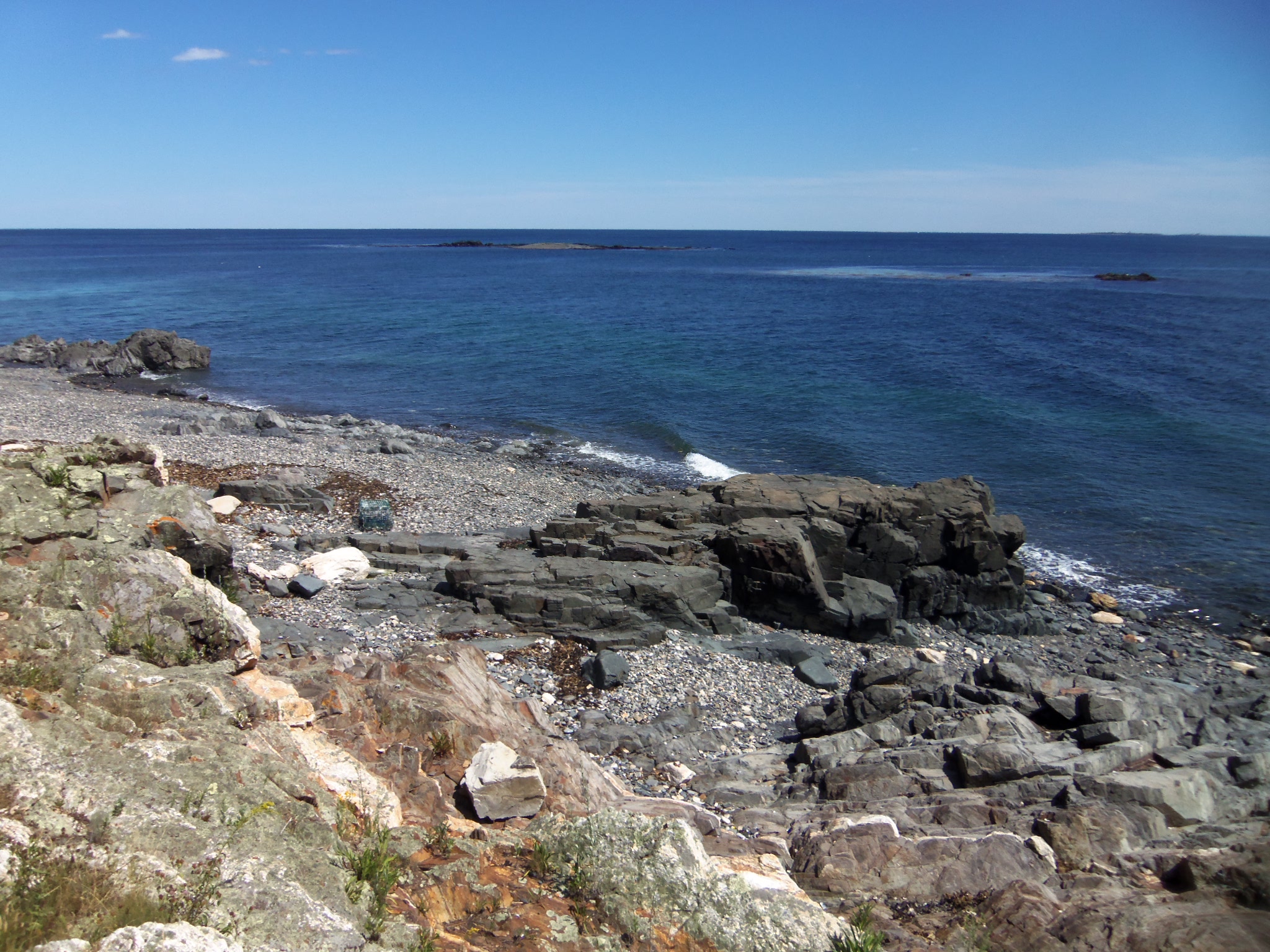
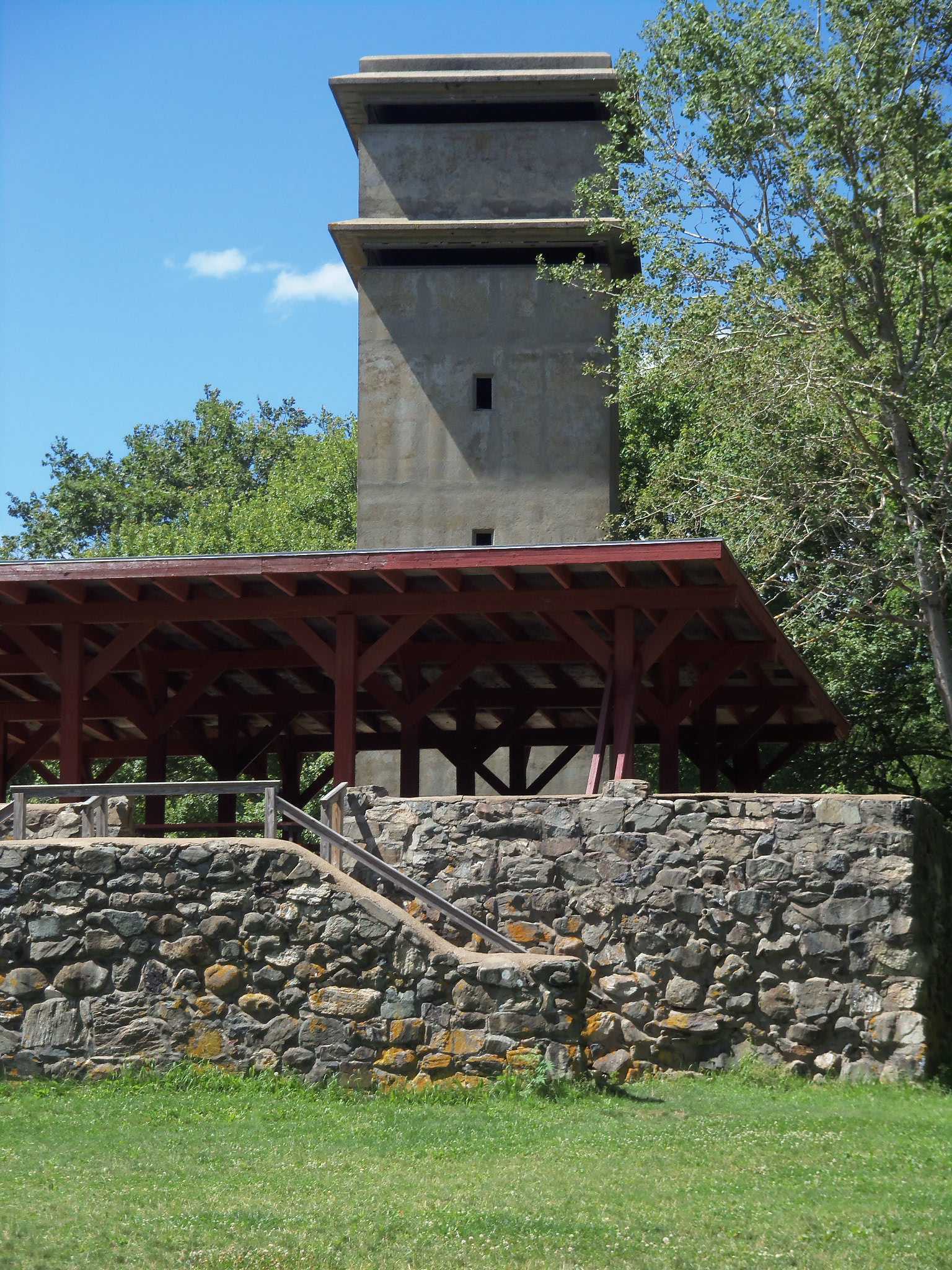
At the mouth of the Piscataqua River downstream from where I live, Fort Foster has long guarded the entrance to Portsmouth Harbor. It’s now a town park.
By purchasing a season pass each year, I’ve come to consider it my private patch on the ocean — one shared with some folks who’ve become sunny friends as we swim and then warm in the rays.
The rocky shoreline allows a fine introduction to tide pool life, while the pebble beaches have their own experience. There are also some sandy pocket beaches and a trail to meander while looking out over the cobalt Atlantic.
I’m tempted to say there are two sides to the mountain – a wet one and a dry one. Or even the side you see and the one you don’t. Or what’s ahead of you and what’s behind.
But none of that’s quite accurate.
You could, for one thing, be standing on the summit.
Or you could realize it’s one continuing side, like a Mobius strip, to explore. Even in your mind.
~*~
For a set of related poems, click here.
Lake Winnipesaukee wanders through the center of New Hampshire. Here’s a portion viewed from the top of Mount Major.

Not every desert is a Sahara or a place of giant cacti. The interior Pacific Northwest is a prime example. Its dry grasses rattle like swords in the unobstructed wind.
 ~*~
~*~
It’s the background for some of my novels and poetry now appearing at Thistle/Flinch editions. To read more, click here.
 Jnana's Red Barn