I smell a skunk crossing darkness, somewhere outside the dark window.
Tag: Nature
Ten cool facts about glaciers
In my novel Nearly Canaan, Joshua and Jaya settle into a place unlike anything they would have imagined. One of its features is the glaciers on Mount Rainier and Mount Adams.
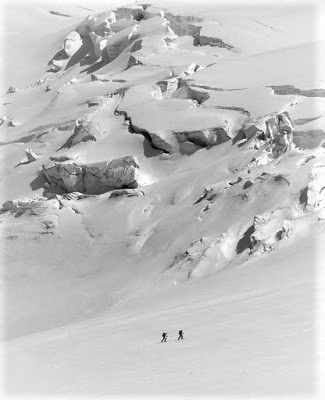
Glaciers are made up of permanent snow cover that’s become compacted into what are sometimes called rivers of ice as they are pushed down a mountainside or valley.
Here are some details.
~*~
- About 10 percent of the earth’s surface is covered by glacial ice, but that’s shrinking fast.
- Glaciers store about 75 percent of the earth’s fresh water.
- If all of the land ice melted, sea levels would rise 230 feet.
- During the last ice age, glaciers covered up to a third of the world’s land mass.
- Glacier National Park in the Rocky Mountains of Montana has 35 named glaciers. At current global warming rates, none will be left by the year 2030.
- Scientists categorize glaciers into eight types, from ice caps and continental ice sheets to hanging glaciers and cirques in depressions on a mountain.
- Their surface often appears rough and wrinkled, containing deep cracks or fissures known as cravasses. These can be a deadly hazard for mountain climbers, especially when hidden by fresh snow or a whiteout.
- Ice caves melting into a glacier mouth are filled with ethereal blue light during the day.
- Antarctic ice shelves calve icebergs that are up to 50 miles long.
- To be classified as a glacier, an ice field needs to maintain at least .1 square kilometer of size throughout the year. That’s nearly 25 acres or 19 football fields.
~*~
Have you ever seen one? Up close?
More from the Isles of Shoals
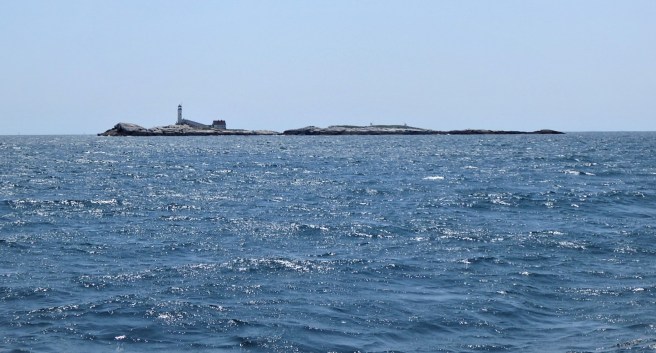
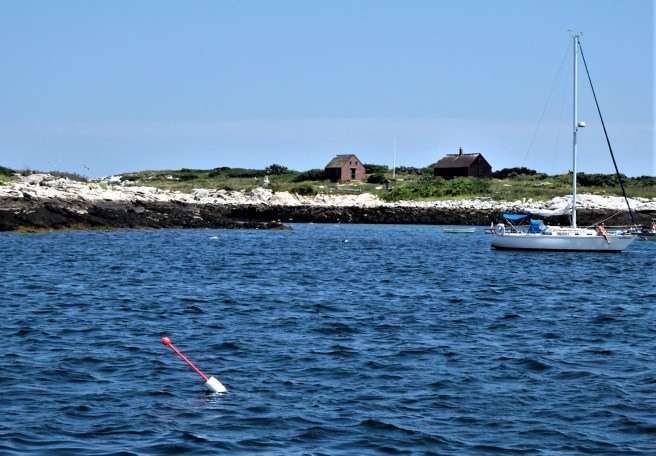
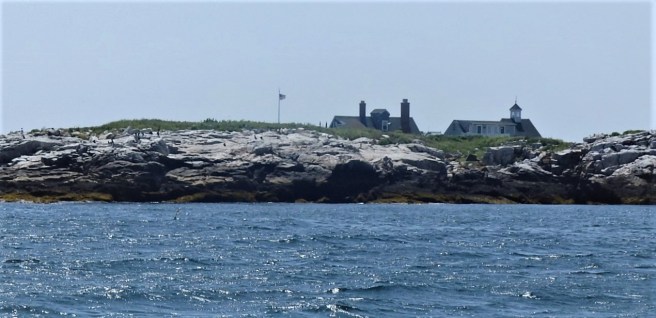
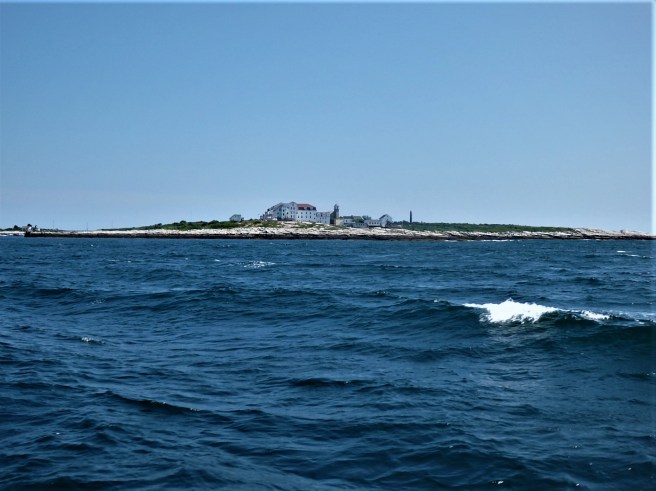
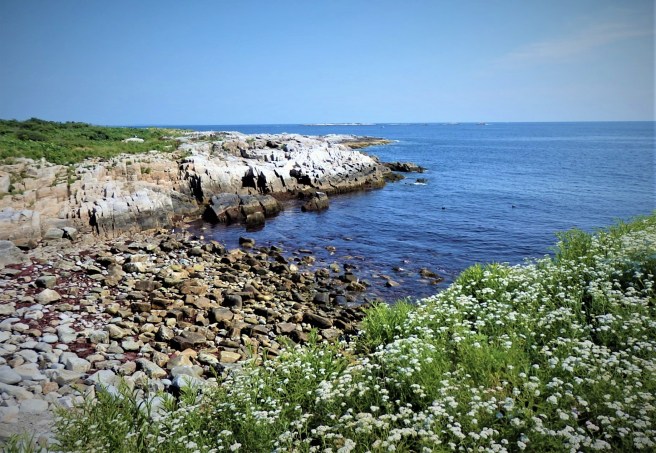
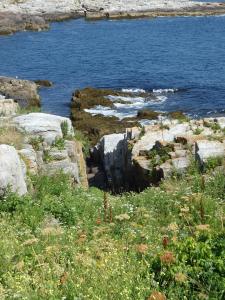
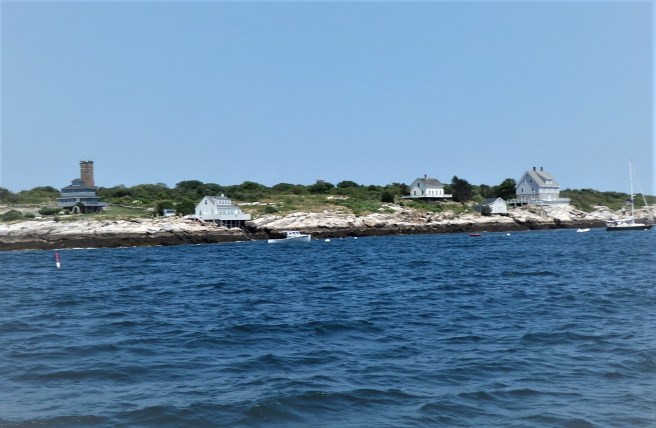
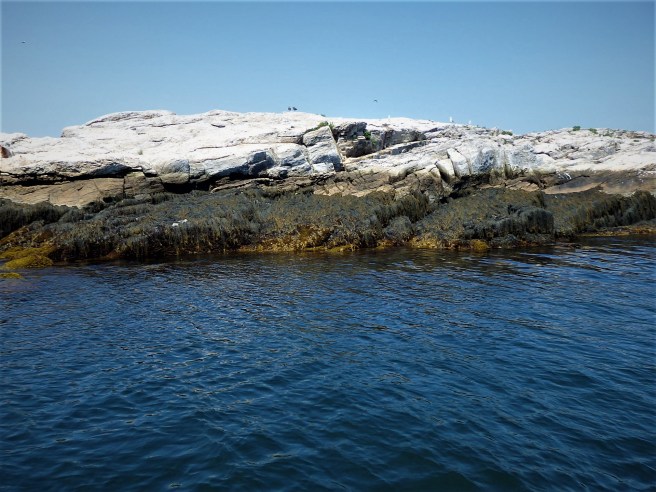
It’s hard to think that such a small cluster of islands and rock ledges could hold so much attraction, but just look. It’s not just historic Appledore and Star islands that fascinate. Here are some more shots from our day trip.
Not that anyone else notices
I feel a certain satisfaction in sending off utility bills with a T.rex postage stamp and a Nature Conservancy return-address label attached to the envelope.
You know, a recognition of the raw-material source of their business and its bigger cost on the planet … an Earth House Hold awareness of an economy.
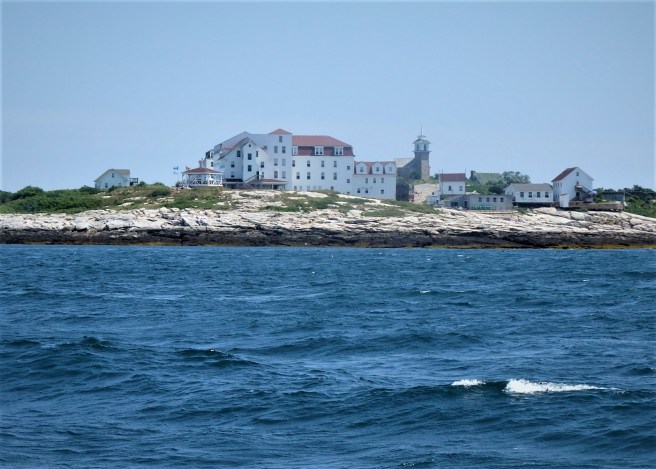
Does anyone else envy the summer guests on Star Island?

The second largest island in the Isles of Shoals, Star is the only one with commercial boat service to the mainland. The state line between New Hampshire and Maine runs through the small harbor.
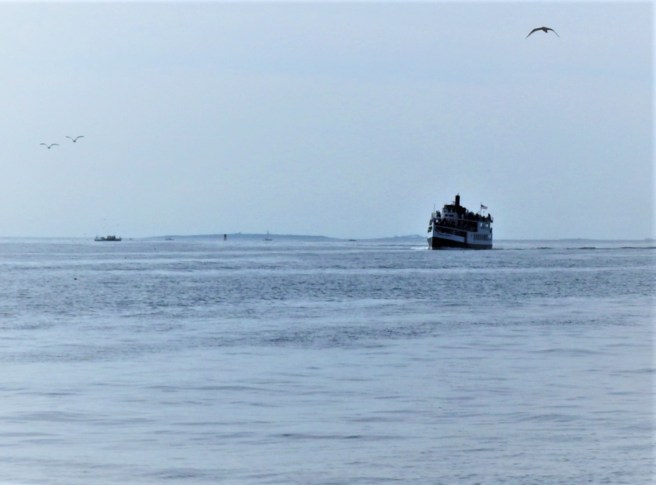
Guests and supplies get to the island on the Thomas Leighton ferry, which plies the waters from Portsmouth, New Hampshire. It can be a jolly experience, if the ocean’s on the calm side.
Where the coastline remains an Impressionist impression
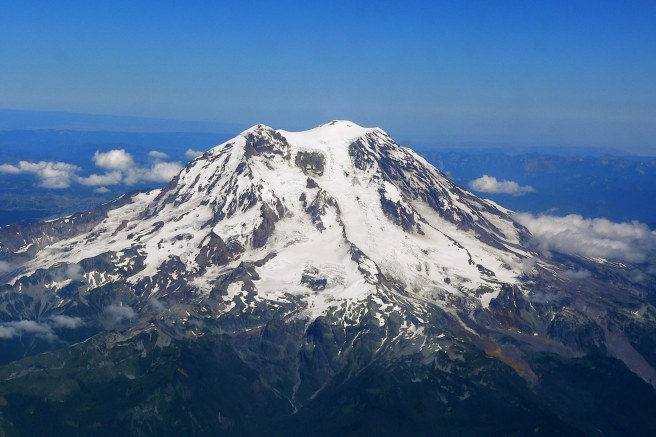
How could you not be impressed by Rainier?
I’ve never seen a photograph that captures the breathtaking majesty of Mount Rainier. Even from miles away, it can seem to hover over your head, perhaps even reaching on around for the back of your neck.
Like Joshua and Jaya in my novel Nearly Canaan, I lived in the desert to the east. That meant we usually frequented parts of the national park that the folks from nearby Seattle were least likely to visit.
It’s been 40 years since I was forced to move elsewhere. Here are ten things that still impress me.
~*~
- The park: Established March 2, 1899, Rainier is America’s fifth oldest national park. It covers 369 square miles, making it the 21st largest in the continental U.S. and the third largest in Washington state.
- The central mountain: Also known as Tahoma, Rainier rises to 14,411 feet above sea level, making it the second tallest peak in the continental U.S. Unlike its rivals, its base is only miles inland from sea level. Measured from base to summit, or by its topographic prominence, that’s 13,210 feet – more than K2 in the Himalayas. It’s the most heavily glaciated mountain in the continental U.S.
- It’s a stratovolcano: Rainier is an active volcano, with sulfur-fuming pits in the ice at its summit. Considered one of the most dangerous volcanoes in the world, it leaves about 80,000 people and their homes at risk of an eruption.
- Distance from the summit to downtown Seattle: 59 miles, if you’re a crow.
- Diversity of ecosystems: About 58 percent of the park is forested, ranging from dense evergreen forest to open ponderosa. The tall Douglas firs and western red cedars are nearly as impressive as the sequoias further to the south. Another 23 percent of the park is subalpine, above the forests but having evergreens at distances. In season, this is wildflower heaven, with orange paintbrushes, lupines, and white-starred avalanche lilies in profusion. Above that, half of the remainder is alpine, having unique vegetation, while the other half is permanent snow and ice.
- Year-round ice and snow: Depending on your source, 26 or 27 major glaciers cling to the mountain. They release thunderous booms of breaking ice during the summer. Combined with permanent snow patches, they cover about 35 square miles.
- Ice caves: By late summer, the mouths of some of the glaciers melt away to form mystical blue caverns. They’re dangerous to enter but unforgettable if you’ve ever been in one.
- Reaching the summit: Climbers are required to register for permits before setting out. They must possess technical skills regarding ice axes, harnesses, and ropes and be in good physical condition. They face a 9,000-foot elevation gain over eight or more rugged miles. And then they repeat it in reverse. For most, it’s a two-day trek. About 10,000 people set out for the summit each year, with half of them succeeding. The mountain claims an average of two lives a year.
- Thermal hot springs: Furthest away from Seattle is the Ohanapecosh Hot Springs. Once a resort, it now features trails that are delightful to hike in winter.
- Two lodges: Situated at 5,100 feet elevation in the subalpine terrain, Paradise receives an average of 53 feet of snow a year. Sunrise, at 6,400 feet elevation, is the highest point the roads reach. The lodges are often snowed in till the Fourth of July.
~*~
If you’ve ever been there, what would you add?
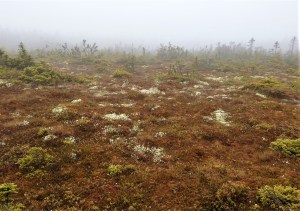
Carnivorous plants

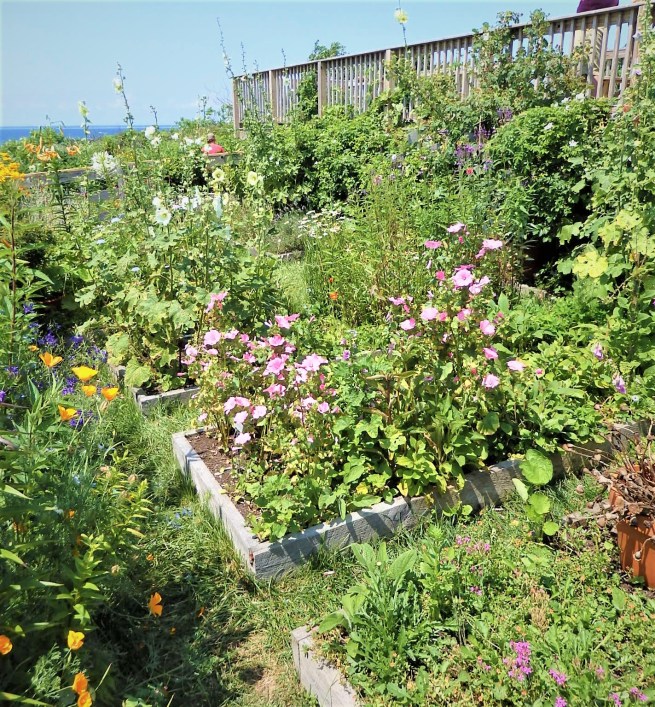
Celia’s garden and grave out on Appledore Island
Celia Thaxter (1835-1894) is an intriguing character in New England history. An important figure in New England poetry, she was also a pioneering hotelier, flower gardener, and catalyst in the fine arts.
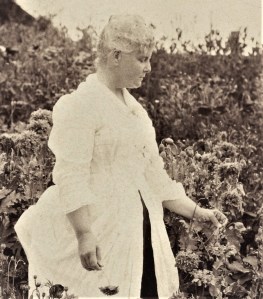
While turning her family’s hotel on Appledore Island in the Atlantic into what was probably the leading summer resort in the Northeast, she also created a famed artists’ colony with salon events featuring a who’s who of America’s leading artists, poets, novelists, and painters. There were likely more, including actors and dancers.
With its 95 acres, Appledore is the largest of the nine islands that comprise the Isles of Shoals about nine miles off the coast of Maine and New Hampshire. It was known as Hog Island until Celia’s family decided to build the hotel and turned to an earlier name for the shoals, one drawn from the Old English word for apple tree. How romantic.
The shoals also include tidal ledges.
Celia’s flower garden in front of her cottage became legendary, celebrated in her lovely book An Island Garden, with glorious illustrations by Impressionist master Childe Hassam. I treasure my reproduction copy. She’s the one who convinced Hassam to use his middle name rather than Frederick as an artist.
The hotel itself burned in 1914, and today the island is privately owned, much of it by the Shoals Marine Laboratory run by the University of New Hampshire and Cornell University. Visits are strictly controlled.
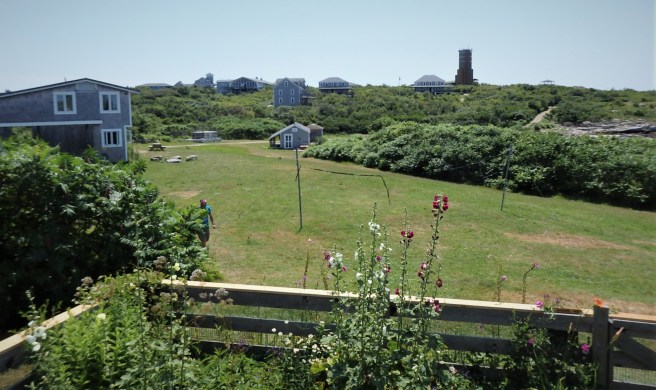
Last summer, my wife and elder daughter and I indulged in a tour of the island. Among its highlights was walking through the grounds of the long-gone hotel and a replication of Celia’s garden, which is much smaller than we’d expected and less carefully tended. The fact that it needed such constant care is a lesson in humility for those of us who expect similar results on much larger tracts.
And, for those of you who have read the garden book, I’m told that garden slugs are no longer a problem.
Nearby is her grave.

Over the wild Atlantic
 Jnana's Red Barn