I’ve come a long way from the frozen fish sticks of my Midwestern youth, OK. Seafood’s a favorite part of my cuisine, which is one more reason I love living in coastal Maine. But I still have trouble telling one species from another.
So here are some starting points.
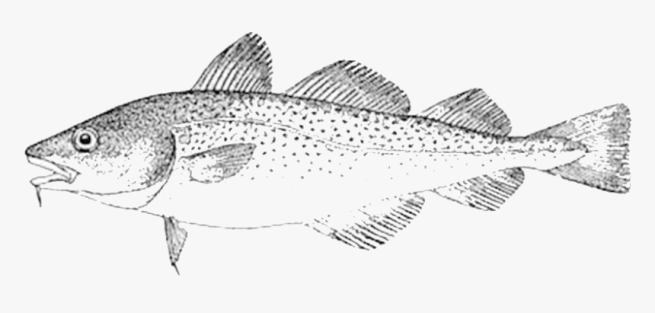
- Most fish fall under the taxonomic group Osteichthyes, or bony fish, meaning they have skeletons composed of bone tissue. With a diverse range of 20,000 or so species, it’s the largest group of vertebrates today and is comprised of both freshwater and saltwater members.
- That contrasts with the Chondrichthyes, which have skeletons composed primarily of cartilage. This group includes sharks, rays, skates, and sawfish – saltwater species of saltwater vertebrates with jaws, paired fins, and other distinctions.
- Jaws on fishes, by the way, are not connected to their skulls. Instead, they can shoot their mouths forward to capture prey, like a kind of spring.
- Fish breathe oxygen, not air. The fine blood vessels of their gills diffuse the oxygen to the fish’s membranes. In contrast, mammals rely on lungs.
- Since fish don’t have eyelids, except for sharks, you can’t say they sleep, but most of them do rest, either floating motionless, wedging themselves into a safe place, or even building a nest. But they do remain alert to danger.
- Tunas, billfish, and certain sharks are the speed champions, reaching 50 miles an hour in short bursts. In contrast, some strong swimmers maintain five to ten mph in cruising.
- Fish would suffocate if they tried to chew their food. So some, like sharks, have sharp teeth to hold their prey until they can swallow bits or parts whole. Bottom dwellers have large flat teeth to grind the shellfish they consume. And the herbivorous grazers lack jaw teeth but have tooth-like grinding mills in their throats.
- The organs of some fish are poisonous to man, while others become toxic because of compounds in their diets. Most of what fishermen catch, however, can be considered edible. I suspect that doesn’t always translate, though, as tasty.
- Truly fresh fish is odorless. The “fishy” smell comes from deterioration, typically when they’re not stored or preserved correctly.
- To hold their place in a school, fish use their eyes and a row of pores along their sides running from head to tail, called a lateral line. Special hairs in the pores sense changes in water pressure from other fish or predators. And some schools contain millions of individuals. So far, I’ve heard of no teacher at the head of the class. Do fish even have leaders?
For the record, neither starfish nor jellyfish are fishes.









 Jnana's Red Barn