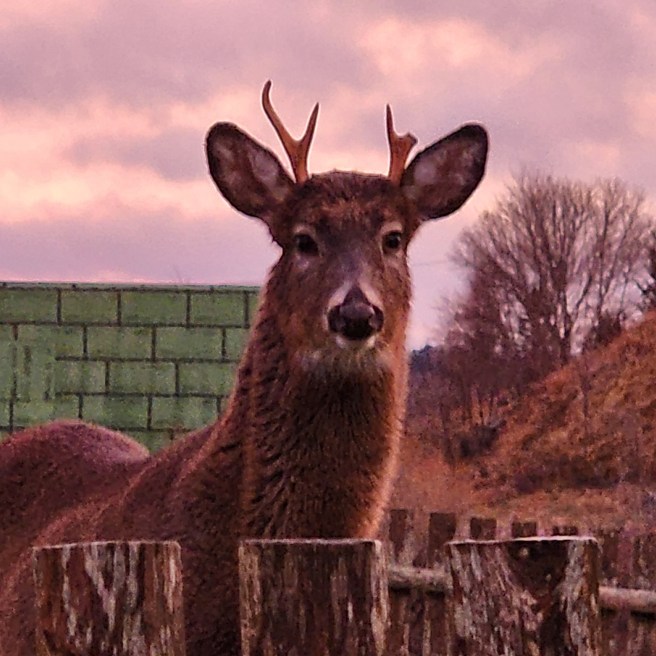
He was just there, blocking my view.
You never know what we'll churn up in cleaning a stall
He was just there, blocking my view.
is that Belfast?
in this haze
a more realistic day
moving slow
but moving
Peter must be napping
also, the cook
against Islesboro
after Deer Isle
not that I noticed the shift

3:59 and we still haven’t settled for the night
Faint view of the Fort Knox Narrows Bridge spires
the captain stands at the helm no matter the weather

I do wonder what it was doing, since it didn’t enclose anything.
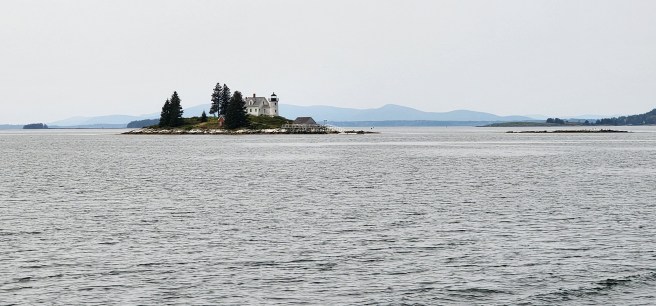
marking entry to Eggemoggin Reach
below Castine

the free lighthouse guide I brought along
2013 edition I see now
newsprint
has no mention of Saddleback Ledge light
not to be confused with Saddleback Island
other than a listing
no photo or description
nor does it list Eastport as a harbor
nor Lubec
though Calais somehow counts
buoys: green have flat tops
red, coneheads
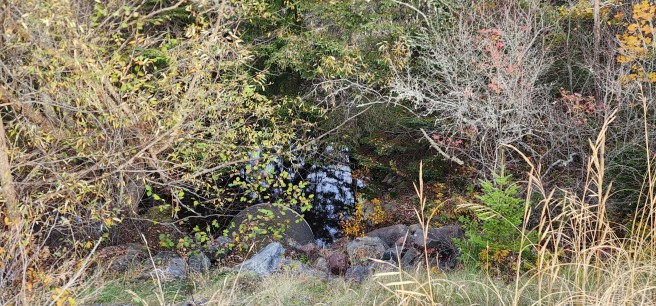
Whiting, Maine
We get our share of lousy weather. Or may everyone’s, according to one Navy Chief Officer.
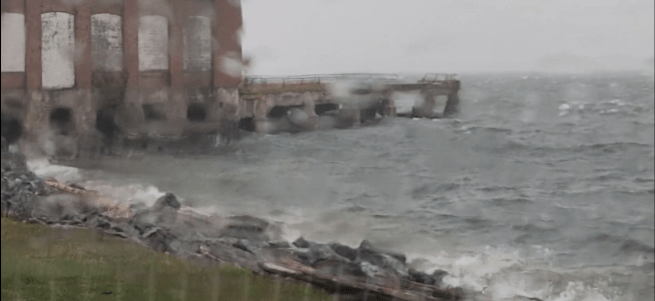
Okay, he was talking only about fog.
Bad decisions can have long-lasting consequences.
One here in Maine was the application of industrial sludge containing PFAS to nearby farmlands. At the time, it was touted as form of recycling. Today, you don’t dare drink water drawn from the wells.
The problem’s not unique to Maine.
Here’s the take.
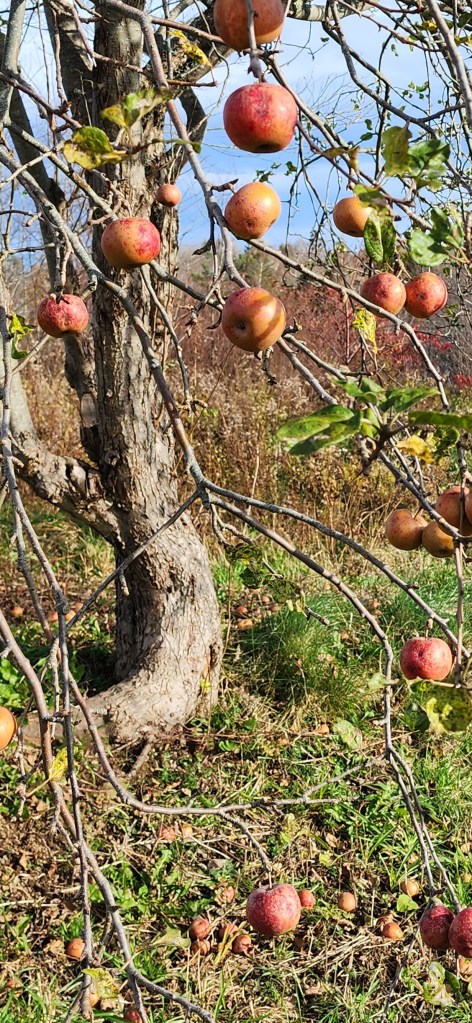
Wild apples, Whiting, Maine
Eggemoggin Reach
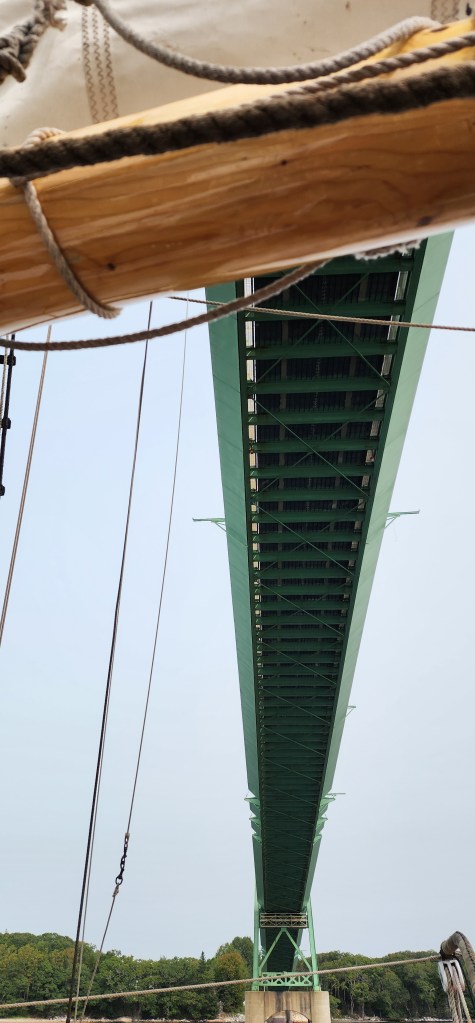
the Deer Isle bridge ahead
we’ll barely clear
six inches or sixty feet, what’s the difference?
other than a margin of error
the electronic gizmo’s
soundings in feet
at mean lower low water
I got to steer today
a feel of command
aiming for the arch of the bridge

Taking forever to get to the span
Deer Isle Bridge, as seen by vehicular traffic
Eggemoggen Reach Bridge from the water
a fixed bridge meaning
it doesn’t draw open
one more detail on the chart
(see Note B)
which I can’t find anywhere
until it’s pointed out in the margin,
same color type as the notice
we’re pushed by Greyhound
the inboard yawl
the motor behind me as a drone note
humming above lapping water
people bundled up this morning muted sun water depth 64
just gone to 72
Eggemoggen Reach broader
than Friar’s Road
where I live
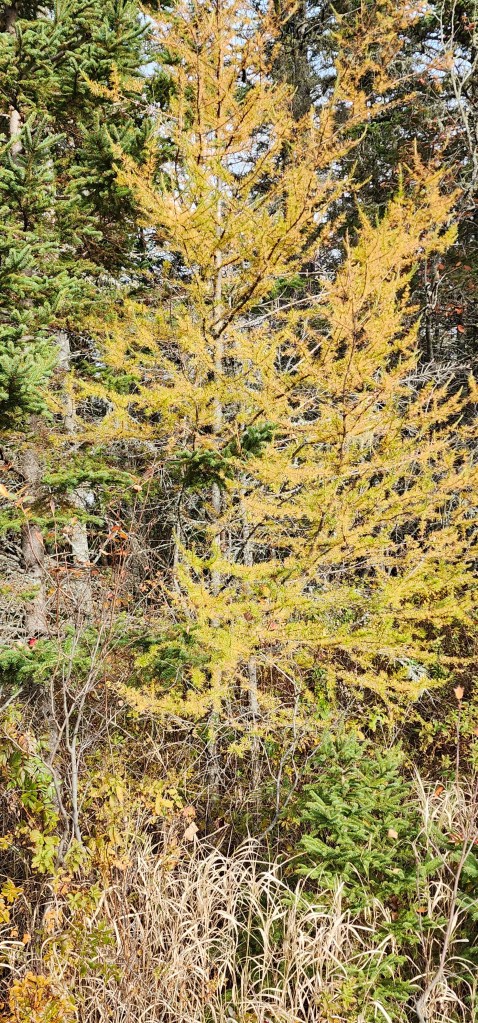
Also known as tamarack and hackmatack around here. It’s a conifer that loses its needles each fall.
 Jnana's Red Barn