OLD PEPPERELL AND BRAY

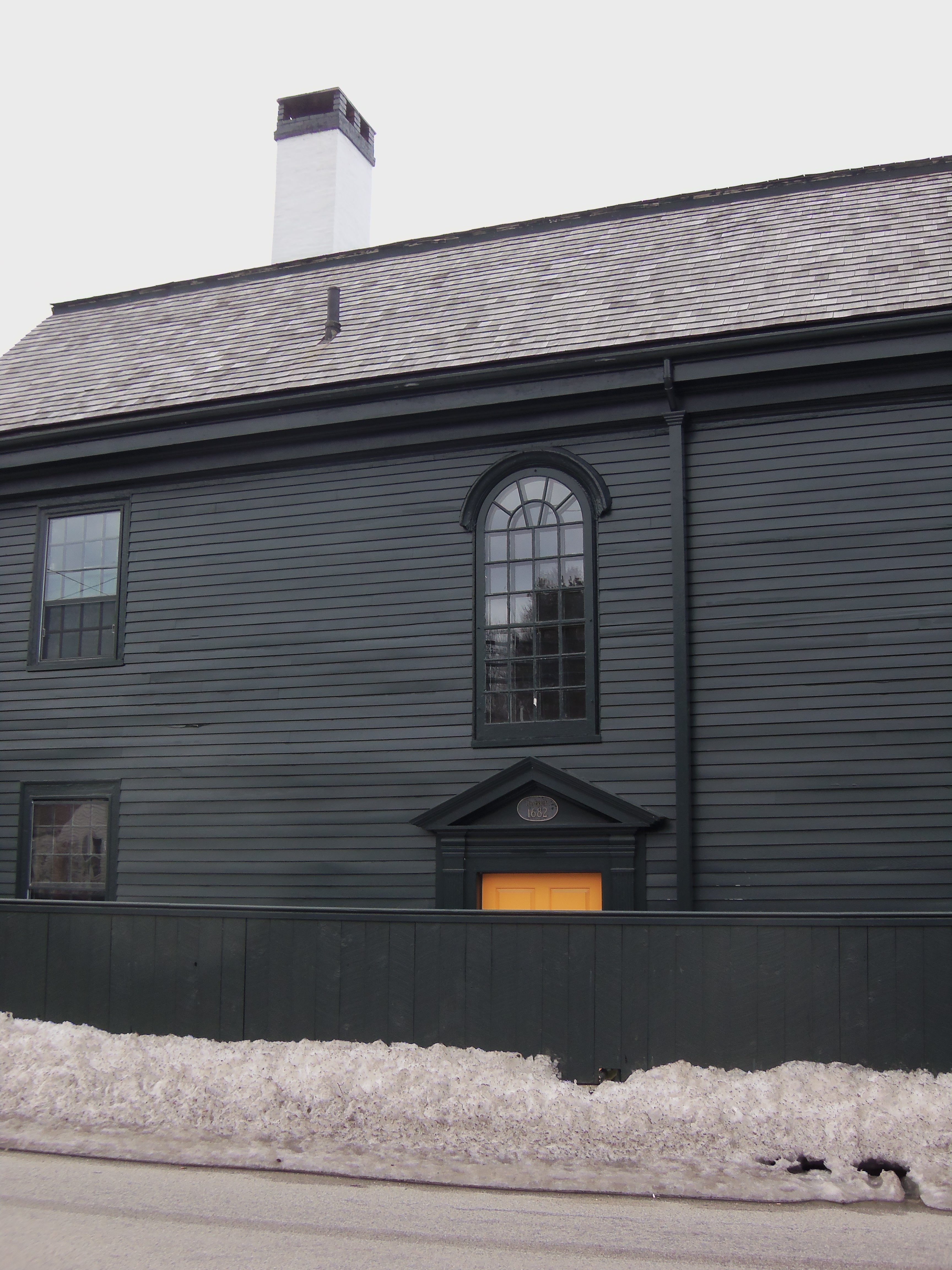
A Palladian window stands over the doorway.
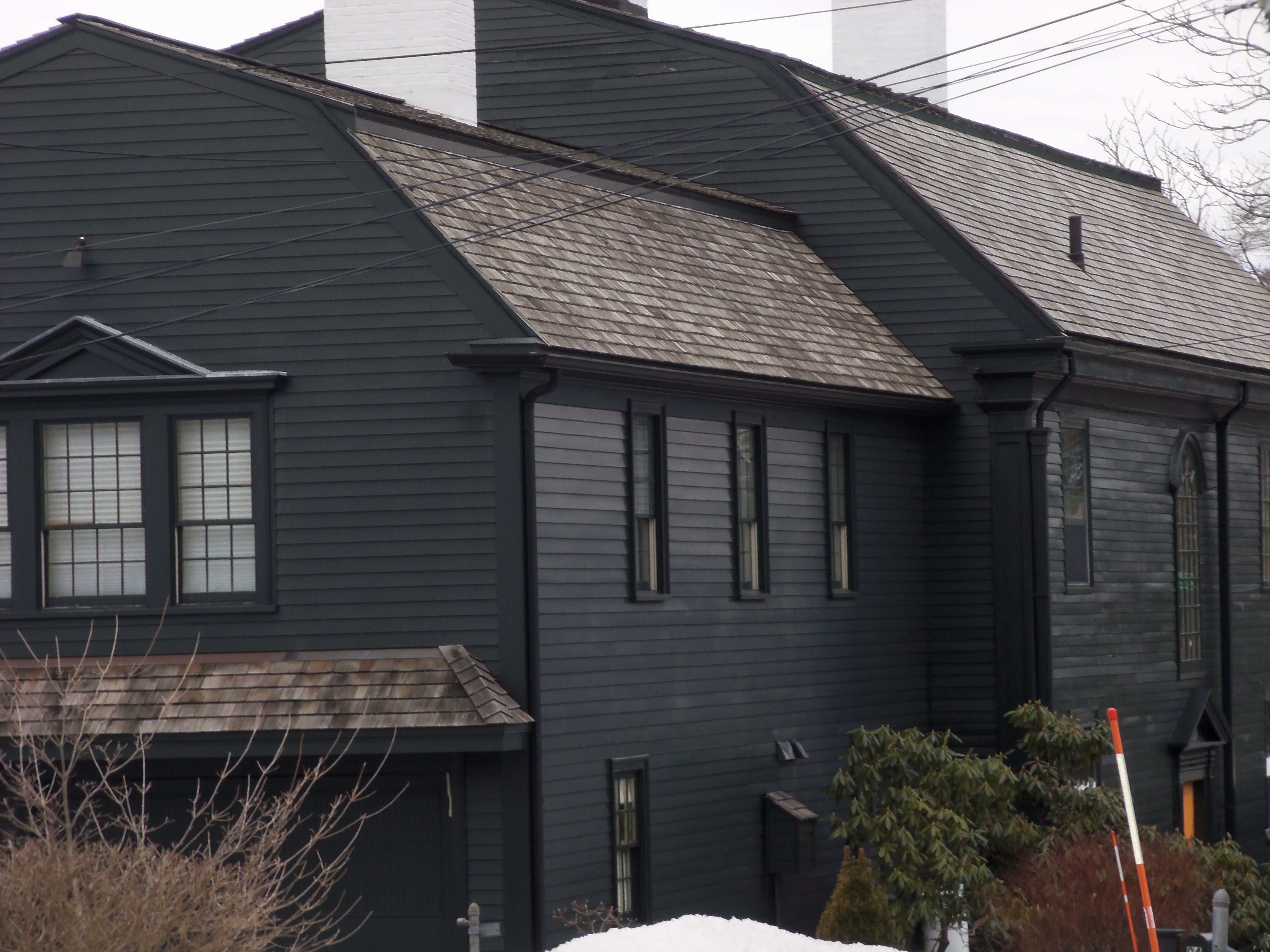
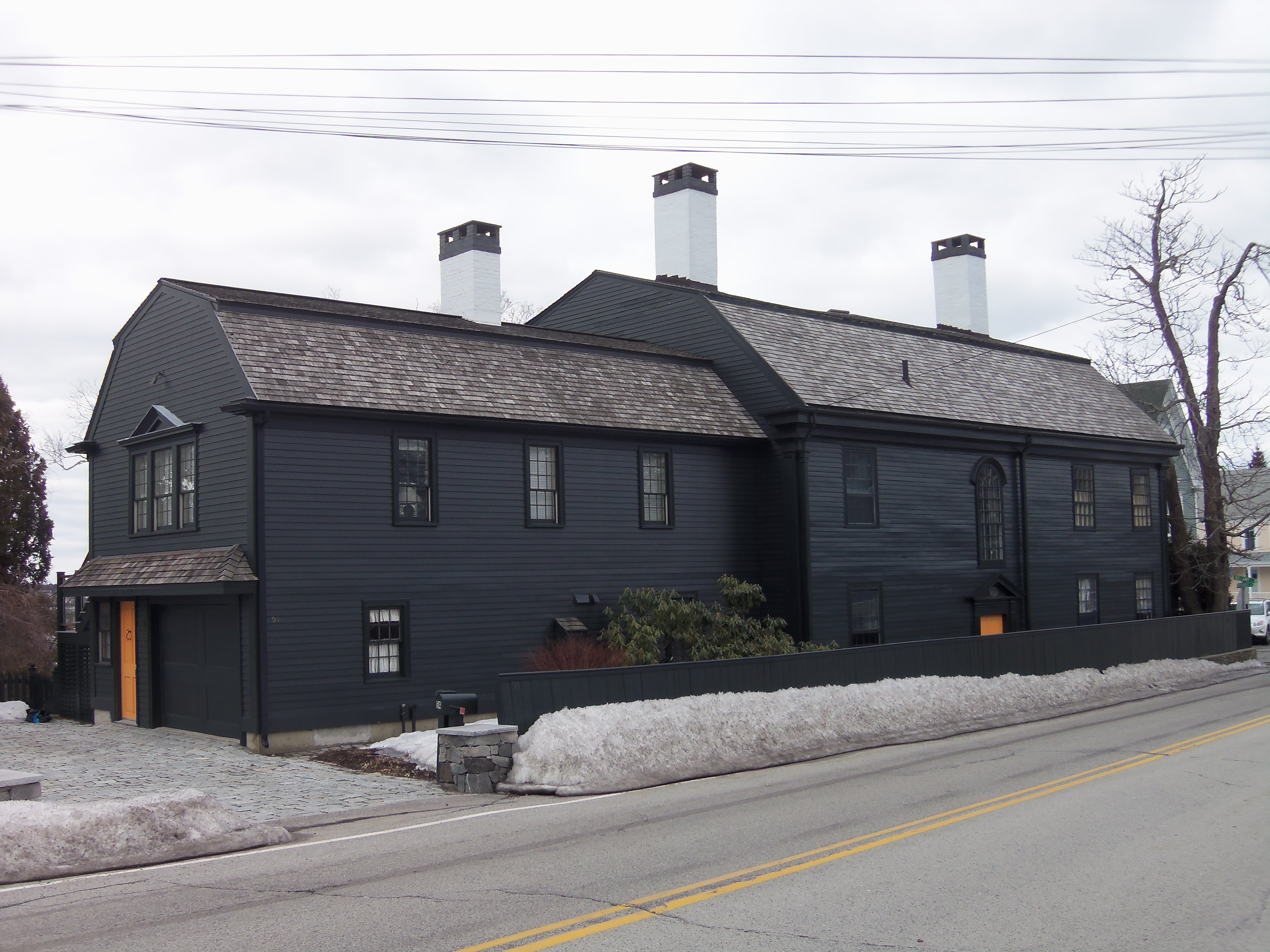
And to think, the Pepperell mansion was once larger.
Imposing, especially for its era.

With its shelter on the tidal Piscataqua River and proximity to the Atlantic, Pepperell Cove in Kittery, Maine, is a scenic marina these days, for both working fishermen and leisure-time sailors. It was originally a hive of shipbuilding as well.

The docks are reached by the lane beside Sir William Pepperell’s 1733 gambrel mansion.

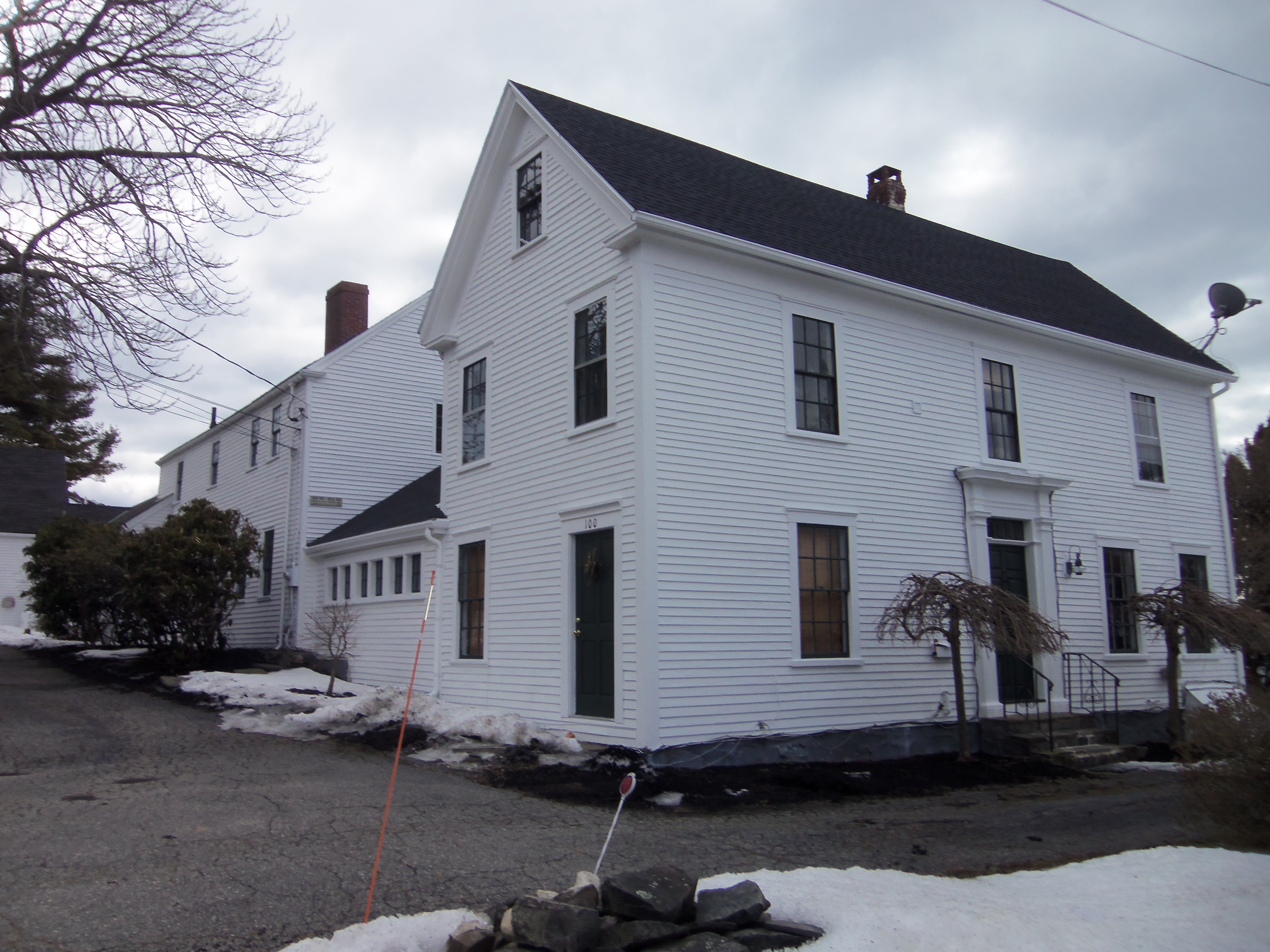
It’s adjacent to 1662 John Bray house, considered the oldest surviving residence in Maine.

The oldest part of the Bray house is the two-story left section.

STARK APPROACHING NOON

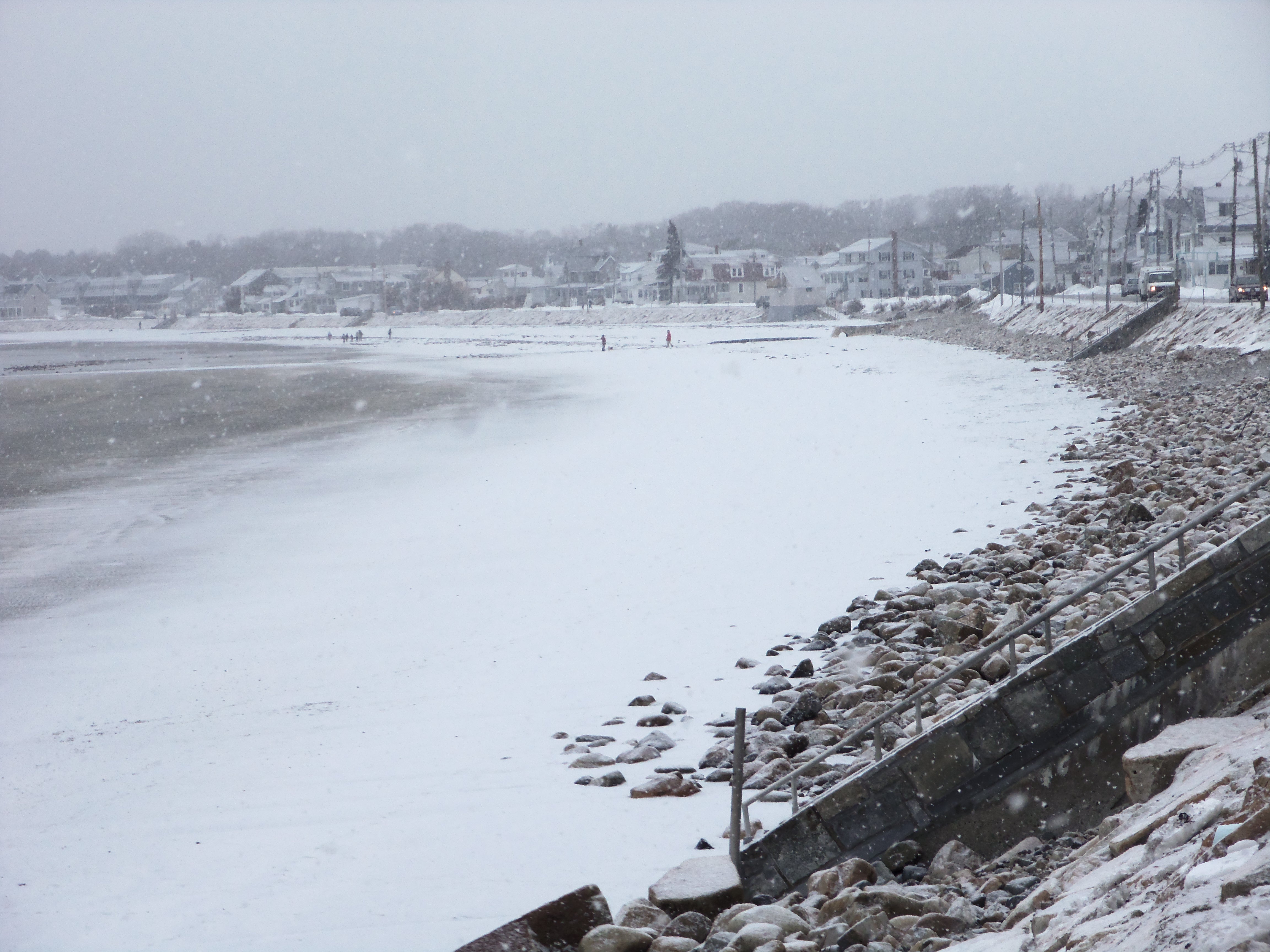
On a hot sunny day in summer, this beach would be jammed with bathers. But that season is short, unlike the cold months and their repeated storms.

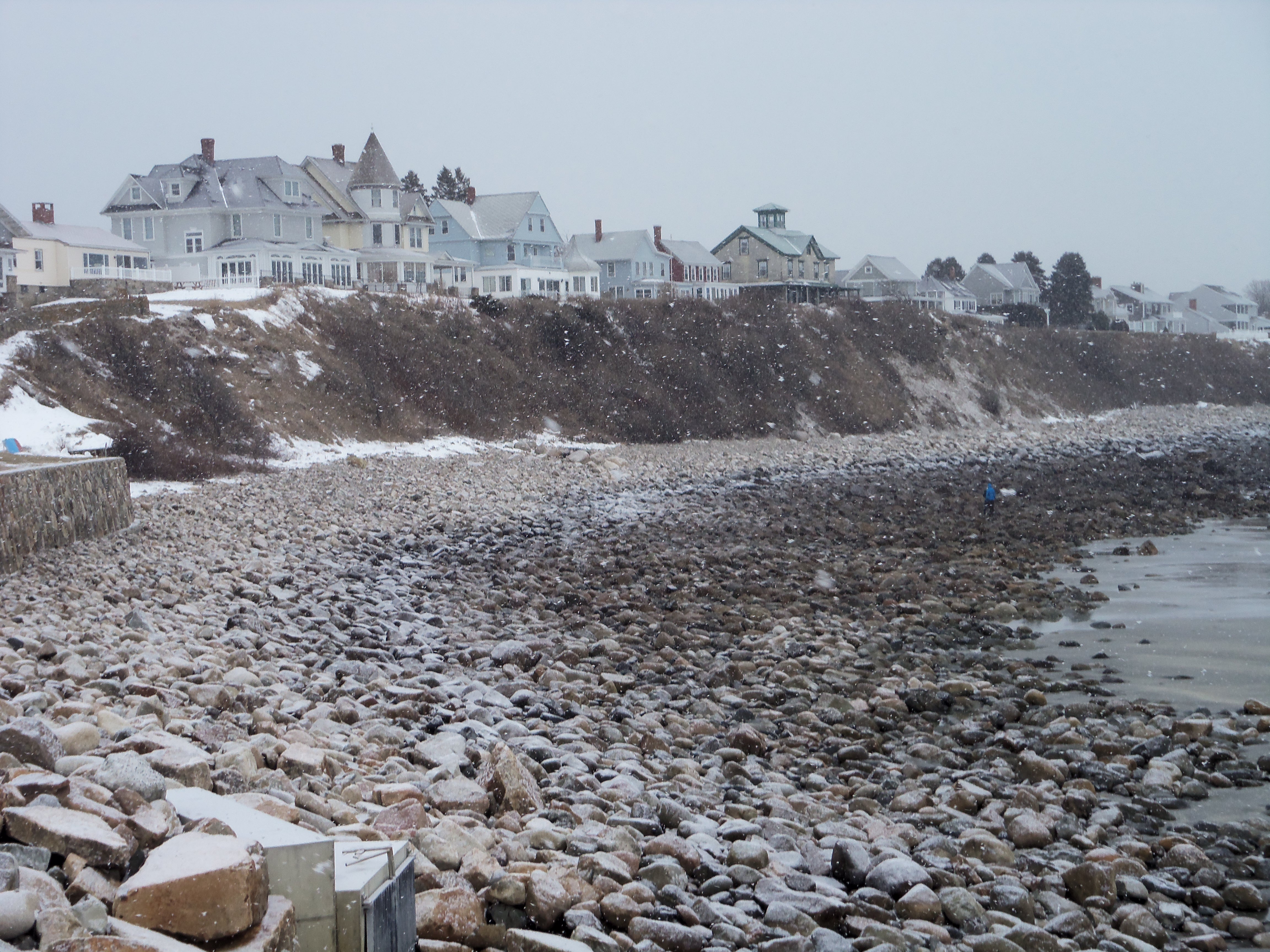
That's snow atop the sand at Long Sands beach in York, Maine.
That’s snow atop the sand at Long Sands beach in York, Maine.

Turning around, you get a view of some of the cottages overlooking the beach from the cliffs of Cape Neddick.

This is at low tide.

COLD COAST

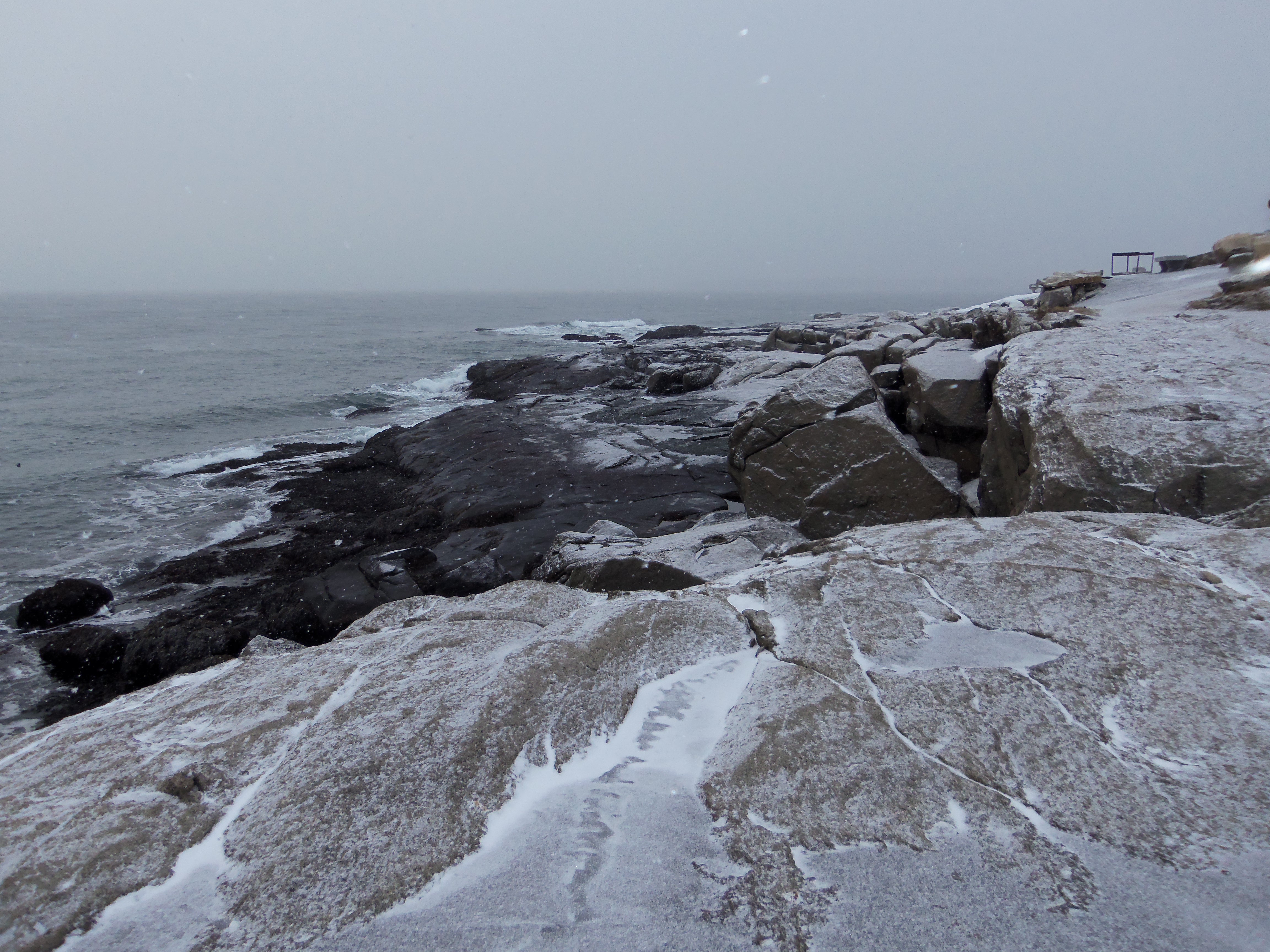
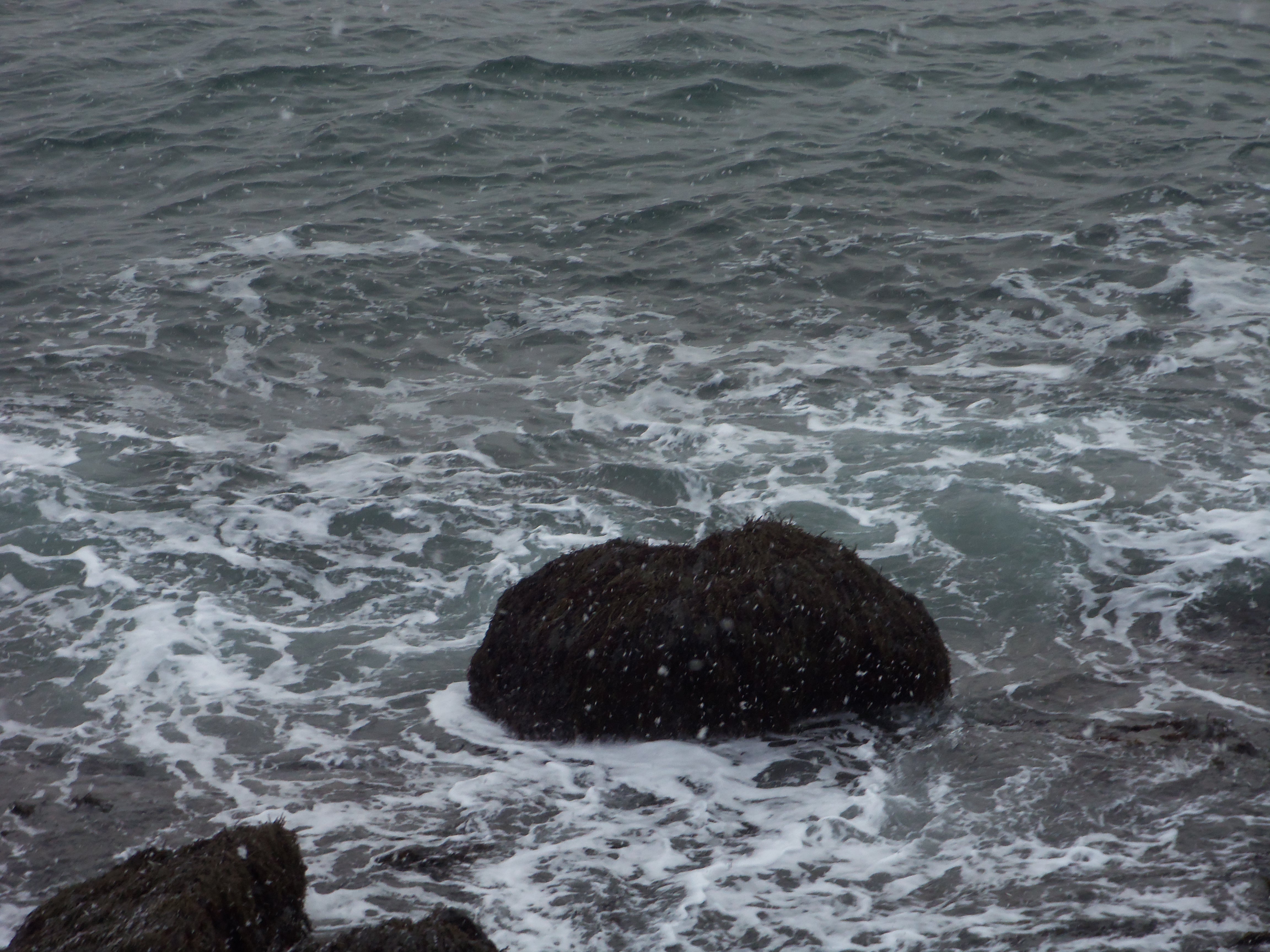
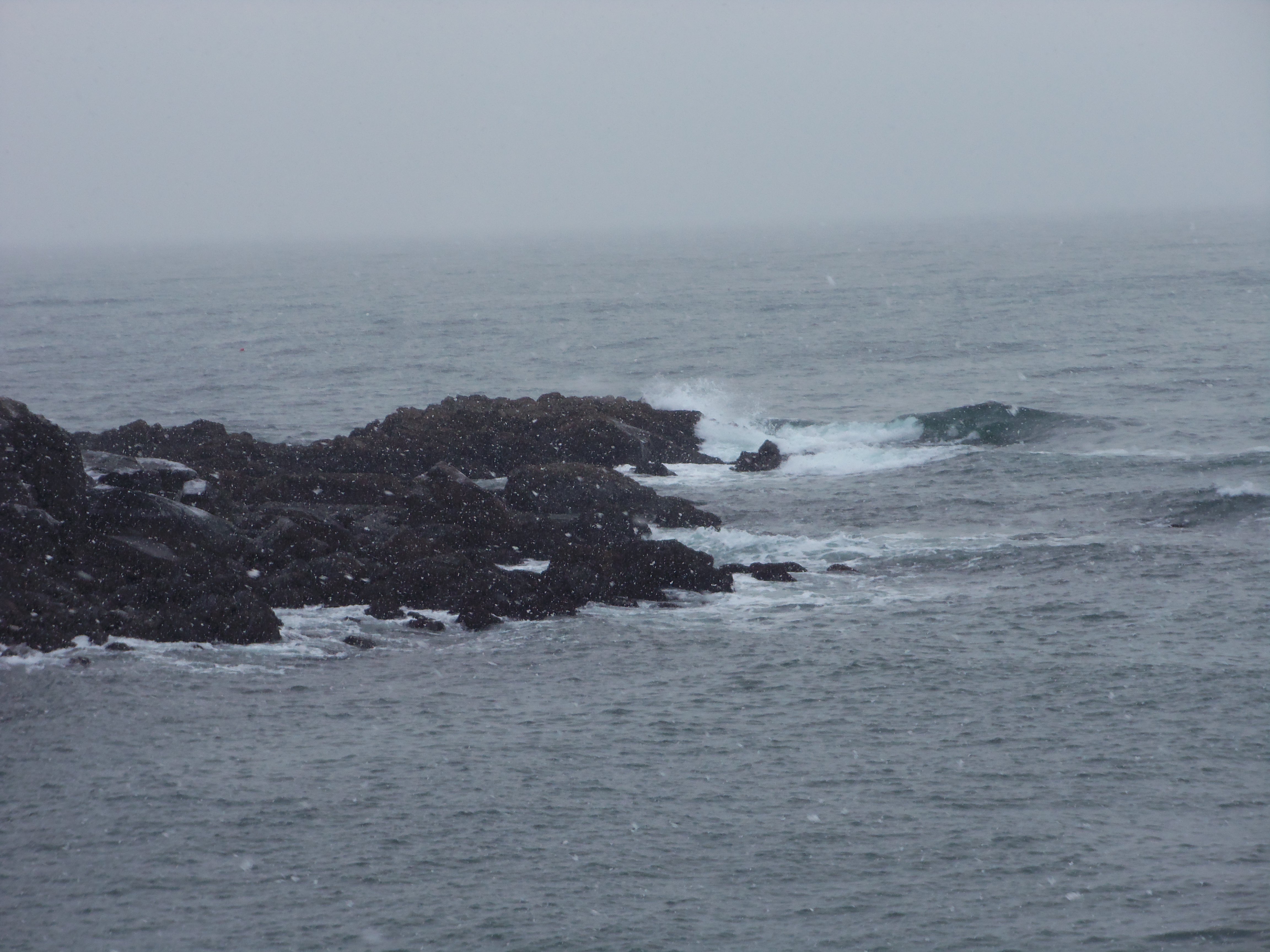
Waves pound the rocks at Sohier Park in York, Maine.

The New England coastline can be impressive anytime of the year. While most visitors see it only from midsummer into early autumn, it is unmasked much the rest of the year.

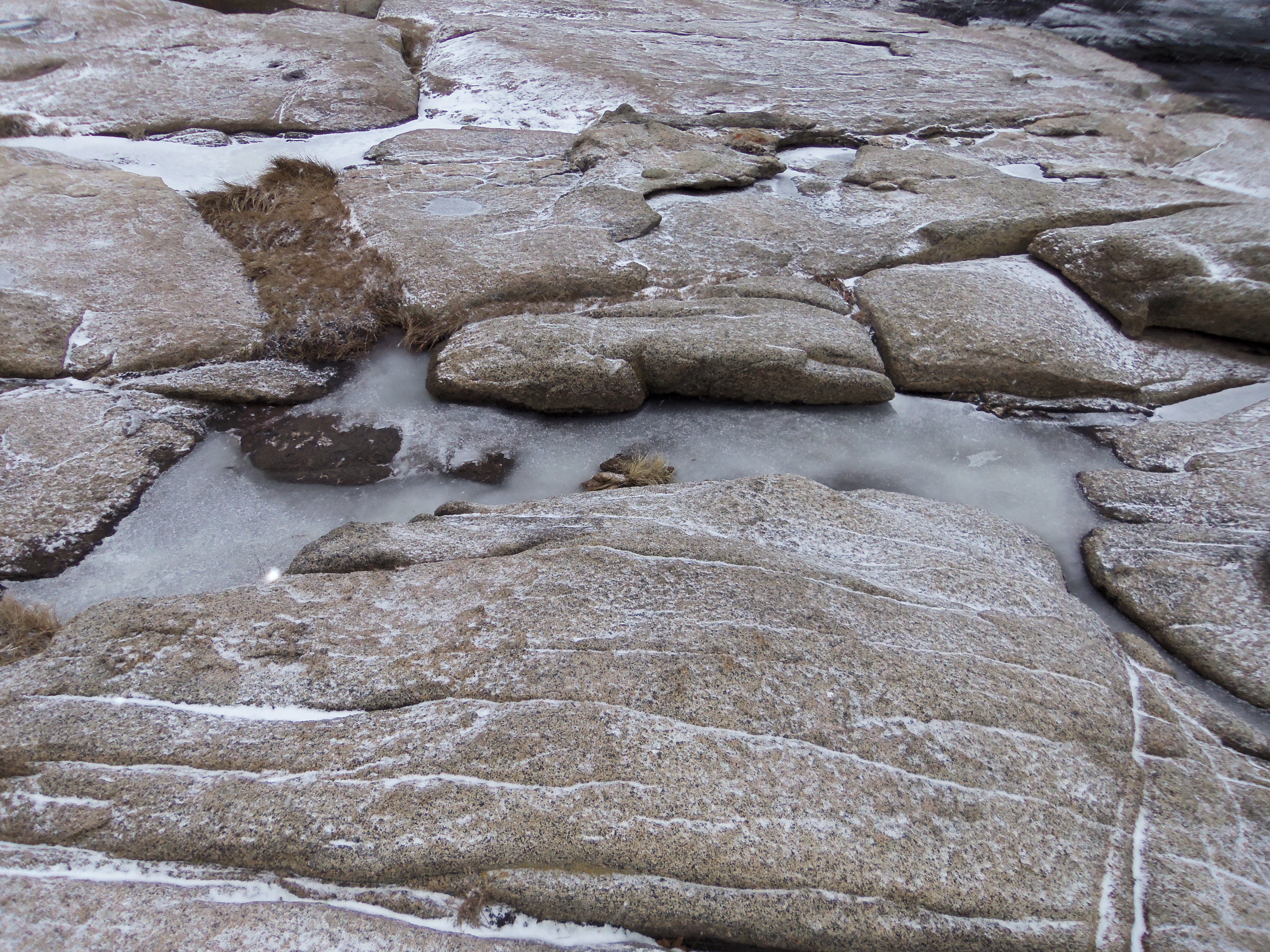
Pools of sea spray are frozen tight in the crevices of boulders overlooking the water.
The ocean seems especially restless every winter.
The waves keep pouring in.

GINGERBREAD LIGHTHOUSE

A small electric candle hangs upside down to illuminate the caramelized window panes of the lamp room. A candy kiss provides an improvised cone to top the lighthouse.
The rugged appearance is part of the fun, especially when surrounded by lobsters and sharks. Not that we have sharks in real life ... I prefer to see them as porpoises.
The rugged appearance is part of the fun, especially when surrounded by lobsters and sharks. Not that we have sharks in real life … I prefer to see them as porpoises.

While I’ve never gotten wrapped up in my wife’s fascination with gingerbread houses, my contrarian nature has embraced the idea of making an annual gingerbread LIGHT house, and here’s one result .

For the recipe and the templates, especially if you want to go for fancier results, check out this story, recipe, and assembly directions. (It’s not the only gingerbread lighthouse at Coastal Living, by the way, in case you’re really adventurous.)

The model was based on the Whaleback Light just downriver from us, so I feel it’s an extra special touch. And the gummy lobsters and gummy sharks, along with the candy rocks for the lighthouse wall, were purchased from Yummies just beyond the Kittery Outlet stores. That can be a destination for Maine visitors all in its own.

Inserting the candy rocks into the frosting "mortar" was fun, but let me suggest doing it with the sheets flat, before you erect the walls into place.
Inserting the candy rocks into the frosting “mortar” was fun, but let me suggest doing it with the sheets flat, before you erect the walls into place.
What would Maine be without lobsters?

MOSTLY FROM A LAST TRIP TO ENFIELD, MAINE

I was on my way to  the Metzlers’ farewell reception in the Grange hall as they wrapped up 19 years’ service in a rural community. As I often do driving solo, I slipped into a meditation and jotted down random thoughts and observations on the five-hour drive. Here they are.

31 May 2009, unexpectedly staying over and returning Monday, before an evening shift at the office:

Wells, Maine, en route – so long since I’ve gotten AWAY! (Excepting Ohio.) The commute … toll … York … driving a lot, same old loops for starters. And then beyond the usual fringe.

A pilgrimage. Saturday night major revisions to “On the Broad Penobscot,” which I would read at the reception – and see at that time it’s as much about marriage as kayaking.

Summer in New England:
When the air temperature
finally reads higher
than the open-roadway
speedometer.

 Driving the Maine Tpk. same time as Meeting for Worship: a driving meditation.

Tide way out, Fore River and Casco Bay – mud flats.

Seems so natural now.

No CHECK ENGINE light on for the past month or two, and then, sometime around Brunswick, on a tank of Mobil rather than Irving, on it comes again – and stays on.

Losing another Friend: Heather Moir. (Morning e-mail.)

Just before Bangor: What the hell am I doing? This long, gust-torn drive? So many emotions and memories stirred up! So I’ve been here almost 22 years now – NH from Balto – and they’ve been part of it most of that time. The one lover’s wounds still fresh and intense, then another.

Their efforts to establish a medical practice and to be ordained. The kids. So much time, so many lost years! The barn they took down, the crowded kitchen, the introduction to homebrewing, the treehouse. The trip taking Megan to China Lake and then R and I continuing to an overnight in Orono – and Carolyn’s “She’s a keeper.” (Our canoeing across the lake and, on our drive home, the long loop up through Rangely and down through Berlin.) Much sadness here, this transition.

I find myself running way ahead of schedule. Stop at the Weathervane in Waterville, and find the contrast between their fish and chips and those at the Shanty in Dover a revelation; the later doing everything right, the former cutting every corner. At the next rest area, I phone R and tell her she’s spoiled my appreciation of food – it’s like discovering great champagne, I tell her.

I skirt a serious thunderstorm, get only sprinkles, and then it’s sunny again.

Stop at Borders in Bangor, find a collection of Andre Dubus stories and Henry Miller’s Tropic of Cancer, as well as a Keith Jarrett trio CD.

In Enfield, I kill time along the Penobscot, where the sky has turned gray and the wind is kicking up whitecaps.

Clouds reflecting
in the pollen-covered
Penobscot current

(the river a mile wide in places?)

Passadumkeag
water striders
and sedge (reeds)

 – the public access landing

 river mussels

(A few days earlier, Sherry told of attending Andre Dubus’ funeral: he had insisted on being buried in the backyard, which created a controversy in the town. The coffin had a copper plate on top, which all of those present at the graveside service were to sign before the burial. It was all quite strange, she said, but there was lots of food.)

In the Grange hall, their motto: Unity in essentials, liberty in non-essentials, charity in all things – the Pilgram Marpeck!

In one conversation, a man was telling about his three-year-old grandnephew’s first reaction to the paper mill in Lincoln: Who farted! (How accurate! Who am I to complain, writer – user of paper?)

Only a portion of paper mill production is newsprint, office paper, or book/magazine stock. So much cardboard, tissue, etc. instead. Just for perspective.

Before entering the Grange hall, I drove down to Cold Spring Pond, looked across. R and I canoed that far? Amazing. With all of its clarity that day and the big boulders 20 feet down.

Their Jesse was in Budapest, but Margaret was quite present. As were Bill and Barbara – both after all these years. Other than that, I knew no one.

Was surprised D wasn’t present. Didn’t get a chance to inquire, either.

Good thing I went. Sense of closure. The poem went quite well.

Carolyn’s sister, Marsha: “You’re a deep thinker.” She should see what happens with Carolyn.

Raining during the gathering and through the night.

But next morning clear and bright.

A perfect day for driving – after the rain.

How dramatically the drive changes from Portland south – no more of the same rural quality.

~*~

How vivid all this, these years later! And how precious the friendships and memories!
SWEPT OUT TO SEA

The stupidity of some people never fails to impress. You hear of those who refuse to leave the path of disaster or see pictures of families standing by an ocean churned by an approaching hurricane. You know, the foolish ones who then expect emergency personnel to come to their rescue (at personal risk and public expense).

I’ve learned to respect the moodiness of the ocean and its quick changes – the summer thunderstorms that come out of nowhere, for starters. If the Coast Guard or lifeguards say “Get out of the water,” just do it rather than ask questions. If the captain of the boat says “Get down under,” just do it.

Even before the hail or power outages.

How quickly it all passes, too, and everything looks perfectly serene again, with no hint of what just happened.

My wife and I once watched a deluge approach, strike, and return to normal all in the course of a seaside lunch. Fortunately, we were indoors, our table beside the window.

One of my first lessons came a few months after the 1991 Halloween nor’easter now known as the Perfect Storm. In New England, a nor’easter is akin to a cold-weather, slow-moving hurricane. One moonlit night three or four months after this one, I was driving along Cape Ann in Massachusetts and was awed by the depth of sand still piled along the roadway – like plowed snow, in fact – up on ridges out of view of the ocean. Such was the impact of the Perfect Storm.

But this was a calm night and coming to an overlook, I pulled over, got out of the car, and walked out on a ledge a good 20 or 30 feet above the water. I was still back from the edge when a large wave crashed up behind me and swirled off just to my side. I realized the current could have knocked me off my feet and into the brine below. I’m a good swimmer, but fully clothed in icy water driving into rocks would be a fatal combination.  

Yes, I’ve learned to respect the ocean and be wary.

SHOOTING THE SAME SPOT AGAIN

We could be considering writing or painting and drawing as much as the photography that prompts today’s line of thinking. Specifically, I’m reflecting on the tension between trying to capture everything I see everywhere versus the reality that one needs limits.

For starters, I reach a point in shooting where I begin to weary. Push hard enough and everyone hits a wall. When it comes to photography, I just stop seeing images of interest. When I’m writing, my words go flat. Folks in other endeavors can relate their own versions.

A second fact of life comes in trying to arrange and manage what I already have. Accumulate too much and I’ll never find anything when I want or need it.

I find a similar tension in a writing project, where I can hope for a tightly focused, crystalline work even as it begins to expand into a complex baroque construction. Or the other way around.

As I’ve been shooting over the course of the Red Barn, I’ve found myself increasingly resisting an urge to range more widely from my base in Dover. I’m sticking more and more to what’s at hand here and in a few other familiar places like Sandwich, to the north, and Fort Foster in Kittery Point, Maine. We’ll see how that evolves in the future.

For now, what fascinates is seeing how much new keeps appearing to me in our yard or while I’m walking to meeting for worship on Sunday. Perhaps that’s why working on pieces in a series hold so much appeal as more and more keeps surfacing from the depths.

The other aspect of the series is the desire that somewhere in there is the one iconic piece that rises above the rest, can stand on its own, deserves its own place.

Oh, what would Monet say to all this? Or Matisse? Or any of a host of others!

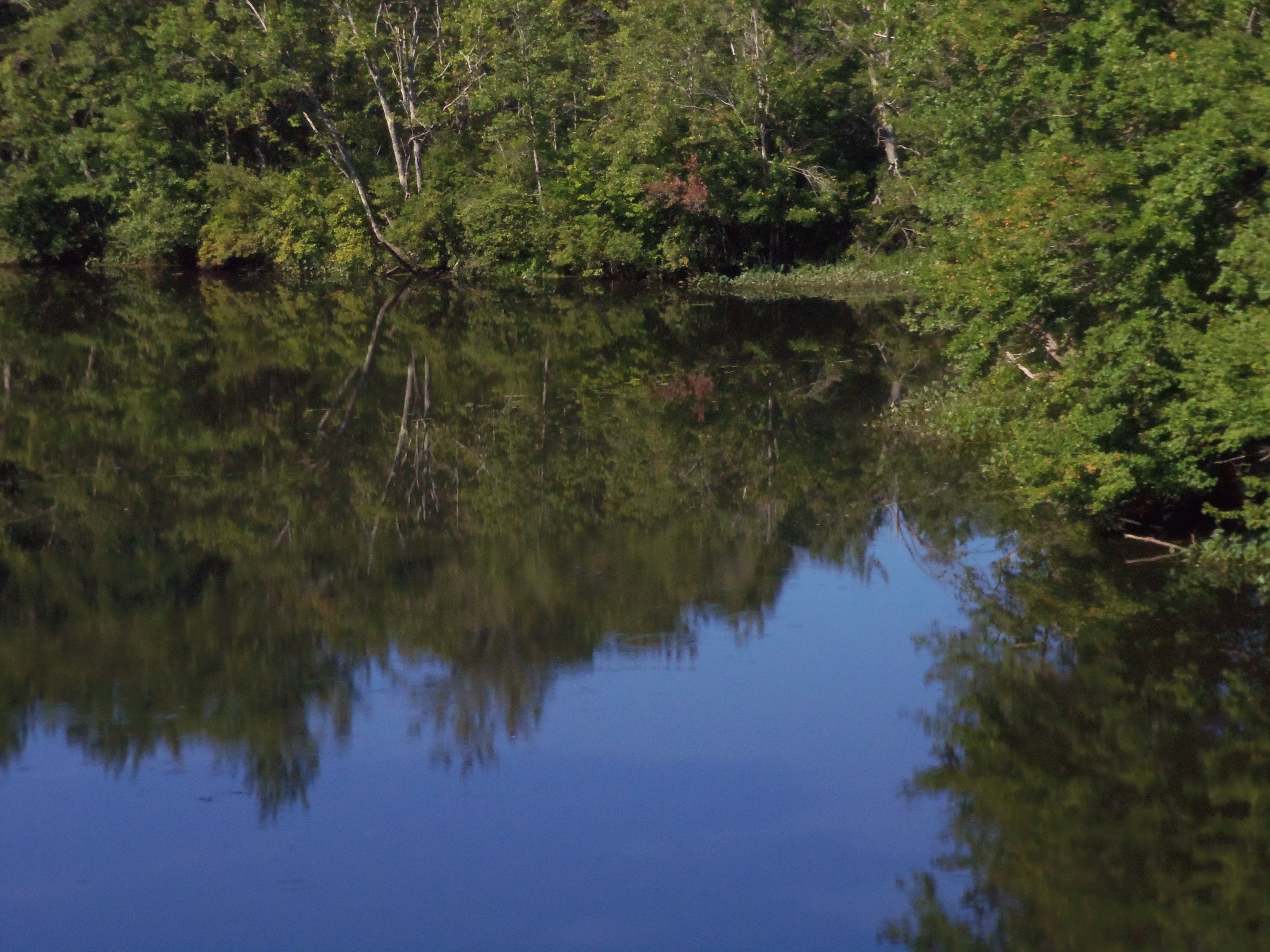
The Cocheco River viewed from the footbridge on the community trail has become a favorite spot for my camera. Here's part of the scene as I was walking to meeting for worship on Sunday morning.
The Cocheco River viewed from the footbridge on the community trail has become a favorite spot for my camera. Here’s part of the scene as I was walking to meeting for worship one Sunday morning.

THIS OLD HOUSE DISILLUSIONMENT

One of the downsides of owning an old house is an awareness of just how expensive any repair is. (And it’s always more than you’ve planned.) Add to that just how many repairs are needed. (Remember, most of them are for things you don’t even see.) And that’s before we get to any upgrades.

The awareness has also afflicted many of my dream-house observations, especially when I’m nearing the ocean. Where I would have admired a stone retaining wall under construction or a long pier from a private boathouse or deck to the mooring, what I now see is dollar signs. Often, more than I would have made in a year. It’s crushing.

It can make you wonder what people do for that kind of income. Or what kind of wealth they were born into. Or how long it will last.

One thing I know is that fishermen used to live in some of these coastal communities. But not anymore. Not by a long shot. Some of them live closer to me.


TIDAL SURPRISE FROM BEHIND

Ogunquit has one of Maine’s loveliest sandy beaches (to distinguish it from some pebble sites we frequent, especially). It’s more than a mile long facing the Atlantic, with house-free dunes behind it.

One corner, near the parking lot, is bordered by the Ogunquit River, which is fun to float in, as long as you avoid the whirlpool.

That end also has a lovely large apron of sand at low tide, and unsuspecting visitors often carry their towels, folding chairs, bags and coolers right out to the edge of the water, establish camp, and head off into the surf. While they’re at play, though, the tide turns quickly, submerging much of the apron within minutes, generally approaching the camp from behind. You should see their faces as they suddenly recognize the catastrophe at hand and desperately try to retrieve their floating debris from the quicksilver waters. Their chairs, coolers, towels and blankets, even shoes are all heading out to sea.

Soon, most of the beach on that end is under water. Remember, the level changes more than a foot every hour … and sometimes it’s closer to two.

The veterans, in contrast, set themselves up much higher, against the rocky base of the parking lot itself.

Follow their example if you go. Or watch out.