
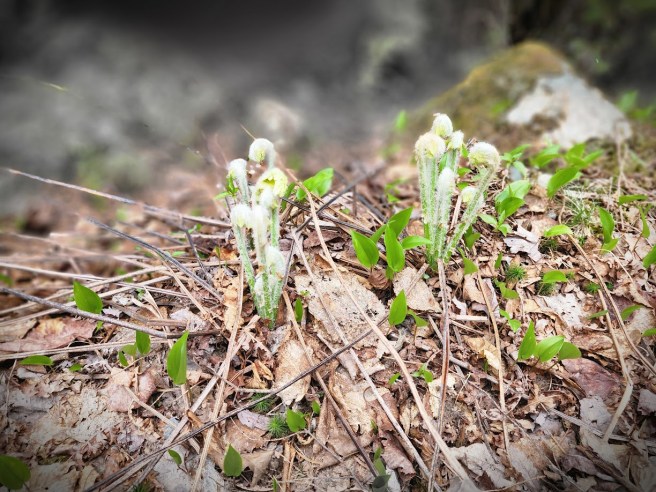
You never know what we'll churn up in cleaning a stall
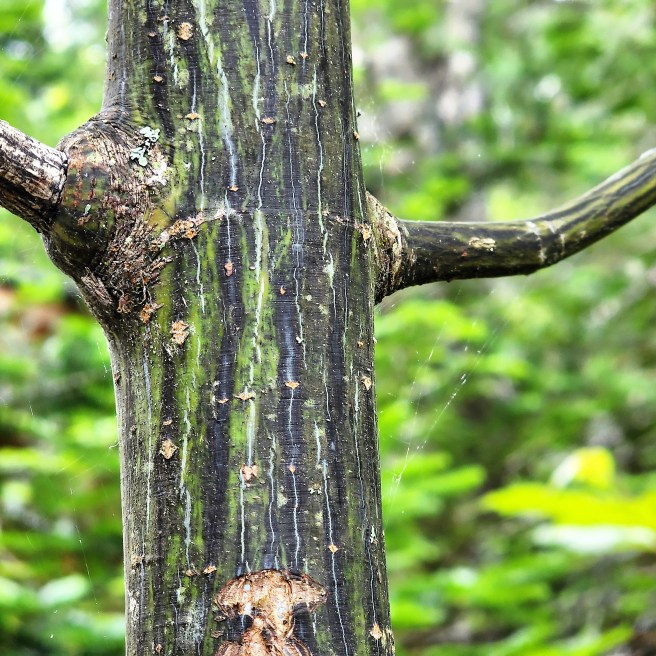
The variety looks nothing like other maples, at least while young.
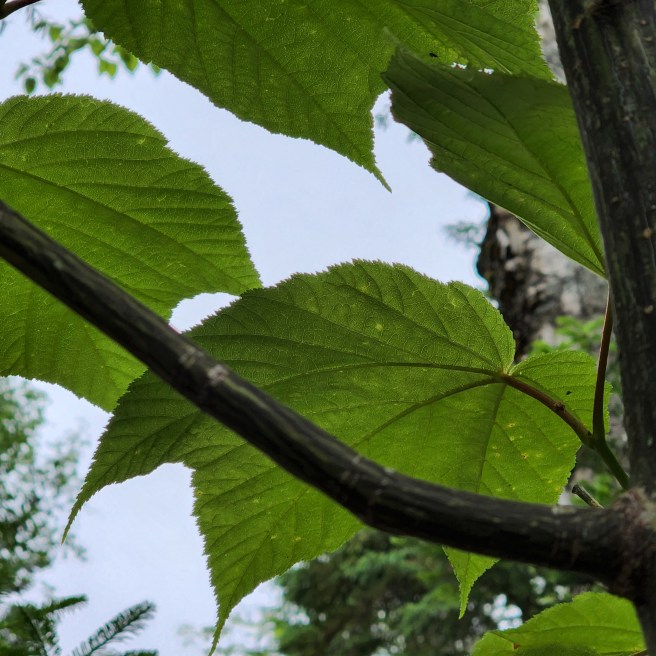
Eastport has the deepest natural harbor in the continental U.S., but getting here requires going through Canadian waters. As a consequence, especially in the aftermath of 9/11, there are far fewer boats than you might expect during much of the year.
My first year up here, we had some impressive superyachts but no cruise ships. After seeing some celebrated floating hotels overshadowing Key West and then Portland, Maine, I would consider that as a blessing. From the water, the QE2 looked bigger than the Queen City of Maine’s downtown.
One of the newer trends, though, has been a revival of smaller cruise vessels of 200 or so passengers, and last summer we had a handful of those. Apart from the fact that they blocked some very popular mackerel fishing from the pier, they were a welcome addition to the downtown.
Bar Harbor, at the other end of our Downeast Region, has decided it’s become too popular as a port of call. Some days in summer have had two visiting cruise ships that drop off thousands of tourists on the town’s narrow streets and neighboring Acadia National Park. The local reaction has been to impose a limit, and that may be sending some itineraries our way.
This year it looks like we’re getting up to 11 ships, 16 visits in all, most of them in the autumn foliage season.
Here’s what I’ve found.
It will be interesting to see what the infusion of visitors in the fall shoulder season will do to the town. Things really slow down after Labor Day.
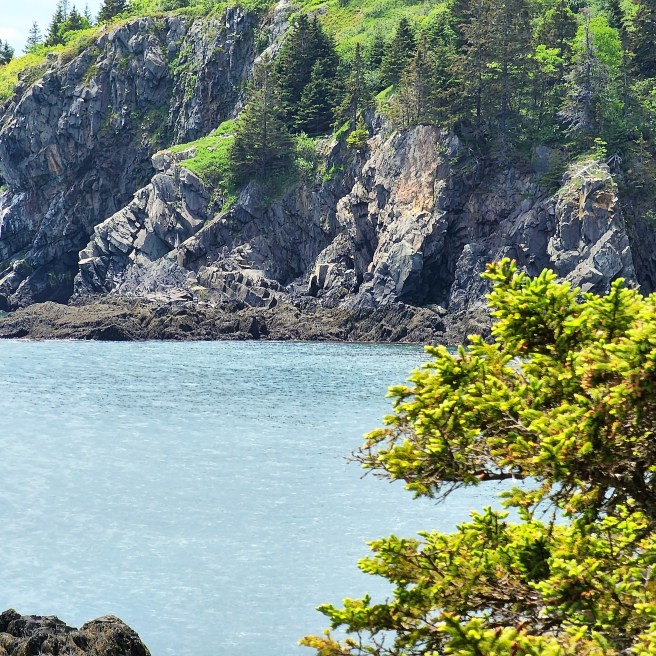
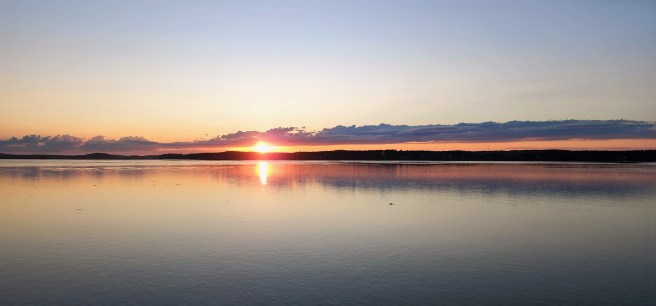
You can argue every dawn here has its moods.
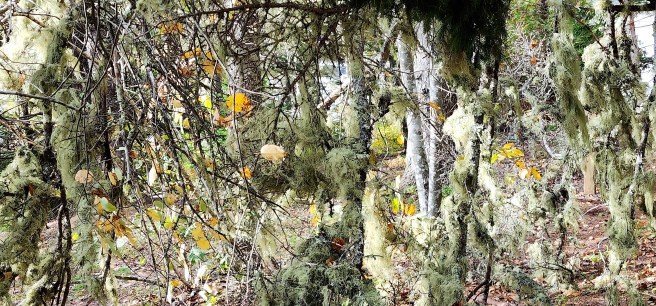
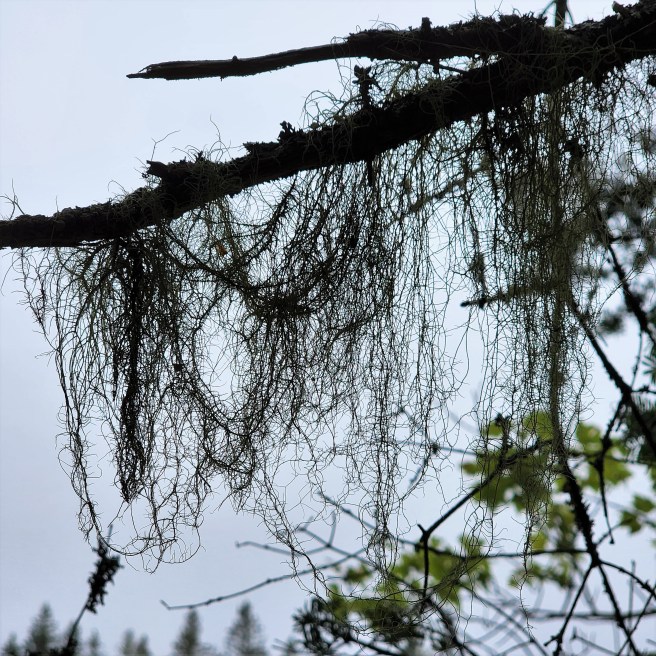
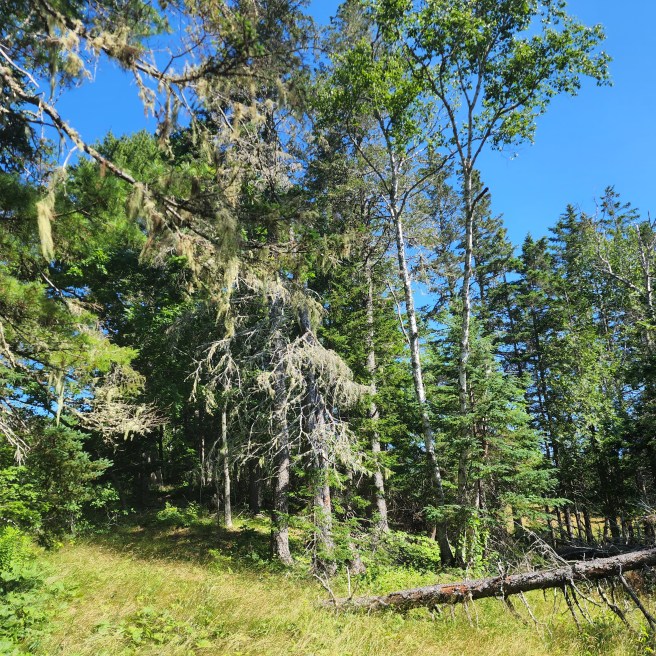
It’s something I always associated with Florida, not coastal Maine.
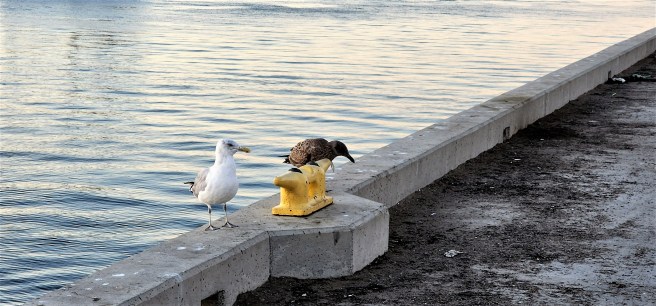
We’re always being watched. They’re everywhere.
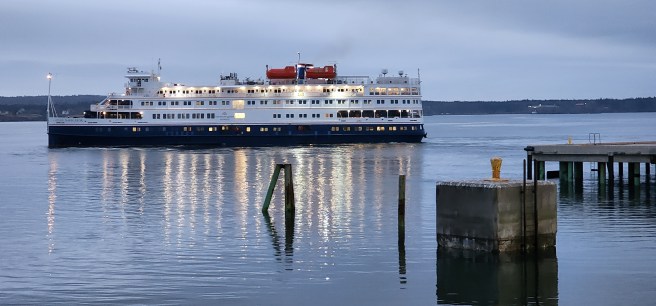
The Ocean Navigator left a few minutes after 5 this morning, riding on a high tide. One of the joys of living in a small town is knowing the pilot at the helm.
Spring in Maine can be a very short season, marked first by mud season and then the black flies that descend from late April into July.
My introduction came one year in a brief stop to investigate a stunning waterfall, interrupted by a large swarm of what I thought were mosquitos. The second enlightenment came at a stop along the Airline Highway en route to Eastport. A wall of flying insects would be a diluted version.
Also known as buffalo gnats, turkey gnats, or white socks (not of the Chicago baseball kind), black flies are more than the defenders of wilderness. Take a look.
 Jnana's Red Barn