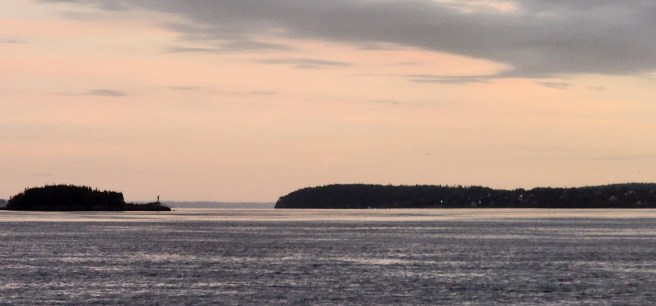
They’re not always knockout gorgeous around here. Not that I’m complaining.
You never know what we'll churn up in cleaning a stall
They’re not always knockout gorgeous around here. Not that I’m complaining.
Living adjacent to the tribe’s Sipayik reservation opens new perspectives in my awareness. It’s not quite osmosis, but perhaps a willingness to listen.
One of the big breakthroughs for the tribe has involved access to 36 wax cylinders from 1890, the first field recordings ever made, when anthropologist Walter Jesse Fewkes came to Maine to test the Edison equipment before he headed off to Navajo and Hopi lands.
For decades, the recordings were kept in museum vaults, unknown to the tribe. And then, slowly, they came into consciousness, first through taped copies full of scratchy static and more recently cleaned up into digitalized files that tribe historians are carefully gleaning.
As a writer, I believe in the power of stories and the importance of language itself.
Here are some of the insights I’m hearing from my neighbors.
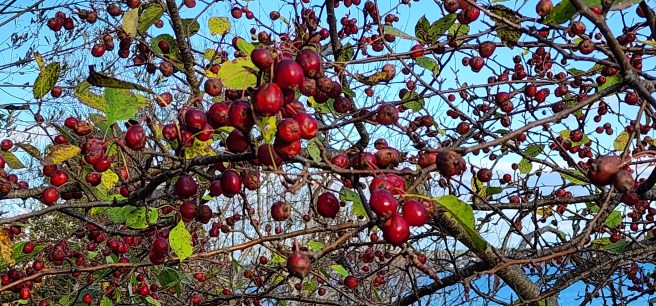
Whiting, Maine
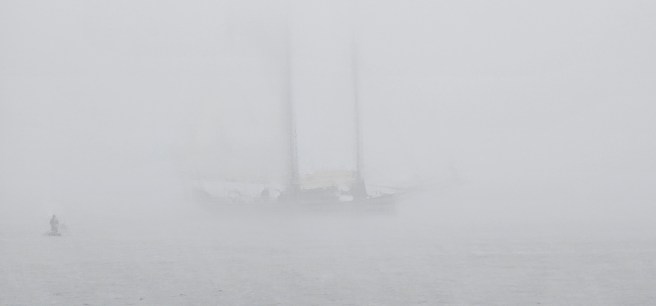
top of the ladder
up the hatch this morning
broke out laughing
we’re in a bank of heavy fog
just like home
an hour later it’s lifting
and a decent breeze from NE kicks in
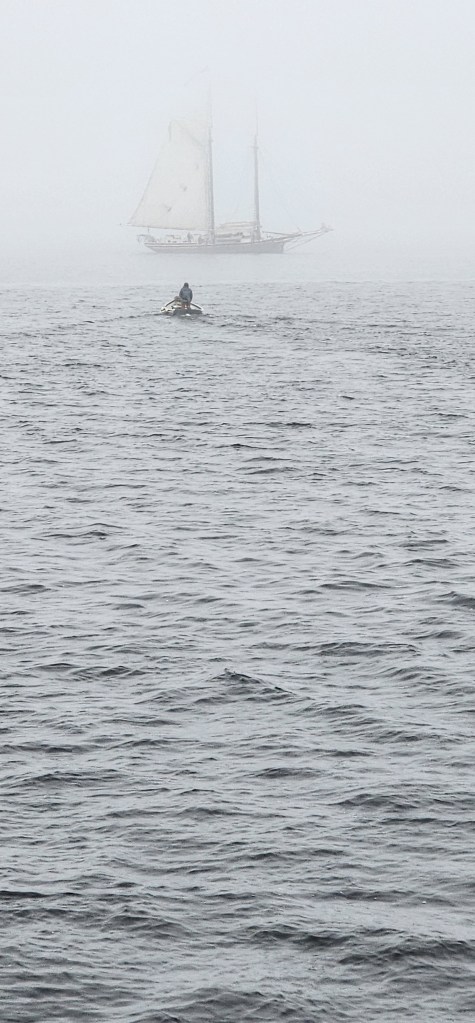
this cold fog
is a state of flight


The annual equinox Common Ground Fair in Unity, Maine, features multiple contradances each day in its folk traditions tent. The Maine Fiddle Camp hosts musicians and callers on the stage.
passing parade, both directions, all around
young especially with airs of lusty septum rings
combat boots, woven surrounds, none of them
the American idolized Ken or Barbie
nor all of them old hippies
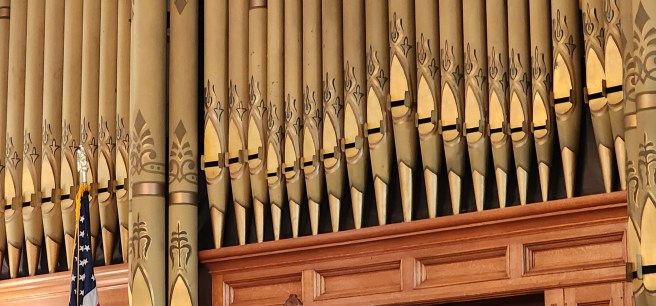
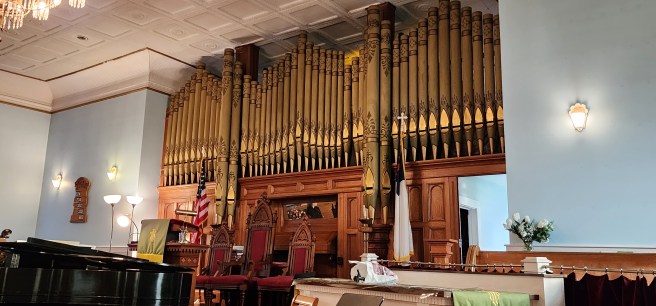
Christian Congregational church in Lubec. I hate to think what it costs to maintain them. Much less employ a musician slash minister worthy of them.
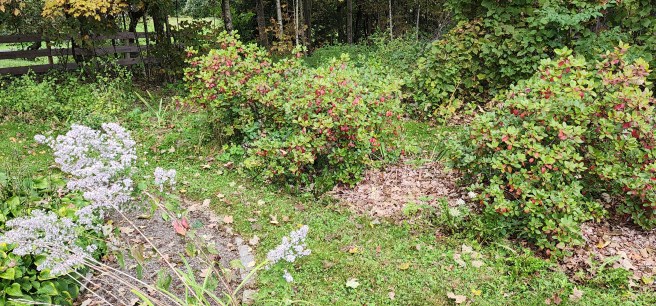
Vassalboro, Maine
Or line, as they insist

right-handed cord
coil it clockwise?
left-handed, counter?
Right laid
a Z twist
versus an S twist
in the cable
coiled wrong, it will kink
potentially dangerous
where will I apply such arcane detail?
Since relocating to Eastport at the close of 2020, I’ve been posting about the place where I now live, but this may be the time to present a slightly broader perspective.
Officially, Eastport is both a small city and an archipelago. It comprises 3.63 square miles of land, mostly on Moose Island, and 8.7 square miles of water. Moose Island is extremely irregular in shape, with multiple inlets, or coves, and corresponding points, or heads, largely lined with a shore of rock walls and scattered pocket beaches. The island is 4½ miles long and no more than a mile and a quarter wide, depending.
You don’t catch much of that from land, even with the zig-zag state highway into town. That is, emphatically, the only route to or from the mainland. Viewed from the water, of course, a much different picture emerges.
Today, the island is connected to the mainland via a causeway. The roadway passes through the tribal reservation at Pleasant Point, or Sipayik. They, too, are a presence.
In an unusual twist, the Passamaquoddy name, Muselenk, is derived from the English “moose island,” so we glean no ancient nuances there. The waters, on the other hand, are varied and rich, as the Native names reveal.
As you’ll see when we peel away the layers of our old Cape, its orientation – like those of the community’s European descendants over the years – gravitates increasingly to the waters, especially the sheltered, ice-free harbor a block from the house.
Moose Island is described as being on Passamaquoddy Bay, which technically borders the island on one side while Cobscook Bay hugs the other, though both are extensions of the famed Bay of Fundy and its extreme tides. Thanks to Fundy Bay, our tides are the largest in the continental United States, as you’ve seen in some of my posts here. We do face Campobello Island, Deer Island, and a few others only a mile or two away in New Brunswick, Canada, and they shelter us from the open Atlantic. Again, you’ve met them here at the Red Barn.
Campobello, in fact, is a mere mile or two away, across the deep channel, and can be seen from our house.
Legalistically, the border between the United States and Canada slash Britain remained somewhat fluid through many of the early years. Earlier conflicts between France and England precluded permanent settlement before the end of the French and Indian wars in 1763 and few others came in until the end of the American Revolution in 1783. There were also four years from the War of 1812 when Eastport was under British jurisdiction – making the city the last location in the continental U.S. to be under foreign rule.
Perhaps that was a factor in making the harbor the second busiest in the U.S. in 1833, much of it smuggling with New Brunswick.
The line between the U.S. (meaning Eastport) and Canada wasn’t fixed until 1842. Canada and Canadian-born people play a significant role in the evolution of the town.
All of this, as I discovered, plays into the history of our house and its inhabitants, too.
 Jnana's Red Barn