When I see this …

… I think of this.
 For the free ebook novel and more, click here.
You never know what we'll churn up in cleaning a stall
When I see this …
… I think of this.
For the free ebook novel and more, click here.
When I see this …

… I think of this.
For the free ebook novel and more, click here.
Whatever my reasons for enrolling in Spanish to fulfill my foreign language requirement in high school – rather than, say, Latin, French, or German, the other options – I have only the vaguest notion today, but I did have a fabulous teacher my first year. Profesora Hughes was animated, strict, immersion-oriented – and we quickly achieved a level of proficiency, even playfulness. Unfortunately, my second-year teacher only muddied the waters instead without advancing my skills. So when it came to college, I shifted to French, which had the effect of mixing both tongues in my mind.
Well, the French did give me a clearer sense of the workings of English, which I see as a Germanic language overlaid with French. Forget those who argue for the Latin influence.
For the past quarter-century, though, Quakers in New England have had a relationship with Cuba Yearly Meeting of Friends, and that’s included annual visitors to our Meetings. Finding myself at the mercy of interpreters – when we could find them – has been mildly embarrassing. Once I spent two hours driving one Cuban between connections in New Hampshire and Boston, and our attempts at communicating were a revelation. That is, largely non-verbal communication.
This past summer’s visitors somehow tipped the balance for me. Maybe the fact that Odalys, Candido, and Melissa came to Dover, stayed at our neighbors’, even went to a contradance (“baile folklorico,” rather than “social” dance), made the exchange more personal, even before they became next-suite residents the following week in Vermont, meaning we were always bumping into each other on the campus where our sessions were taking place. The possibility that one of them, staying in the States for a year of schooling, might be our guest over Christmas break gave me the impetus to brush up on that Spanish. I even still had my second-year high school textbook to fall back on.
Now for the update. I quickly discovered my skills were much, much lower than anticipated. Vocabulary, conjugation, irregular verbs, tenses – the whole shebang. Working from the book was going to be a struggle.
From family and friends came the advice to look online for free courses, a suggestion I viewed with suspicion. Still, I decided to take a look, enrolled in DuoLingo, and found I tested out of … nothing. That is, my Spanish was essentially nada. OK, it was time to get serious.
Four months later, after a half-hour or so each day but Sunday, let me say I’m an enthusiastic supporter. I’m impressed with DuoLingo’s system of teaching in a way that saves some of the more technical aspects for later. Much of its early vocabulary, in fact, was never part of my high school learning but would be much more useful in real life. Emparedado, or sandwich, for example. And I’m feeling some of the youthful joy of discovery I felt back with Profesora Hughes. I certainly didn’t expect that!
I do get dinged, though, when I type “elle” instead of “ella” or something similar in my responses. Still gotta watch out for that French, along with those crazy accent marks that rarely make sense to me.
Further down the pike, I’m thinking of a round of Greek. Hey, you wouldn’t believe the language options. And it’s all free.
When I see this …

… I think of this.
For the free ebook novel and more, click here.
Enter the woods. Listen. Breathe.
Sometimes a woodlot will do. Or a grove along running water.
You don’t always need a forest.
Don’t worry about getting lost. Just pay attention to the trail. And the wind. And the light. Maybe a companion or two. Some of them human.
We’ll talk about holy later.
 ~*~
~*~
For your own copy, click here.
When I see this …
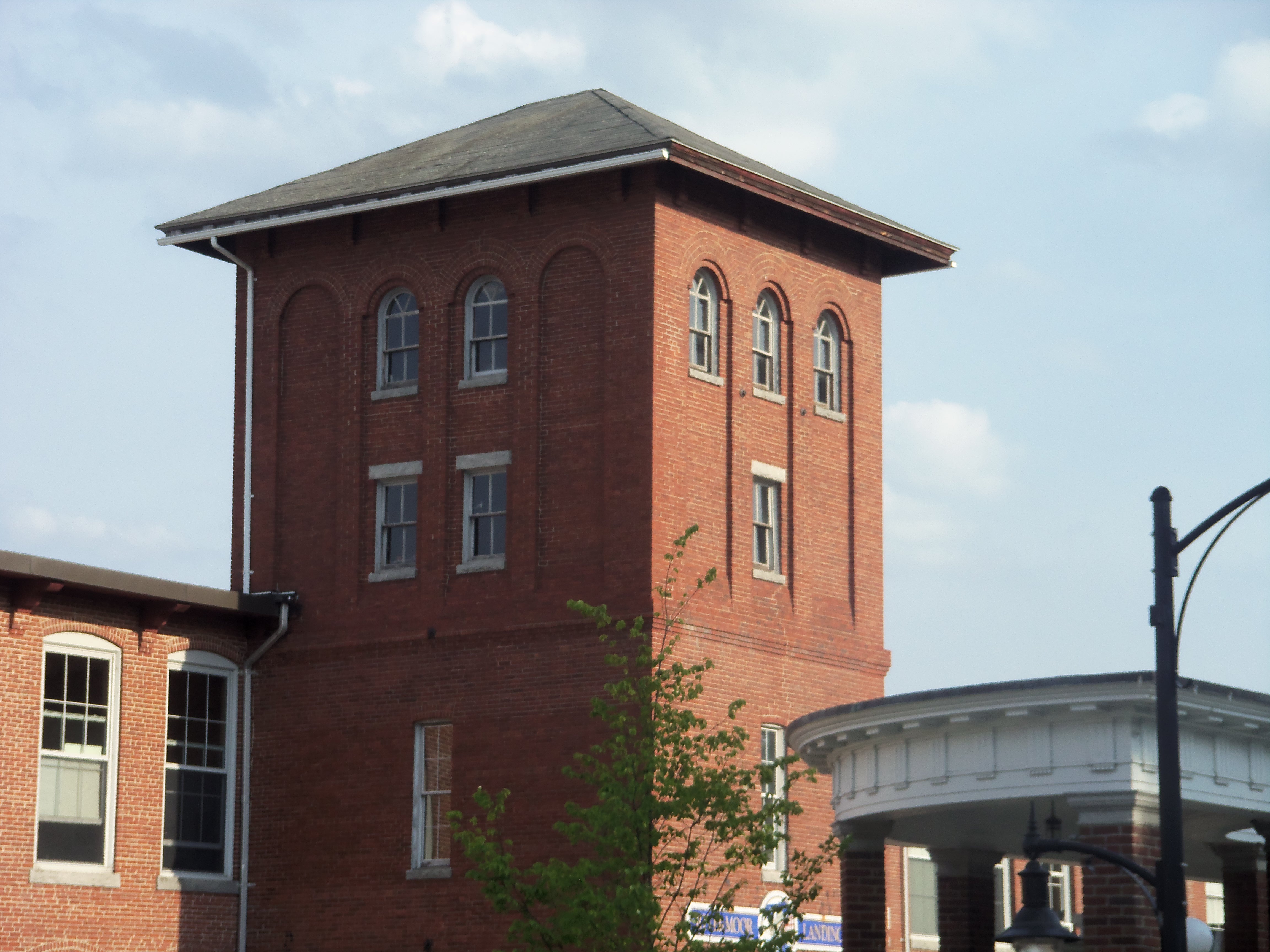
… I think of this.
For the free ebook novel and more, click here.
Let me confess to struggling with the preposition for the title of this collection.
The initial thought was of being atop a mountain, with its panoramic views. But that runs the danger of suggesting superiority, submission of nature to man’s will, or placing more value on a given result rather than the process of getting there (and back). The climb, I’ll contend, is purification for what lies ahead.
An alternative “on the mountain” allows for the sense of having one’s feet on a trail or even presenting a series somehow “about” the mountain as a set of explanations.
I settled on “under” for its sense of looking upward, in awe or even reverence, as well as the fact that even in mountainous terrain, we live in the valley, with some degree of protection from the elements. Where the streams come down and weave their threaded branches together. Where at times the clouds nestle in. Where the eyes wander from the summit.
 ~*~
~*~
For your own copy, click here.
When I see this …

… I think of this.
For the free ebook novel and more, click here.
Food, shelter, clothing, bedding, cooking gear, toiletries, maps and guidebooks – everything practical, collected, focused – fit on your back. You’re as free as can be, if you make the effort.
Each trek is a revelation you pack home.
For your own copy, click here.

~*~
When I see this …
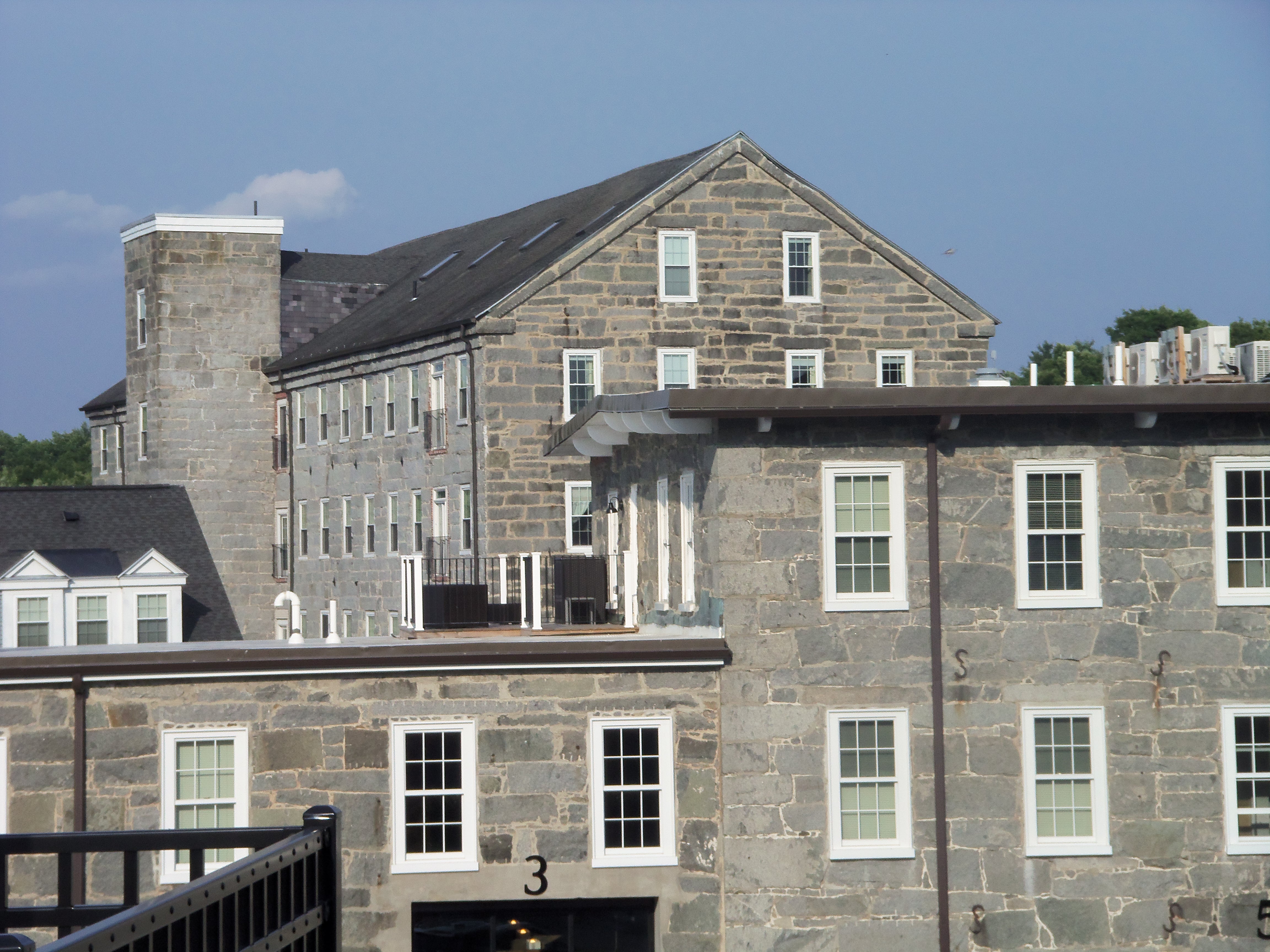
… I think of this.
For the free ebook novel and more, click here.

