a strike
a-waiting
a match
You never know what we'll churn up in cleaning a stall
a strike
a-waiting
a match

Along the Machias River, Whitneyville, Maine.

The delivery of cut, split firewood means I’ll be spending much of my upcoming time stacking it neatly. With luck, this will then season for a year before warming our house.
Alas, stacking it also means feeling my age. And how!
their anger should really be turned at themselves

Just walkin’ along and there they were.

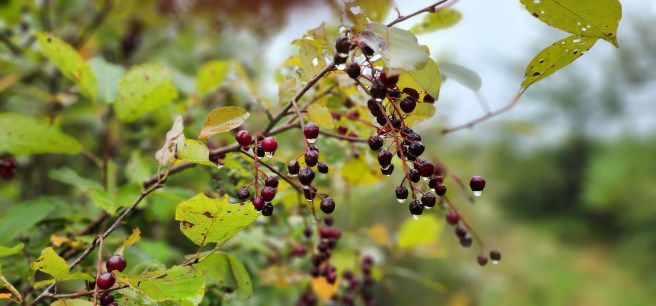
Lowbush, rather than high. Sunrise County is the world capital. This tray is about to be frozen for later use.
the North Atlantic at night
a distant lighthouse here and there
the Milky Way
dawn where I live
While I’m thinking about visuals, let me mention a few ways they’ve helped me in creating my novels.
Not to slight dialogue, even when you nail it, or, for that matter, narrative, but a visual detail can be a great way to spark attention in a character development or a scene. It can make a passage visceral. It can rescue a connecting passage that’s gone flat or leaving you floundering for just the right idea.
I don’t know about you, but my memory overlooks a lot of telling specifics in the history I’m investigating. It’s not just memory, either, but so much that should be obvious but we simply block from awareness. That’s where I’ve found photographs to be a great prompt. Sometimes they even provide data, as my Orphan George blog demonstrates in posts examining family photos, when they’ve been available. Other genealogists can weigh in on ways snapshots and portraits have provided crucial data.
Through many of my moves, I didn’t even have a camera. I have no shots of many of the people who were central in my life, not even some of the lovers or places I’ve inhabited. The shots can counter my tendency to idealize. A bit of grit can restore some reality.
In the process of writing and revising my novels, I began collecting photos from magazines or other sources as prompts. This character in my book (often they’re a compression of several real people) might look like the one in this photo or wear something in that. Or here’s a small-town square that would work. They even allowed me to reconstruct a darkroom for Kenzie.
The Internet, of course, has made this backgrounding much easier.
 Jnana's Red Barn