So here we are already in the month of May after what’s been an outright strange winter here in New England – and that’s even before we consider some broader and admittedly frightening American political developments. Whew! (I suppose.)
First off, those who scoff at the predictions of climatic instability should note that our region of the world just had its warmest winter on record, and while I’ve welcomed the break from shoveling tons of snow from our driveway, it comes at a price in terms of pests that would have normally been killed off and of perennial plants that took early hits as a result of false starts. I could point to my beloved fern beds or asparagus as cases in point, or the daffodils, which were poised to blossom when they were nipped by a night that dropped to 17 degrees Fahrenheit. It pains me to think of the way they buckled mid-stem and drooped. The only truly positive outcome I’d accept to date is the fact that our compost bin is not still frozen too tight to turn, sift, and spread on our beds. On the other hand, our state’s ski industry took a hard financial hit, affecting regions that already could use substantial relief.
As for maple syrup? I hate to think of the price tag when my current supply is emptied and it’s time for the next. It was a short run of sap from everything I’ve heard.
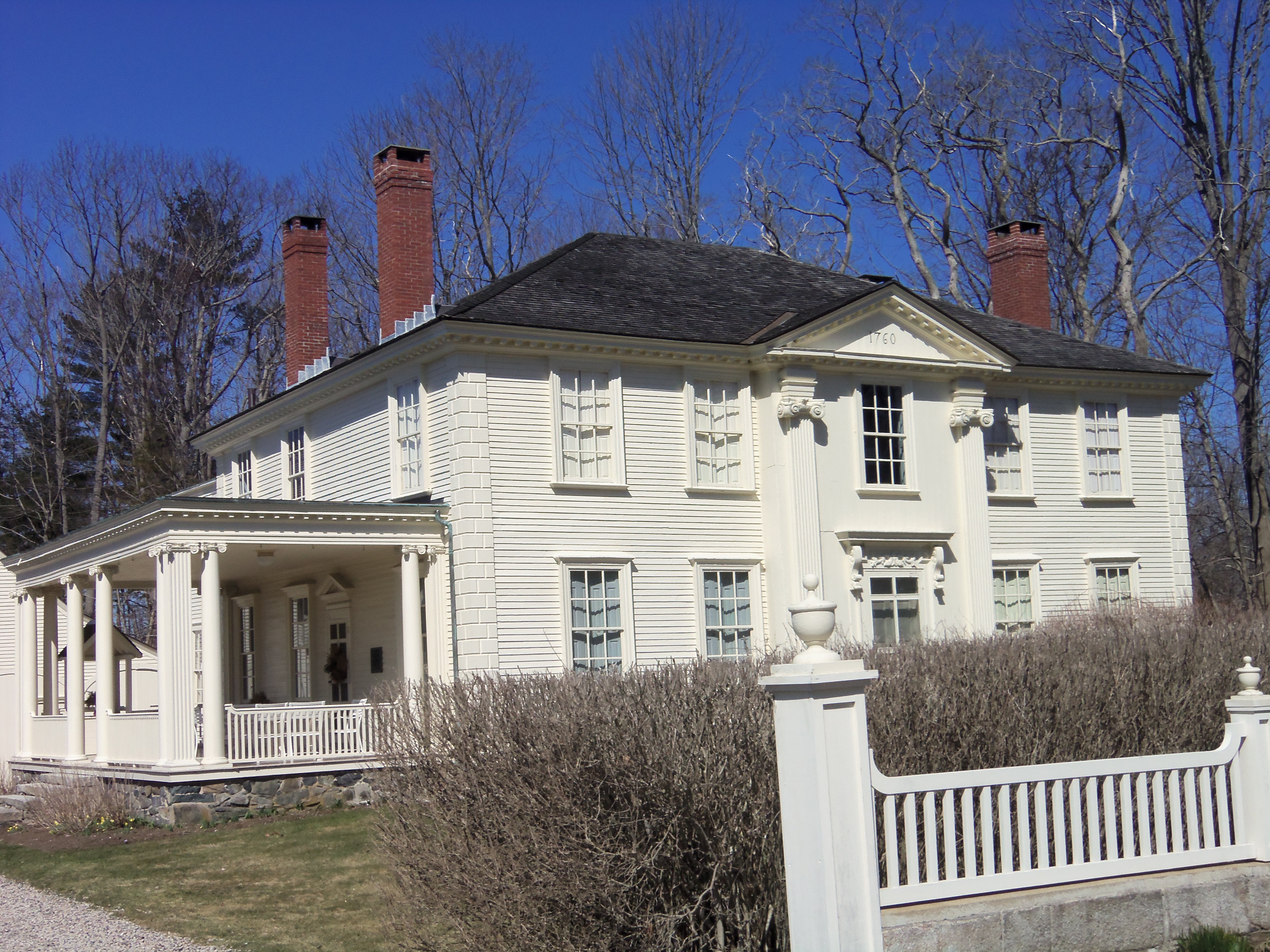
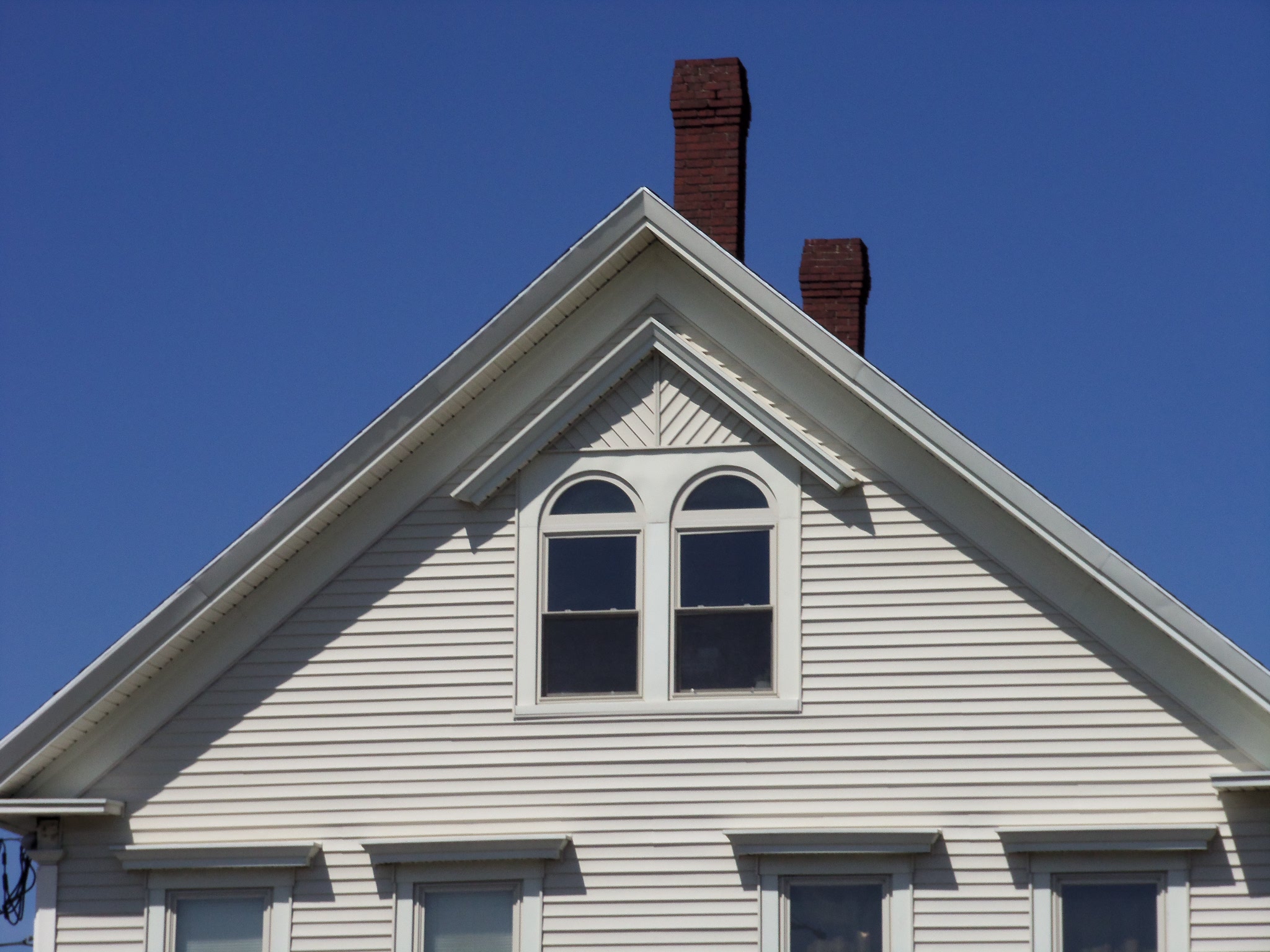
When I call this an nontraditional winter, I should add that I’ve been in the midst of some major home maintenance and interior remodeling, which I’ll detail in future posts, along with some other dramas of a more private nature. Family’s what it is, after all, along with some public affairs of a more local nature. Oh, yes, we had to go without supplementary wood heat, at least until that chimney’s fixed. Have I said anything about household expenses and supporting finances?
None of that’s kept us from looking ahead to summer, even if we wound up getting many of the seedlings started later than we would have liked – we did, after all, get the portable shelves and grow lights up in what’s otherwise our front parlor (aka the “library”) and then delighted in watching the green sprouts appear. At least until the next shock.
What we hadn’t previously encountered was aphids, first in the peppers and then the basil before they spread as far as my African violets. We’ve been using a soapy spray as an organic counteraction, but it’s still unsettling.
At least our early peas are in the ground and looking happy as they pop their heads up underneath their elegantly stringed frames in the side of our yard we call The Swamp.
As I draft this, James Levine is making his final appearance as music director of the Metropolitan company in Manhattan and from the overture of Mozart’s “Abduction from the Seraglio” as I listen to the broadcast, let me add my vote to his laurel as the greatest opera conductor ever. The details, to my ears, are amazing. All of this takes me back, too, to our shared roots in southwest Ohio and rumors of his budding talent. So much as transpired since then.
Random impressions, then. Now, back to whatever is in front of us!