A PILLAR OR MILESTONE

When I was asked to write a newspaper column two or three times during my senior year of college, I chose – out of the blue – to call it “A Corinthian Column.” Maybe it was just a quirky play on words, crossing the distinctive Greek architectural element with a then very vague sense of New Testament or even prophecy. At the time, my faith was somewhere between agnostic and logical positivist – and vehemently anti-Vietnam war and, to a milder extent, anti-Christian. Yet when someone asked, “Where do you think you’ll wind up, as far as religion goes?” I blurted, “Probably something like Zen-Quaker” – this, when I had little idea of either practice or, for that matter, the way that becoming a yogi a few years later would lead me here in the radical Christian sphere.

Decades later, being nominated to serve as clerk of our meeting had me feeling a similar sense of embarking anew. I could list a hundred reasons why I shouldn’t be clerk. First confession: my motto tends toward “Just do it,” and I worked under relentless daily newspaper deadlines. Either way, this means my patience easily wears thin in many Quaker business sessions. Process? I also wish we had a better system of upholding of our community than committee work. Even so, here we are, all the same.

In the interim, Corinthian Column abbreviates to “C.C.” – the same as Clerk’s Corner. When I set out, I intended to draft some short pieces for the congregation’s newsletter – holding each to just three paragraphs – for upcoming issues. Collect random thoughts on our practice, especially. Maybe even without much (overt) theology. So here’s what happened, Friends. Rarely did it hold to just three ‘graphs, though I usually kept it under a page of copy.

What has surprised me is the way these became pastoral letters after all, much the way the Apostle Paul did, in his own letters to the Corinthians. Yes, I largely avoided the theology, unlike Paul, though I address it elsewhere. The effort of living as a community of faith is interesting enough, as it is.

~*~

You may have guessed many of those newsletter items have now resurfaced in one guise or another here at the Red Barn. My intent this time is aimed at encouraging your own spiritual exploration and growth and possibly even some mutually enhancing discussion of how one tradition can infuse new life or understanding for another.

I love hearing of similar encounters from other directions.

MORE GREETINGS FROM THE PAST

As I wrote to a long-lost friend at the time …

Maybe it was the James Tayler concert broadcast from Tanglewood at the end of August, as I sat in the newly accessible and lighted loft of my barn and sorted through some files that had been long packed away. Maybe it was the martini that accompanied it. Or maybe it was simply an aspect of a larger interest these days, of simply trying to figure out how I wound up here after what’s often seemed a zig-zag journey through some rather disparate circles across the continent – a route that’s included divorce, a broken engagement, and finally a second marriage approaching 10 years now.

What I felt was a keen appreciation for you, especially, and Maggie and Ise, wondering how your life has prospered and, hopefully, deepened. Glenn got in touch with me a few years back, when he and Mary moved to a cabin in the New Jersey woods … and she didn’t drive. Am not sure she does yet, either.

At any rate, thanks to the Internet, I find two versions of your name both at the same address – can’t be too many who earned their law degrees where you did or started practice in that year. So here’s hoping.

If nothing else, I ought to thank you for introducing me to The River. Or should I say the ritual of repeated returning to The River for periods of introspection and, pardon the pun, reflection? That year of the Susquehanna; later, the irrigation canal bank in the desert orchards of Washington State and then three years along the Merrimack here in New Hampshire. Or the Cocheco, with its waterfalls that drop down just before passing through a stone arch in the big brick mill in downtown Dover. These days, it’s also the Atlantic, especially when my older one’s managing the seaside motel. This has been my summer for discovering the night ocean in all of its moodiness and mystery.

And now, revisiting my journals (which didn’t even start out to be journals, as I discover) as well as letters from the period has been eye-opening, and often delightful. What I remembered as being an essentially depressed period for me was filled with a lot of wonderful encounters and growth. To say nothing of humor, especially Maggie’s. And there’s so much I had forgotten, or that turns out to be different from my memory. More than ever, I think our Hawley Street (and subsequent apartments) would have made a better sitcom than Friends. Nor could anyone have played you better than you. Maybe Cosmo Cramer would have portrayed me. As for Glenn?

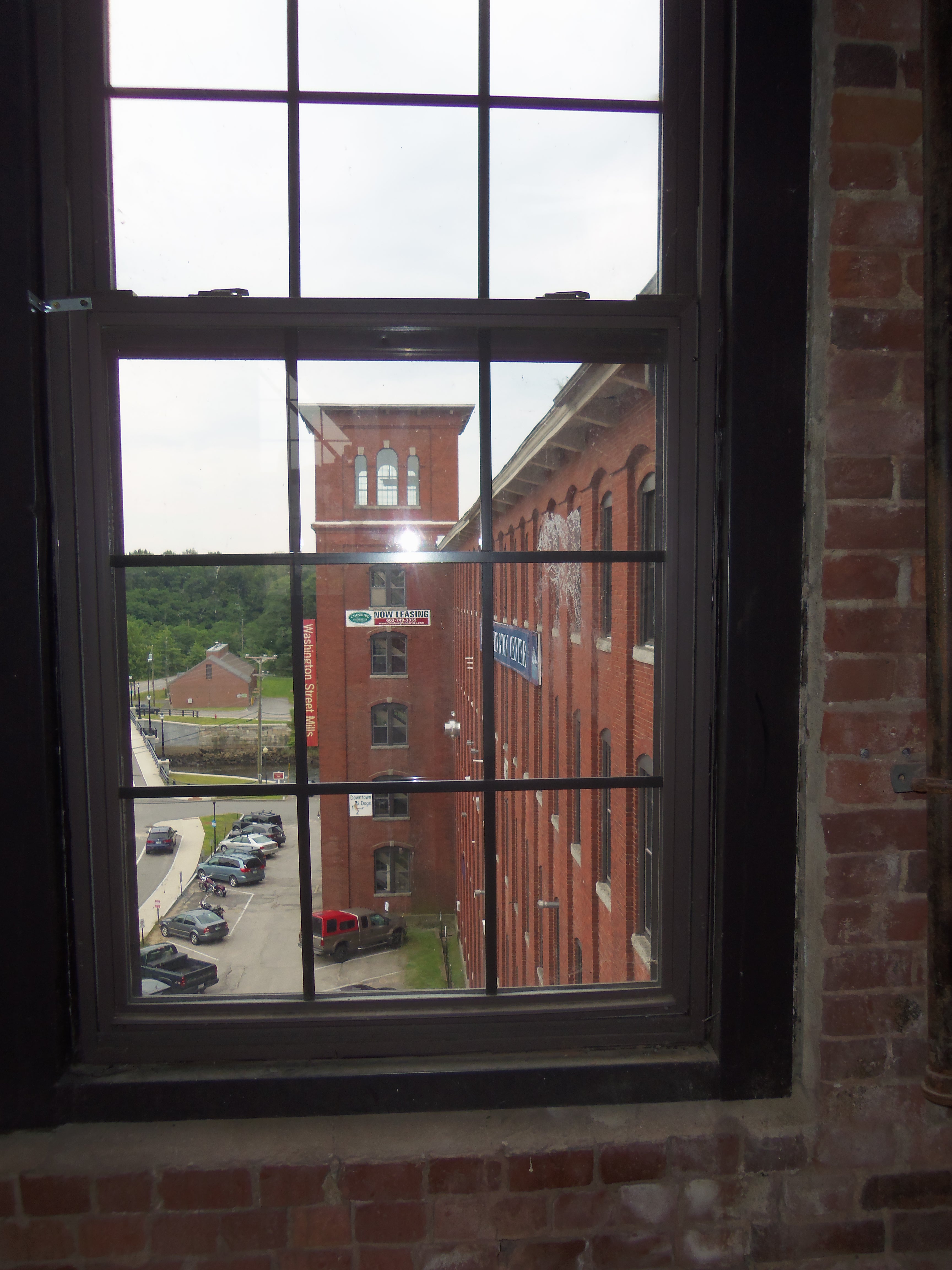
Life these days is, I must admit, even fuller, but that’s a long story. My wife’s an incredible woman who’s off seeing an architect at the moment about moving a charter school to the ground floor of one of our old mills, a lovely space overlooking the bend in the river where ships used to dock. (Right now the school’s on the fifth floor next door, with some amazing views of the town.) It’s just one of her (unpaid) jobs as chairman of the board. … Such as it is.

I’m hanging on, glad to have a union card, and wondering how much longer the entire industry can continue to give away the product online. Professionally, it’s been grim all over. Without planning to do so, about 24 years ago I made the decision not to continue in the management ladder but return to the ranks – something that’s allowed me to focus instead on my own writing, Quaker practice and leadership, and a personal life, including New England contradancing and choral singing, on occasion. And homebrewing, at least until we redid the kitchen. Etc.

Well, that’s a sketch from this end. I hope you’re in good health, feeling accomplished and fulfilled, and maybe even content. I would love to hear from you, however briefly – and maybe even give my wife an independent account of our by-now ancient history.

Best regards …

ALL THE EXTRA TOUCHES ADDED UP

Another of the nation’s once-remarkable papers was the Des Moines Register. It assumed a thoroughly statewide focus, with locator maps pointing out where many of the communities were and an amazing ability to note where anyone mentioned in a national story had ever lived anywhere in Iowa. The front page had an old-fashioned, authoritative appearance with a prominent, staff-produced editorial cartoon and block-letter capital-letter banner headline. I appreciated the frequency of national and international stories that carried the byline, “Combined Wire Services,” meaning a copy editor had spent several hours comparing Associated Press, United Press International, New York Times, and other dispatches to glean details to rewrite into a more comprehensive report. All of that, of course, cost money.

Statewide newspapers began cutting back as the costs of distribution soared, combined with a recognition that nearly all of the advertisers – the principal source of revenue – were aiming at only the major metropolitan area.

It wasn’t just statewide coverage, either, that has been curtailed. Most of the biggest papers have since shuttered their foreign offices and cut back on national reporting, as well.

You can as easily say they’ve cheapened the product, but that’s a longer term issue.

~*~

For a surreal, playful, and often gallows-humor trip within one young and ambitious newsroom, pick up my novel, Hometown News.

Hometown News

CAPITALIST INTERVENTION

You know the Front Page tradition. But how much do you see about behind-the-scenes reality where newspaper reporters and editors are instead besieged by the very corporations that have gobbled up newspaper after newspaper, and city after city? My novel follows a band of idealists recruited to a family-owned newspaper by the promise of professional excellence and a competitive spirit. Through ever-more demanding workdays and a twist of fate, they ultimately overpower a monolithic neighboring rival, only to see their smiling publisher sell out to a media conglomerate. As their moment of glory disintegrates into surreal management games, unethical directives, and excruciating budget cuts, they struggle to save as much of their hard-won victory as possible – and painfully come to know themselves, their trade, and their neighborhoods in a much different light than they had just months earlier.

Hometown_News

~*~

To find out more about Hometown News or to obtain your own copy, go to my page at Smashwords.com.

LADY PEPPERELL’S CORNER

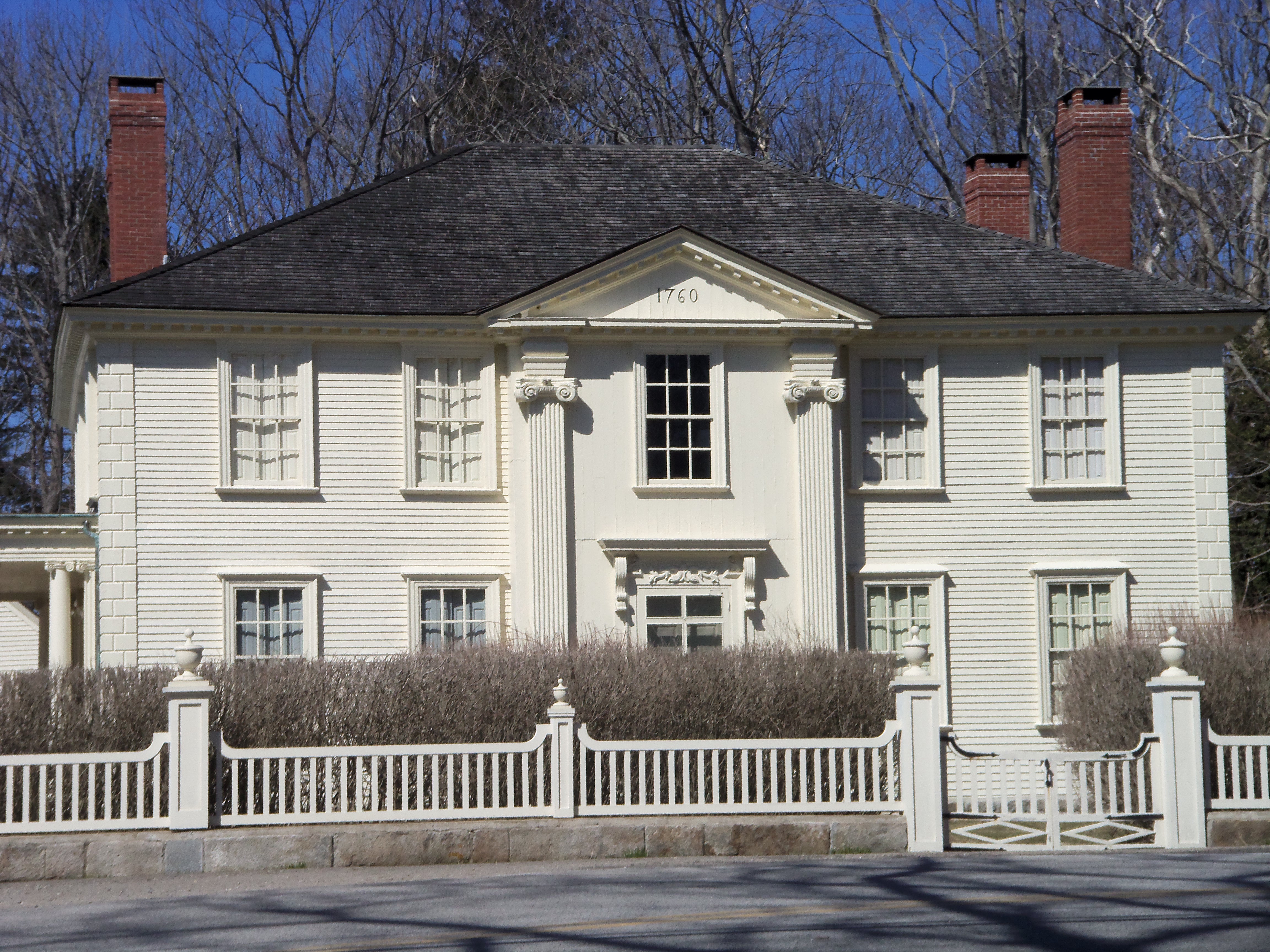
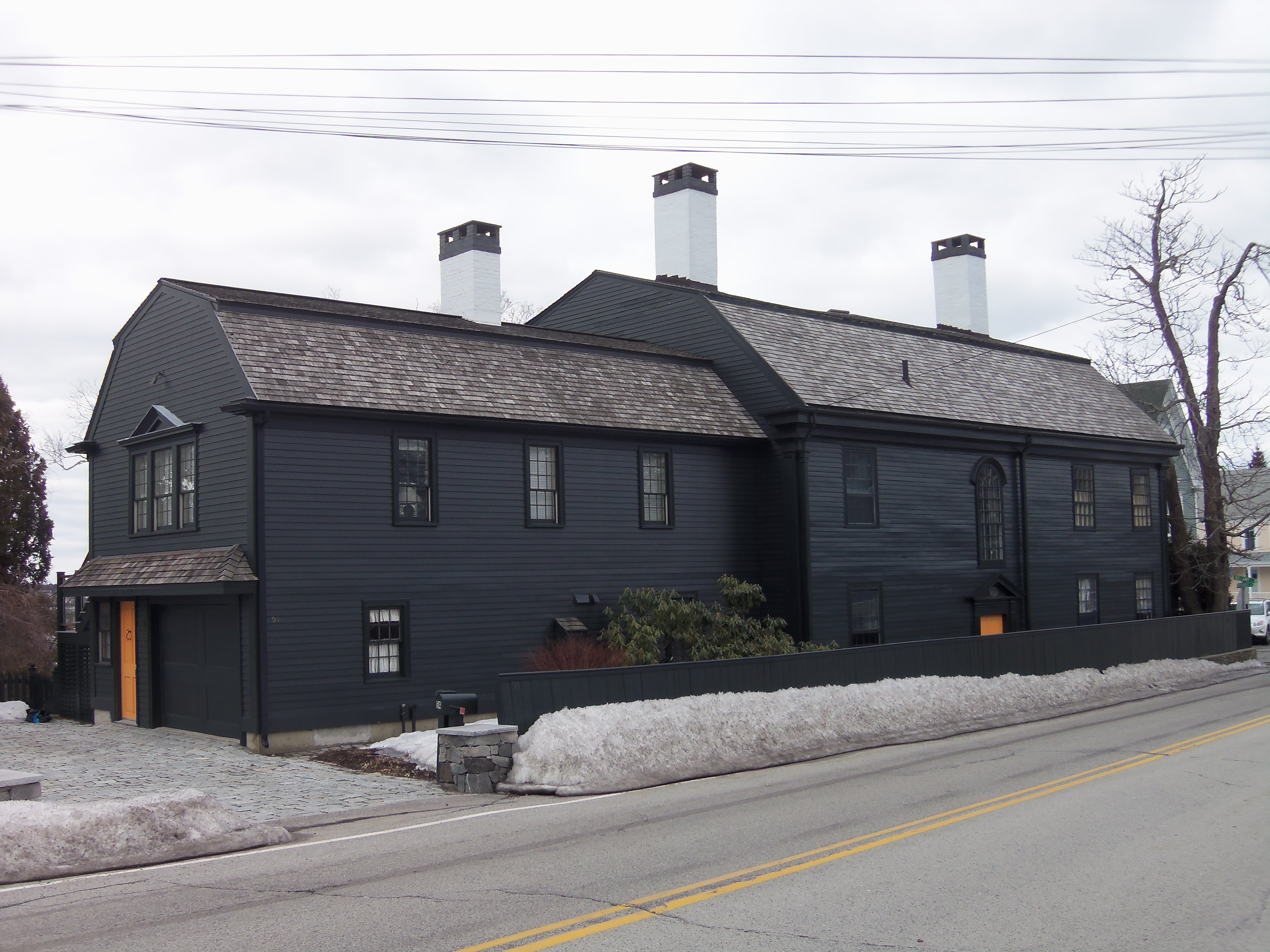
Classic symmetry.
Classic symmetry.
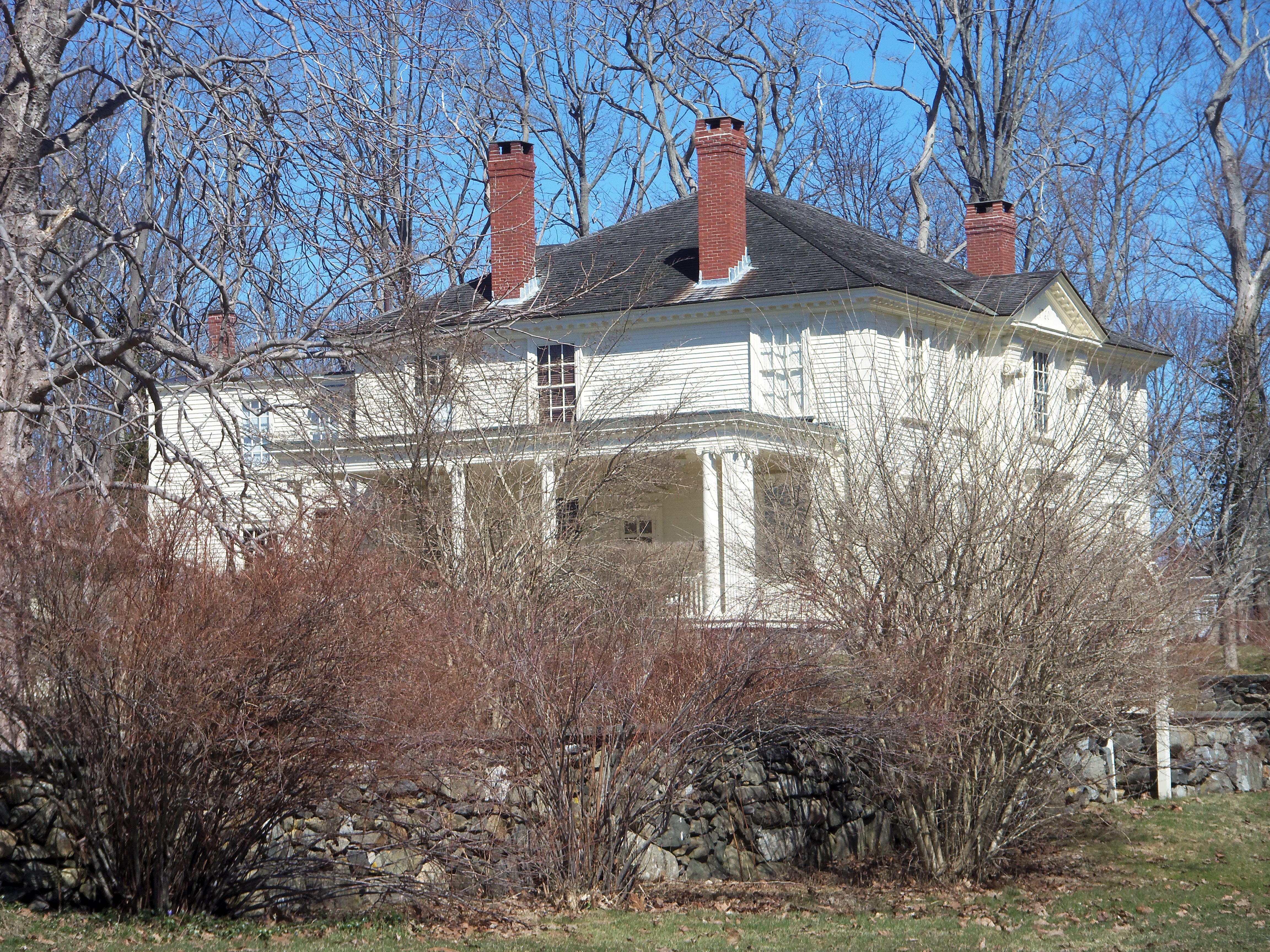
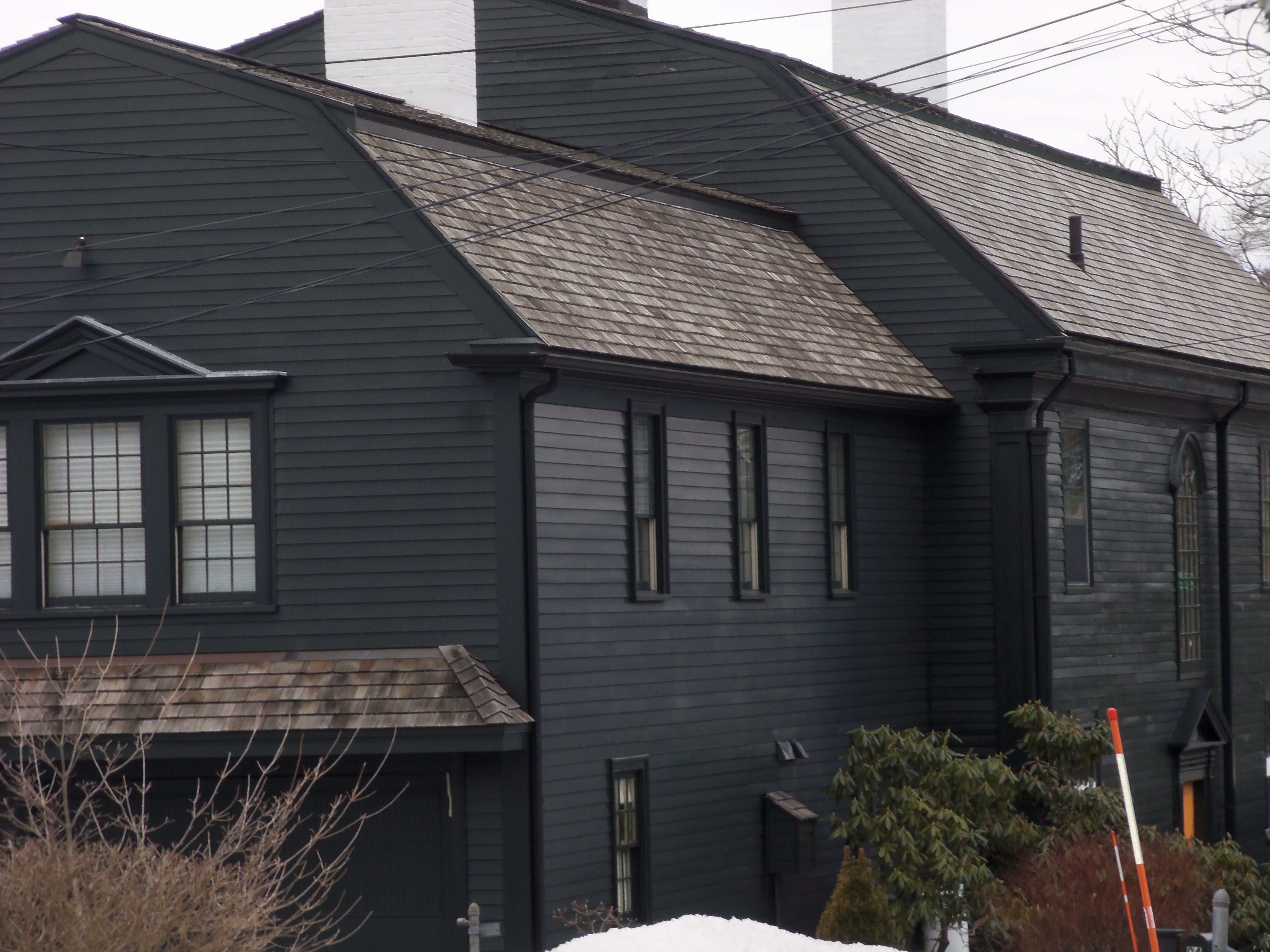
The mansion has four chimneys, rather than one, plus a porch looking toward the river.

This “dower house,” a Georgian gem built in 1760 by the newly-widowed Lady Mary Hirst Pepperell, sits at a sharp turn in the road a mile from Pepperell Cove in Kittery, Maine. Through her Bostonian roots and marriage, she was one of the richest, most powerful women in New England.

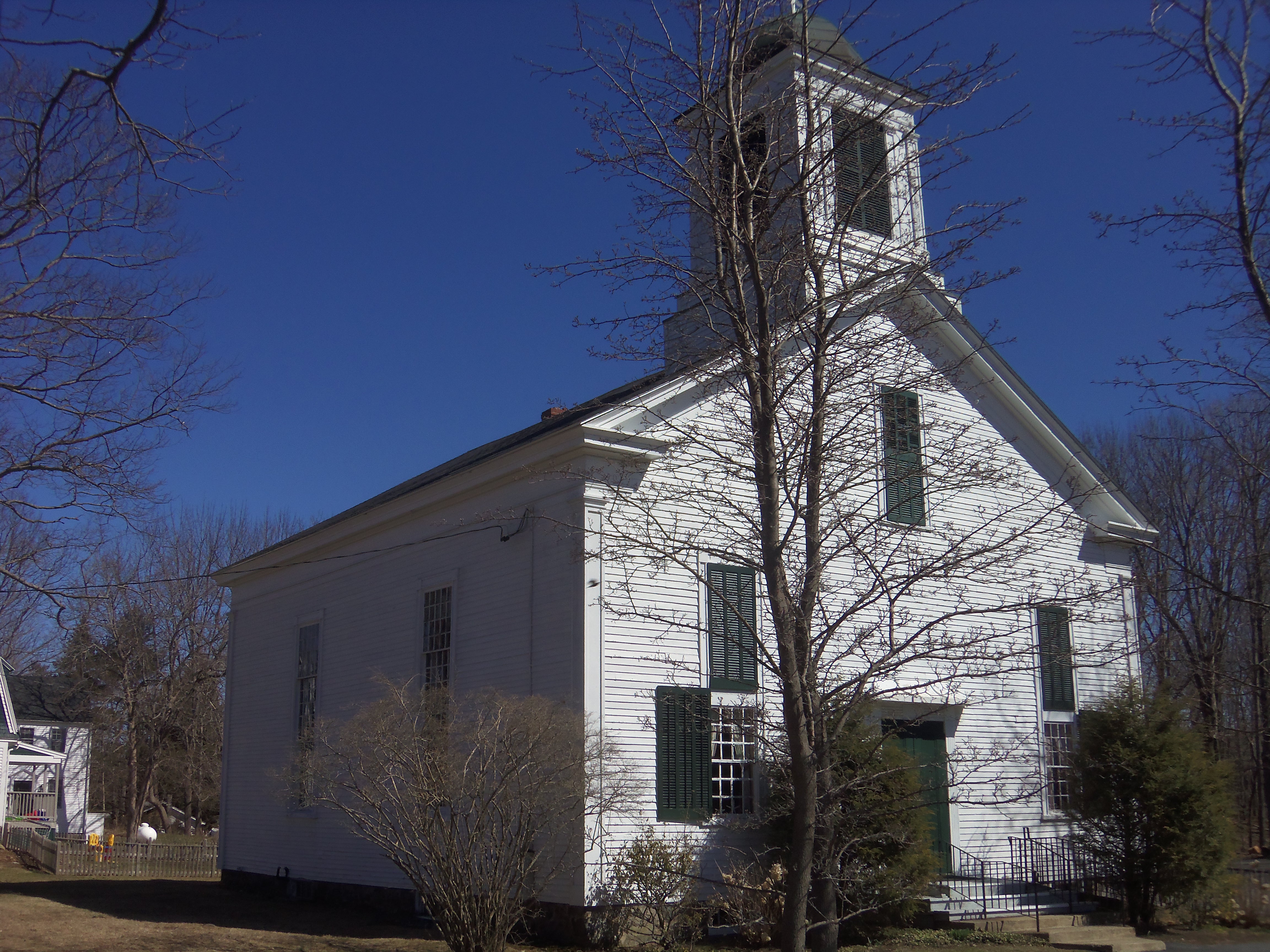
The mansion faces a Congregational church built in 1732, the oldest house of worship still in use in Maine.

Across the road.
Across the road.


OLD PEPPERELL AND BRAY

A Palladian window stands over the doorway.
And to think, the Pepperell mansion was once larger.
Imposing, especially for its era.

With its shelter on the tidal Piscataqua River and proximity to the Atlantic, Pepperell Cove in Kittery, Maine, is a scenic marina these days, for both working fishermen and leisure-time sailors. It was originally a hive of shipbuilding as well.

The docks are reached by the lane beside Sir William Pepperell’s 1733 gambrel mansion.

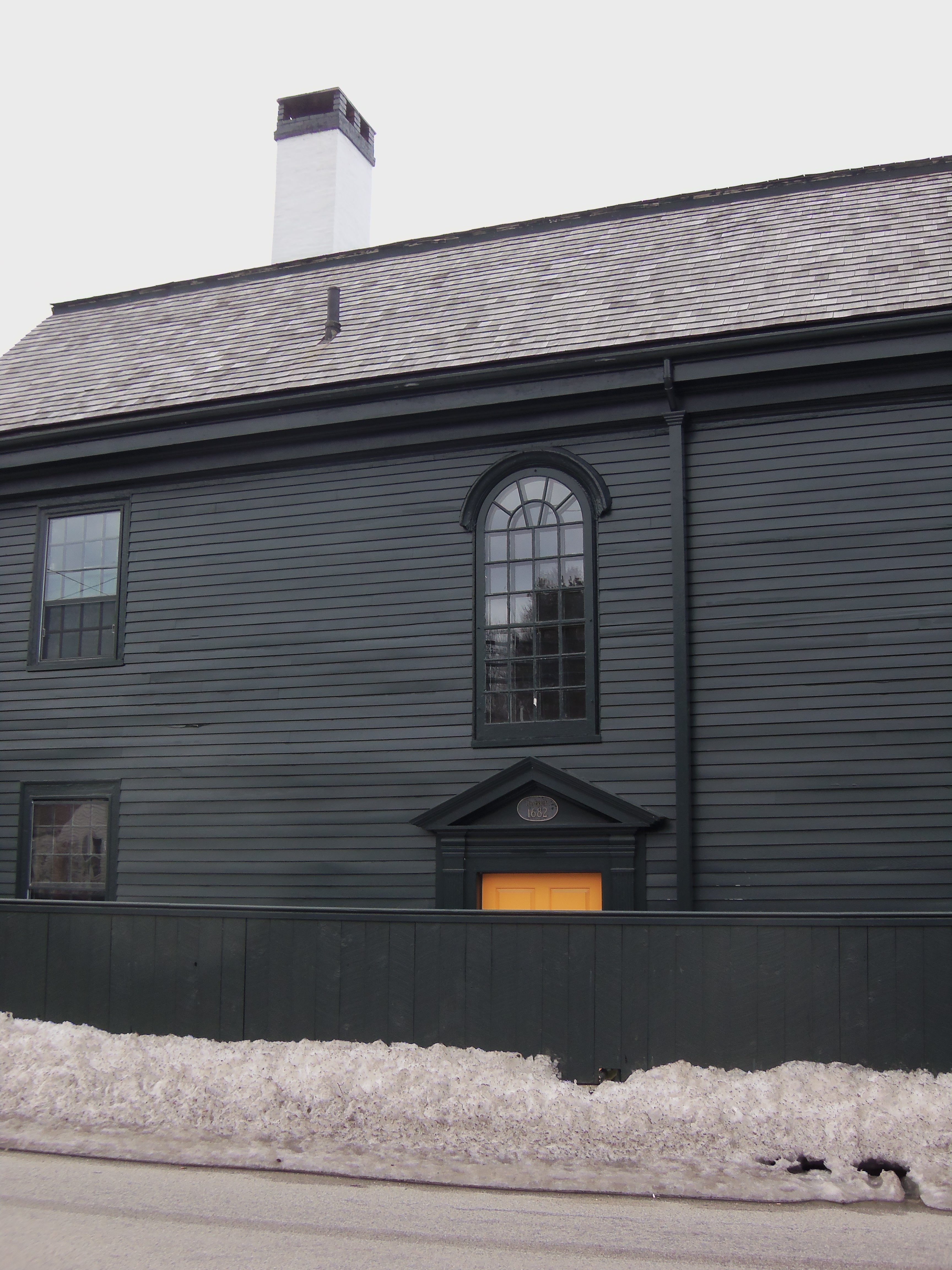
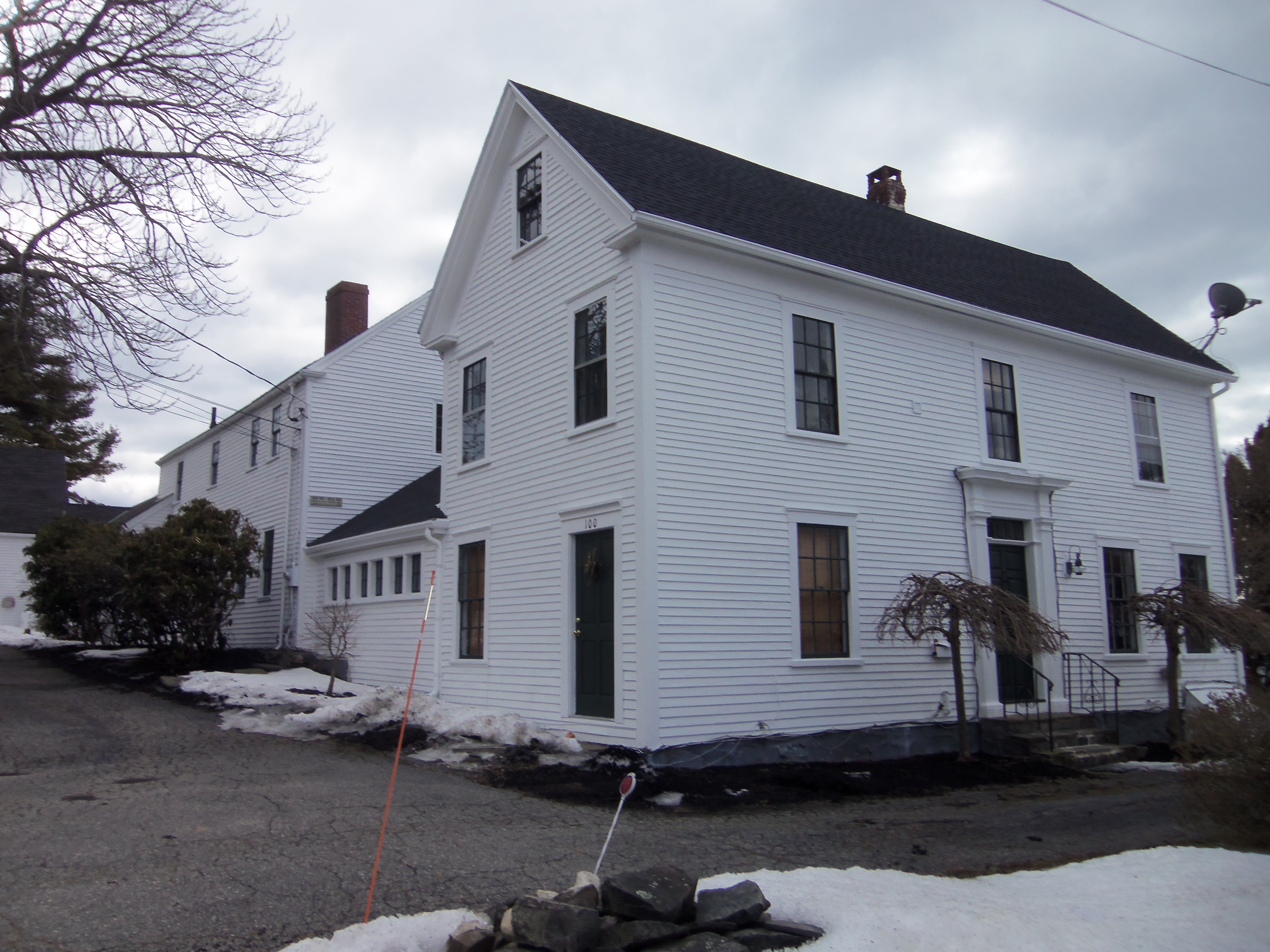
It’s adjacent to 1662 John Bray house, considered the oldest surviving residence in Maine.

The oldest part of the Bray house is the two-story left section.

CALICO AS COCHECO

Calico – cheap cotton cloth printed in a figure pattern of bright colors, as the dictionary says – was a renowned product of the Cocheco Millworks in Dover, New Hampshire.

The city was not alone. Throughout New England, red-brick mills clustered around rivers seemingly anywhere a dam could be constructed – sometimes leading to factory compounds more than a mile long, like those at Lawrence, Lowell, and Manchester (itself famed for its denim, which gave rise to San Francisco-based Levi Strauss).

Sometimes, the operation would be much smaller, supporting little more than a village.

Upstream, existing ponds were enlarged to guarantee sufficient water flow through the year. Altogether, their commerce left its imprint on the landscape and its character while financing the legacy of the Boston Brahmins.

Likewise, the rain and snowfall flow through many of my poems. It’s not just water over the dam on the Cocheco River, after all, that’s noticed.

INSIDE THE MILLWORKS

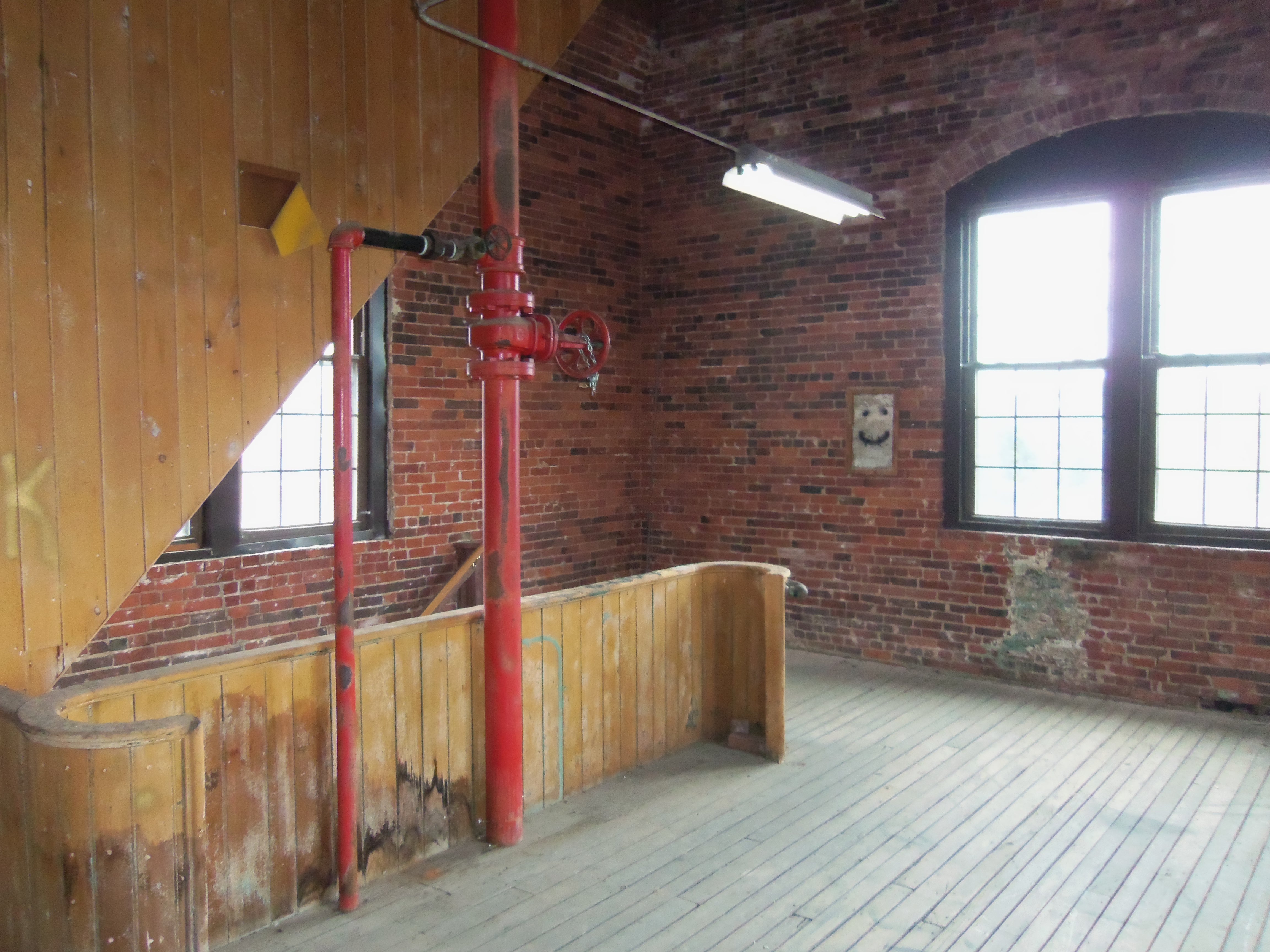
I can imagine living in one of the towers, as one central character does in one of my yet unpublished novels.
I can imagine living in one of the towers, as a central character does in one of my yet unpublished novels.
One to another.
One tower viewed from another.
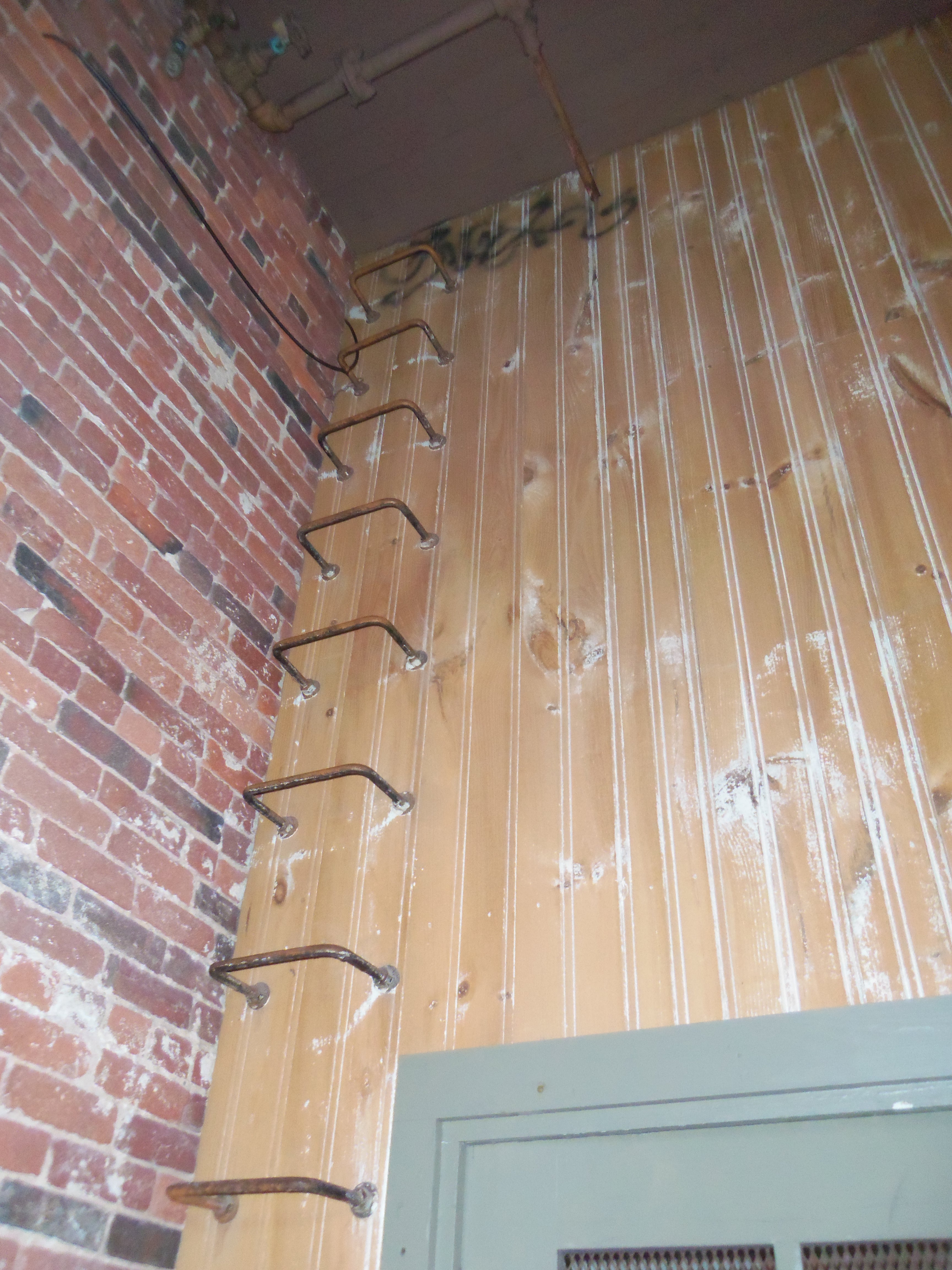
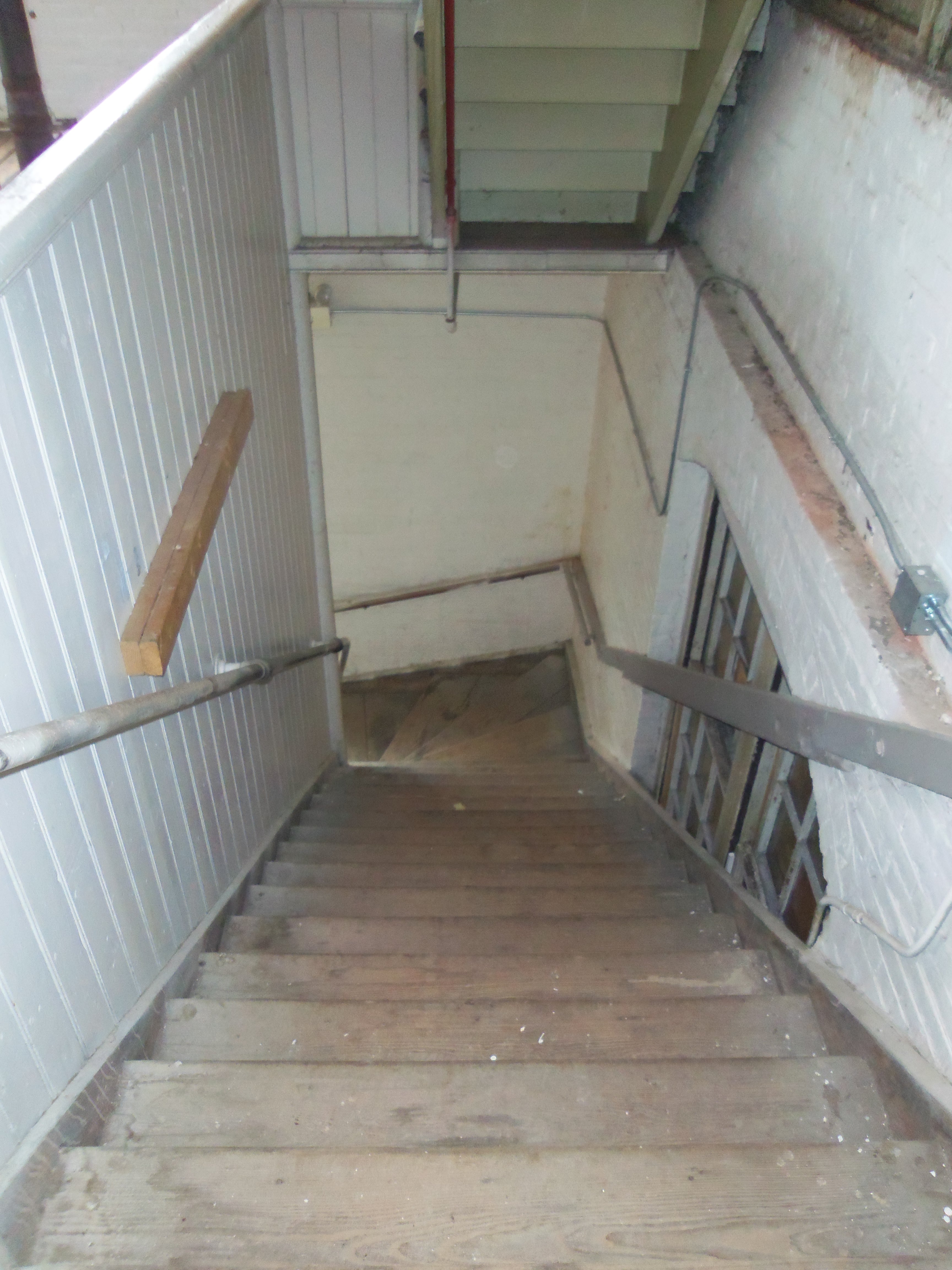
You could go climbing the walls.
Or head for the street.
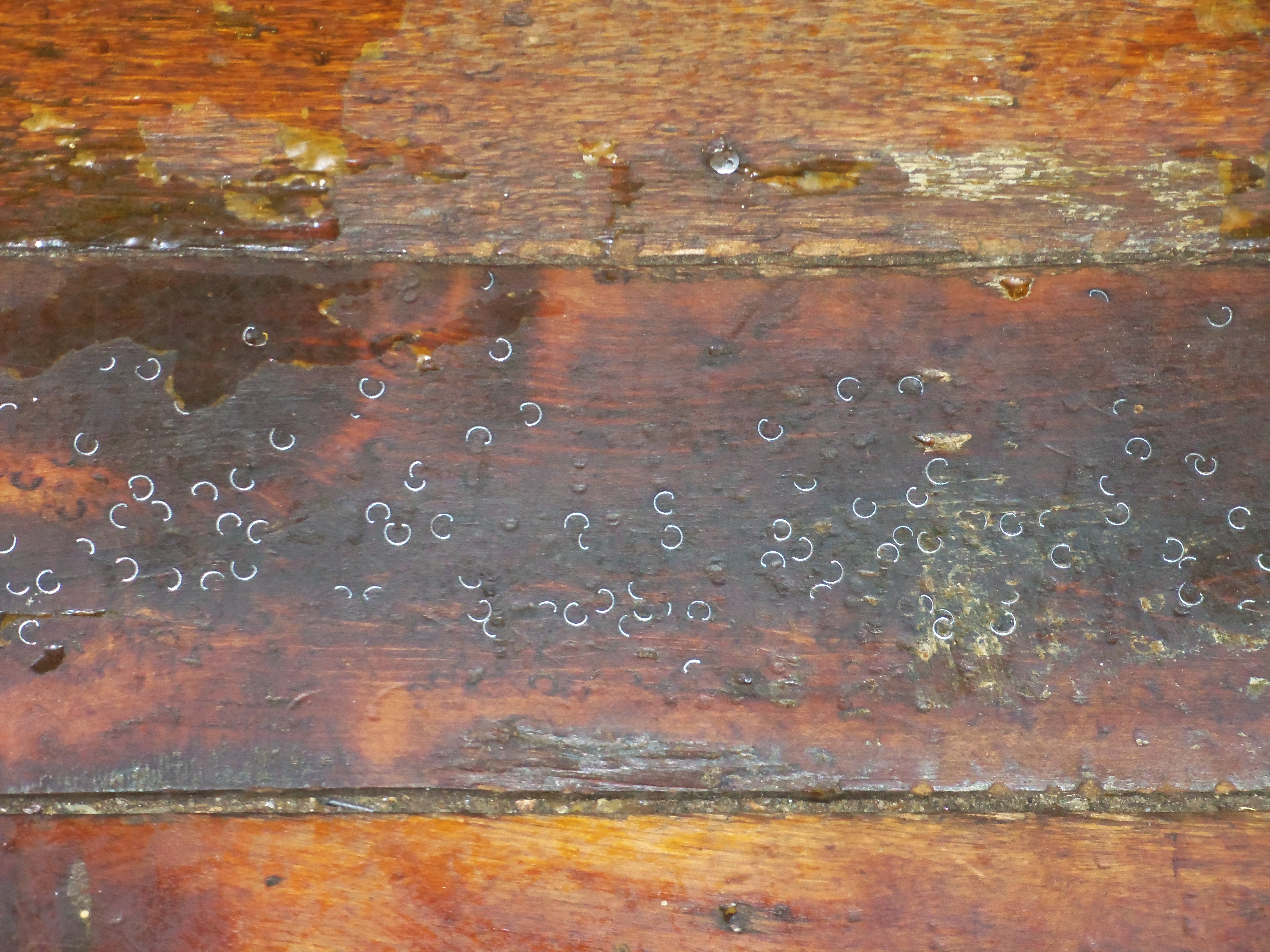
The old floors are fascinating, reflecting years of use. Often, they're embedded with the impressions of grommets or other materials that fell in the course of labor.
The old floors are fascinating, reflecting years of use. Often, they’re embedded with the impressions of grommets or other materials that fell in the course of labor.
The pulleys and other details overhead can be just as intriguing.
Summer relief, however inefficient.

OVERLAPPING TIME AND SPACE IN NEW ENGLAND

When my private-time writing returned to poetry shortly after relocating to New England three decades ago, my attention turned to this unfamiliar place where I was now living. Quite simply, it felt much different than any of my previous locales, and the spirit of specific locations has always been a central concern in my literary ventures.

My personal writing has often been a way for me to assemble thoughts and impressions. In many ways, it’s the way I work through a problem or gain focus on an issue. So when it came to the exercise of looking at my new environment, I soon envisioned a set of poems along the line of a monthly almanac or even a calendar of words rather than color photographs.

I’ve long had a fondness for those large monthly calendars anyway, and by the time I got serious in pushing the almanac, I had a good selection of images to draw from as additional inspiration. Just what images does the region conjure up, anyway?

That’s when New England’s famed Winged Death headstone engravings came into play, and each month began to compress the overlapping centuries this corner of the United States embodies – more so than other parts of the nation, at least.

Winged Death 1New England also has a strong tradition of authority and dissent. The Puritans, after all, came to these shores in their dissent from the Church of England, and Samuel Gorton, Roger Williams, Anne Hutchinson, and their followers in and around Salem, just north of Boston, were soon challenging the Puritan hegemony before being banished, in waves, to Rhode Island. Early Quaker firebrands were soon adding to that upheaval, and that’s included in my spiritual legacy.

What emerged from all this is a craggy, even Baroque, collage that reflects the evolution of the Yankee character in its landscape of harbors and mountains. It’s now available as a free PDF as my latest Thistle/Flinch edition. To read more, click here.

BEHIND THE HEADLINES

Hometown News goes behind-the-scenes in the ways decisions are made in reporting the daily life of a seemingly pedestrian community – the kind of place where many of us grew up or perhaps resided. Focused on a family newspaper as it moves to a new generation of leadership, the novel builds on the aspirations of a core of young professional journalists. They share the ideal that aggressive reporting will foster grassroots democracy and an entrepreneurial vision as well as a widespread, healthy community. At most of the nation’s 1,500 daily newspapers, however, the bottom-line corporate outlook has meant that newsroom resources were squeezed to fatten corporate profits, even before the Internet began to erode paid readership. In that business model, readers and advertisers both got less and less for their money, and lively news from the neighborhood went untold. Unlike the Front Page tradition, today’s editors and writers have been stymied more by corporate bean-counters within than by Public Enemies without.

Hometown_News ~*~

To find out more about Hometown News or to obtain your own copy, go to my page at Smashwords.com.