MOSES CARTLAND

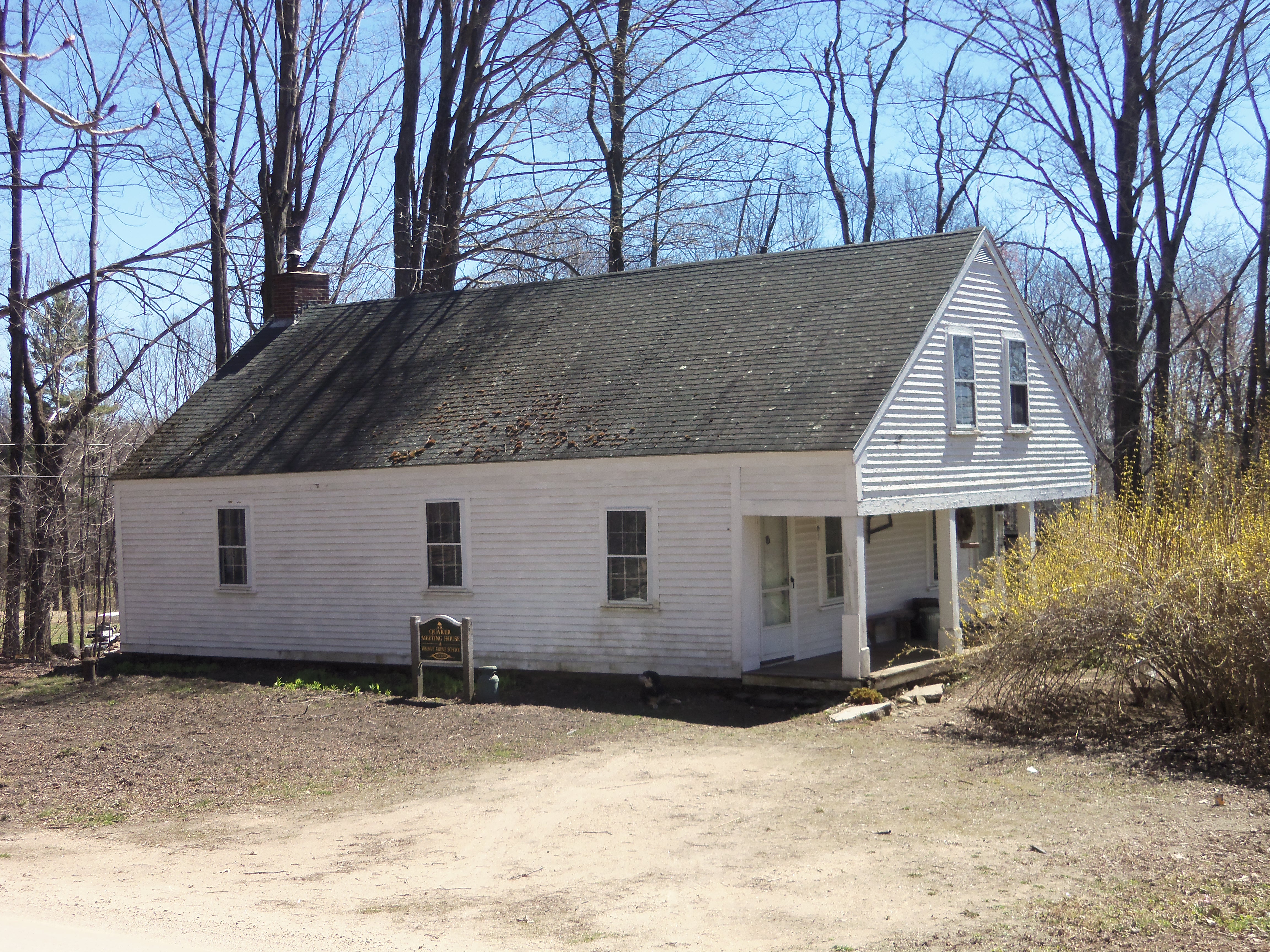
The Quaker meetinghouse doubled as a school

A pioneering educator, Moses Cartland taught in this combination school and Quaker meetinghouse at his family’s farm in Lee, New Hampshire, after previously establishing the Clinton Grove Friends school in Weare. A staunch abolitionist, he was also a founder of the Republican Party in New Hampshire and a candidate for the U.S. Senate.

Moses and his cousin John Greenleaf Whittier were closest friends and lifelong bachelors, at least until Moses married one of his students – who was also a cousin. Although considerably younger than Moses, she predeceased him.

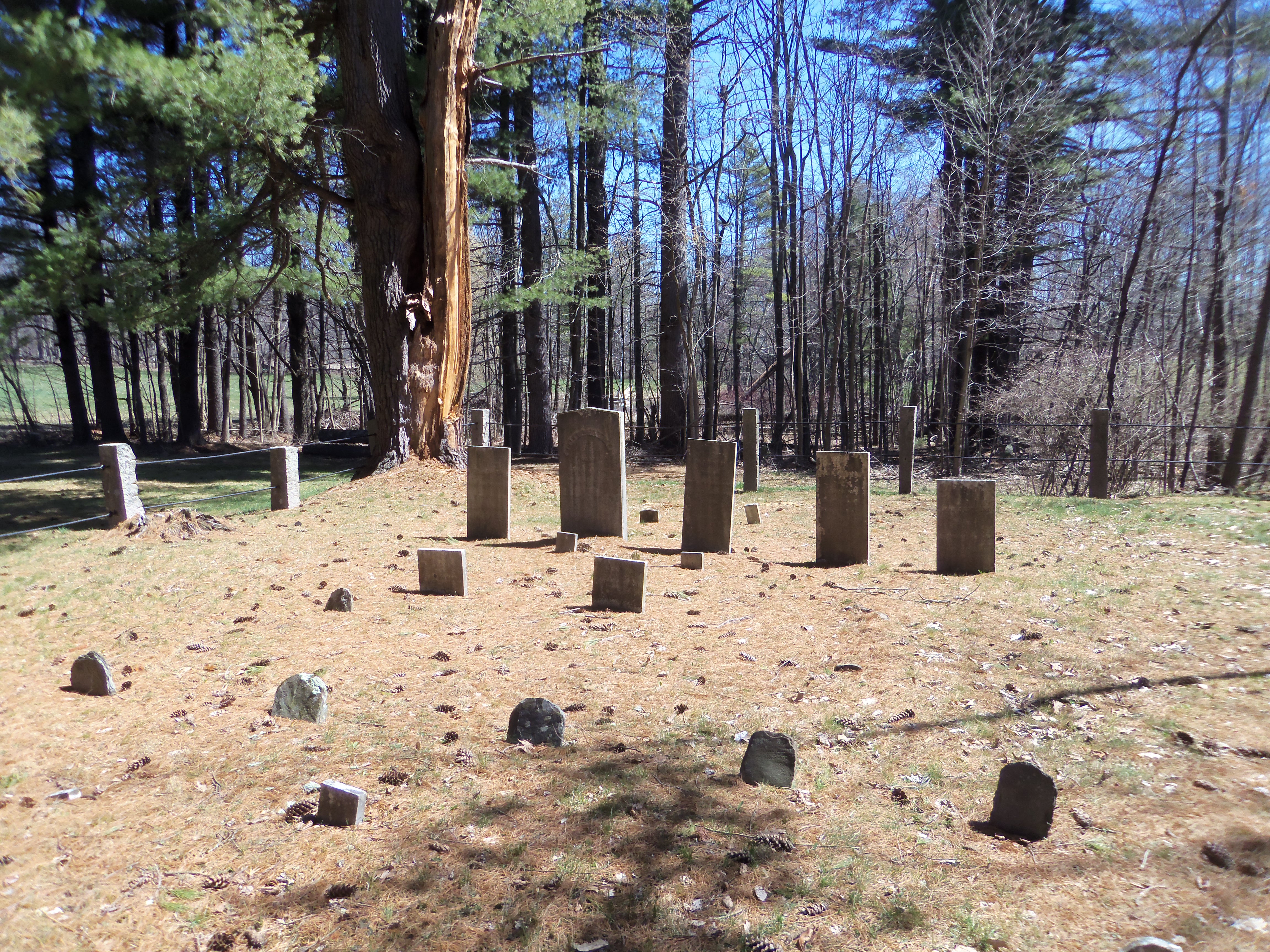
The family burial ground.
The resting spot is in the right side of the view.

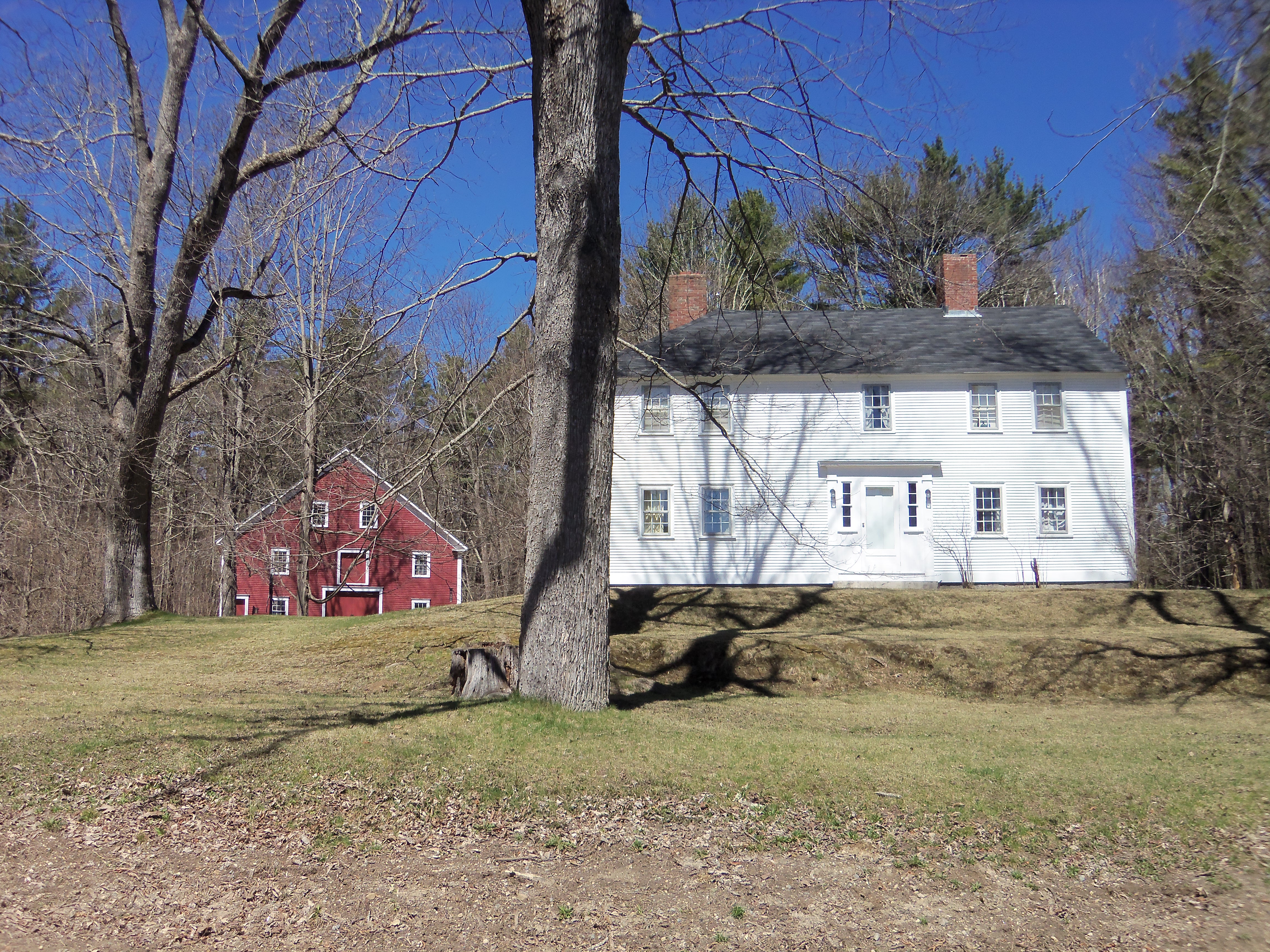
WALNUT GROVE

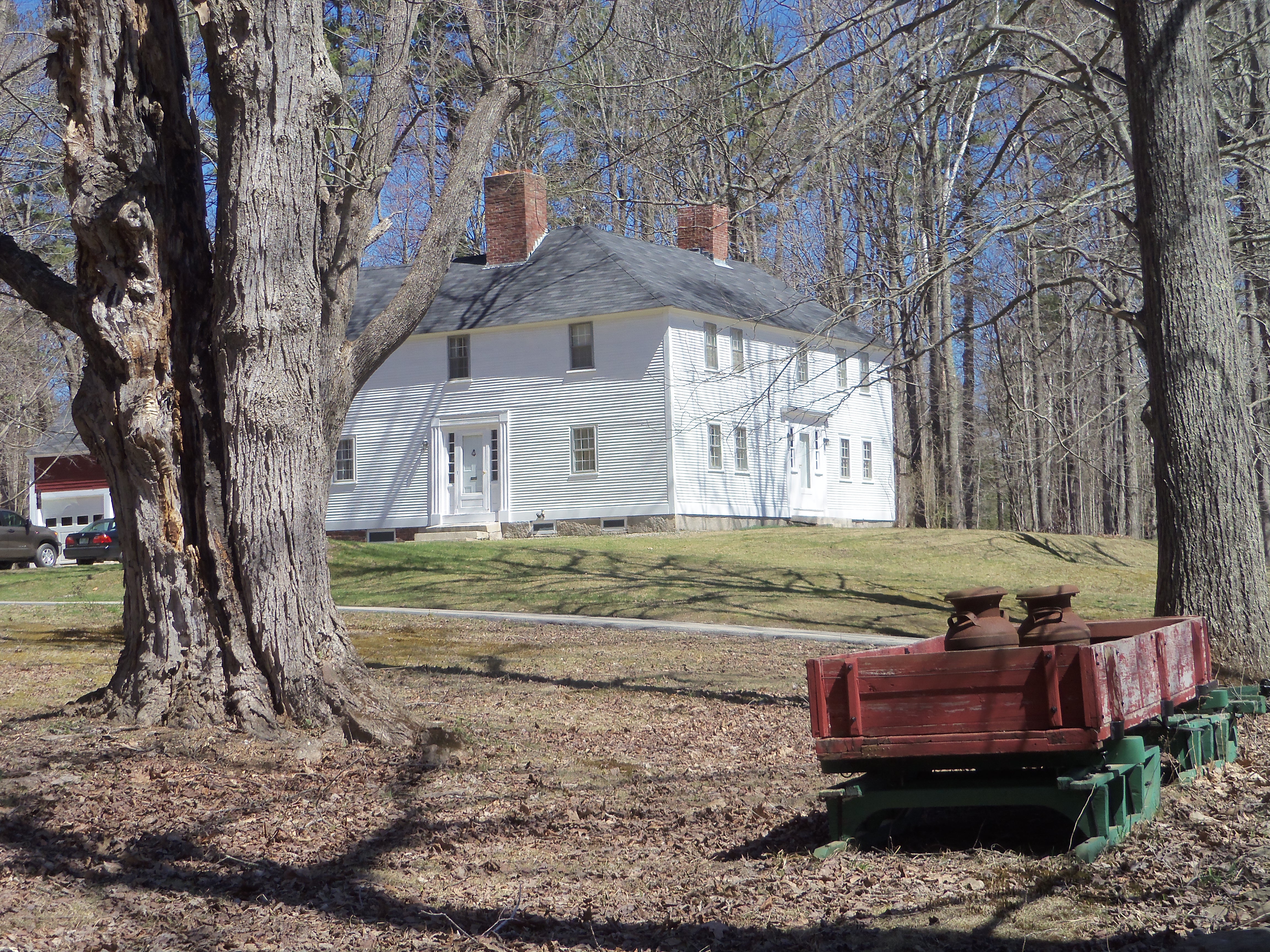
Still imposing.
Still imposing.

The Quaker Cartland family built a prosperous farm in Lee, New Hampshire. Their house was a stop on the Underground Railroad, carting escaped slaves to freedom.

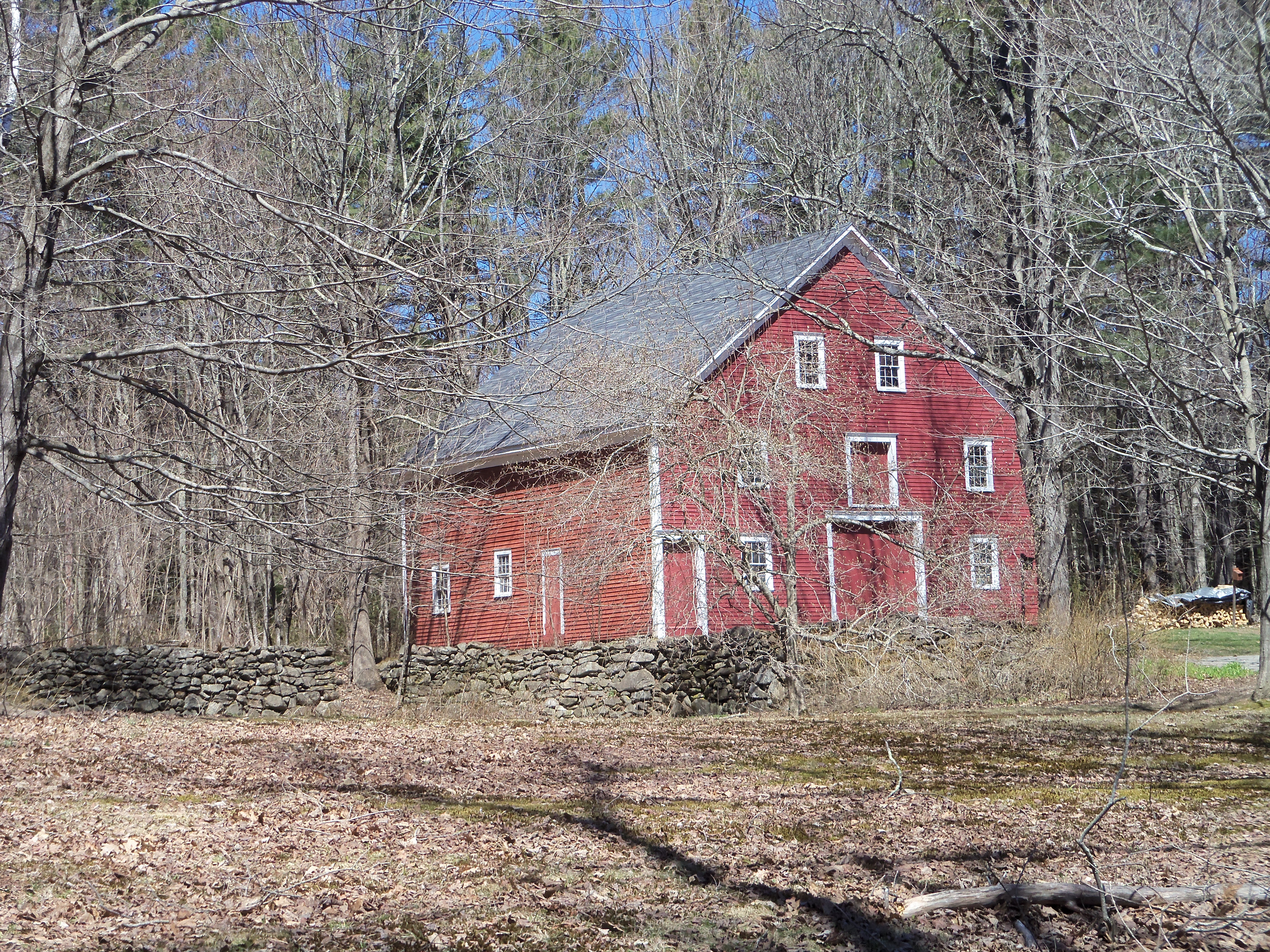
All in good order.
All in good order.
We approve of red barns.
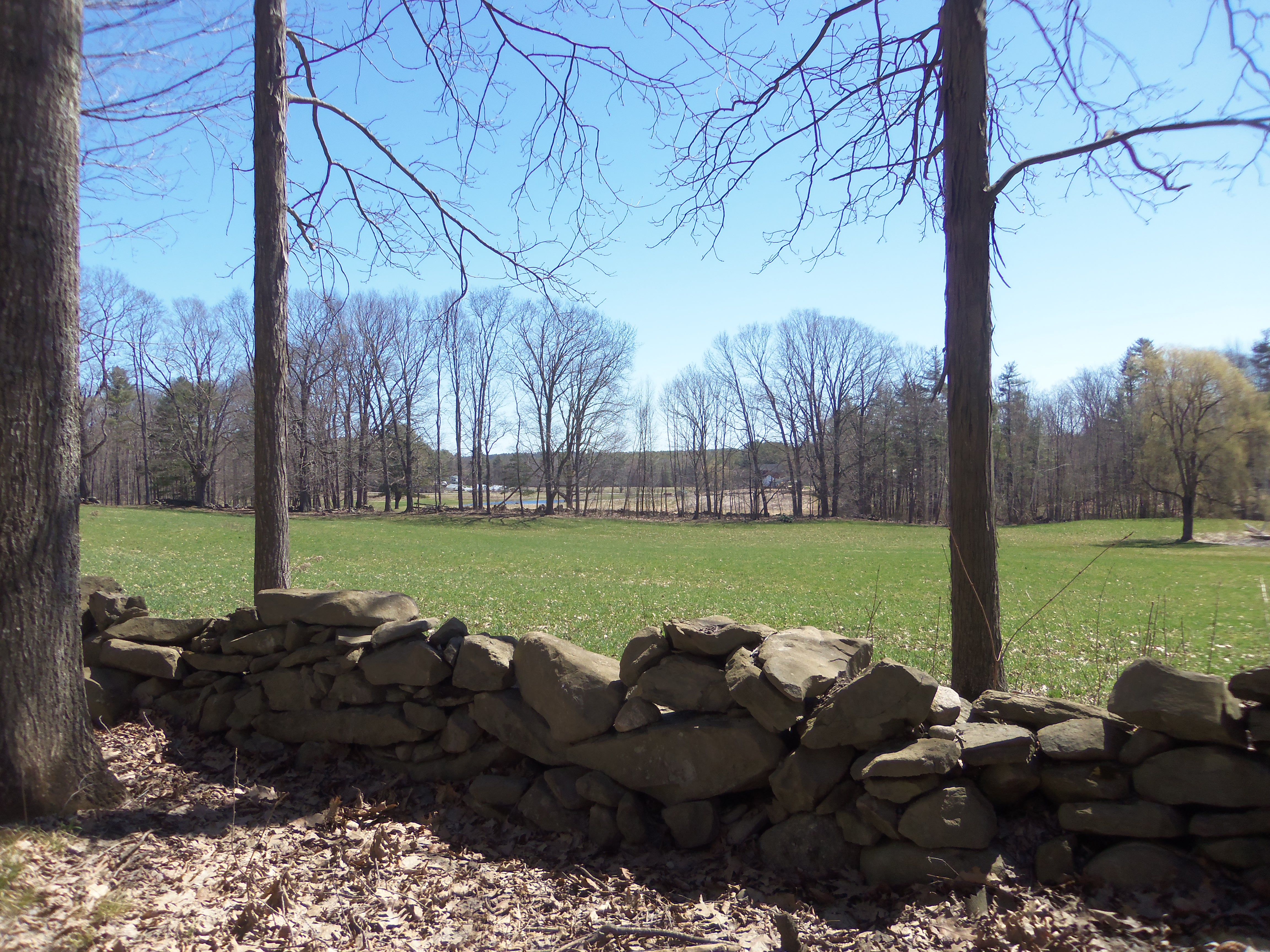
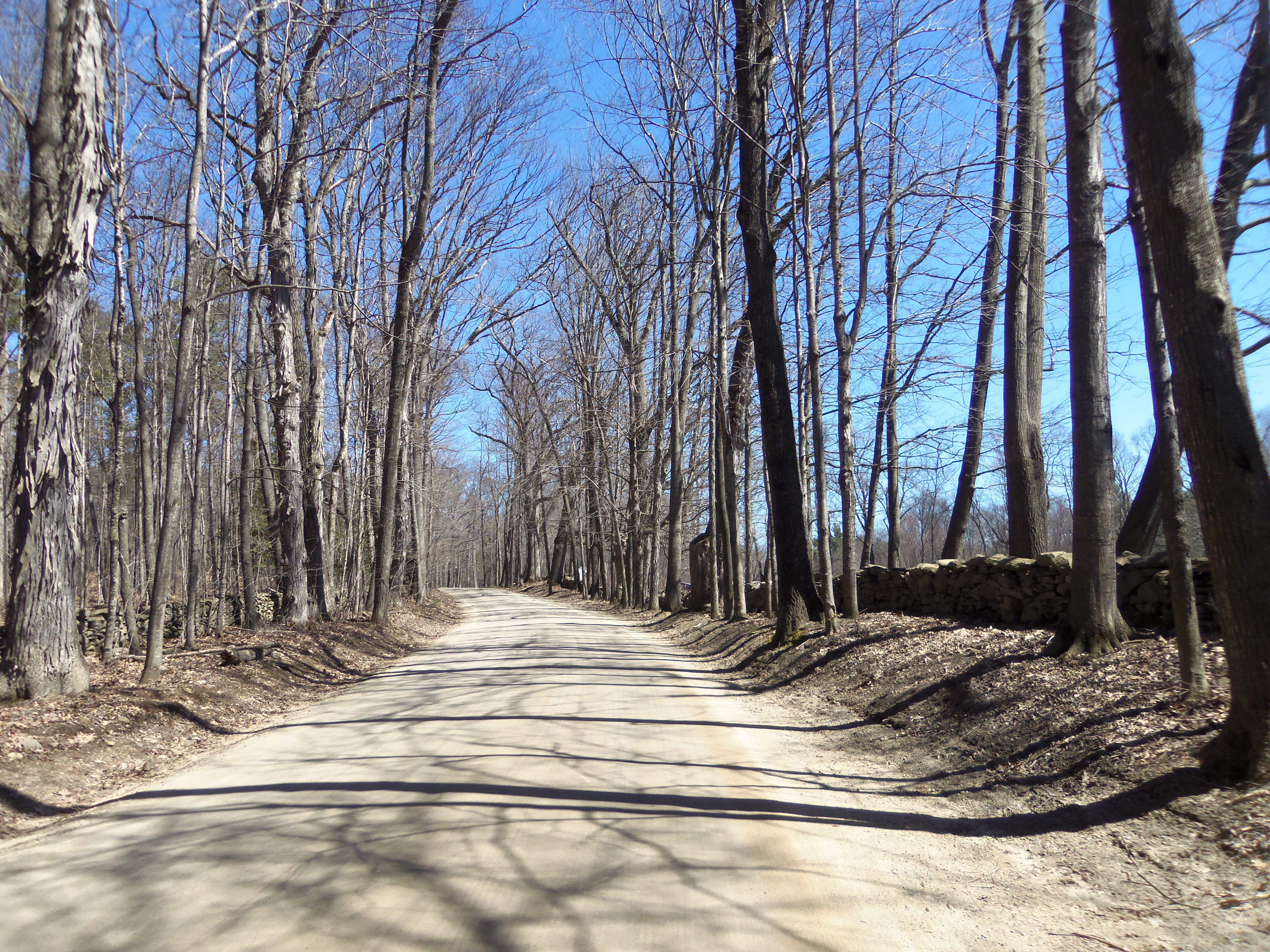
A country road runs through the property.


TRAINING IN FAITH

During the historic separations, the Friends who wound up in the evangelical, pastoral stream criticized their quietist brethren for our failure to teach the faith. Silent worship, they admitted, could be profitable for those who had already been trained in the practice and its religious meaning. But, they charged, what about newcomers and, especially, children?

Fair enough. Looking at the evidence, I’d have to say the weight of the argument is on the evangelicals’ side – and I’m not sure a few more seminars or workshops would fill in the gaps, even if everyone attended. Yes, we read books and periodicals, but even that can be pretty hit or miss – or deliberately selective and essentially private. At least our Meeting has a comprehensive and well maintained library, thanks to its dedicated committee.

Coming from someone who delves heavily into theological inquiry, these are difficult confessions. As much as I’d like to side with some of the early Friends who insisted that the Holy Spirit would reveal to us all that we need, without any special instruction, I part with them on their objection to higher education, for instance, or when I rely on a licensed physician or plumber or a certified auto mechanic when I face problems they can address.

With Friends’ practice, then, I suspect that our strength occurs when we turn to a hands-on approach, guided by those Friends “seasoned” or “gifted” in a particular aspect. The traditional Protestant service, with a lecture at its core, appears to be losing its effectiveness in today’s multimedia environment. Maybe our “worship-sharing” format (where everyone in the circle has an opportunity to speak personally about a given subject) holds more promise than we suppose. Maybe we also could be a little more conscious of the times and places the hands-on, and often one-on-one, transmission also occurs. From what I’ve seen, much more of this happens in both wings of the Society of Friends than we usually consider.

ANABAPTIST ETC.

As I said at the time …

You ask about “Anabaptist.” I’ll try for a short answer and hope it works. In the early Protestant Reformation, three major streams emerged. The Anabaptists accused the Lutherans and Calvinists (Reformed, Presbyterian, and English Puritan churches, among others) of not carrying the faith far enough and, as a consequence, were severely persecuted by them and the Roman Catholics. As the first to argue for a strict separation of church and state, they became pacifists who warned that any official state church seriously compromises the Gospel. The movement exists today as Mennonites, Amish, Church of the Brethren (or, in its older forms, Dunker), River Brethren, Bruderhoff, Amanas, Hutterites, and – by extension – the Society of Friends, or Quakers. It traces its roots to the Waldensians, the communalistic radical Christian movement against whom the Inquisition was launched. Its traditions include non-violence, simplicity, discipleship, community. You can see the absurdity in having one of them as a military chaplain! (In Catch-22.)

The term itself means “rebaptized,” an argument that infant baptisms (which that first generation had undergone, before the Reformation emerged) were invalid: the only authentic acceptance of faith could be made as an adult.

Because the Mennonites took literally Amos 5:23, “I will hear thy viols no more,” they banned instrumental music from their lives. Somehow, though, they practice four-part unaccompanied singing that seems to be part of their genetic endowment. Their hymnals cover the range of church music, from all denominations and eras, as long as it sings well. Whether gathered as six or eight people standing in a circle in someone’s living room, or as six hundred adults singing a Bach chorale at a wedding, the effect is quite moving: you have to be loud enough to contribute to the worship, but soft enough to be aware of everyone else. As an old-style Quaker once told me, “Jnana, thee has to remember that in their singing, the Mennonites are experiencing something very much like what we feel in our silence.”

Kenneth Rexroth, whose ancestry was in the Dunker/Brethren tradition, details much of this history in one of his collections of essays. (Don’t have the title at hand, but it’s the one about communalism.) Another poet who was Brethren is William Stafford.

You mention Thomas Merton. He inherited some of this tradition through one of his parents who was Quaker. But he felt the liberal Meeting (as Friends’ congregations are known) he attended as a child was well-intentioned but superficial, and yearned instead for the depth of its earlier generations. The rest, as they say …

Have you seen Kathleen Norris’ The Cloister Walk? As a Protestant who draws strength from her retreats and friendships in the monasteries of the Great Plains, she has some wonderful insights into abbey life.

OK, I promised to keep this short!

And I do hope your parking problems with J have found an appropriately adult resolution, other than your turning the other cheek – which, to continue all this theology, was originally an act of defiance, causing the abusive person to lose face. (By the way, 7th and Race, I take it, is Zinzinnati?)

Blessings …

FAREWELL TO THE SWITCHBOARD

At the office, we had the farewell to the switchboard operator who’d been replaced by the new phone system – someone who had been there when I arrived two decades earlier.

Oh, the weird calls we’d get, the ones she usually screened yet some still managed to slip past her.

The woman from California, “Can you tell me what state New Hampshire’s in?” and I wanted to reply, “How the hell did you get this number?”

All of the ones wanting to know my opinion, as if it mattered.

Or the drunks or the individuals convinced of this conspiracy or that. Especially late at night.

As the publisher told one, “What do you think this is, a call-in radio show?”

Listen. We’ve got work to do, rather than yap. Piles and piles of work.

~*~

Oh, my, the telephones! They become a chorus of their own in my novel, Hometown News.

Hometown News

FROM THE FLAT GRAY FIELDS

As I said at the time …

Standing in the blank fields of Ohio … gray March … the utilitarian cemetery … beside my mother’s grave, knowing soon my father, too, would be planted here.

As it turns out, not as soon as I envisioned. He recovers somewhat. Several years later, I return to the spot, this time with my sister. We explore more, find other great-great-grandparents buried in a cemetery two or three miles away – not at all where I previously thought.

This time, I begin to appreciate the section numbers of township maps, as I place my ancestors’ farms, how often they abutted each other. How many, only a mile or two from this spot, back when these lands were mostly forested.

A native, a student at a then-new state university, a journalist who worked on three of its daily newspapers (each in a different quadrant of the state), I’ve spent a third of my life in Ohio. Married there and, a few years after returning, divorced; nearly married there again, too. Many of my ancestors, I’ve learned, settled Montgomery County in its first decade.

Yet, reviewing my creative writing – the poetry, fiction, and essays – I find little that’s directly about Ohio. Curiously, those few passages typically appear in pieces about other places – Indiana, Washington State, the East Coast. What instead becomes apparent is the fact that my roots remain, complexly and paradoxically, embedded in Ohio. Unavoidably, in my years as an exile, much of my writing comes out of those Buckeye origins. Whether my years away have been the result of forced expulsion (job market, especially) or of self-chosen escape, I nevertheless carry inevitable values, images, and expectations that are not just Midwestern, but more distinctly, those of the Miami Valley. As I’ve delved into my ancestry, moreover, I find also a forceful sub-current of dissenting religious practice and witness in overlapping Dunker (Brethren), Quaker, and Mennonite farming circles planted there – and to these, mysteriously, it would seem, I’ve returned in new settings.

Surveying material currently available for submission turns up very little with even the word “Ohio” in it. (Some fiction, essays, and genealogical writing need more revision before their release.) The five poems enclosed (an offer of first North American serial rights for work you select) do, however, spring deeply from the state – not just the land, but also the emotions. Maybe it’s a sense of the lovers, who were also Buckeyes. Maybe the awareness of mechanical work and objects. Maybe the crossroads nature of the state, looking west (in one poem, the prairie that stretches into Illinois) as well as east, to Baltimore and New York (as in “oysters”) or even, as stated, England. Maybe the underlying naïve outlook that becomes vulnerable to betrayal. Or the dreams of acting (hints of Broadway or Hollywood). Whatever the combination, something of the state is compressed into the fabric of these pieces.

Here’s hoping they work for you.

~*~

For the record, they didn’t.


EVERYTHING BEAUTIFUL IN ITS SEASON

I’ve contended that locale can be beautiful. But the reality is that many are stripped of the opportunity.

As my wife points out, a town where the railroad tracks run down the middle of the main street through town is, well, bound to be ugly.

Put another way, the presence of beauty or ugliness is a reflection of other values. Is there a degree of generosity and restfulness, for instance, or is it more stingy and pinched? There’s rarely any financial return in planting flowers, after all, and even trees take years to mature.

Still, even when I lived in some pretty gritty factory towns, small corners of beauty could be found, even if they were the exception rather than the rule. And Dover, where I am now, has undergone a renaissance from its days of boarded-up abandoned textiles mills downtown only decades ago.

To have a sense of beauty and grace proliferate, I’m sensing, is really a matter of religion – or at least heightened spirituality. Where would a community be, after all, without artists and skilled crafters who embody their holy visions?

AN ALL-STAR CAST

When I was working with the newspaper syndicate, I got to meet a lot of impressive talent. (That’s how we referred to them, too, as “the talent.”)

The other day I was thinking of a few of them – Mike Peters (Mother Goose and Grimm), Jeff MacNally (Shoe), Dick Locher (Dick Tracy), Doug Marlette (Kudzu) – all of them excellent editorial page cartoonists as well – plus Joe Martin (Mr. Boffo) and Kevin Pope.

For the most part, they were a serious lot. I remember one’s reverential mention of another, “He’s the only cartoonist who makes me laugh out loud” – only to hear, months later, the comment returned without prompting. Like, admiring like, with a twist.

I remember, too, one looking at the work of another and commenting, “This is really funny” – without breaking into the slightest evidence of even a smile.

As I said, a serious lot.

What I also found was that their work was much funnier than what turned up among the others who were more boisterous and comical in person.

~*~

MacNally and Locher were both employed by the Chicago Tribune and enjoyed a warm rapport. MacNally’s studio wrapped around the elevator shaft on the 35th floor of newspaper’s iconic tower and had large windows peering out across the city and into the infinite blue of Lake Michigan as it blended into the sky. How he could ever work in such a suite was beyond me. (The top floor, just above his, was filled with electronic gear. Microwaves and the like.)

Locher’s studio was one floor down, with small diamond windows and a rather Gothic feel. I joked that it was like dwelling in a gargoyle, and he agreed.

As we sat in that space, a coworker noticed two framed certificates and remarked, “That’s all a Pulitzer is? A piece of paper?”

And without missing a beat, MacNally, who had just won his third, chortled. “Yup,” he said quietly. “That’s about it.”

MEETINGS WITH REMARKABLE PEOPLE

G.I. Gurdjieff’s classic Meetings With Remarkable Men begins to look all too bland when I compare his subjects with people I’ve known over the years. Or even when I gaze around the room assembled for Quaker worship on Sunday morning. Admittedly, his travels are remarkable, especially for the time.

But without going into the details, let me say I’ve been blessed. Both men and women, all so remarkable in their compassionate presence.

~*~

Now, whatever happened to that Gurdjieff circle back in Binghamton? The couple who had the ring of benches around one room of their apartment for their own meetings? Back before I found yogis and Quakers and Mennonites and …

THAT DISTINCTIVE LOCAL VOICE

By now you’re no doubt aware of my belief that local newspapers need a strong local voice, the kind that’s manifested in a talented general columnist or two. The New York Herald-Tribune, for instance, at one point had both Jimmy Breslin and Tom Wolfe in that role. Think, too, of Mike Royko in Chicago or Herb Caen in San Francisco. In Dayton, we had Marj Heyduck holding forth from the Journal Herald’s Modern Living section – but everybody had to read her daily four or five vignettes, especially when they had a humorous edge.

These are the kind of writers who speak personally from the places regular people live, rather than the council meetings and police blotter events that fill the news pages. Unfortunately, they’ve largely vanished in the cost-cutting rounds at newspapers large and small, and communities and subscribers are impoverished as a consequence.

At their best, they get out and report stories that wouldn’t otherwise appear – or at least the aspects they dig up along the way are fresh and insightful. At the Herald-Trib, for example, Breslin would go to the city desk and rifle through assignments for ones he wanted to cover from the street – that’s how he wound up in Selma, Alabama, with dispatches from the front line of the civil rights movement.

Within the newsroom, however, they were generally viewed with disdain or even contempt, even when they scooped the beat reporters, as Caen often did to his colleagues at the Chronicle. Part of the gulf originated, I suspect, in the professional wall between third-person and first-person singular writing, and the fact that reporters are supposed to be neutral observers while a good columnist is permitted to be actively present and even emotionally involved in the story. Ideally, too, reporters are to be invisible agents, unlike the star billing given to a columnist.

All of the snow we’ve been getting has me reflecting on the first newspaper I served after graduating from college – and my frustration with its resident Scribe. There were, for starters, his affectations of a thwarted wannabe novelist – the tweed jackets with elbow patches, the scarf, the half-moon eyeglasses, and, yes, the fragile ego that demanded deference if not worship. There was also an over-the-top serving of purple prose but little substance that cut to the bone. Ultimately, what he served up was inoffensive and bland, but he did have a following.

His one redeeming quality, though, was an eagerness to jump into covering two kinds of stories no one else in the newsroom really wanted to do – weather storms and the deaths of prominent local figures. And there he excelled. Looking back, I can see where a first-person voice can enhance the story – we’re all in this together, after all – even when he was weaving in rewrites of breaking news fed to him by reporters and correspondents, as I vaguely think he was. The deaths, meanwhile, lend themselves to an “we recall when” transition from one detail to the next. Moreover, as a minor celebrity himself, his presence probably got many sources to say more than they might have otherwise. Hmm, my memory is that he leaned toward the editorial “we” rather than the more direct and contemporary “I.”

Outstanding local columnists, I should add, have never been confined to the big metro papers.

A few leaps later in my career, launching Jim Gosney’s daily profiles in Yakima, Washington, demonstrated that. He gave us a parade of characters who made a difference in the community without themselves being considered the kind of movers and shakers who normally got quoted.

And then, in Manchester, New Hampshire, John Clayton began doing something similar.

Both, I should add, were top-notch reporters when it came to questioning a source and digging up facts – and both could turn a phrase in their engaging storytelling and flawless prose. (That combination is rarely a given.) What they offered was the kind of local color and connection too often missing from today’s standard and shallow coverage.

Perhaps you know of others who deserve recognition. Maybe they could even serve as models in a rebirth of the tradition.