HIGH STREET STYLE

On one corner.
On one corner.

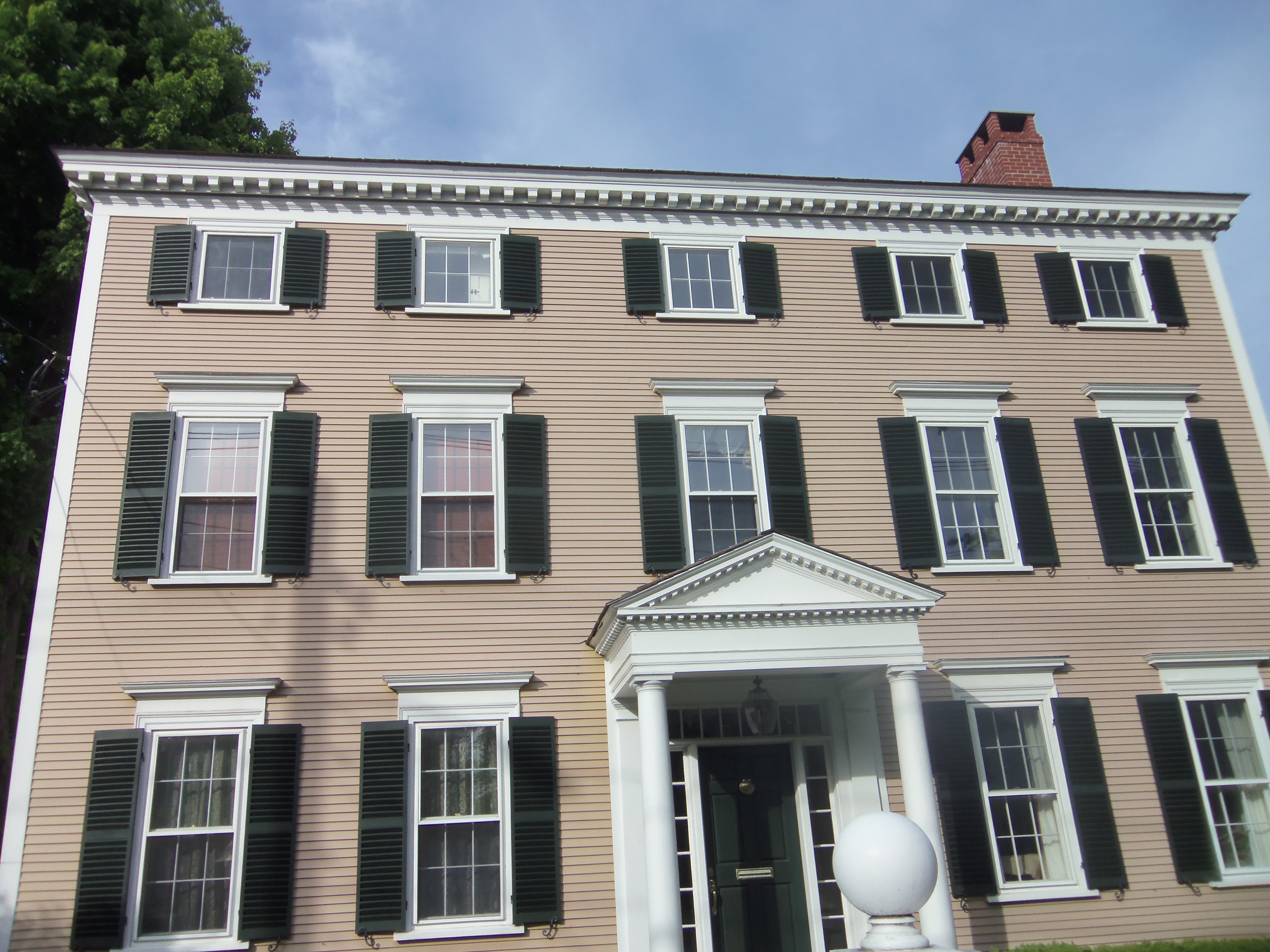
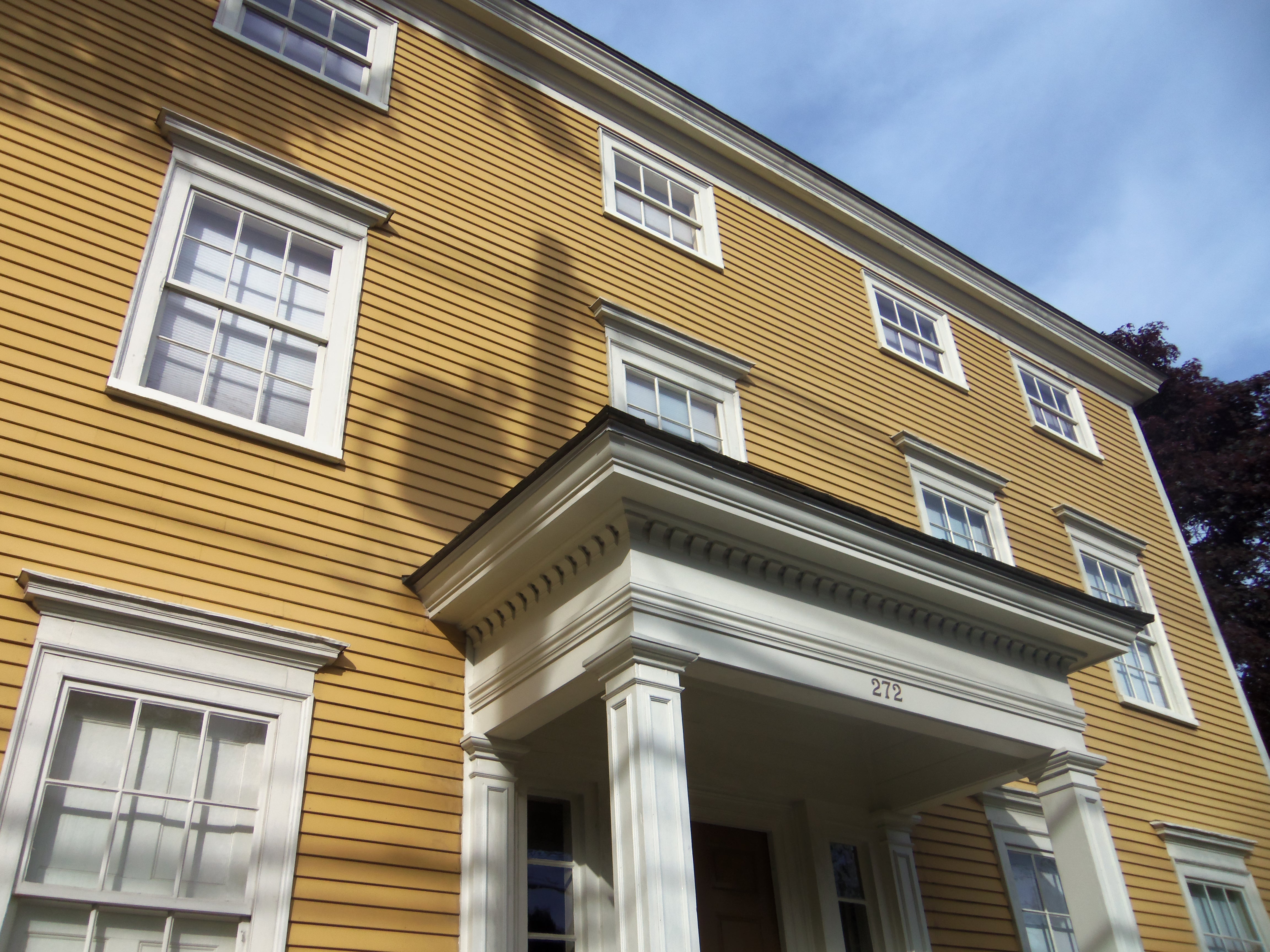
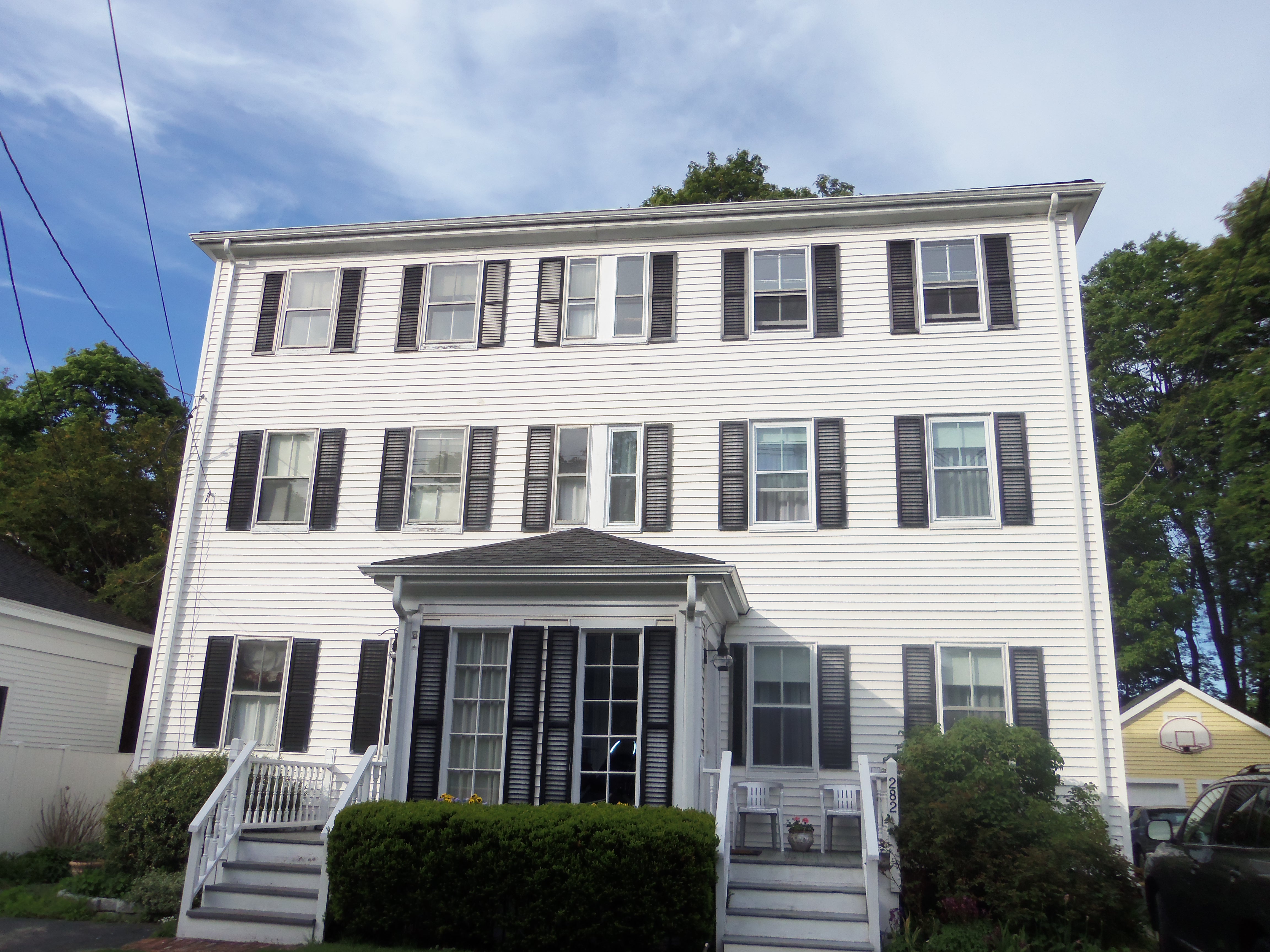
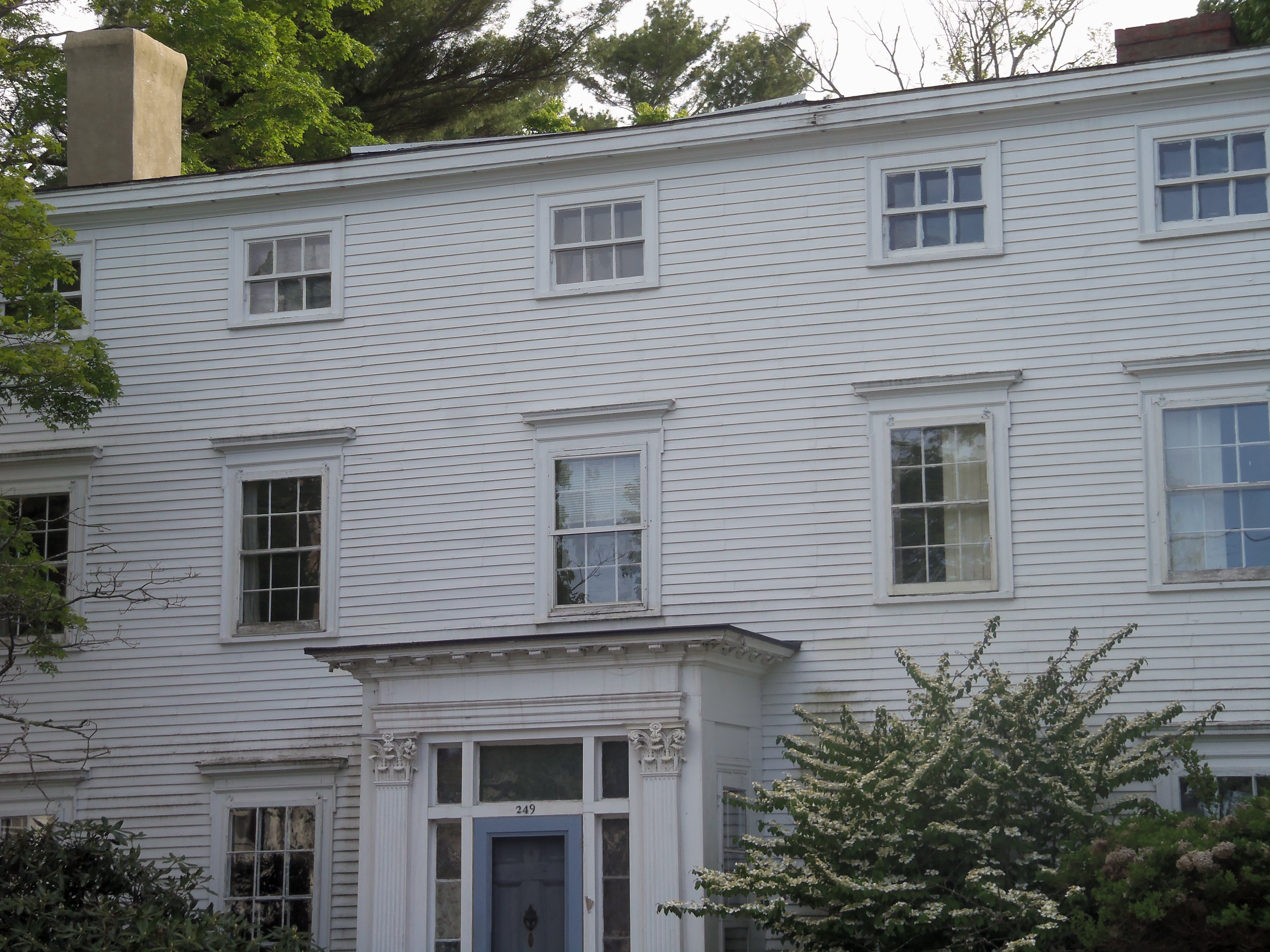
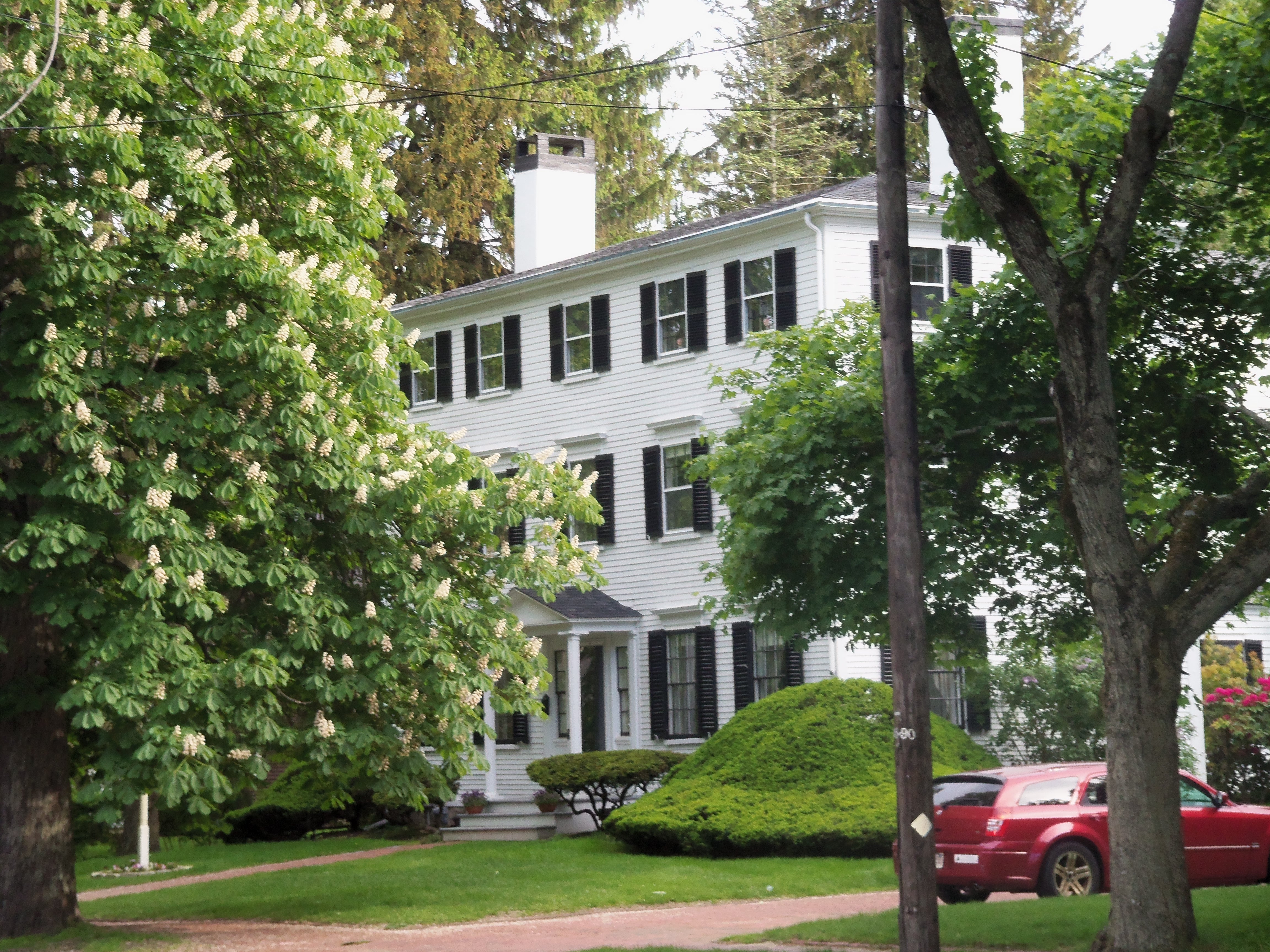
Situated at the mouth of the Merrimack River, Newburyport, Massachusetts, has a historic harbor and charming brick downtown – one that echoes many others in New England, for that matter. Its residential neighborhoods are likewise filled with a range of fascinating details from many historic styles. But for me, the real glory is High Street, built at the height of the lucrative whale oil business. Interspersed among the dominant federal-style houses are some other fine examples. Here’s a sampling.

Colonial.
Colonial.


Lingering Georgian, without many of the distinctive details.


Greek Revival.
Greek Revival.


Greek Revival Temple, here a former church converted to private residence. It has an attached matching garage.


Second Empire.
Second Empire.


Gothic Revival.
Gothic Revival.


Georgian "Colonial" Revival
Georgian “Colonial” Revival

FEDERAL ROW

100_0939The federal style of architecture flourished from the 1780s into the 1820s, and you’d be hard-pressed to find a finer sampling of it than in Newburyport, Massachusetts – especially along High Street. Here are a few examples.

100_0942

100_0936

100_0945

100_0925

100_0921

100_0884


THIS OLD (MEETING) HOUSE

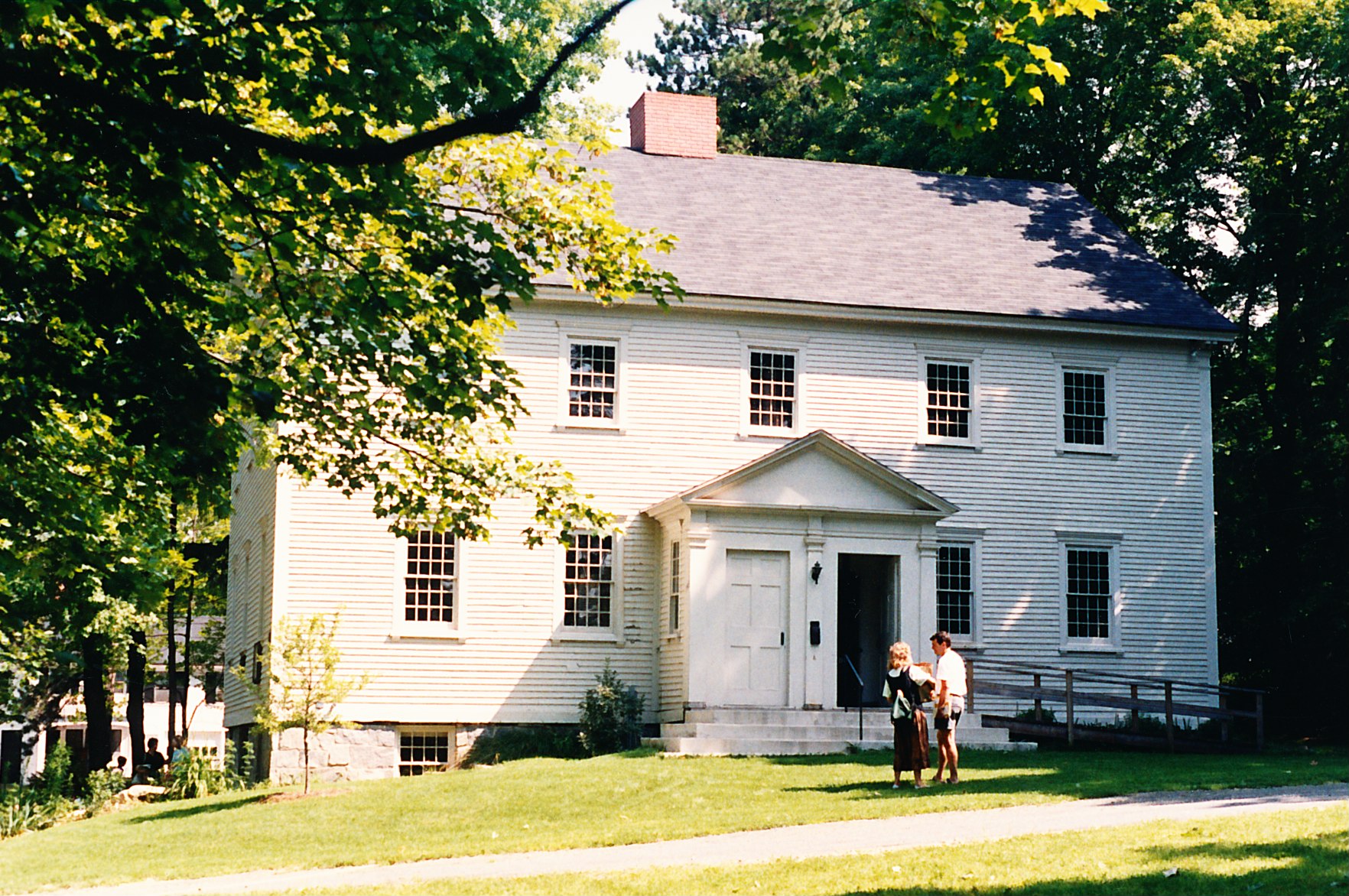
Today commemorates the 247th anniversary of the erection of our meetinghouse. And to think, this was Dover Friends’ third house of worship, coming a little more than a century after the first Quaker convincements along the Cocheco River. The structure covers a lot of history, as we would see if we created timelines of those years – the entire life of our nation, for starters. Add to that science, the arts and leisure, religion, education, economics … the overlays become mind-boggling.

It’s hard for us to envision that day, with its swarm of activity, everyone seemingly knowing the tasks to be done. Cookbook writer Marcia Adams says it takes at least 100 to 150 men to raise an Amish barn, and then recites a menu that fed 175 men in the 1800s. Oxen and strong horses or mules would have been part of the scene, with pulleys and poles lifting the posts and beams into place. Many of the skills used have likely been lost to antiquity. A similar number of women would have busily arranged the accompanying feast, and children would have been assisting everywhere. Today, Jehovah’s Witnesses do something similar when they construct a new Kingdom Hall, which like the Amish barn or our meetinghouse, goes up in a single day.

Settling into worship, I once again regard our Quaker ancestors’ application of classical proportions, pleasing to the eye. The additional touches others have added across the years. Plumbing, heating, wiring, the classrooms upstairs and down. I also realize how much my own perception of the building has changed, now that I’ve become a New England homeowner. How much responsibility we carry for the upkeep of this legacy or how difficult it would be to replace what we have.

In the background, I hear an echo of an old Friend in Iowa, viewing the beautiful curly maple shutters in a meetinghouse about to be shipped by rail car to another part of the state. “It will be a good thing if they be not too proud of it,” she said, with a curious balance of humility and admiration. The advice, of course, extends to us, as well. The fact remains that Friends do not worship in a temple but a house, with all of its Biblical sense of extended family and even their domestic animals. Welcome to our house.

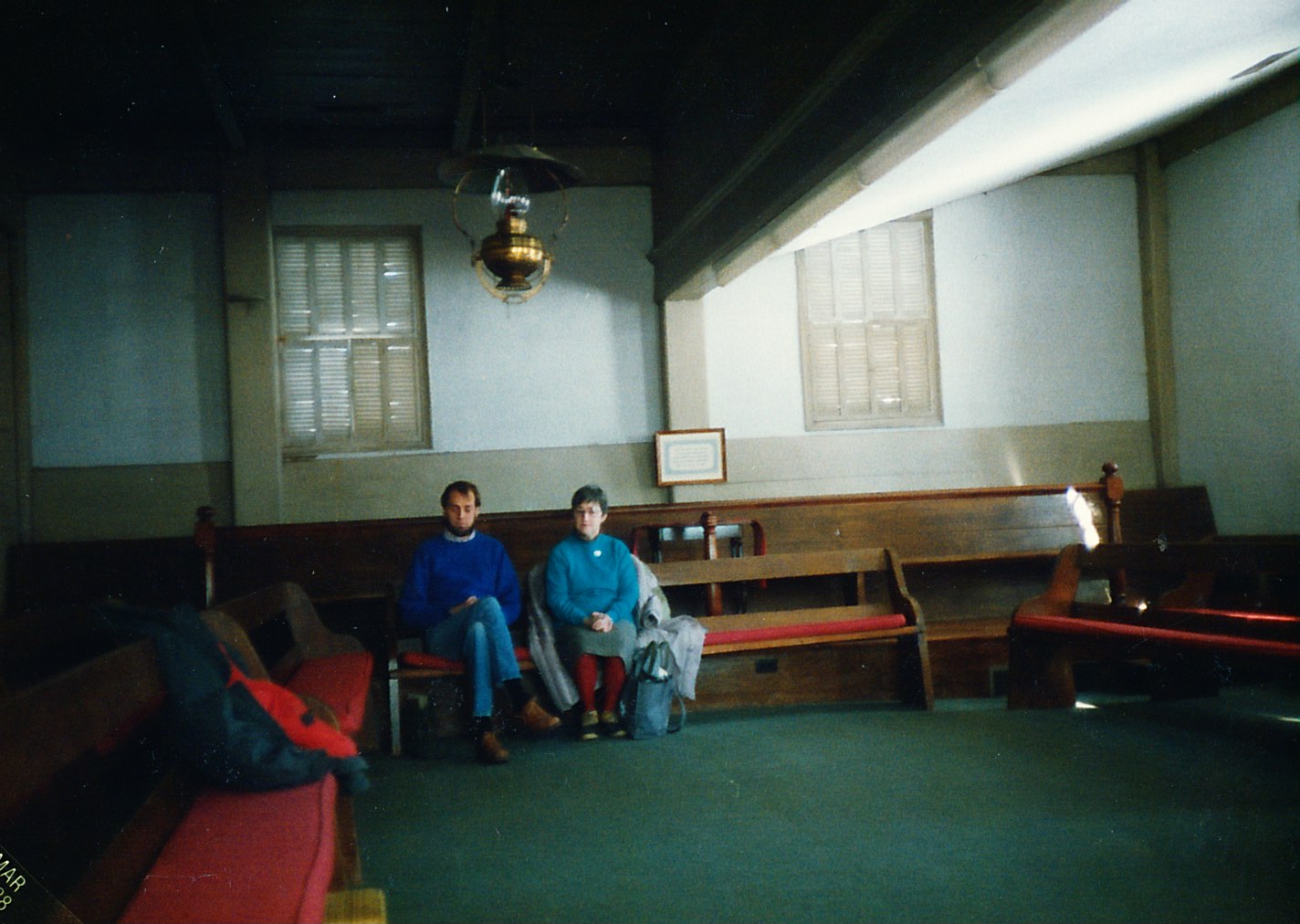
Barbara Sturrock and me on the "facing bench" inside. This is the room where we worship, seated in a "hollow square" facing each other.
Barbara Sturrock and me (years ago) on the “facing bench” inside. This is the room where we worship, seated in a “hollow square” facing each other.

SCN_0070

ANNIVERSARY OF MY DARKEST DAY

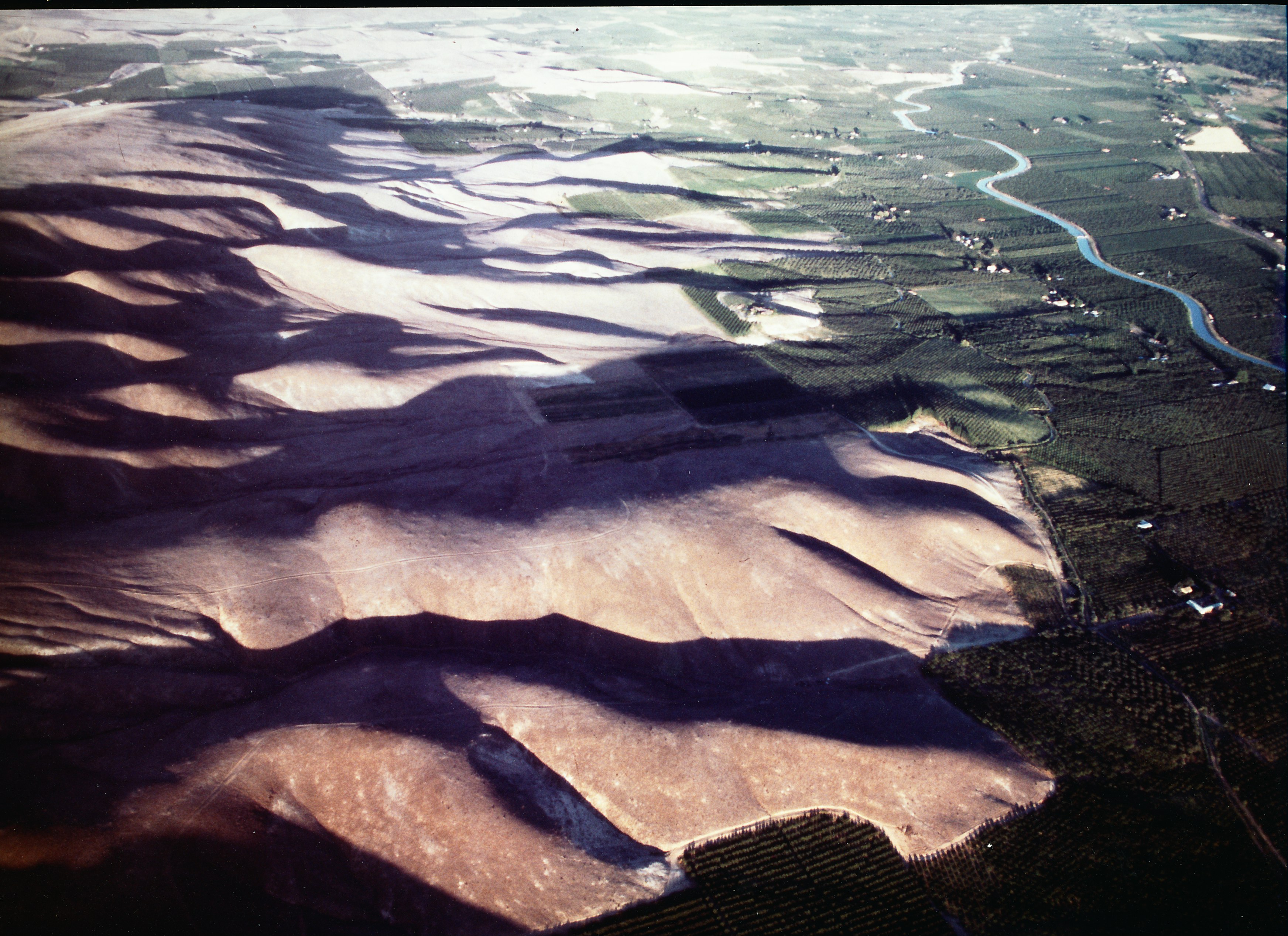
Aerial view of the desert ridge behind our the tenant shack where we where living when Mount St. Helens erupted. This is as green as it gets. The orchards are in the irrigated band close to the river.
Aerial view of the desert ridge behind our the tenant shack where we were living when Mount St. Helens erupted. This is as green as it gets. The orchards are in the  band close to the two irrigation canals seen here. With a magnifying glass, I could point out our place.

Thirty-five years ago today, we were buried in volcanic ash erupting from a summit 85 miles away. For days afterward, everything was buried in gray. Until then, it had been my Garden of Eden.

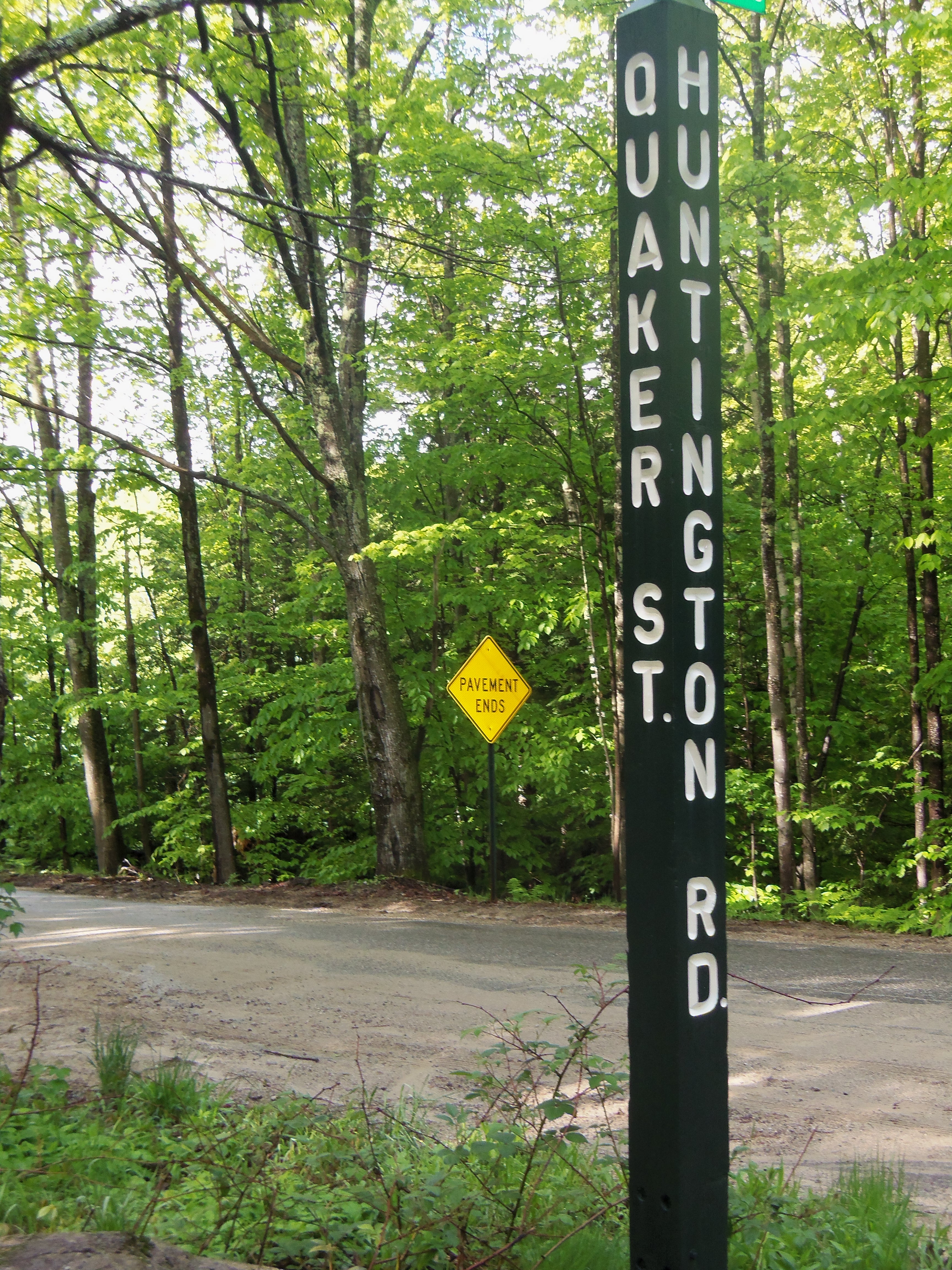
QUAKER STREET

Note the yellow sign, "Pavement ends." It really does feel like a slower place.
Note the yellow sign, “Pavement ends.” It really does feel like a slower place.

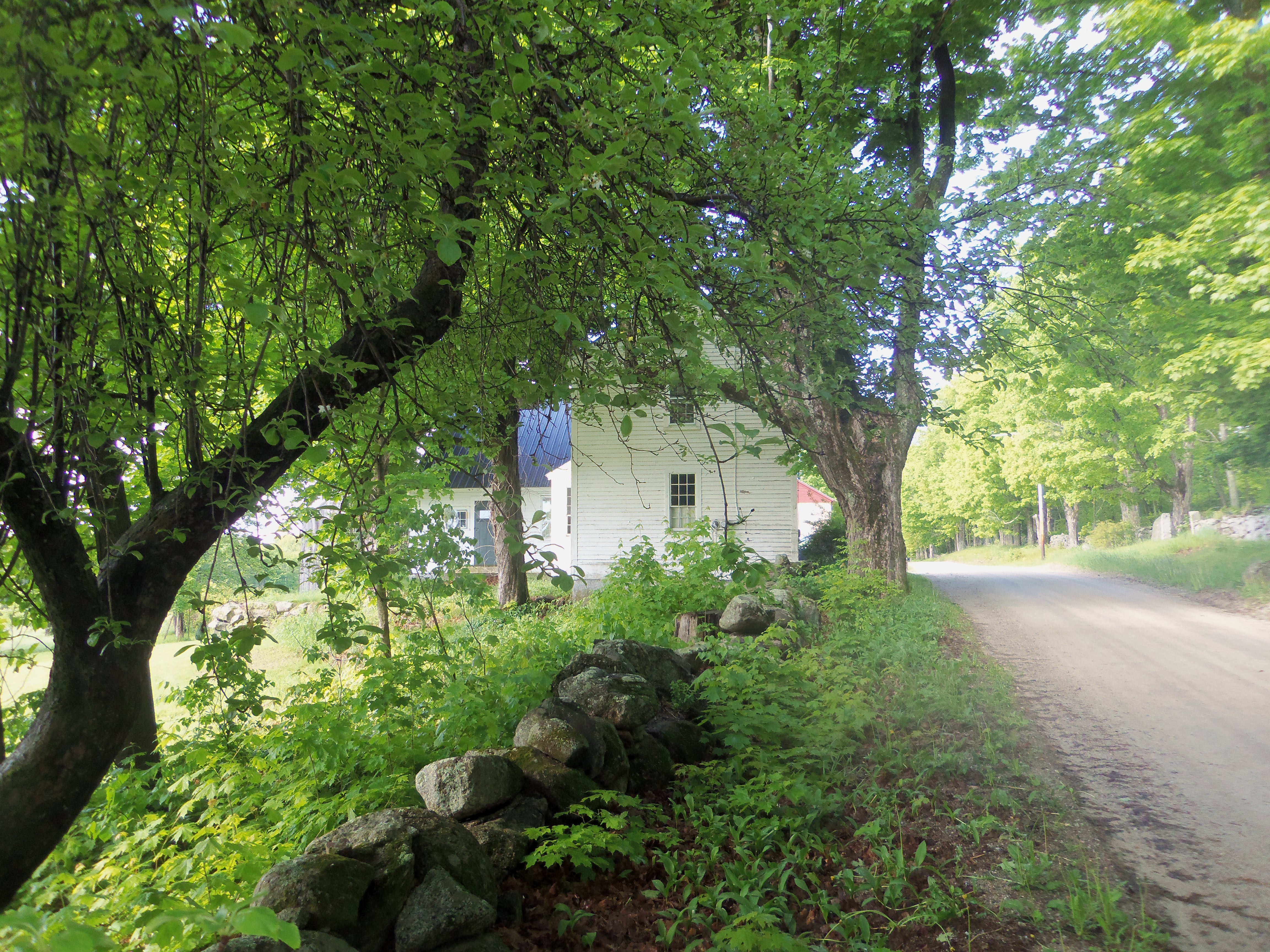
Taking its name from an old use of “street” as “neighborhood,” the stretch is also known now as the Quaker District. It’s up in the hills in a remote corner of Henniker, New Hampshire.

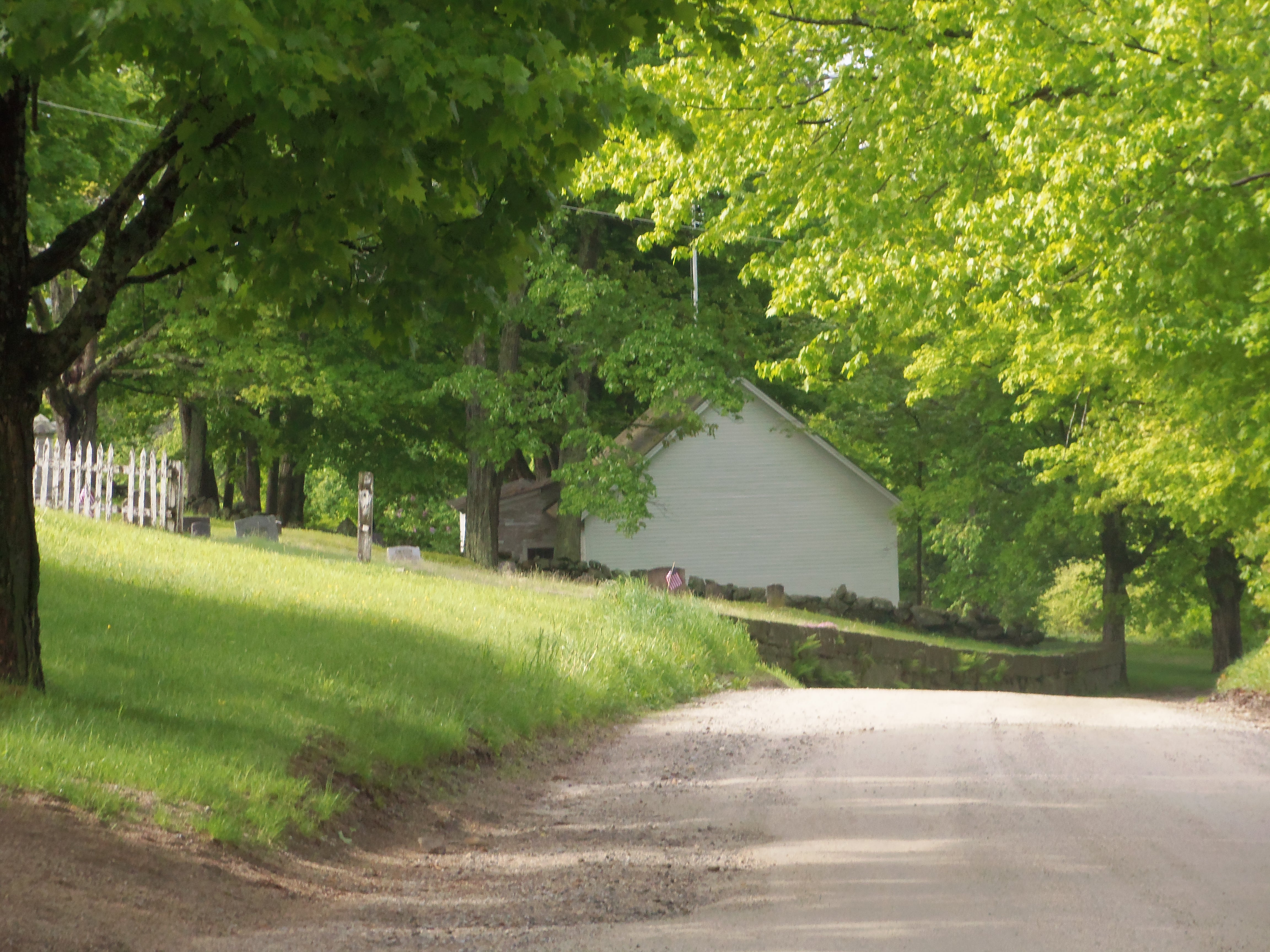
The road approaches the old schoolhouse.
The road passes a small Quaker burial ground next to the old schoolhouse.
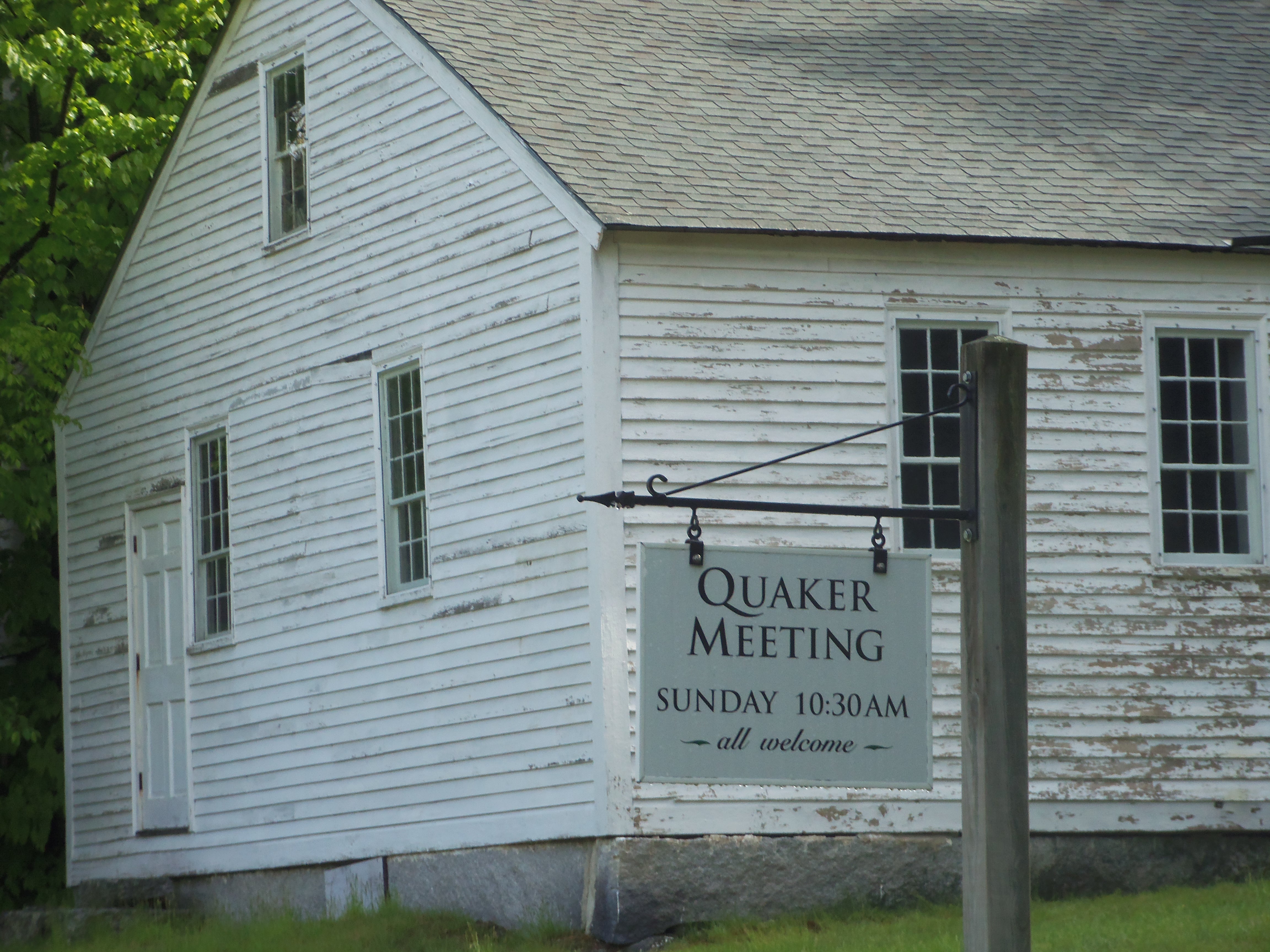
As the sign on the schoolhouse says ...
As the sign on the schoolhouse says …
The center of the village was the Friends meetinghouse, which is still in use.
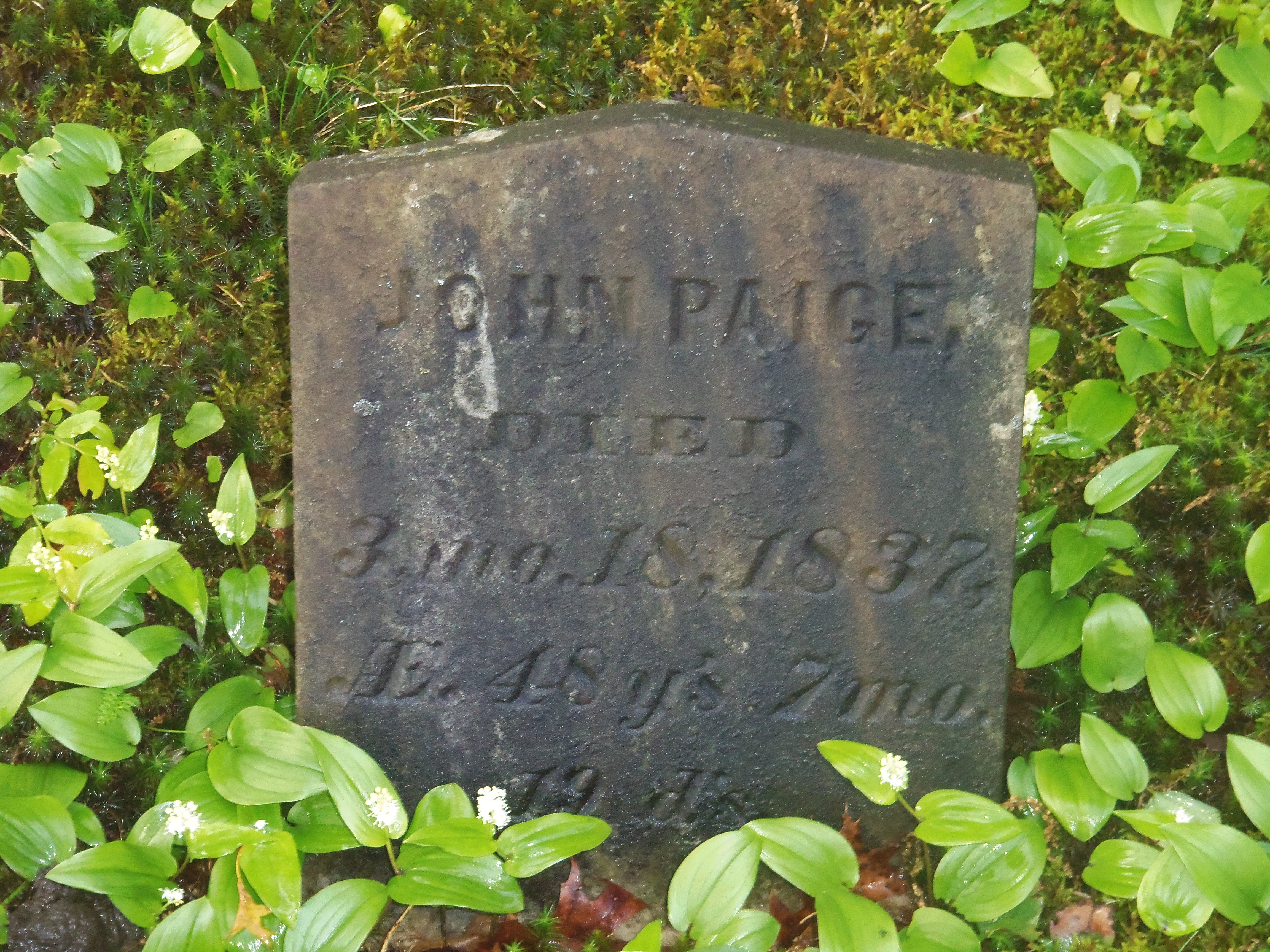
Many headstones in the burial ground use the old Plain dates.
Many headstones in the burial ground use the old Plain dates. The “3rd mo” is Third Month, or March.
Around the corner.
Around the corner.


WHAT WAS I THINKING?

Every writer, we can presume, has plans for the next work – or several. Tackling them, of course, can be another matter altogether, especially if the schedule’s already full, even before we get to the overdue house and garden projects. Or some equivalent.

Listen to other writers, by the way, and you’ll hear just how much of that schedule now focuses on marketing, including social media, to push already published work instead of doing the, well, not exactly “fun” part (it is, after all, work) but the passionate core that prompts the entire enterprise: drafting and revising. The very thing that makes us writers.

For me, much of that has also involved moving four decades of serious writing, however experimental, into the public access where adventurous readers might find the volumes. Places like Smashwords.com and my Thistle/Flinch site here at WordPress. To be candid, the backlog was inhibiting my ability to forge ahead on new work – not exactly writer’s bloc, but something more like claustrophobia? Having the remaining novels in the pipeline for ebook publication is a huge relief.

Let me repeat, though, about the necessity of marketing and how that should be the focus.

What’s taken root over the past several months, though, is another novel. One that just might pull my Hippie Trails series together a half-century later. That is, something that covers far more than just ’60s and ’70s. Am I crazy?

Well, maybe. What’s shaping up is far different from anything I’ve previously undertaken.

For one thing, I’m starting with an overarching structure – something approaching an outline, rather than my usual setting forth on a journey to see where an image or character or idea will lead. And then there’s little autobiographical here; it’s largely new territory, apart from tying up some loose ends from the earlier novels. The dictum, “Write about what you know,” gets readjusted to “Write about what you would like to know,” meaning more about certain ethnic groups I’ve encountered, businesses I’ve brushed up against, spiritual practices, histories, desires, losses. I’m even beginning with a commercial genre in mind, which means drafting from a perspective and in a voice far from my own.

I’m not sure this is a work I’ll actually finish. It may be too difficult. Or it may become more of a collaboration, perhaps with a circle of beta readers set at liberty to edit at will. (Have I ever written of my theory that what we know as Shakespeare was the product of a circle of very talented improvisers, whose inventions were recorded by the playwright? Almost a committee, if you will, except for his imprint on the final version.)

Different from anything else I’ve done to date? How about needing to finish a draft of the last chapter, along with a stretch of the opening, before writing anything else? Or heading off with 80 or so pages of notes for the middle, plus questions to pursue? It’s certainly driven by the characters and events that turn in directions I’d normally avoid.

What I do know from experience is how crucial it is to sit down at the keyboard when these juices are flowing.

GRANITE STATE’S QUEEN CITY

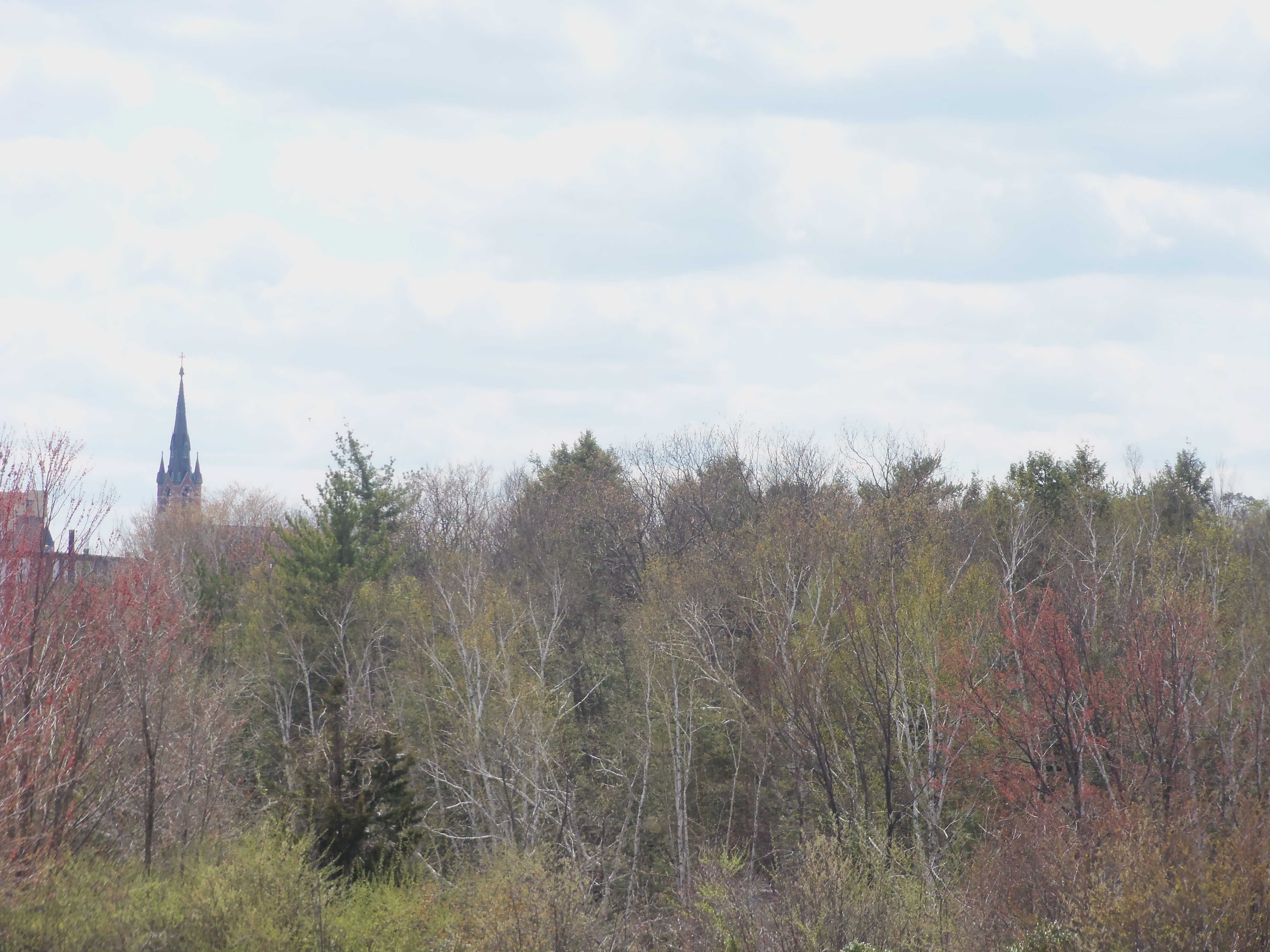
Seen from the falls, Ste. Marie Roman Catholic church crowns Manchester's French-Canadian West Side.
Seen from the falls, Ste. Marie Roman Catholic church crowns Manchester’s French-Canadian West Side.

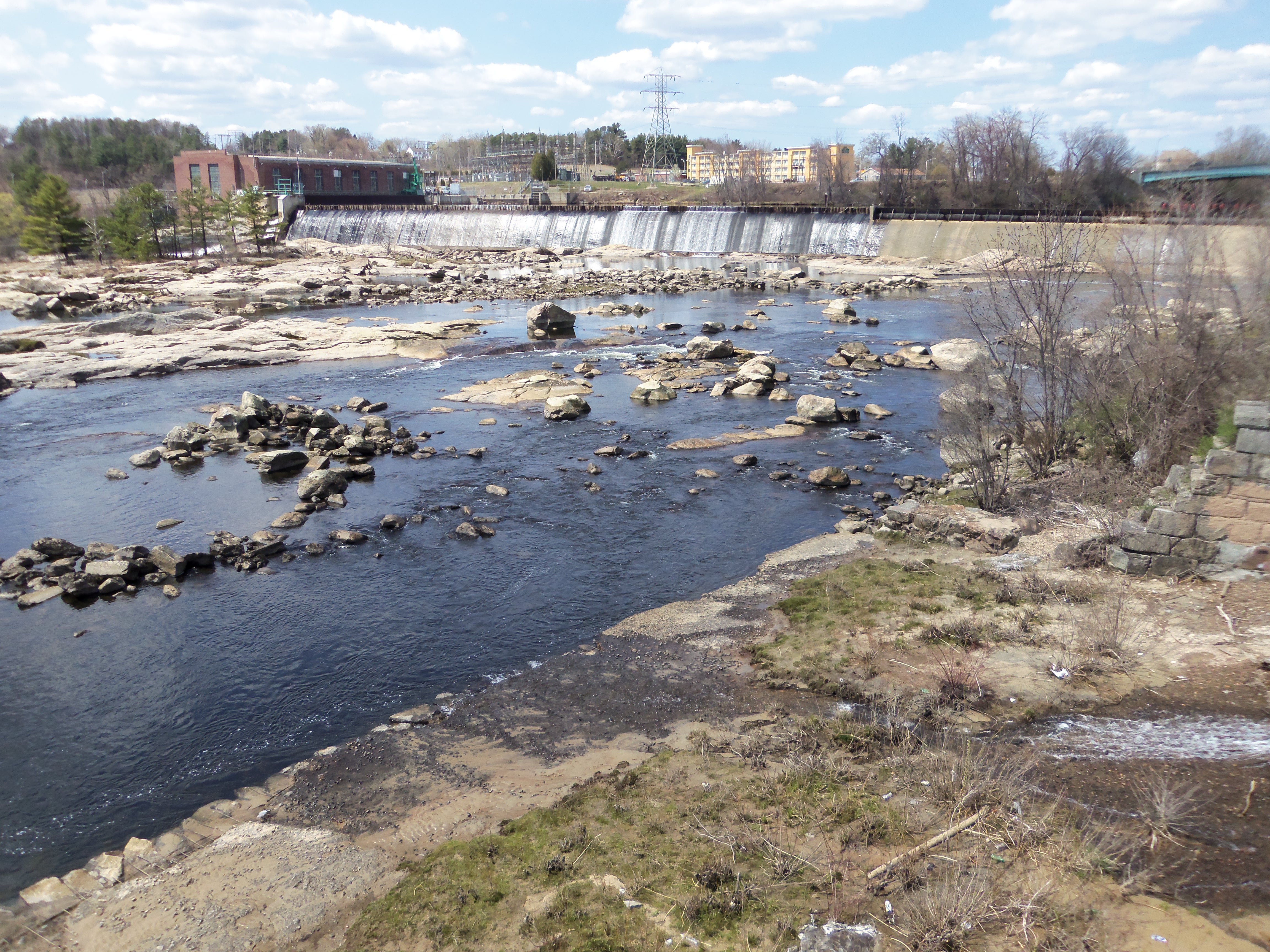
As the largest city in northern New England, Manchester was built on the water power captured at the Amoskeag Falls in the Merrimack River.

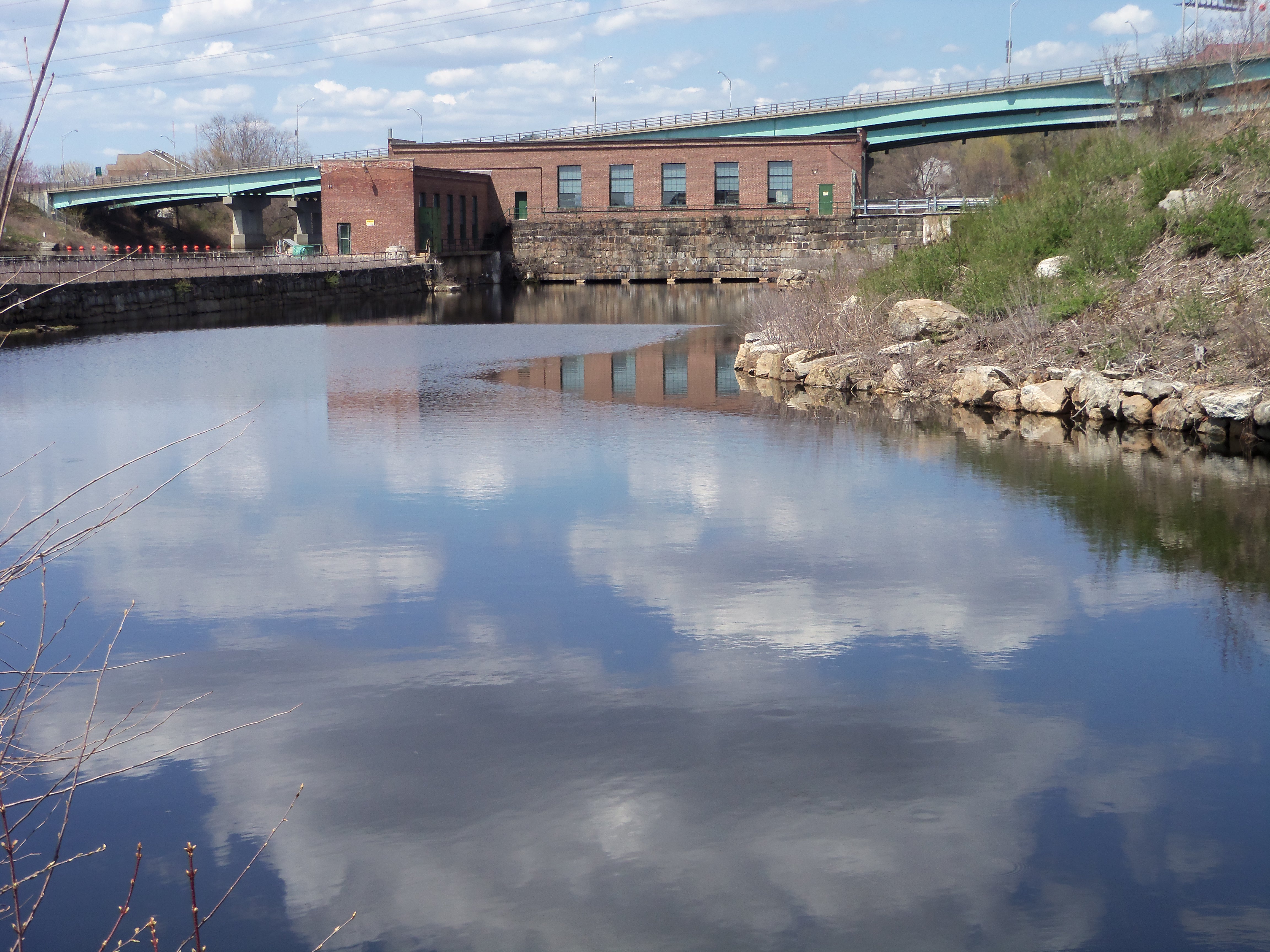
The Amoskeag Falls, now submerged behind the dam in the Merrimack River, were the source of the city's industrial power. A hydroelectric dam sits at the left of the photo.
The Amoskeag Falls, now submerged behind the dam in the Merrimack River, were the source of the city’s industrial power. A hydroelectric generating station sits at the left of the photo.
A large complex of mills on the east side of the river was powered by the water channeled through this canal.
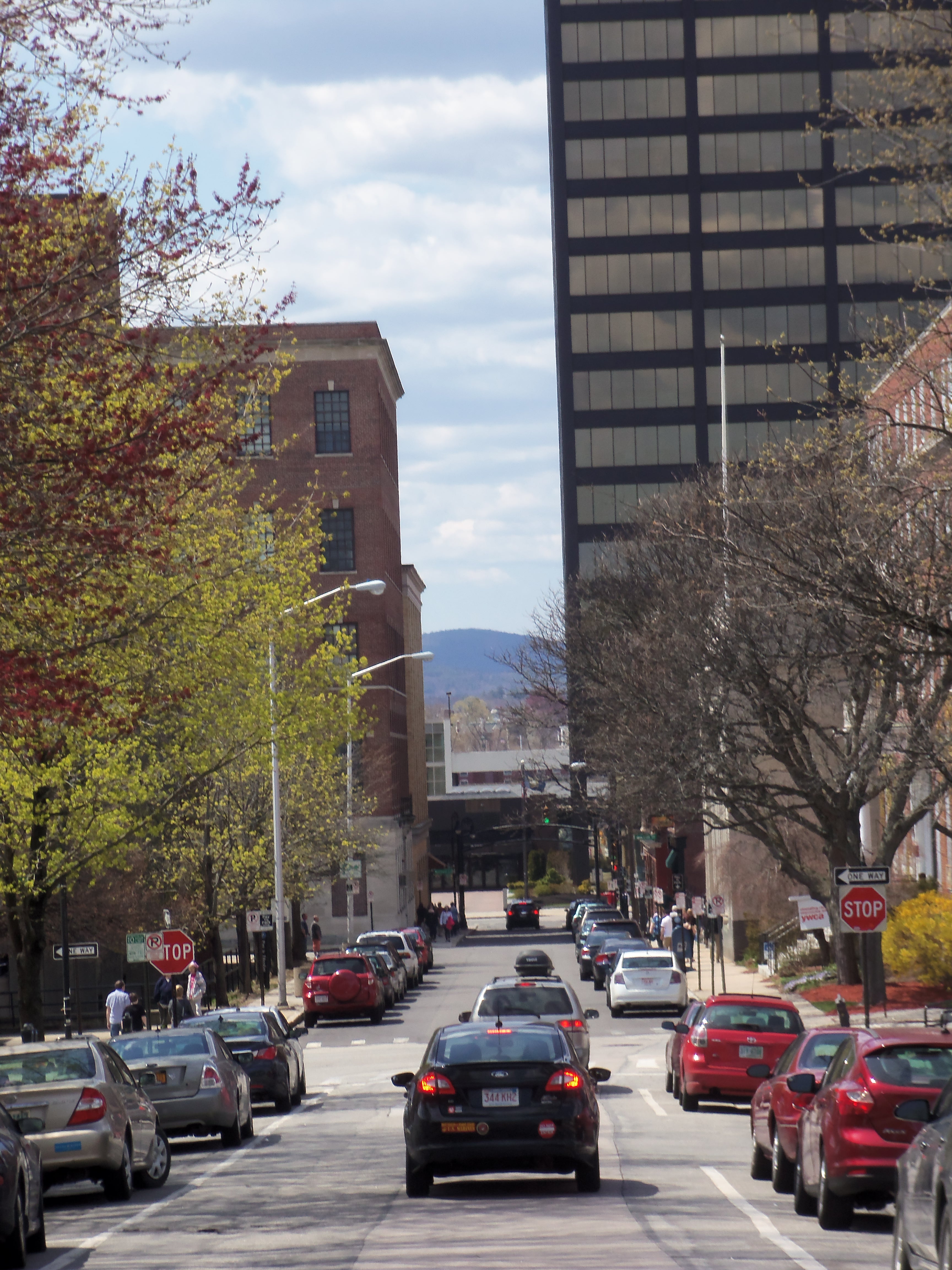
The downtown has undergone a revival. Here's one of the side streets.
The downtown has undergone a revival. Here’s one of the side streets.


PENDLE HILL PAMPLETS

Some of the most helpful or inspiring writing I’ve encountered has come in short volumes. In poetry these are typically called chapbooks, while in prose they’re often pamphlets or booklets.

Among them, the rack of Pendle Hill pamphlets in our meeting library presents an astonishing array of Quaker wisdom. Published by subscription (currently five volumes a year) at the retreat center in Wallingford, Pennsylvania, the series now numbers more than 400 titles. Admittedly, there are some duds among the jewels, but somewhere in the collection is likely to be a reasoned answer to your nagging question about Quaker faith and practice.

Some, like Margery Mears Larrabee’s Spirit-Led Eldering and Sondra L. Cronk’s Gospel Order: A Quaker Understanding of Faithful Church Community, focus on vital aspects of Friends’ community. Others, like William Taber’s The Prophetic Stream and Four Doors to Meeting for Worship, serve as guides for the experience of our hour of open worship. John Punsheon’s Alternative Christianity finds in Quaker practice itself a different expression of Christian faith than is found elsewhere (that is, he looks at the results, while I’ve been looking at foundations). Peter Bien’s The Mystery of Quaker Light parallels some of what I’ve been uncovering in the revolutionary aspects of this central metaphor of our faith. Brian Drayton’s Getting Rooted: Living in the Cross, a Path to Joy and Liberation, spring from personal practice.

The series has also included a wide range of social action issues, like Pat Schenck’s Answering the Call to Heal the World or labor lawyer Richard B. Gregg’s A Discipline for Non-Violence, as well as volumes on art and theater, prison work, nurturing children, and Quakers’ experiences in yoga and Zen.

There’s even a Quaker Pamphlets Online project to provide free downloads of classic early issues.

For now, I’d like to take a more extended look at four volumes that came in around the same time:

  • Benjamin Lloyd’s Turnaround: Growing a Twenty-First Century Religious Society of Friends is an exciting and challenging argument of extending Quaker faith to younger generations. Funky interracial ads on the sides of city buses, anyone? With his theater background, Lloyd’s right in contending we need to reach out, vigorously, and shake off unnecessary baggage. He’s right in sensing we need celebration and true community. And he’s refreshingly candid about our weaknesses.
  • John Lampen’s Answering Violence: Encounters With Perpetrators is a hard-nosed blueprint of the author’s work as a peacemaker who moved into a land of engrained conflict. The incidents he relates are difficult, dangerous, courageous, sometimes leading to tragedy, sometimes bridging opponents trapped against their own heart’s desires. Yet he also marks important turning points in the time-consuming drive to pacify Northern Ireland.
  • Framed by an enigmatic old English folksong, Richard Kelley’s Three Ravens and Two Widows ponders the modern Society of Friends through the quite different legacies of his mother, with her urbane Philadelphia outlook, and his paternal grandmother, with a Holiness-based pastoral Quakerism in Ohio. Somehow, they had to find ways to live together after the deaths of their husbands. By implication, so do we, as a diverse community of faith.
  • Brian Drayton’s James Nayler Speaking considers the brief, prolific outpouring of early Quakerism’s most important minister. More articulate, mystical, and systematic than George Fox, Nayler was at the forefront of bringing the Quaker message from the north into London and all the upheaval that followed. No one else has written more powerfully of the Light or embedded its metaphor into Quaker thought so thoroughly.


NO NOSTALGIA

There are people who feel nostalgia for the ‘50s or early ‘60s. Not me – except for the high culture, which was still deemed important — I was glad to see them go. Those decades, despite all of the lofty aspirations in some circles, really were confining and laced with hypocrisy and denial.

What I lament losing most in the decade of civil rights and hippie movements that followed, though, is a side that gave a sense of hope in its spiritual, political, and social justice yearnings. But not the narcissistic or hedonistic excesses that too often accompanied the movements.

To be honest, that stretch of my history had its own pluses and minuses … and a lot of lonely heartbreak. Seeing it honestly, then, means accepting both sides and their lessons. As well as continuing the mission.

REFITTED FOR HOUSING

Before:

At least the work had begun.
They saved the smokestack.
The fire escape was still holding on.

An abandoned mill, built on a railroad spur and relying on steam power, has found new life as affordable housing. Now touted as Woodbury Mills, it has 42 “apartment homes.” It’s one of several repurposed and renovated mills in the city.

And after:

Detailed touches.
Detailed touches.
The street side.
The street side.