Beyond the canyon, mostly

When it came to the great outdoors for us, the year 1977 early on presented us with a trip that settled in E’burg rather than a few more hours on to Seattle. We found refuge in the Outrageous Taco, a freak center in an old beer hall turned pizza/taco/deli quiet with live music and free poetry journals to circulate … a sense of pleasant decay (a $2 movie nearby) … incense in the air, too. We would return frequently … a good selection of new and used books, too.

Homeward by the Canyon Road, walked over the swinging bridge at Umtanum Creek, Kitty screaming, scared, delighted, a future point for a hike …

~*~

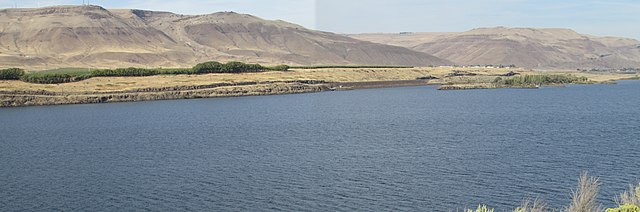
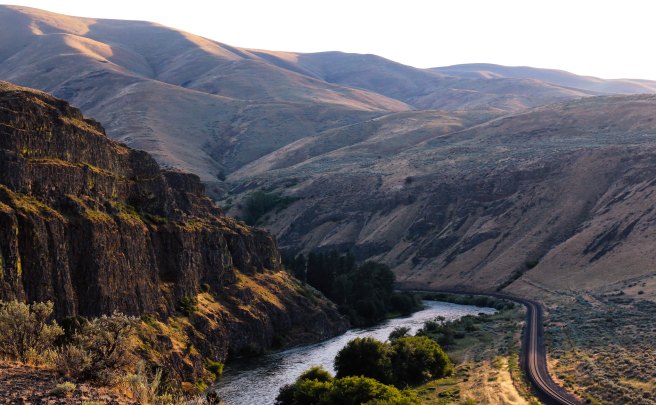
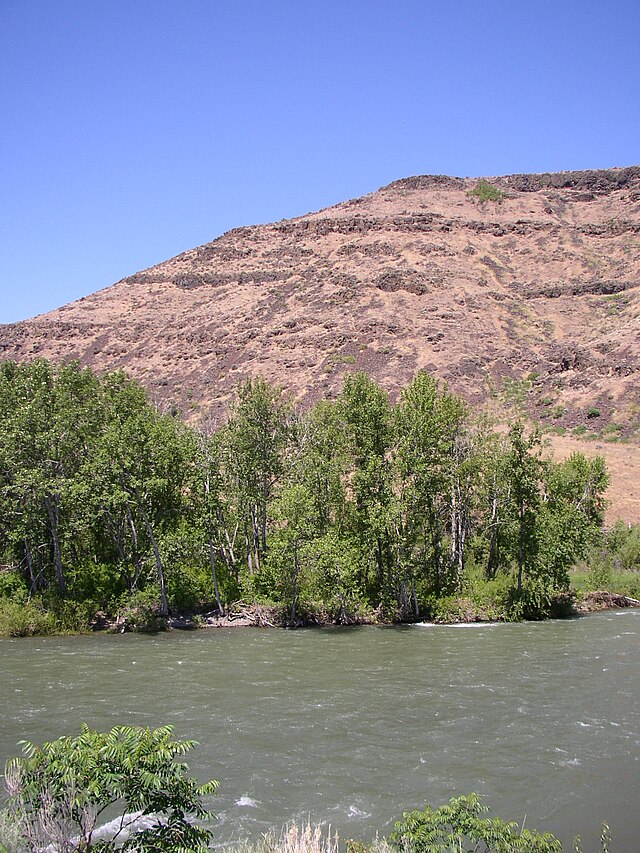
The Yakima River Canyon stretches 27 miles through three major ridges between Yakima and Ellensburg, with summits that rise more than 2,000 feet in places. A railroad and two-lane highway cling to the base beside the river.

In late February, we made our Umtanum ascent, including the bald eagle observation, the first in the valley in 25 years. It was the middle ridge, as I recall, and forms a pivotal chapter in my novel Nearly Canaan.

Thinking of my nature poems … man, the legions of demigods, takes something away, reduces the richness of the land … Nancy Trueblood’s “in the mountains I feel closer to God” … limits the diversity of the species, the expansive quiet, the wonderful circling weaves … in Indiana, my nature poems were often at the edge of the woods — the interface of man, land, and seasons … historical depth where farms sometimes expressed a harmony … a deep cold springhouse, a summer porch … the mountains here, ever green or, like our desert ridge, light brown, are something else … and man adds nothing …

~*~

10 July, Sunday

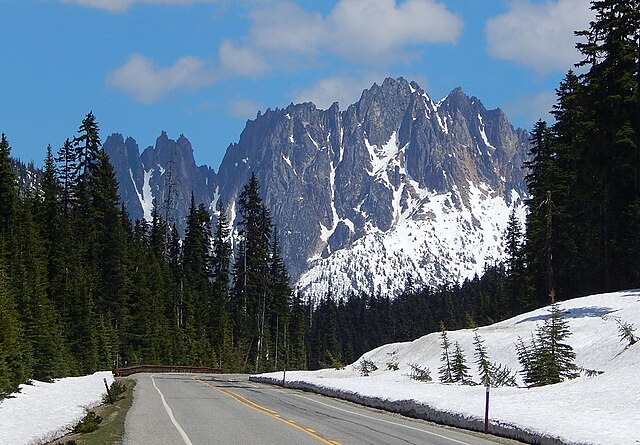
Drove along Sauk Creek to Stevens Pass … [north of Ellensburg]

Gold-mining remains … introduction to Leavenworth and then the North Cascades …

Leavenworth, with its Swiss Alps festive mood … shame that something similar cannot be created/sustained in “American” or Native authentic theme … maybe something to do with America’s lack of holy rivers and mountains or maybe our flat “Christian” approach to life … (Swiss Calvin not withstanding)

~*~

18 July … apricots gone

~*~

31 July/First-day evening

No entries in a week —

Last Sunday, left early for Seattle (after a midnight Saturday shift) to meet Bill and Mig Dietz and Curtis and Jacquie. The whole port city bit: winos, sailors, loggers, porno shops (me, buying newspapers!), Blacks and students, crowded Sunday parks, jazz. Got to know Curtis better, though their planned North Cascades backpacking got jettisoned by Jacquie’s emergency retinal surgery. His gentleness and humor, plus his Seattle friend Bob Green. Our disappointment with the Seattle art museum, then learning it was cut in half, with anything modern at City Center. The aging freaks and the strangest cats.

Met the Dietzes for dinner at Ivar’s, pier 54. How beautiful these people are. Bill’s ability to melt Kitty’s sharp questioning from Jacquie …

Had salmon, scallops. [Not crab?] The Yakima, a sleek new ferry, in the next pier. Seagulls and seafoam.

Heard of one Friend’s decision to go to Australia, though she didn’t have enough cash to get a visa. Hitched to SF, her first ride was with a trucker who CB’d ahead, starting a chain that got her safely, quickly down the pike — always the next ride waiting. Got to the SF consulate office, sat outside till she got a “hardship” visa. Got her case heard. And went on her way, after staying at Friends House.

The uncommonly filling spirit at our parting. So high, elated from this visit, happy to be together, laughing aloud on our long drive home with a new moon.

~*~

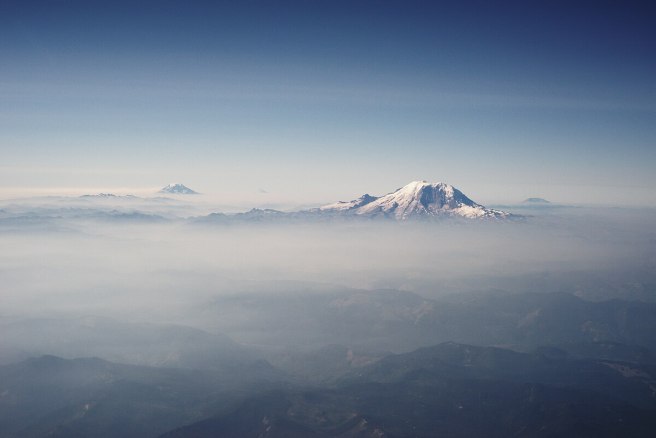
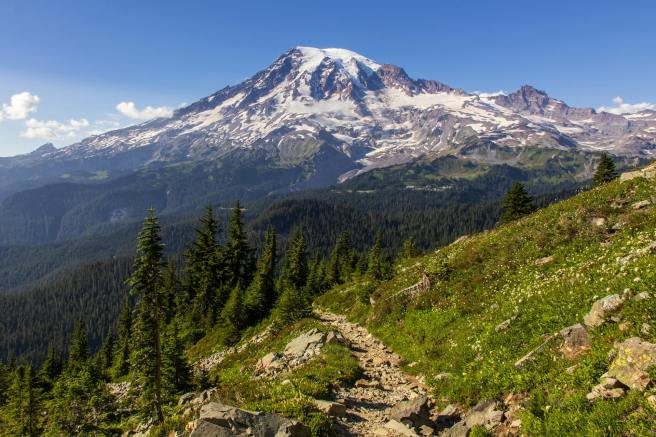
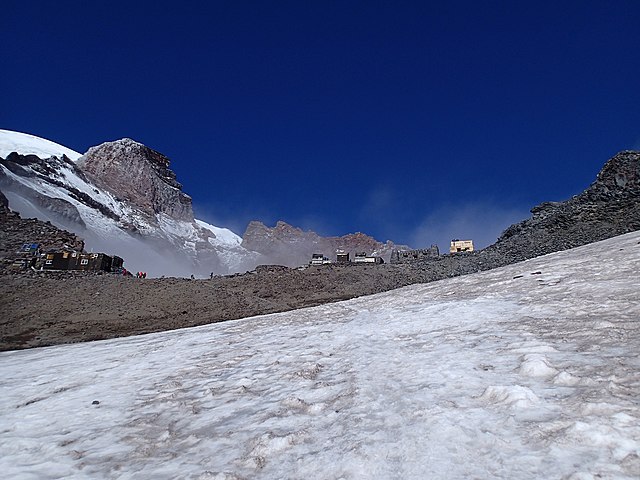
Mount Rainier, photo by William B. Jacobs via Pexels.

Fremont lookout

Rainier National Park

7,200 feet sea level

Kitty joined me in the ascent from Sunrise; thought she’d stop at Frozen Lake but seeing children’s tracks felt shamed into continuing. Amazing Alpine natural gardens …

Clearest day one could hope for: Adams, Goat Rocks sharp view from the trailhead, yet a violet haze layer over Puget Sound from Olympia to Mount Vernon.

Next page a sketched panorama map showing Mount Baker, Glacier peak, and the Stuarts … plus notation, “Olympics a blue ragged line riding above the haze.”

Sitting up here’s just like riding a cloud.

And thus we are cloud-riders being ambushed by ’monks,

the fearless chipmunks attempting to ride our lunch …

~*~

From Spiralbound Cascadia with commentary.
 

Not all of my exploration of our new world was on foot or on wheels

My encounters with the unfamiliar terrain of the Western mountains and desert had me reading everything I could find. The public library was a good start.

As I noted:

Rainier, honeycomb mountain, radiating heat under all that ice and snow — so fragile a good explosion could level it all … a new appreciation for “the temple tops” …

Regarding petroglyphs at the Dalles, to the south of us on the Columbia River:

“It seems impossible to decipher these inscriptions satisfactorily as it is not likely anyone except the makers and those living at the time the work was done could tell what was meant by them” — Newcombe, 1907

Also in Beth and Ray Hill’s Indian Petroglyphs of the Pacific Northwest, 1974, University of Washington Press:

“To make my name good” as a Northwest Native’s goal in life …

~*~

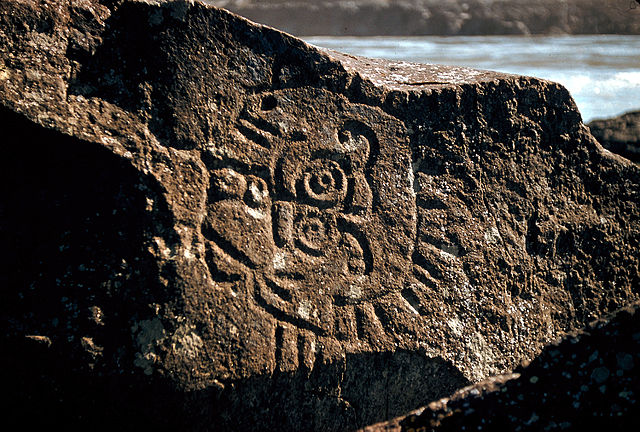
Petroglyph from the Columbia River at Rocky Reach Dam Museum, Chelan County Washington. Rock was rescued from the shores of the Columbia River before the dam flooded it, but many more were not saved. Photo by Thayne Tuason.


Indigenous petroglyphs in Columbia River Gorge near the Dalles Dam by U.S. Army Corps of Engineers, photographer unknown.

~*~

My explorations fill a number of poems and much of my novel Nearly Canaan and of Kokopelli in the Secret Side of Jaya. In fact, I’ve considered the place to be a central character in itself.

~*~

One book I found most useful in understanding the social differences in the Far West was Anti-California. Many of the points its author raised regarding the Golden State fit what I was seeing in the Pacific Northwest. For instance, few children grew up within a day’s drive of their grandparents or aunts and uncles. He saw that as extending into social life in general, which tended to be more polarized, using the Roman Catholic church as an example in having both one of the most conservative cardinals in the world as well as an entire order of nuns that broke away. (I could add that Quakers there came in two opposite camps, liberal “unprogrammed” meetings and pastor-led evangelical churches.) You get the idea. The author had been a correspondent for Newsweek magazine and other respectable periodicals. I didn’t recall the 1971 book’s subtitle, “Report from our first parafascist state,” or know anything about the author, Kenneth Lamott, father of novelist Anne Lamott. As I’m now hearing, he was quite a flamboyant character, to put it mildly. I do wonder how I’d see that book now.

~*~

From Spiralbound Cascadia with commentary.
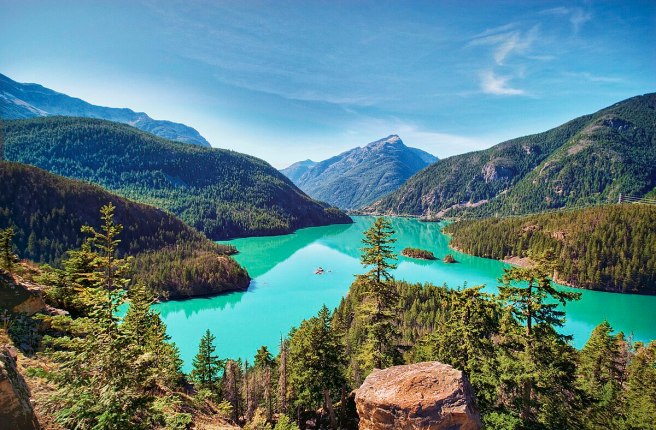
 

My initial explorations in the Cascades

The primary attraction had been the mountains. We were in the foothills on the eastern flank of the Cascade Range. I was getting out into the wild probably every week from summer to the start of winter. Here are a few excerpts.

Darling Mountain

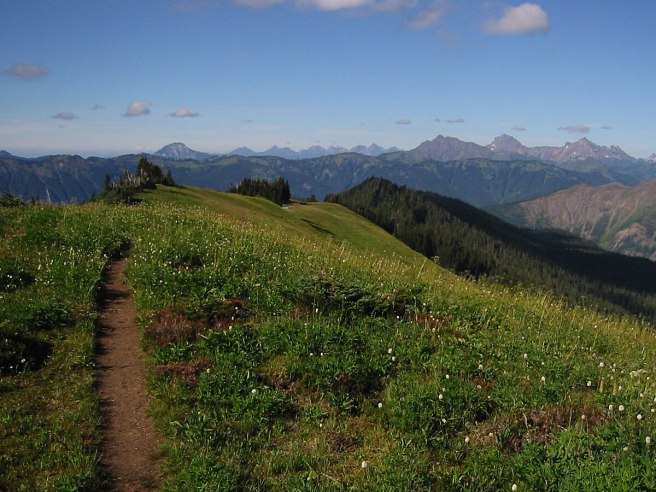
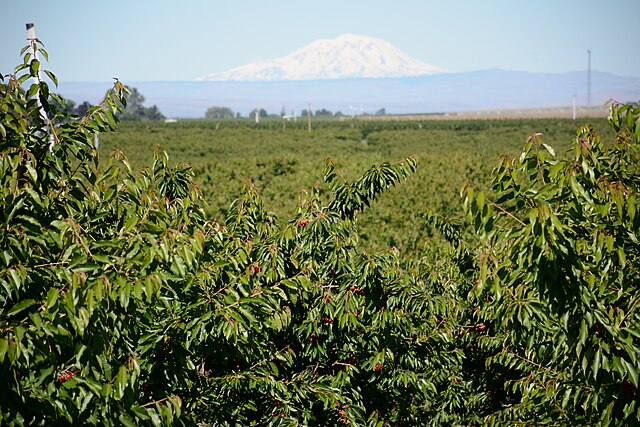
One of my first exploration, maybe the first, was on a Tuesday I had off work, when I drove up the Middle Fork from Tampico and then logging roads to Darling Mountain crest. Sheep scats and tracks around the snow and awesome meadows. Old site of forest fire lookout, since torn down. Climbed a dead tree to enhance the view. Mount Hood, above clouds. Adams, thrusting into them, closer. Goat Rocks across the way, and St. Helens’ perfect cone beyond. Straight ahead, following the road, Rainier thicker into the clouds somehow superior to the others. Then, a golden eagle sailing straight toward me, turning off perhaps 30 yards away, soaring off, circling briefly, and disappearing. With my guest status, I gave gratitude.

Deep forests were extraordinary.

I had no idea that this was on the second-highest logging road in the state.

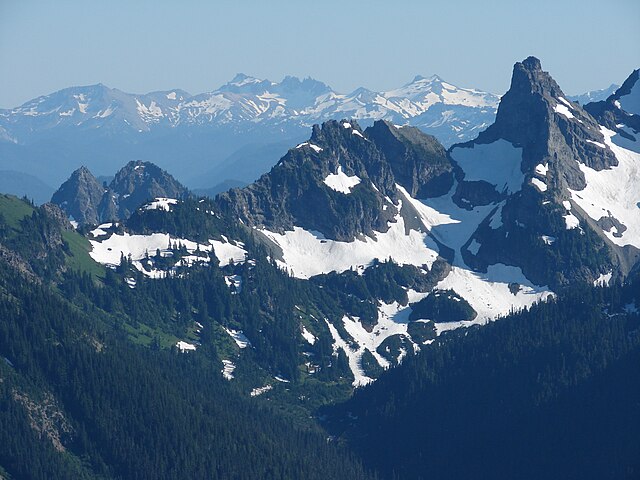
Cowlitz Chimneys (center) with the Goat Rocks (background) from Sunrise point on Mount Rainer, photo by Steve Redman at Wikimedia Commons. 

Rainier route

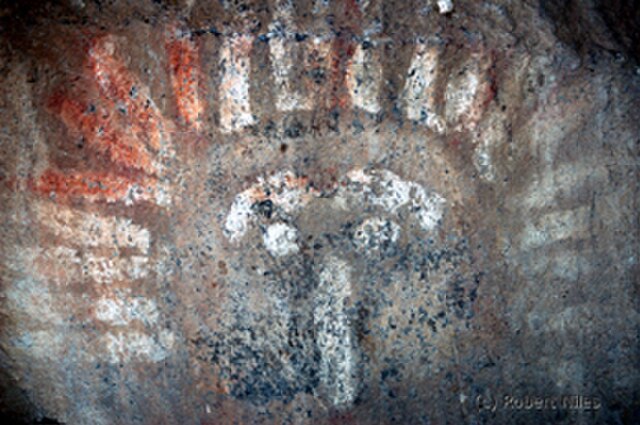
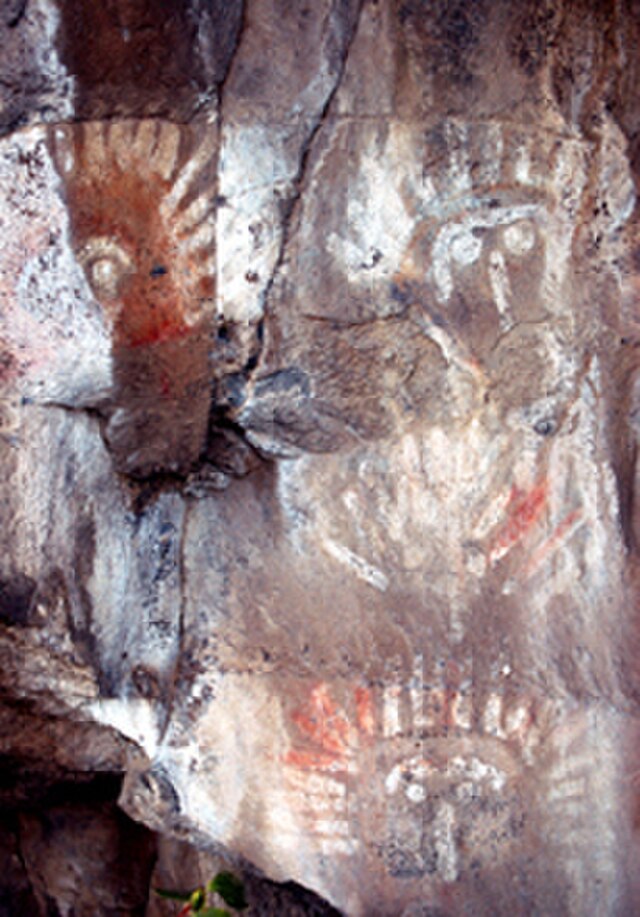
On another trip, on my way to Mount Rainier, saw my first petroglyphs (rock inscriptions) and petrographs (rock paintings) outside of Naches. The paintings looked a little faked — red and white, perhaps with a little blue or red.

They were found near where the Naches and Tieton rivers veered off westward toward the Cascade Range. Photo by William Borg.


Photographs by Robert Niles via Wikimedia Commons.

Our routes to Rainier were progressions through ecosystems that became familiar over repeated exposure as we drove from sagebrush desert into ponderosa pines and reservoirs of future irrigation waters on our way to the high country of the Cascade Crest and the rainforests beyond.

Rainier hikes inspired many poems as well as scenes in my novel Nearly Canaan.

Each day trip was intoxicating.

To the south

John Day Dam in Columbia River: fish ladder and 80-foot drop of locks: air in stomach, at man’s mass of cement: aluminum company by the RR tracks.

Steam locomotive at Maryhill State Park, reflecting Sam Hill’s source of wealth: Maryhill Museum of Fine Arts, his castle above the palisades, green lawn dropping off into clouds. The sculpture studies by Rodin the claim to fame. During the trip, pondering Mount Adams vs Rainier …

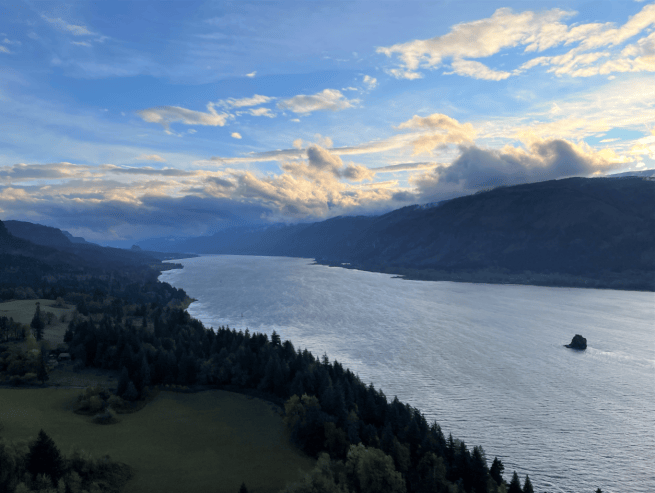
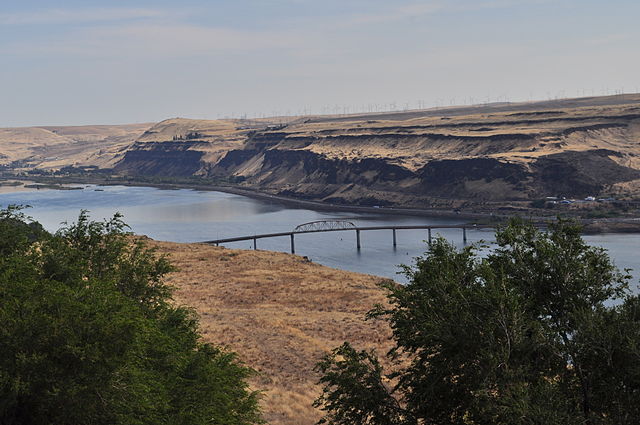
Sam Hill Memorial Bridge and Columbia River, seen from Maryhill Museum of Art, Maryhill, Washington. Oregon at top/right. Photo by Joe Mabel at Wikimedia Commons.

~*~

Along the way

Sweet vinegar smell of hay [up to 5 mowings a year in the interior Far West; the hay was grown in the sunny lands east of the Cascades, and much of it was trucked to dairy farms and other livestock operations on the rainy western side of the mountains].

~*~

From Spiralbound Cascadia with commentary.
 

Acid test environmentalist and poet: Wendell Berry (1934- )

My introduction to Berry came in reading his Long-Legged House while sitting on a gorgeous Navajo rug on the floor of the Ostroms’ contemporary home atop a wooded ravine in southern Indiana. It was a magical matrix, considering the story.

Berry was the embodiment of back-to-the-earth, having returned to his native Kentucky in 1964 and taking up farming by horse teams (or maybe mules). He did so to the consternation of colleagues in Manhattan who argued that he was just beginning to make a name for himself and that he’d lose his momentum and start writing sentimental verse about bluegrass.

Instead, he struck gold. His poems grew from real friendships and longstanding relationships. A bigger calling came in his environmental advocacy, especially as it expanded into real economics that countered the bean counters whose views neglected the value of parents, conservation, health, and the like. It even led him to a radical Christianity, including pacifism, and work with the Amish, where he met David Kline, whose weekly birdwatching columns were collected into a wonderful book, Great Possessions, which Berry helped shepherd to publication. (It’s about much more than birds, believe me. If you’re curious about Amish life, I’d suggest starting here.)

There’s something that’s much more life-affirming in Berry’s writing than in Robinson Jeffords’ strong but misanthropic nature poems from a generation earlier.

Berry had noted that his efforts at rebuilding the soil on his farm took 16 or 17 years to show signs of rebounding. It was something I later observed in our gardening in Dover, dealing with what my wife called Dead Dirt. Over the seasons, ours began to soften and then welcome earthworms and finally flowers and vegetables.

So it is with Berry’s pages.

Acid test poet and essayist: Gary Snyder (1930- )

It’s pure coincidence that he should appear in this series on Earth Day, but it’s totally fitting.

The tumultuous spring of 1970, when the first Earth Day was observed, was also when I first saw someone sitting in deep meditation. The figure was in lotus position under a beech tree totally motionless for perhaps a half hour while I waited for my girlfriend at the street corner nearby. My inner reaction was hostile, wondering how anybody could withdraw from the world amid all of the conflict around us at the time. Only later did I put the events together – Gary Snyder, just back from years of Zen practice in Japan, was giving a reading on campus. I even admired some of his calligraphy in a display in the Student Union. And, as I would discover, he was a leading activist on progressive fronts.

About a year later, when I took up yoga and its meditation, I had already begun reading his poetry and was struck by what seemed wild construction. What I eventually detected was how precisely it fit an American voice yet moved on Asian meters with utmost economy and, in his case, clarity.

About a year later, I was living in a yoga ashram, a monastic community not that different from the Zen monasteries he had known in Japan. In addition, one of his essays told of visiting the ashram of our teacher’s teacher in India. It was perhaps the best portrayal of Sivananda I’ve yet read, free of the usual guru adoration.

Similar flashes continued as I returned to Indiana, where he had done graduate studies, and then on to his native Washington state, where he had long been a much better mountaineer than I ever would be. Still, the high country he celebrated was both real and transcendental, even in my briefer experiences. His familiarity with Indigenous tribes also informed my own encounters while living at the edge of the Yakama reservation.

I relate more of this in a poem in my Elders Hold chapbook, should you be interested.

Or, for a thinly veiled biography of him before he left for Japan, there’s Japhy Ryder in Jack Kerouac’s Dharma Bums.

Much of my writing, poetry and fiction, has concentrated on place itself, and that’s been something Snyder, too, has done. While I have moved independently of his example, I have been indebted and inspired.

Hari Om Tat Sat!

Our old garden has been obliterated

People used to walk down our street in Dover just to admire our garden. They told us how much pleasure and peace it gave them. It also attracted a range of wildlife, including hummingbirds, butterflies, or the occasional turkey or fox.

Throughout the year, the garden also led to many photos you can still find here at the Red Barn.

It was, by many standards, funky. The weeds were never completely controlled, but it was prolific and made good use of what we sometimes called the Swamp, after its mucky clay soil in late spring and early summer. Our pet rabbits delighted in much of what we picked there, too.

The new owners, alas, have bulldozed all that. The strawberries, raspberries, blueberries, currants as well as the raised beds and shrubbery screens – gone. Twenty-years of reclaiming the once tired soil and then dining well as a result – gone. Naturally, we’re lamenting, knowing how much more they must be spending on groceries that won’t be as fresh or tasty.

We have to recognize, of course, that we’ve left all that behind and no longer have a say in the matter.

But we still feel sad or even a tad angry. Ahhh!

We’re even part of the famed Bay of Fundy

Maybe you’ve heard of it, the place of the world’s most extreme tides, up to 53 feet every six or so hours, meaning about six feet hourly on average or up to 12-plus in certain time windows.

If you swim, you know that’s way over your head.

So here’s a little perspective.

  1. Most U.S. maps cut out nearby Canada, leaving little sense of how much lies east of Maine and not just north. That’s anything beyond Portland, essentially, yet not that far north of Boston.
  2. Typically excised from maps of Maine, the big island of Grand Manan is essentially as lengthy as Martha’s Vineyard but with much more substantial cliffs and an undeniably working fisherman economy. To get there, you need a ferry hop or two from Canada. And that’s saying nothing of its craggy inhabitants. It’s definitely on my bucket list.
  3. Technically, I dwell on one of the subsidiary waters. Fundy Bay itself is about 55 miles wide just south of here, pointing to another place renowned for its scallops. Or is that also east? In other words, Fundy’s big.
  4. The bay’s positions of Maine and New Brunswick, on one side, and Nova Scotia, on the other, act as a funnel that intensifies Atlantic currents in and out of the channel. It’s a long story but likely worthwhile for certain nerds, especially once you see how it shapes up on the dinner plate. The intensity of the record tides does have some techies well as others drooling.
  5. That leads to the possibilities of electrical generation. Mainers would definitely welcome a reduction in our electrical bill. Wind, solar, and tidal power generation are all rising as important sources.
  6. We are mused by one local craftsman who proclaims her studio the Clay of Fundy. She’s hardly alone. You’d be amused or quite critical of the range of wordplay prompted by the Fundy word.
  7. It has rivers that reverse their flow, a phenomenon known as tidal bore.
  8. The bay can report up to ten kinds of whales every summer.
  9. For water to get from the mouth of the bay to its crown can take up to 13 hours.
  10. Its ecosystem is said to rival the Amazon’s. Just ask scuba divers.


Looking ahead to the year 2050

I’ve been part of a study group that’s been trying to envision a sustainable future for our small corner of the globe.

It’s been an exciting exercise, actually, looking for ways we can enhance what we have in conjunction with neighboring communities.

But it’s also terrifying, when we look more broadly.

Nine billion population, up from one billion when I was born. Can the globe really carry that load? I’m doubtful, but maybe.

Let’s start with increasing urbanization. I was blown away by the fact that 75 percent of Britain is considered urbanized today.

Add to that global warming. The regions where population is booming will be scrambling for food and water. Yes, water becomes essential. As well as ways to earn a livable income.

Now consider the automation of many jobs, something that points toward income readjustment, which is being largely ignored in public discussion.

Get political, and Republicans are in utter denial about all this, something I find deeply troubling. Engage, intelligently, will you? The future of humanity is at stake. Or are you really dinosaurs, just looking only for your next meal?

According to the projections, I’m in a good place to survive this – or at least my descendants are. Yeah, the ocean will be closer to our doorstep, even if we are higher than the downtown we adore. Still, the directions on the charts point to a lot of turbulence ahead, especially desperation and violence.

Here, in these workshops, we’ve been looking at the enhanced value of tourism, seeing our place as a pocket of natural wonder. As much as I love that projection, I doubt things will be that easy.

Will Florida actually be off the map by then, along with all of its reactionary politics? Or maybe those partisans will still be denying global warming would ever happen.

Where do you see the world in just 30 years?

Or even in just six, 2030?


Maine’s Common Ground Fair has a cult following – and we’re going

It’s like a state fair in the hippie, organic, granola-mind reality. There’s no midway with carnival rides, for sure, but for truly inquiring-minds folk, it’s an autumn equinox slash harvest-time celebration.

Yes, let’s declare a true Thanksgiving, minus turkeys.

Shortened in its post-Covid resurrection, this year’s gathering in Unity, Maine, is the premiere event of the Maine Organic Farmers and Gardeners Association (MOFGA), and runs Sept. 23 through 25.

Now that we’re living in Maine, we can identify as members and look forward to attending, even though in New Hampshire we were surrounded by devotees. Yes, it’s that boffo.

As an aside, I can attest to enjoying my best-ever souvlaki ever, from a wood stove, no less, at an earlier fair. Gee, and I hate standing in line. It was worth it.

This is definitely a hippie-vision positive manifestation of the radical mindset of nirvana. And there’s no honky-tonk.

This year’s poster will no doubt be displayed on a wall of our new abode.

See you there?

Now I’m wondering how our utility bills stack up

With a landmass of 16,577 square miles, the country of Denmark is almost exactly half the size of Maine and has six-times the population of the Pine Tree State. Yet Denmark uses close to 10,000 megawatts of power annually, about double of what Maine uses.

If my math’s right, that means they’re using only a third of what we do, per capita.

How do they do it?

We both have cold winters with long nights. And most of us rely on fuel oil for heat.

And, for the record, nearly half of Maine is uninhabited, year-‘round, meaning the lived-in part of Maine’s about the size of Denmark. They do stay warm and keep the lights on, don’t they?