
Tag: Dover
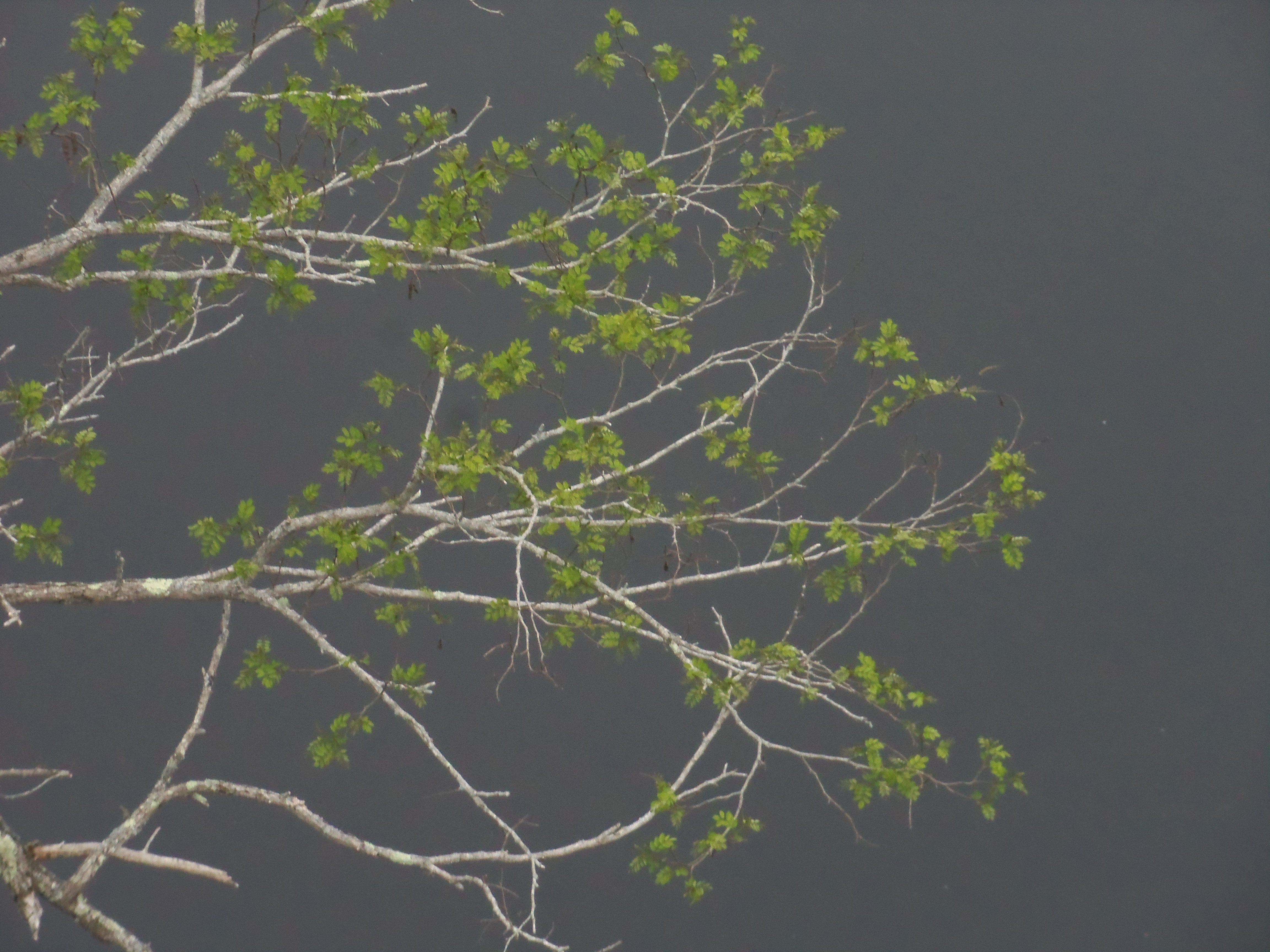
STUDY IN GRAY AND GREEN
IVAR’S PAINT QUIP
I wish he hadn’t said it. My former landlord in the Yakima Valley, visiting us here in New England, remarked on how many of the houses he saw that were in need of new paint. That was before he saw ours, too.
Now, in this seemingly picturesque location, everywhere I turn, I see houses with peeling paint. Or worse.
I wish he hadn’t said it.
At least he said nothing about roofing.
NO MATTER THE PRICE
Inscribed on gravestone of John P. Hale (1806-73) in Dover:
He who lies beneath surrendered office, place, and power rather than bow down and worship slavery …
He was the first United States senator to take a stand against slavery.
Earlier, while serving in the federal House of Representatives, he refused to follow the New Hampshire legislature’s directive to support the admission of Texas as a slaveholding state. In the following election, barred by his party from running under its banner, he ran as an independent; none of the three candidates won a majority and the district went unrepresented.


FUN-DRAISING
Looked up as I drove by a big green lawn the other day and saw it was dotted with pink. A bright pink unlike any flowers we grow in these parts.
Then I smiled, realized the house had just been flocked – there was even a note stuck on a stick.
In a flash, even at a distance (this was the kind of place that has a small pond between the house and the highway), I sensed the two dozen flamingos were all uniform, likely brand-new, unlike the motley band we “quarantined” for our own use all too many years ago now. Why, ours even multiplied in the course of their service – some of the dads were making new ones from plywood, rather than plastic.
Flocked, you ask? Oh, I was sure I’d told that story, somewhere.
BRAKE FOR MOOSE, TOO
On a May night five years ago, while driving home from the office, I did something I’d never before done: braked to keep from hitting an owl. Actually, I began braking because of a gray flutter in the foliage on the right side of the road – a deer, perhaps, or moose, because of the shoulder-height of the movement and color. Instead, the owl flew out over the road and continued for a hundred feet or more up Route 155 as I followed, before turning to perch in a tree, where I caught a glimpse of its shape.
Several weeks earlier, in the same stretch of roadway, I saw a smaller owl (or so I’d say) dart across the road, above the pavement by a dozen feet.
Earlier that week, I had two glorious commutes via the Mountain Route. The first, clear sky – brilliant green pointillism set off by sunlight and blue. Two days later, drizzle and fog – quite moody, especially with a matching live broadcast performance of Ravel by the Formosa Quartet, one that looked mostly, as it were, into the soft shadows rather than the usual sunlight. (Renoir, more than Monet or Serrat.)
How easily such glories can be lost in the memory. How wonderful, to revisit them.
AN UPDATE, OF SORTS
The world of fellow bloggers keeps reminding me how far behind the curve our northern New England calendar can be when it comes to springtime. We still have snow in parts of the yard, for one thing. Yet since we’re near the ocean, our weather is a week ahead of places only a few miles inland, meaning to our west or our north.
Still, there’s been a definite change in the air. A very welcome change. And even a few signs of green, in addition to the final gray puffing of the pussy willow stalks.
Let’s not neglect those gardening bloggers in the Southern Hemisphere, either, reminding us of their approaching autumn.
For many of us, then, it never lets up. Plug on as we will!
~*~
Although I’ve posted in previous seasons on our use of seaweed as a mulch for our garden, I don’t think I reported on the results. Yes, many things get lost in the cracks of daily living.
The short answer is that I’ve been returning to the beach lately to load up on more. A lot more. Since the master gardener in our household can’t seem to get enough of this magical mixture, I fill black plastic bags and tote them home in the trunk as I can. So far, that’s been five trips.
While last year’s weather wasn’t exactly typical, meaning we can’t factor out its impact cleanly, we can say that we had our best garden yet – and the seaweed appeared to play a big role.
Since our soil is largely clay-based, we’re usually plagued with garden slugs, but last year they were at a minimum. Apparently, the slugs don’t like the salty mineral nature of the mulch when it’s fresh, and they don’t like its prickly nature when it’s dry. On top of it all, the plants love the mineral nutrients. And so I’m trying to load up between the end of the frozen weather and mid-May, when the town down the road in Maine closes its beach parking to non-residents like me.
~*~
While I’m still thinking about the snowfall, I can say our seasonal total unofficially came to a hair under 80 inches. (Yes, we can still get more, but it will melt quickly.) We’ve had more, but this just felt onerous. At least we didn’t get any storms that dropped two or three feet in one swoop to push the season’s total into three figures.
Where we live, harsh winters come in one of two varieties: either unusually cold and dry or else with a heavier than normal snow total. This year we had both rolled into one. Four months of snow cover and all those near-zero lows (or below) have taken a toll on even the heartiest among us.
And, yes, the black flies and weeds are already appearing. Mud season is upon us, after all.
COCHECO MILLS CLASSICS


The short distance between New England’s mountains and its Atlantic coast means its rivers and streams drop in elevation rather quickly, and that has provided both powerful currents and many opportunities for power-generating dams. As a consequence, the region is peppered with old mills – usually brick but sometimes stone or even framed wood – that were once the industrial backbone of America.
Downtown Dover, for instance, is built around the Cocheco Falls, where the river plunges into the tidewater. The falls are topped with a dam, and the diverted water once powered a complex of textile mills that produced world-famous calico, among other woven products. The Amoskeag Mills in Manchester, meanwhile, were noted for their denim, which supplied Levi Strauss in his legendary San Francisco production. Nor was fabric the only product coming from the mills. Everything from precision tools to locomotives to shoes and socks and cigars was being shipped from the cities and towns along the waterways.
Over the years, many of these mills have fallen into disuse through a combination of newer technologies, cheaper competition from steam-powered Southern mills, and overseas production. But the legacy remains.
As I learn from my elder daughter while examining a glorious sampling of cloth she’s intending to turn into quilts or comforters, the designer Judie Rothermel has recreated some of the classic patterns found at the American Textile History Museum in Lowell, Massachusetts, and reproduced them in partnership with Marcus Fabrics.
The Cocheco Mills Collection, issued serially over several years, is one of the impressive results.
Let me say, some of the technical results are mesmerizing while the colors are deep and delicious.
How did we ever stop making this?
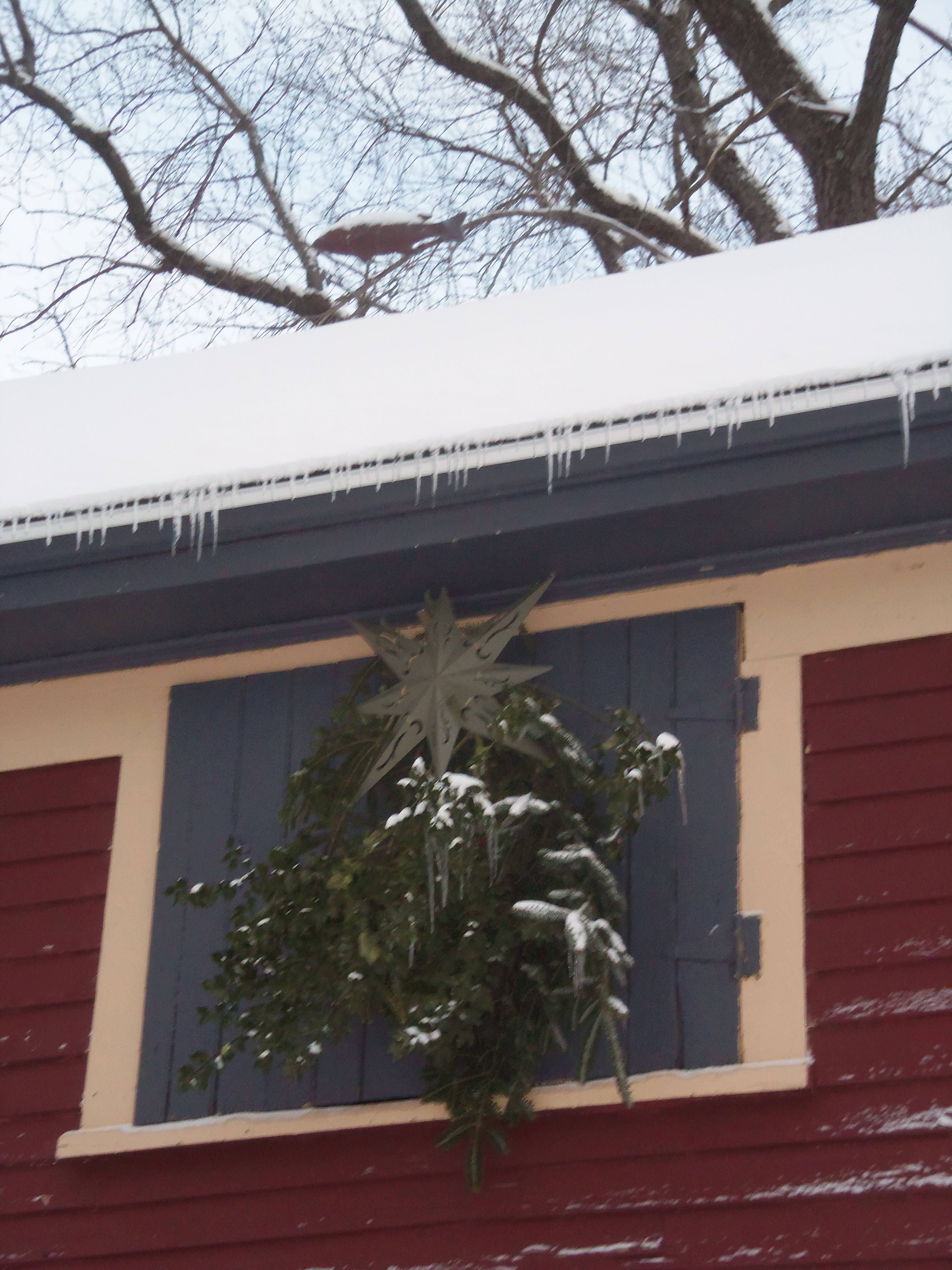
WITH A SWAG
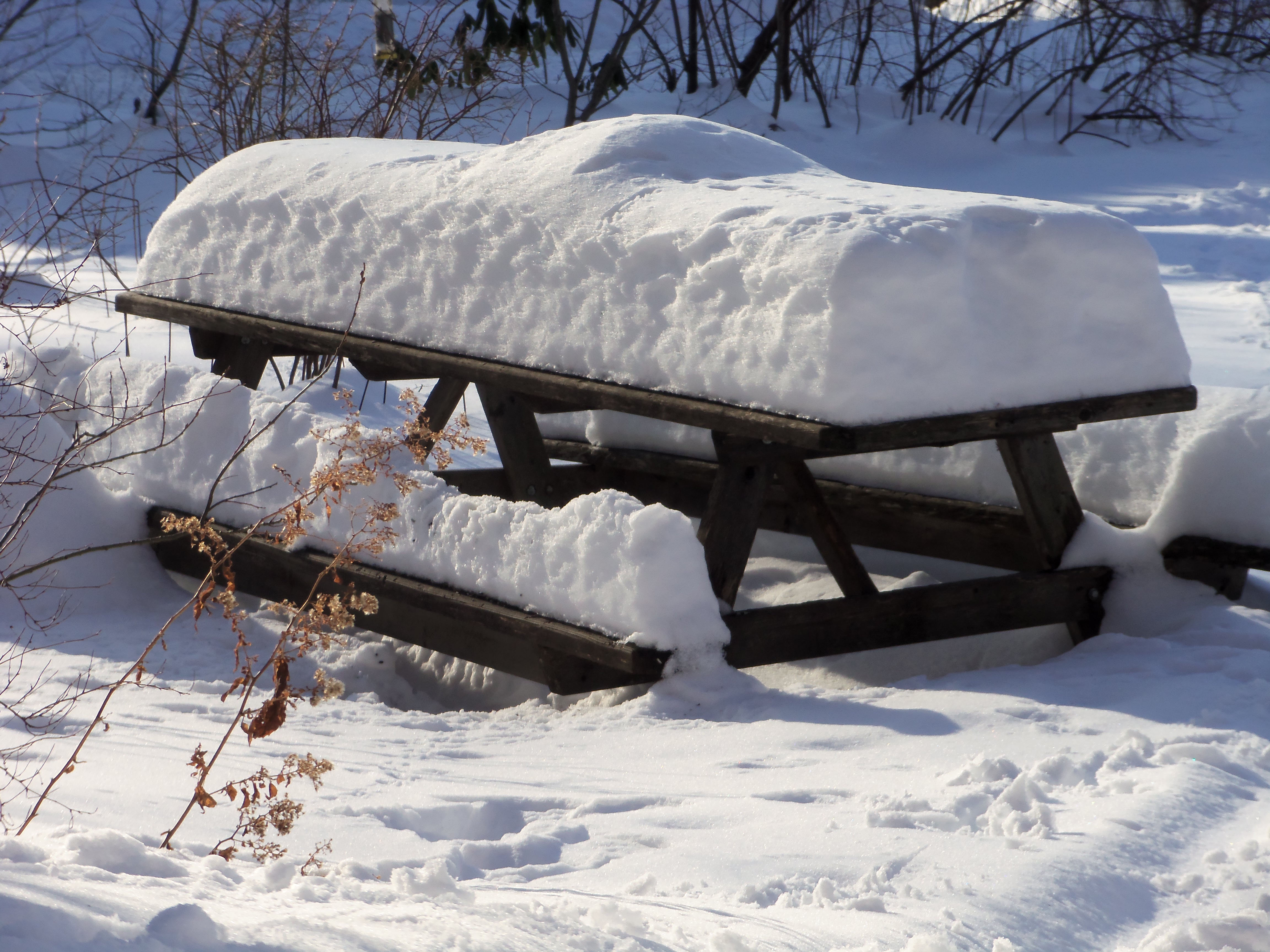
OUR FIRST TWO SNOWS OF THE SEASON
 Jnana's Red Barn