You never know what we'll churn up in cleaning a stall
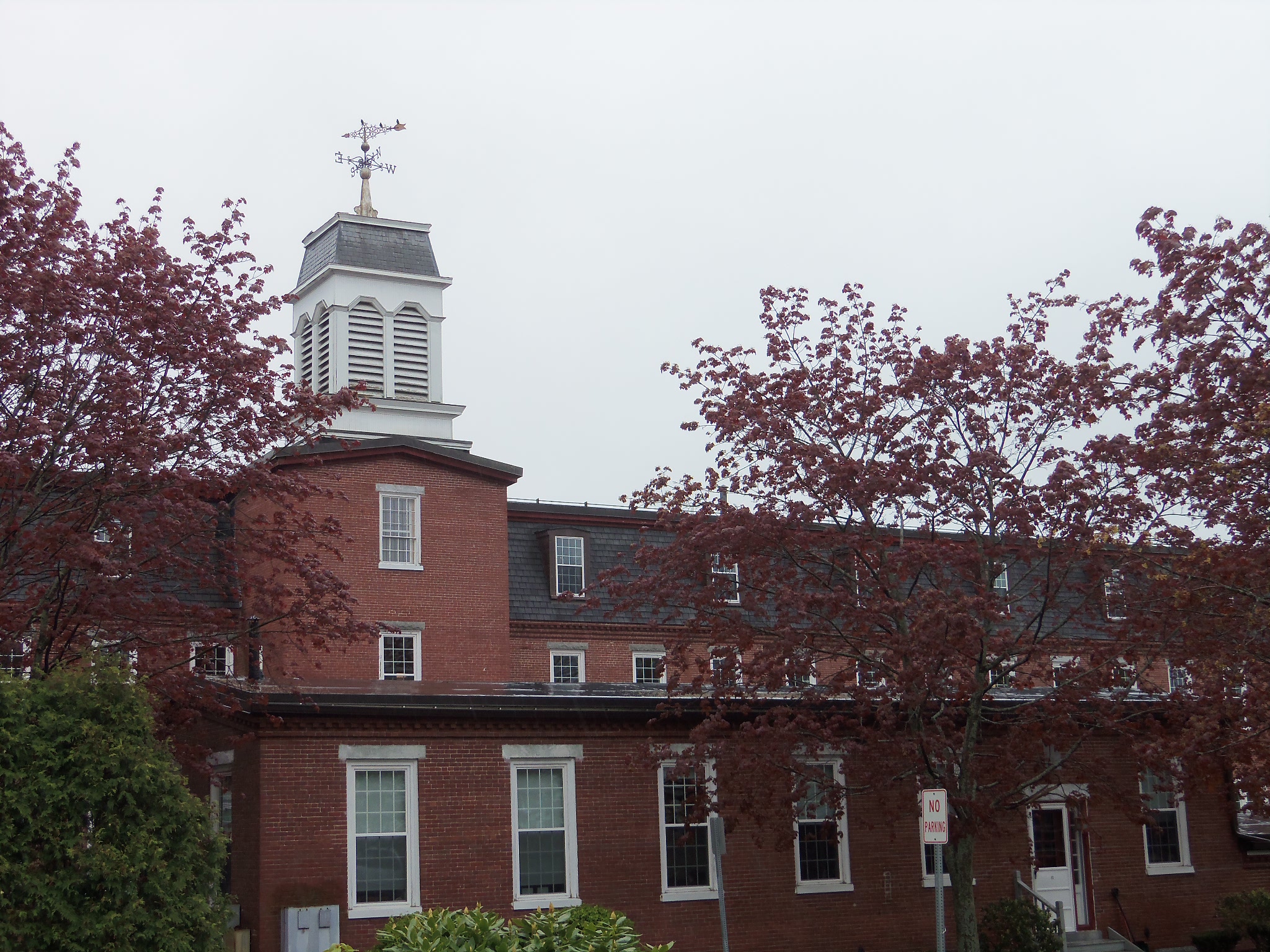
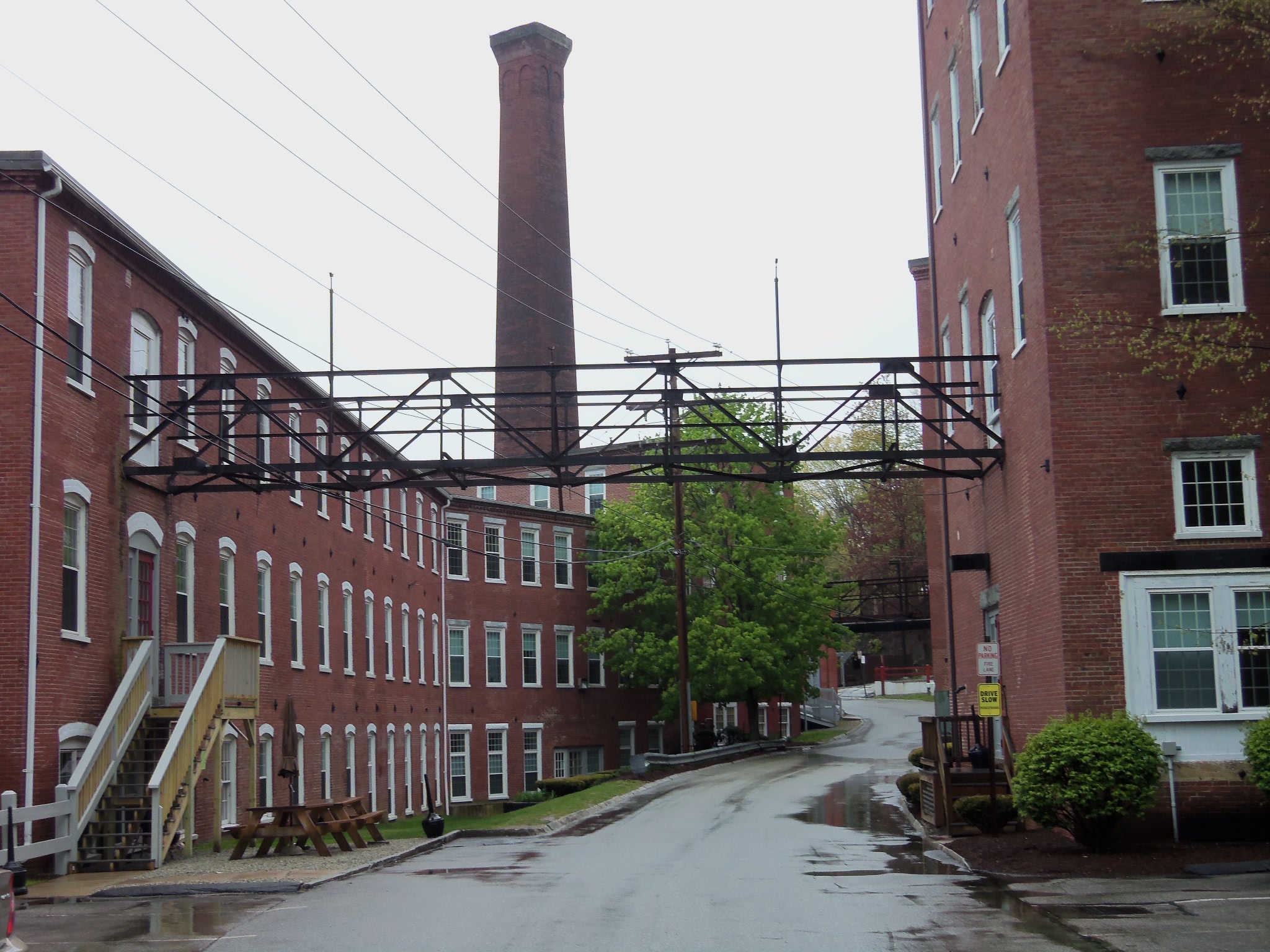
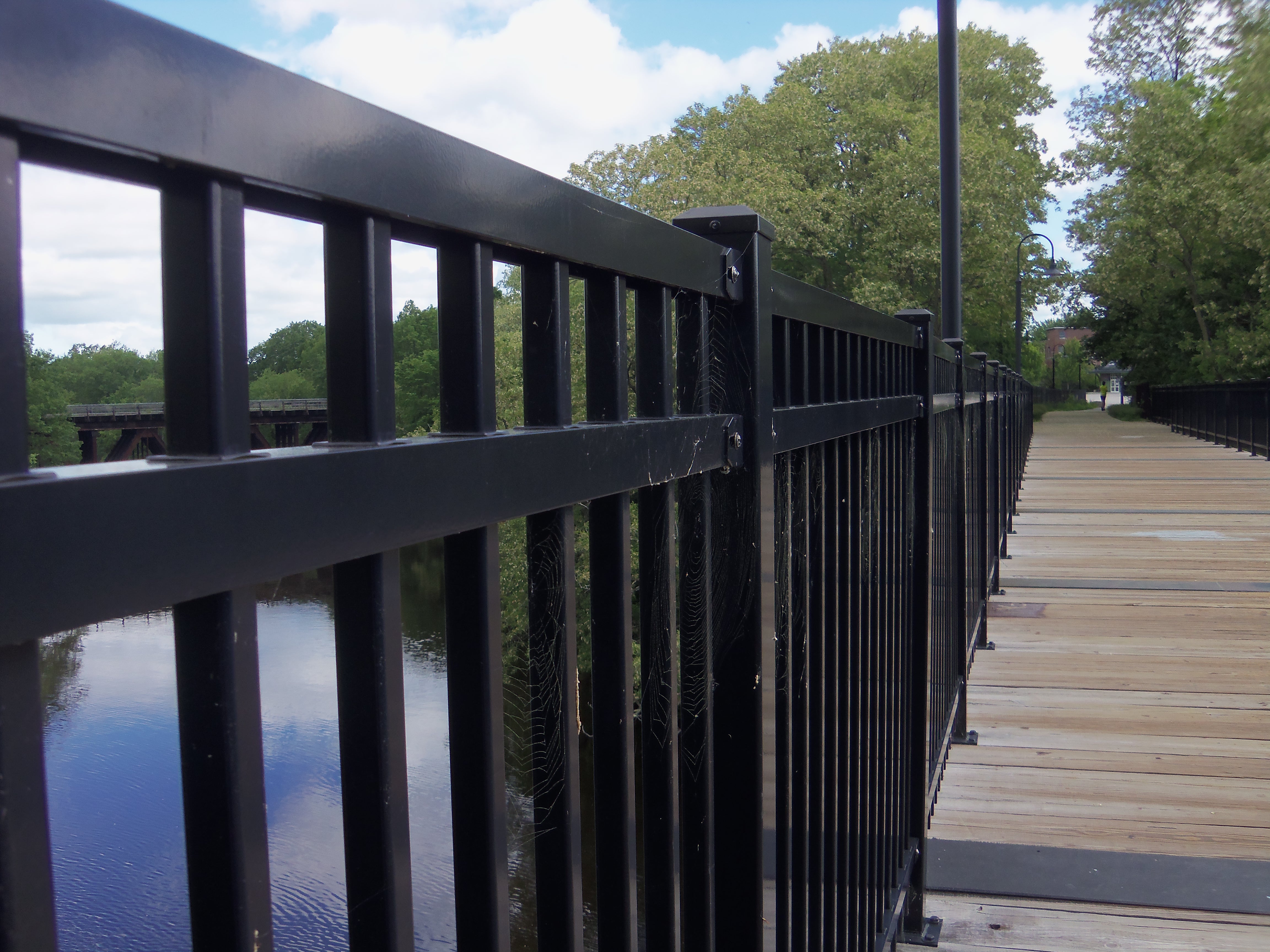
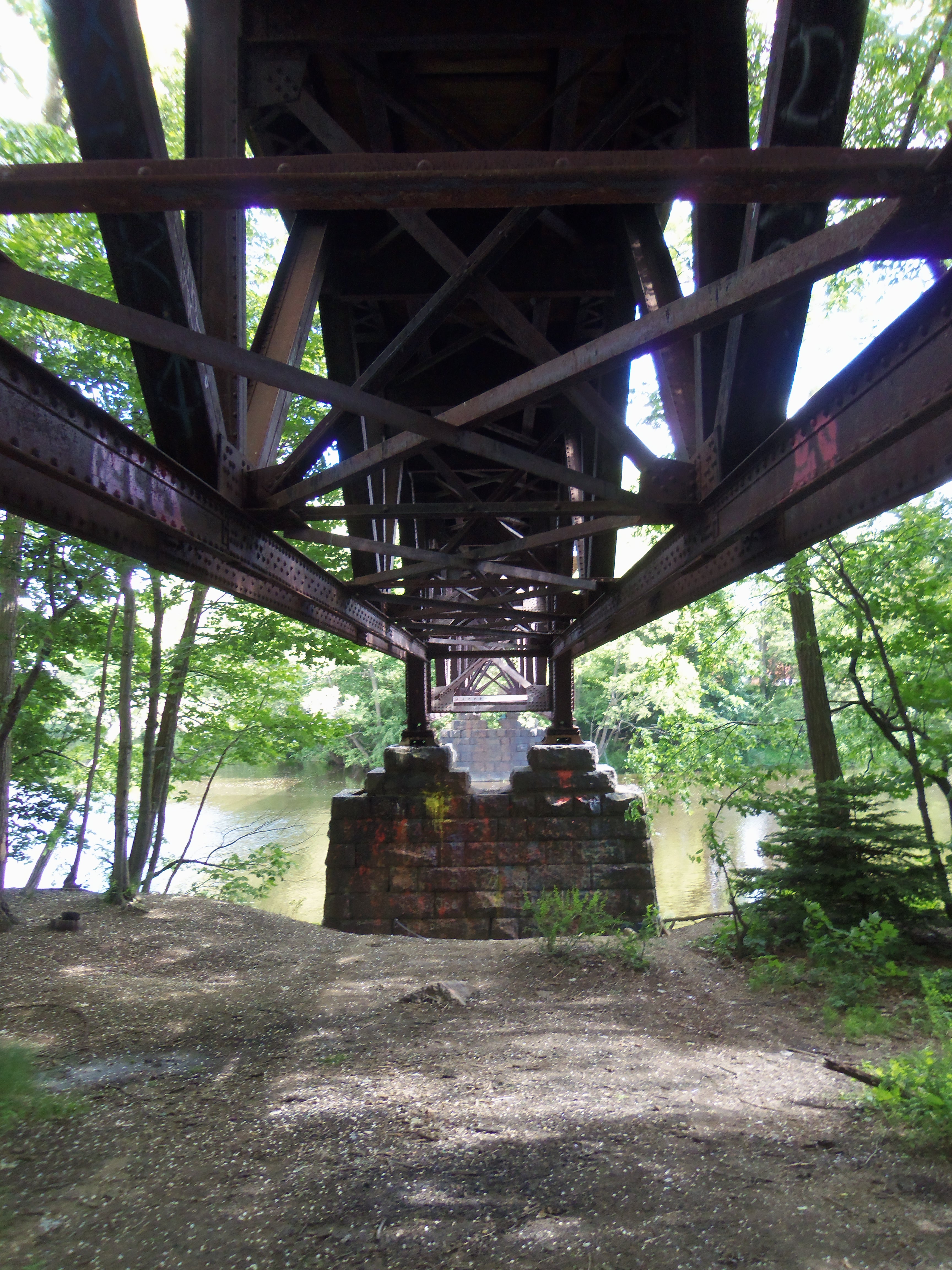
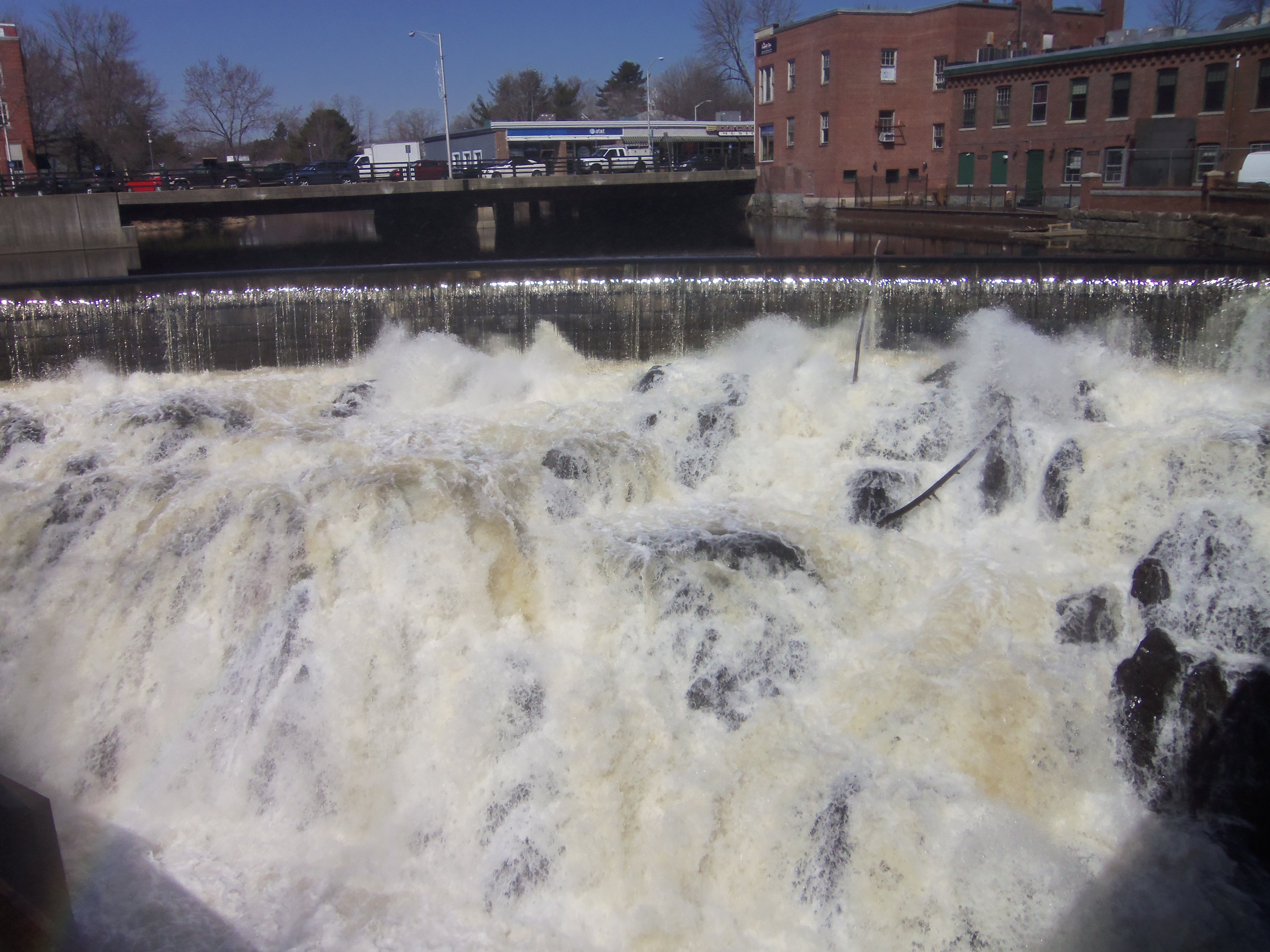
While the Cocheco Millworks in downtown Dover anchor the center of the town, the Sawyers Mill complex is tucked away on the Bellamy River.
Both the Cocheco and Bellamy form the flanks of Dover Point as they flow toward the sea.
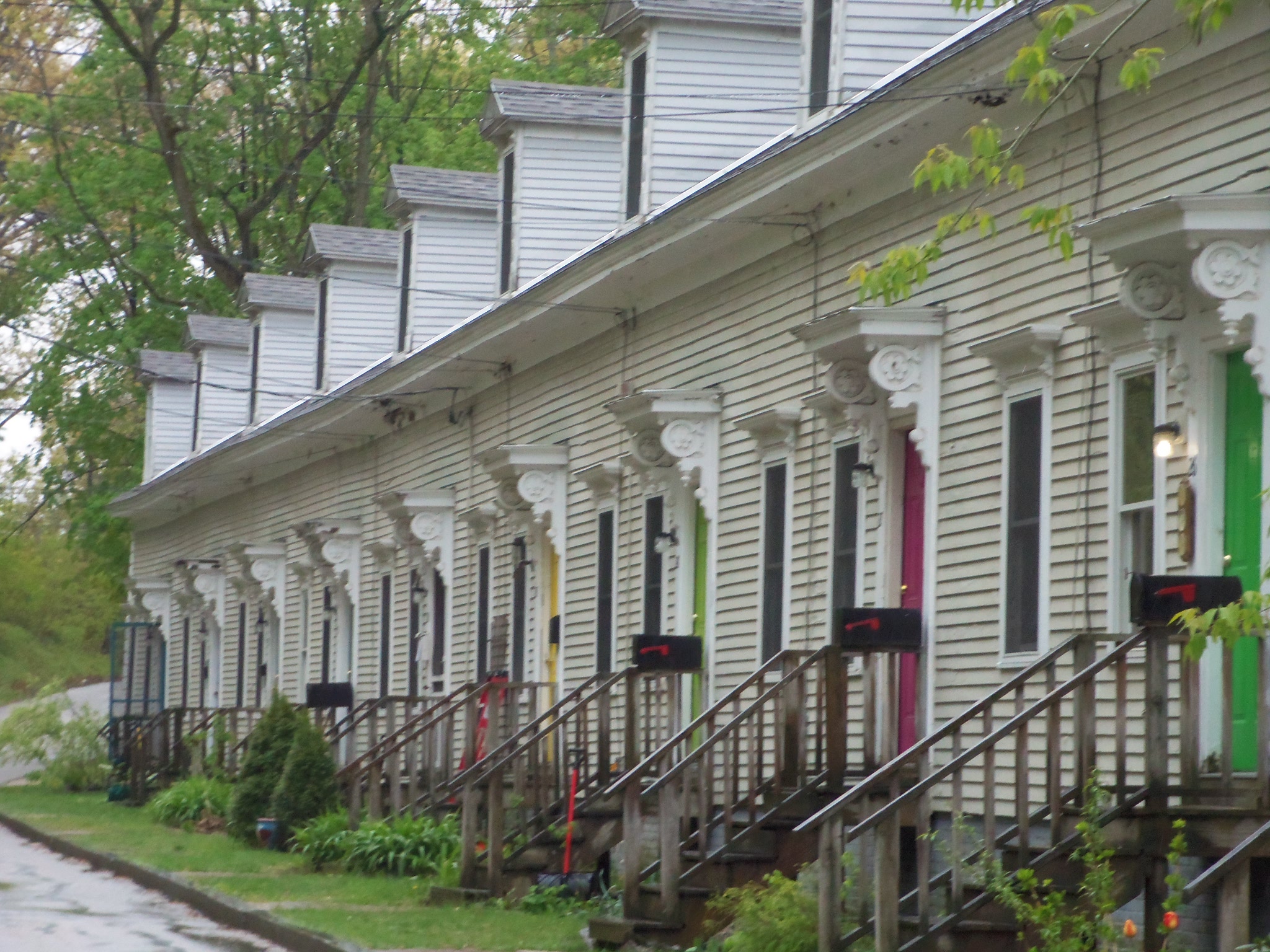


As municipalities emerged in the 19th century, the populace often took pride in the local identity – and this was reflected in the craftsmanship and details adorning their public buildings.


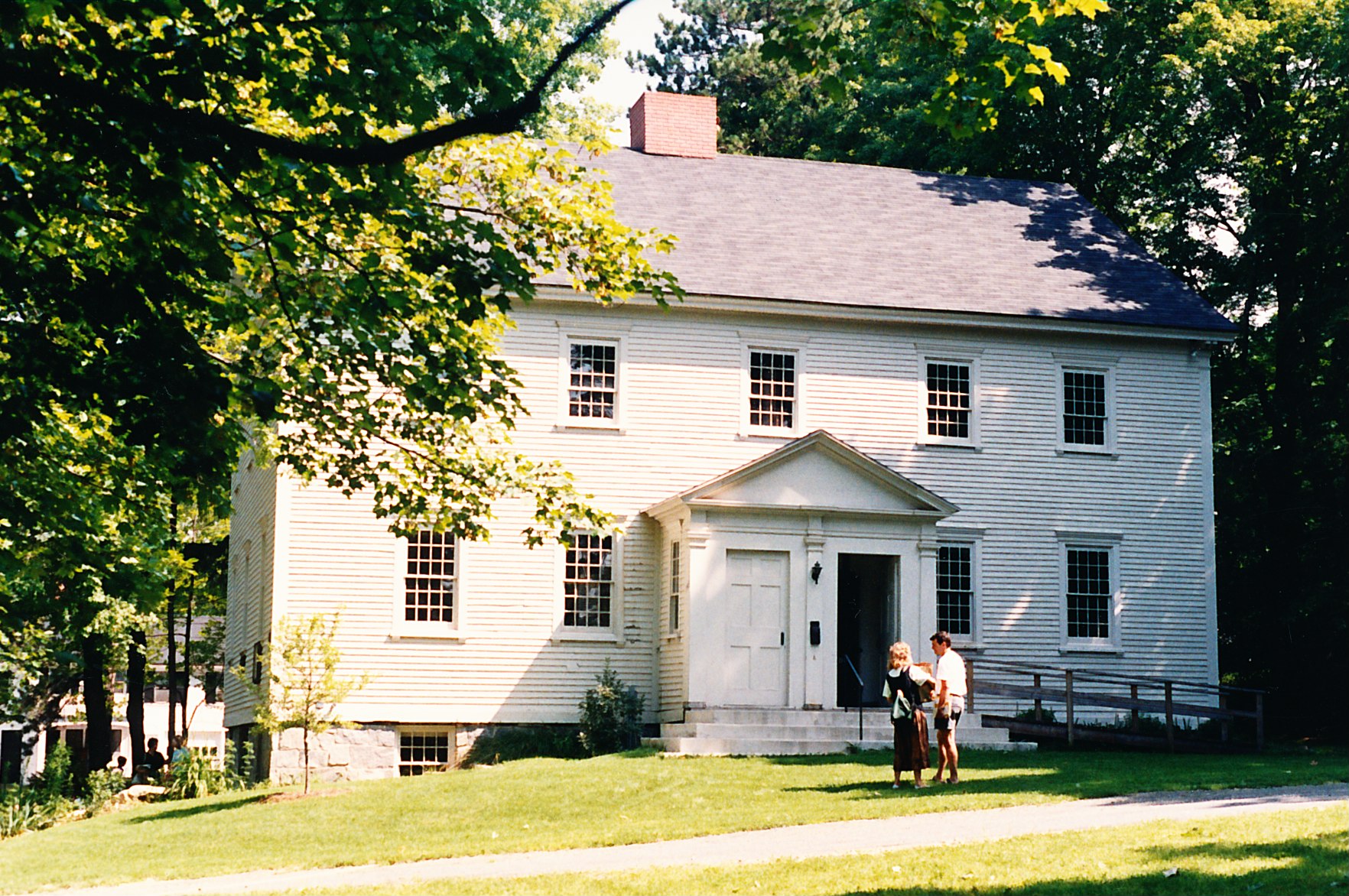
Today commemorates the 247th anniversary of the erection of our meetinghouse. And to think, this was Dover Friends’ third house of worship, coming a little more than a century after the first Quaker convincements along the Cocheco River. The structure covers a lot of history, as we would see if we created timelines of those years – the entire life of our nation, for starters. Add to that science, the arts and leisure, religion, education, economics … the overlays become mind-boggling.
It’s hard for us to envision that day, with its swarm of activity, everyone seemingly knowing the tasks to be done. Cookbook writer Marcia Adams says it takes at least 100 to 150 men to raise an Amish barn, and then recites a menu that fed 175 men in the 1800s. Oxen and strong horses or mules would have been part of the scene, with pulleys and poles lifting the posts and beams into place. Many of the skills used have likely been lost to antiquity. A similar number of women would have busily arranged the accompanying feast, and children would have been assisting everywhere. Today, Jehovah’s Witnesses do something similar when they construct a new Kingdom Hall, which like the Amish barn or our meetinghouse, goes up in a single day.
Settling into worship, I once again regard our Quaker ancestors’ application of classical proportions, pleasing to the eye. The additional touches others have added across the years. Plumbing, heating, wiring, the classrooms upstairs and down. I also realize how much my own perception of the building has changed, now that I’ve become a New England homeowner. How much responsibility we carry for the upkeep of this legacy or how difficult it would be to replace what we have.
In the background, I hear an echo of an old Friend in Iowa, viewing the beautiful curly maple shutters in a meetinghouse about to be shipped by rail car to another part of the state. “It will be a good thing if they be not too proud of it,” she said, with a curious balance of humility and admiration. The advice, of course, extends to us, as well. The fact remains that Friends do not worship in a temple but a house, with all of its Biblical sense of extended family and even their domestic animals. Welcome to our house.
Physical fitness has never been high on my list of priorities. Not the ones that actually find action. Yes, there have been stages where hatha yoga was a routine activity. And getting ready for mountain trails could be another.
Right after college, as I mentioned a while back, I did swim indoor laps through one winter – maybe two or three times a week.
So here I am, in retirement, getting back into the swimming – in part a consequence of elder daughter’s Christmas gift of a yearlong pass to the city’s indoor pool, and in part due to the urging of my physician.
It’s interesting watching the stages of adjustment here.
The first month, three laps – a mere three – were my limit of ability. And that was a fight, three times a week. A fight for air. A fight to get to the end of the lane. It was embarrassing.
Slowly, I’ve been edging up to 10 laps a day, five days a week. Sometimes more.
Each length of the pool has its own kind of stroke, a rotation of free-style, back, breast, and each side. It helps keeping count, too.
Since nine laps is a bit more than a quarter-mile, it’s adding up.
With my sinuses and allergies, breathing will always be a problem. At least I’m able to do half of my lengths without the nose clips now. (What a relief!)
One breakthrough came in sensing I was no longer fighting to get from one end to the other but instead engaging the resistance of the water to my advantage. That’s not the same as being at home in the water or even relaxed, but it does change the relationship.
And then there was the recognition of moments of ease – say in the glide pushing off from the end or easing off at the other, or the lift between strokes.
The other afternoon, pausing before returning to my car, I realized I was exhausted, as I always am after the laps. But there was also another sensation. I felt GOOD. As in satisfied.
Allelujah!
I’d finished my laps. Was getting ready to exit the building when I glanced at the literature rack. There it was:
I’m retired, like most of the people I swim with.
Still, this matter of pride kicked in.
I have more than enough to do as it is. So I’m telling myself.
Our first spring in the house, we discovered that our lawnmower wouldn’t work. Maybe we wouldn’t have been able to use in it the Swamp anyway, considering how wet that side yard can be. By the time the mower was back, though, the Swamp had gone wild. Waist-high with growth.
That’s when our elderly neighbor, Ernie, told me he had a scythe, offered to lend it to me, showed me how to cradle it and cut, and just how sharp he’d honed it.
So off I went. He was right, there’s a trick to using it right. But it’s work, all the same. Hard work.
So it’s something I’ve now done once in my life. And, hopefully, never again.
Yes, there’s good reason weed-whackers have taken over.
SCYTHE
in the meantime, waiting to refurbish
the red cobwebbed mower my wife salvaged
from her first marriage. The plot grows waist-high
and matted until our elderly neighbor extracts
a scythe from his garage and demonstrates its use
after which I vow, “never again!” while admiring
its hungry edge and once commonplace muscular skill
yes, before I get a functioning lawnmower
the swamp erupts in waist-deep weeds
on its far side, elderly Ernie laughs knowingly
before lending my his scythe
and demonstrating its use
“just call me Scythemaster”
my girls are instructed
watching me rock the cradle
oh, then, do I ache deeply …
poem copyright 2015 by Jnana Hodson
So when did this appreciation begin? When I lived in the orchard house, we had a big lilac bush at the corner of the yard – the one where the bees swarmed from the hive that one day.
But I think the real change happened that spring after my first marriage collapsed and I was finally in love again. I crowded the house with those cut blossoms and their fragrance. It’s enough to make me picture a blue silk kimono.
That was years ago, and many miles. Yet the lilacs are more precious than ever.
As I said at the time, when I lived in that last apartment, I vowed if I ever bought my own place, I’d get cuttings from a friend whose lilacs likely descended from the first ones brought to North America. Of course, I didn’t, and the owner has since moved into a retirement center.
Even so, these days, we have our own, screening the Smoking Garden from the street. One lilac had, in fact, grown as tall as the house – but hollow. It’s been work, restoring them to flowering condition.
Still, there’s nothing more luxurious than lilac cuttings arrayed in the bedroom, with their heavenly aroma.
So quickly, they pass.
Physical exercise has never been high on my list of activities – at least until I discovered hatha yoga a year after I graduated from college. From the time of required elementary-school gym classes, or phys ed as they became known in high school, I found the experience largely tedious – there were always better things to do. And calisthenics were simply mind-numbing. As for that lap around the track? The teacher who told a student it was good for a broken leg – true story, I was there – convinced me the male authority figure we were dealing with was an idiot. Or just insane. Yes, I did enjoy hiking and bicycling but they fell outside the sphere of “exercise.” Ditto for the contradancing.
The major exception was my first winter after college as I swam regularly at the local university indoor pool – a privilege that came through my roommate’s girlfriend, who happened to be the chief lifeguard. This was just before taking up yoga, come to think of it. (The school wised up later and started charging “outsiders.”)
And then? Well, I tried several times to get a regular routine going, but nothing ever took hold. And then when I retired from the office and changed medical plans, my new doctor began encouraging … maybe not running the way he does, but something cardio-vascular. Oh, my.
Tick-tock to last Christmas, when my beloved elder stepdaughter gave me a yearlong pass to our city’s indoor pool. Meant having to go through some hoops, of course – the whole matter of scheduling, locker rooms, gear. (I’ve always had to use nose plugs – my sinuses are horrible – so where do you find a new pair in January?)
Let me say, the first month was embarrassing – three laps just three times a week. And then Doc insisted it be daily, or in my case, five times a week. What happened to the two dozen lengths or more I used to do without pausing? These days, I could barely breathe.
Three months later, it’s up to nine laps – a quarter of a mile – but I do have to pause every length or two to catch my breath. But it’s getting easier, generating less resistance. I’m still not getting much sensation of flying, something I used to appreciate, but it’s coming. Or even a feeling of being one with the water.
But, hate to admit this, I miss the feeling on the days I can’t go – the weekend, mostly, when the available hours don’t match mine.
And then there are the casual conversations with fellow swimmers. Nice to know I’m not alone after all. As for the embarrassment? Ah! Not anymore. We just keep plugging along. Or I just say I’m trying to keep my physician happy. Not that it matters.
 Jnana's Red Barn