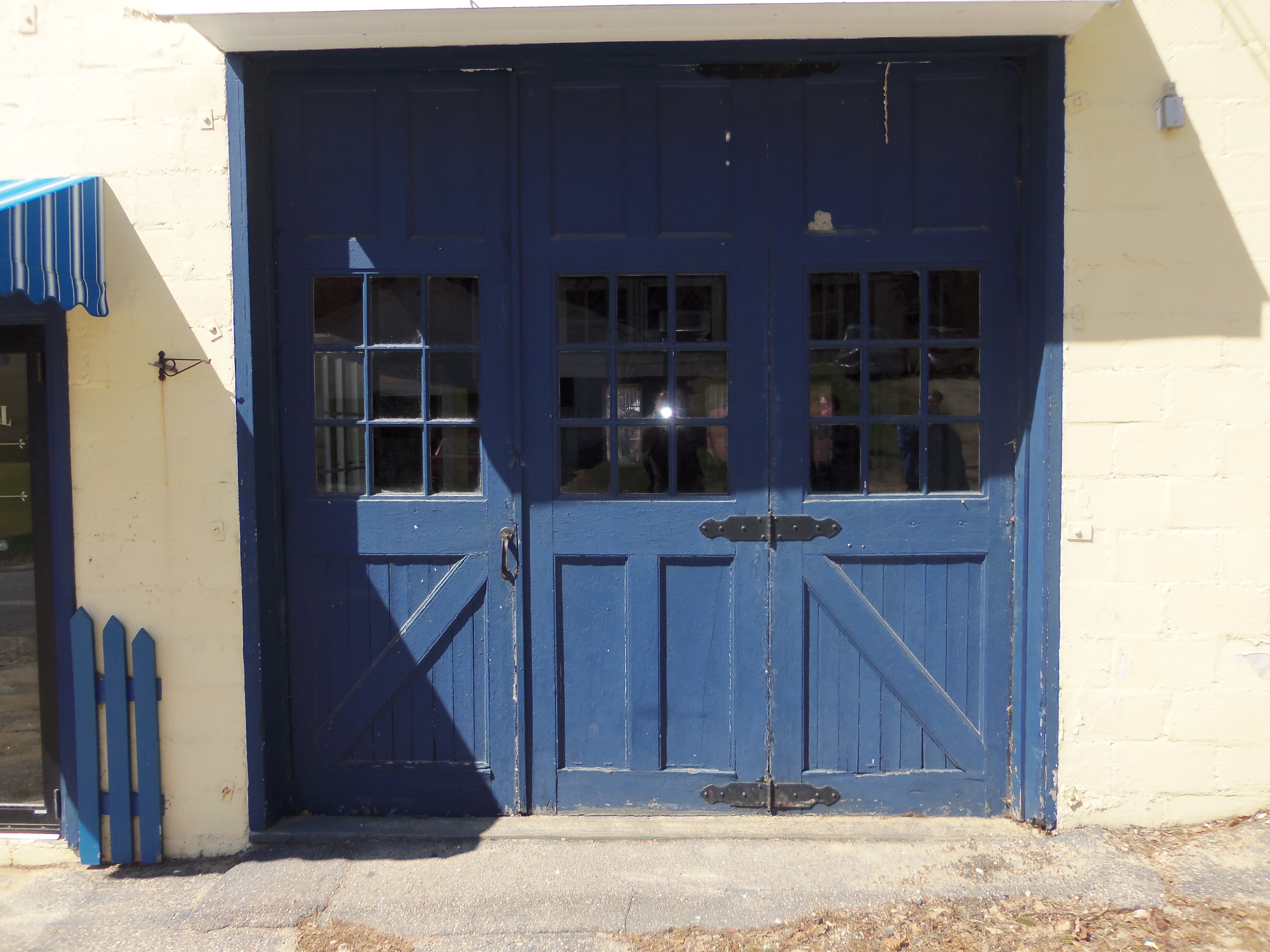
BLUE DOORS
You never know what we'll churn up in cleaning a stall
When I think of essential tools, I’ve already mentioned the wheelbarrow and loppers. We could add the Cuisinart in the kitchen. Well, you get the picture.
But let’s not overlook the hammock.
She protested when she unwrapped the hammock we’d landed for her birthday.
Still, it went to the Smoking Garden, set parallel to the barn. And her resistance wore down, bit by bit, till one afternoon she fell asleep in it. She never, I should add, takes a nap. Ahem.
I’d say a hammock is an important garden tool, or thinking tool, even if it has no handles. You can work out a lot of problems there.
At the moment, it’s in pieces, stored in the top of the barn. Like so much else, waiting for warming and thawing.
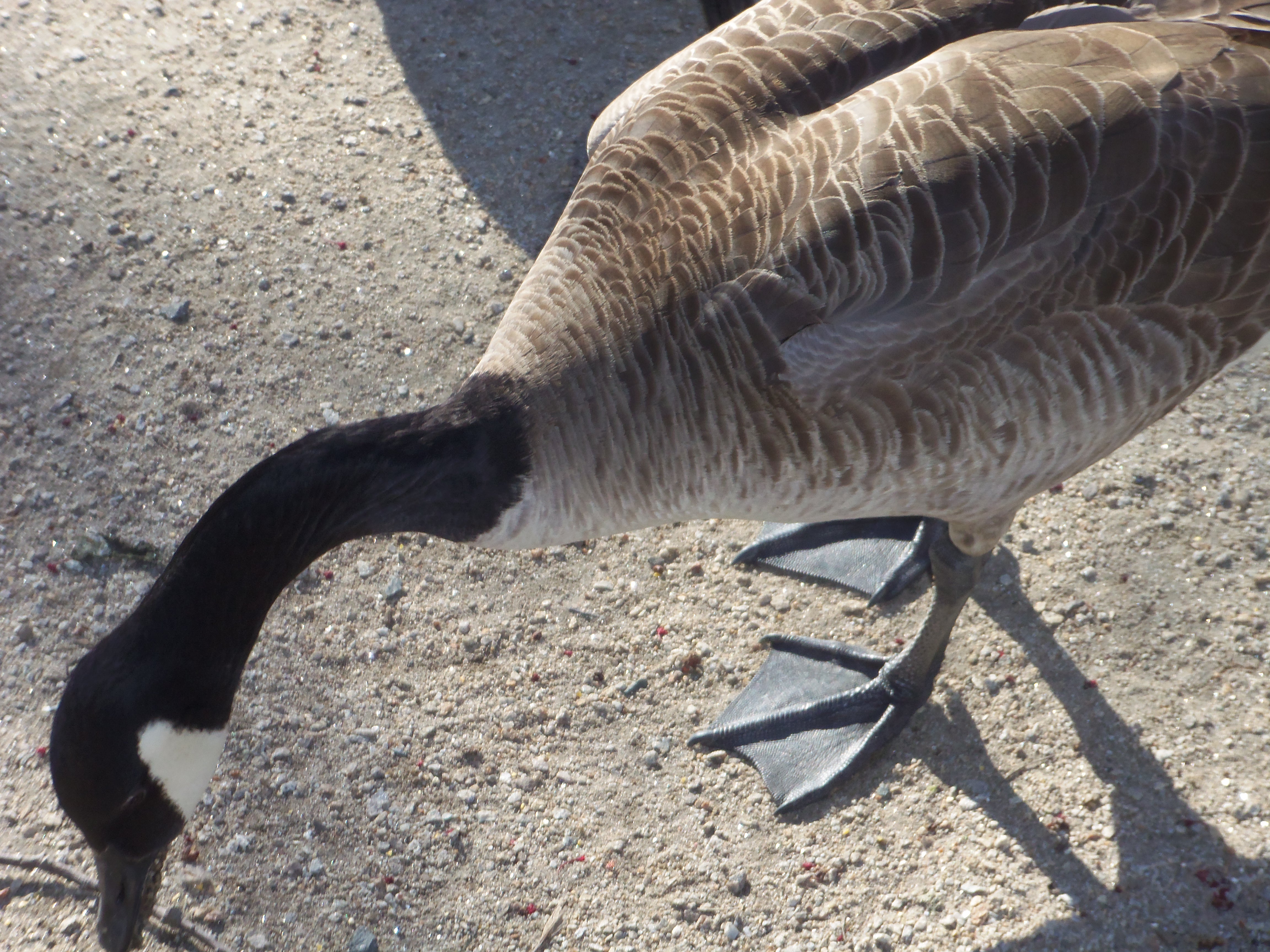
Playing with my entry-level Kodak digital camera, I’ll have to admit, has been a lot of fun. And I hope you’ve been enjoying the results I keep posting here at the Barn.
But I’d never consider myself a photographer, especially after working with some of the best in the news business. After watching them cope with so many of the nuances of light- and shutter-speed adjustments in the days of negatives and film-processing, I can’t shake the awareness that this digital stuff is just too easy. (Well, I’ve written about feeling the same way about desktop publishing in comparison to the old Linotype craftsmanship back I started my journalism career.)
Yes, the real photographers today are still meticulous about getting everything right. They use tripods, slow-speed exposure, lens adjustments for depth and focus, and so much more. Whether to Photoshop an image later is a whole other discussion.
Maybe it’s in homage to their high standards that I’ve chosen (with rare exceptions) to compose or crop my pictures in the camera itself, using only the 5x zoom. Yes, sometimes the camera “sees” quite differently than I do at the time – color and light, especially, but I’ve chosen to stick with that rather than trying to “correct” it later. Art and crafts, after all, function best within limitations. Yes, too, my work is taken “on the fly,” rather than waiting hours for perfect conditions, the way a real photographer would do.
The bottom line? I’m getting fond of the funky results, even if some of the work of my former colleagues is so incredibly exquisite it often brings tears to my eyes. Never, ever, forget the gap between what they’re doing and what the rest of us are attempting with our cellphones and cameras these days.
~*~
Now, for an update: Our latest round of Christmas gifts brought me a new camera, a huge improvement, I must add, and one my elder daughter, in giving it a test run, almost didn’t return. I’ll admit, the Olympus is a lot of fun, even as I’m just starting to play with it.
But I must also confess, it still doesn’t change my perspective on the Real Photographers and the rest of us. Humility, then, in the face of brilliance.
As I said at the time …
The image is simple enough, and direct: a sunfish transferred to paper, a child’s project in dull red poster paint. The specimen, found on a beach, measures fourteen by seven inches – larger than most of the fish caught back where I’m from, but nothing remarkable here. It has long, prominent spiny dorsal and pelvic fins (the anal fin’s much smaller), and a rather compact caudal, or tail, fin. While much of the scale pattern is apparent, it’s difficult to tell about pectoral fins. The gills and eye, however, are thick paint, and a band of dots runs most of the length of the body to the tail. The mouth, of course, is agape with a small, receding lower jaw. It’s the roundness of the profile that kindles my imagination – at least rounder than the way I would draw a fish or design a machine for the water. As soon as I acknowledge the underlying circle, it becomes drawn out, like a balloon pinched apart by two fingers.
Sometimes I picture a fish encased in a suit of mail armor, though I know that’s hardly the case. Rather, the intricacy of the interlocking exterior – like shingles on a house, rather than brick or stonework – fascinates my landlubber sensibilities. As I stare, the image becomes concave – the fattest part of the body, because of the scales, has the most openness, the least paint. Still, there’s no anticipation the fish will suddenly turn, either in attack or in flight.
I suppose that roasted over open flames or fried in a skillet, a meal might emerge. It’s larger than a typical trout, after all. The child behind the painting, however, now refuses to eat seafood of almost any variety.
The nature of fish is as mysterious to me as the array of the night sky, and to my mind far less mechanical than the knowledge of hooks, bait, spinners, and water depths prized by devoted fishermen. Jesus promised, of course, to make us fish for people, a far more elusive objective than any school underwater.
The paper itself has yellowed and crinkled, as I have.


