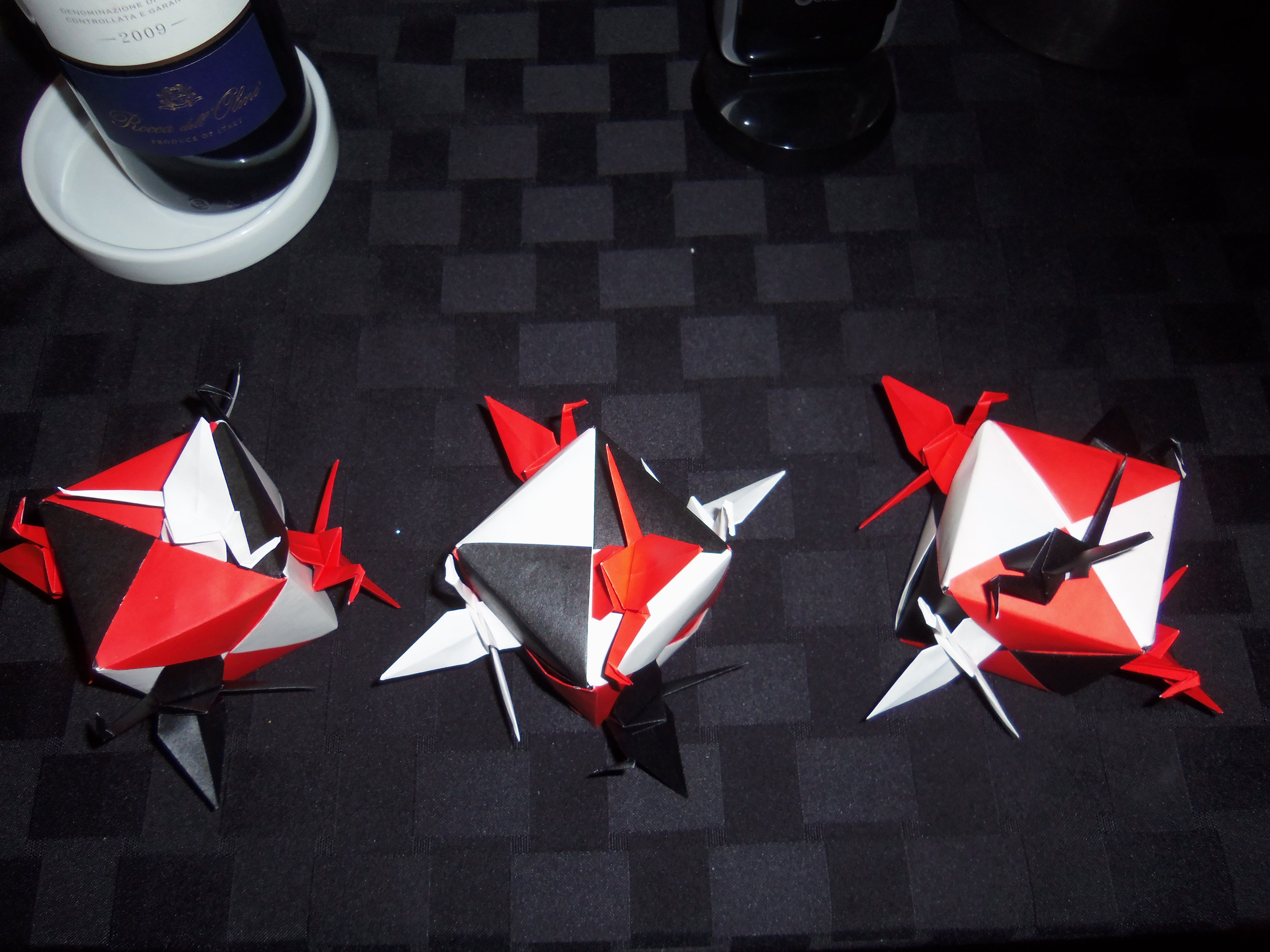
BIRTHDAY ORIGAMI
You never know what we'll churn up in cleaning a stall
As I said at the time …
The image is simple enough, and direct: a sunfish transferred to paper, a child’s project in dull red poster paint. The specimen, found on a beach, measures fourteen by seven inches – larger than most of the fish caught back where I’m from, but nothing remarkable here. It has long, prominent spiny dorsal and pelvic fins (the anal fin’s much smaller), and a rather compact caudal, or tail, fin. While much of the scale pattern is apparent, it’s difficult to tell about pectoral fins. The gills and eye, however, are thick paint, and a band of dots runs most of the length of the body to the tail. The mouth, of course, is agape with a small, receding lower jaw. It’s the roundness of the profile that kindles my imagination – at least rounder than the way I would draw a fish or design a machine for the water. As soon as I acknowledge the underlying circle, it becomes drawn out, like a balloon pinched apart by two fingers.
Sometimes I picture a fish encased in a suit of mail armor, though I know that’s hardly the case. Rather, the intricacy of the interlocking exterior – like shingles on a house, rather than brick or stonework – fascinates my landlubber sensibilities. As I stare, the image becomes concave – the fattest part of the body, because of the scales, has the most openness, the least paint. Still, there’s no anticipation the fish will suddenly turn, either in attack or in flight.
I suppose that roasted over open flames or fried in a skillet, a meal might emerge. It’s larger than a typical trout, after all. The child behind the painting, however, now refuses to eat seafood of almost any variety.
The nature of fish is as mysterious to me as the array of the night sky, and to my mind far less mechanical than the knowledge of hooks, bait, spinners, and water depths prized by devoted fishermen. Jesus promised, of course, to make us fish for people, a far more elusive objective than any school underwater.
The paper itself has yellowed and crinkled, as I have.


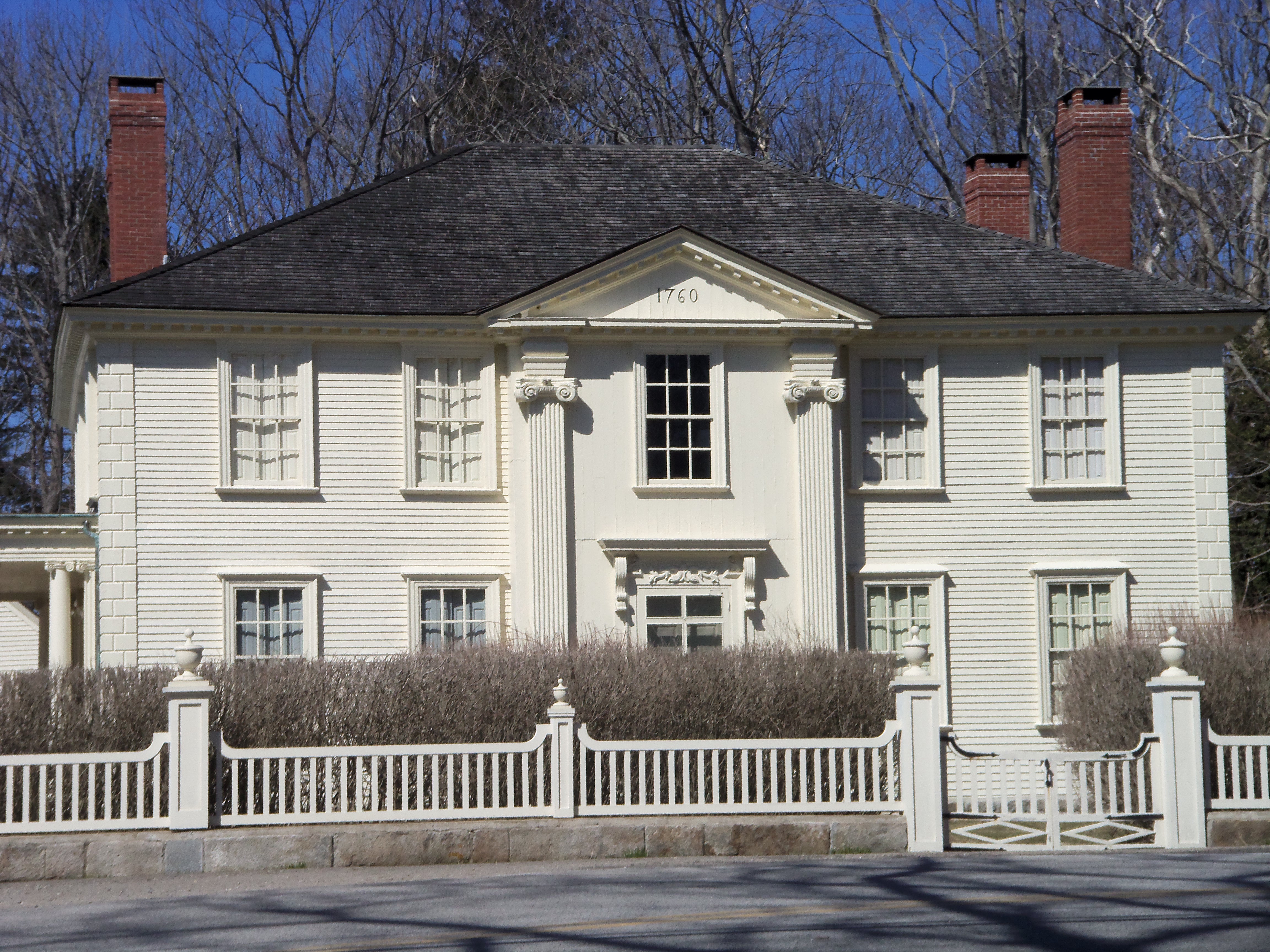
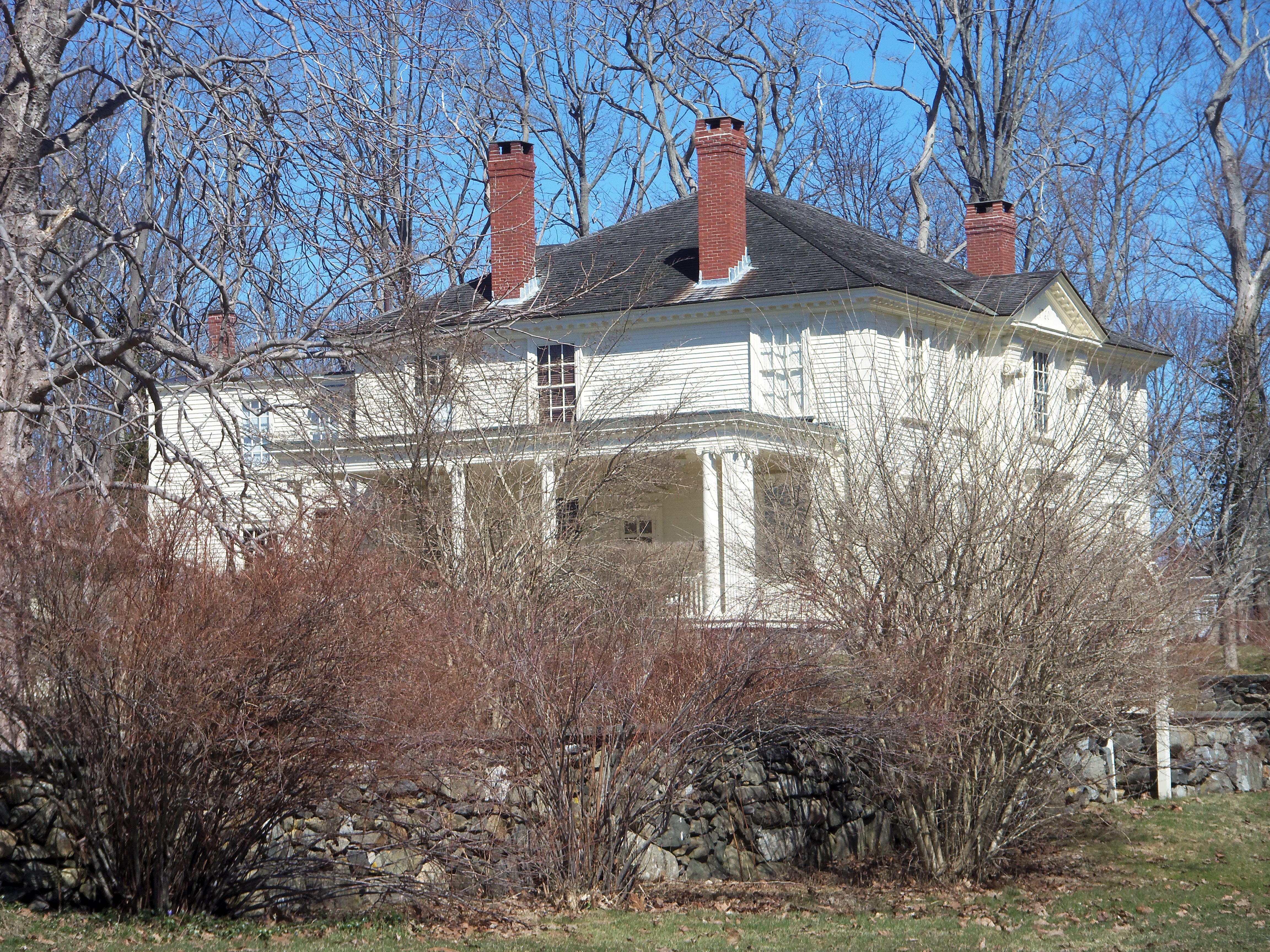
This “dower house,” a Georgian gem built in 1760 by the newly-widowed Lady Mary Hirst Pepperell, sits at a sharp turn in the road a mile from Pepperell Cove in Kittery, Maine. Through her Bostonian roots and marriage, she was one of the richest, most powerful women in New England.
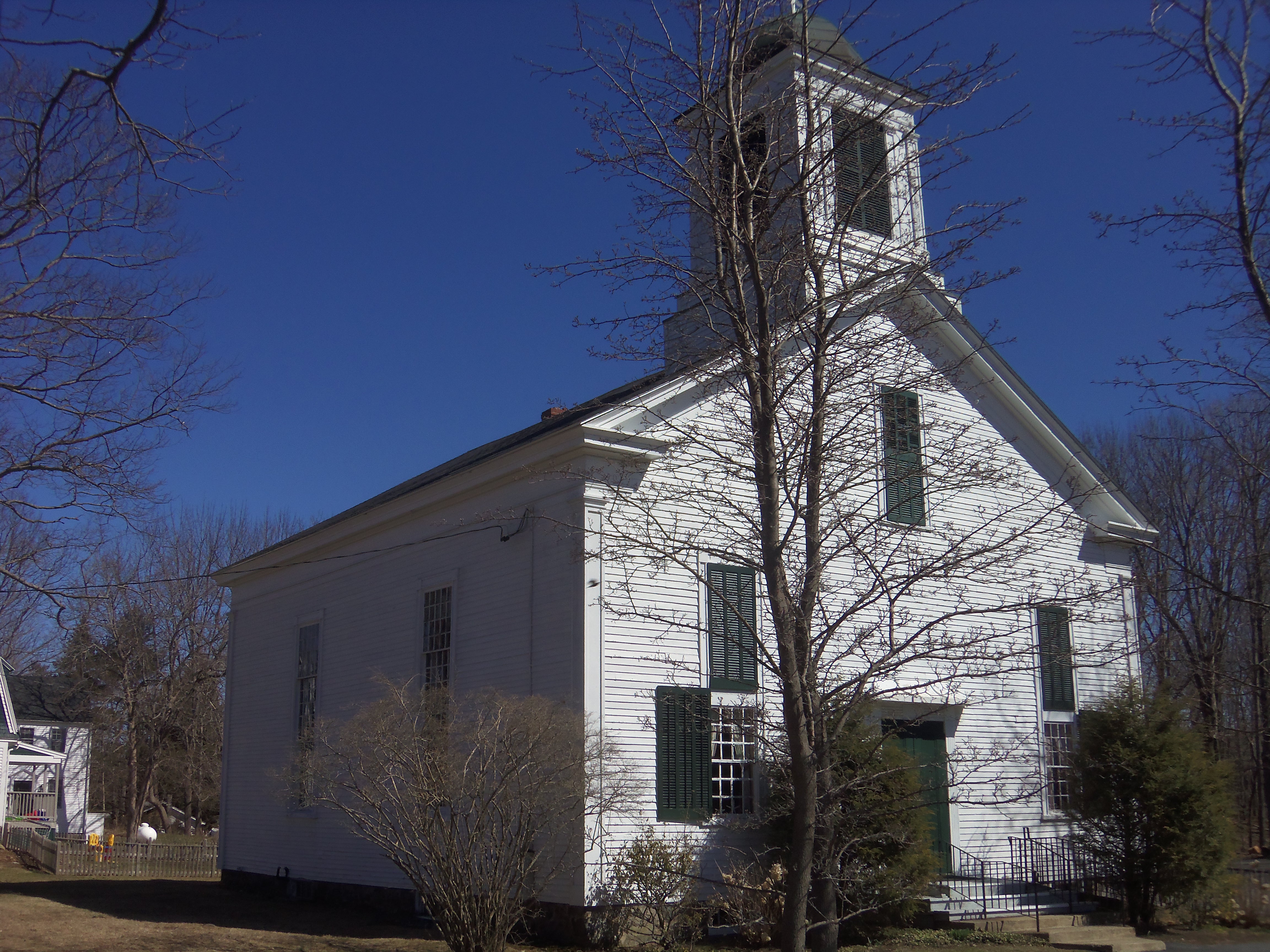
The mansion faces a Congregational church built in 1732, the oldest house of worship still in use in Maine.
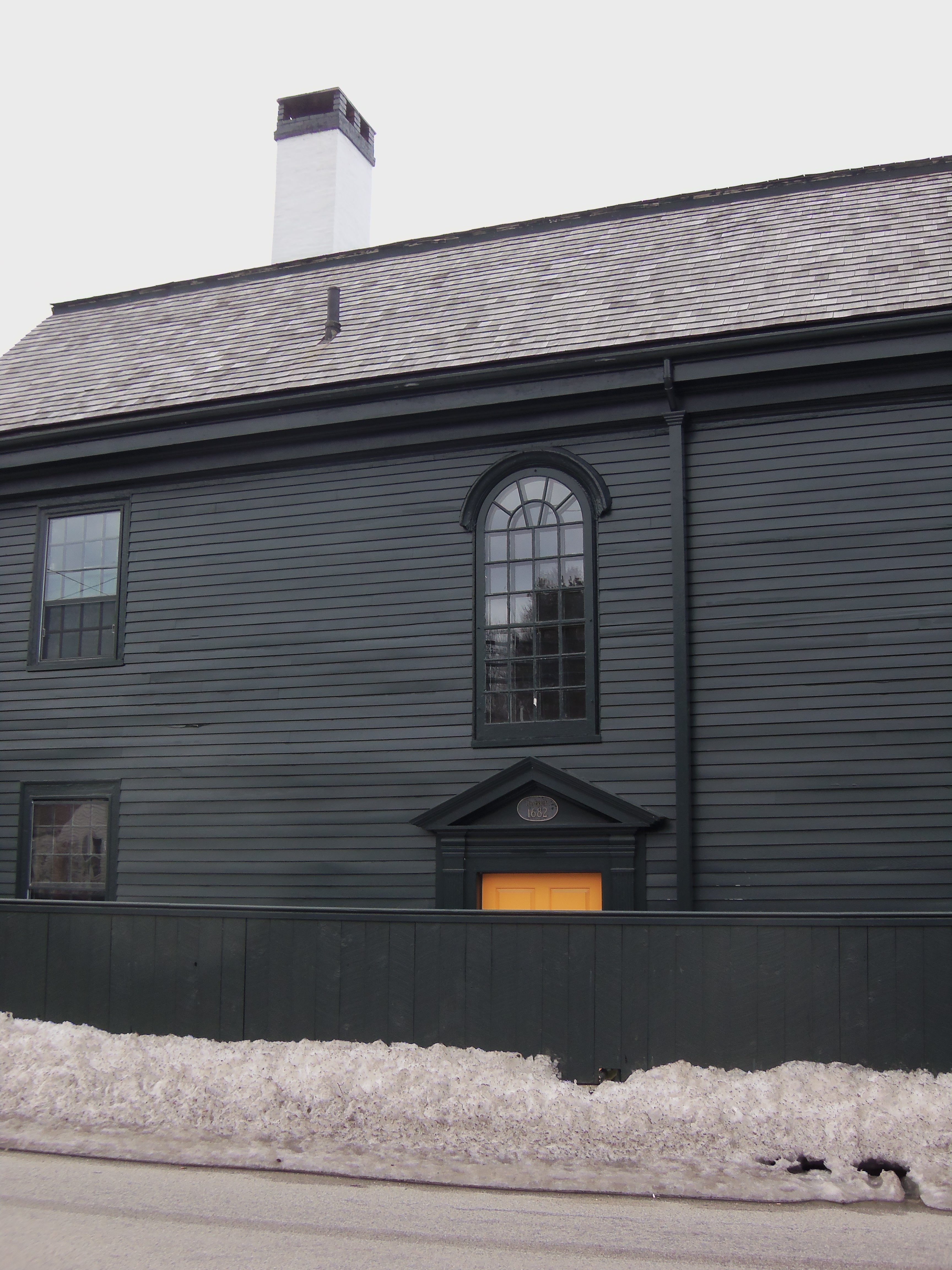
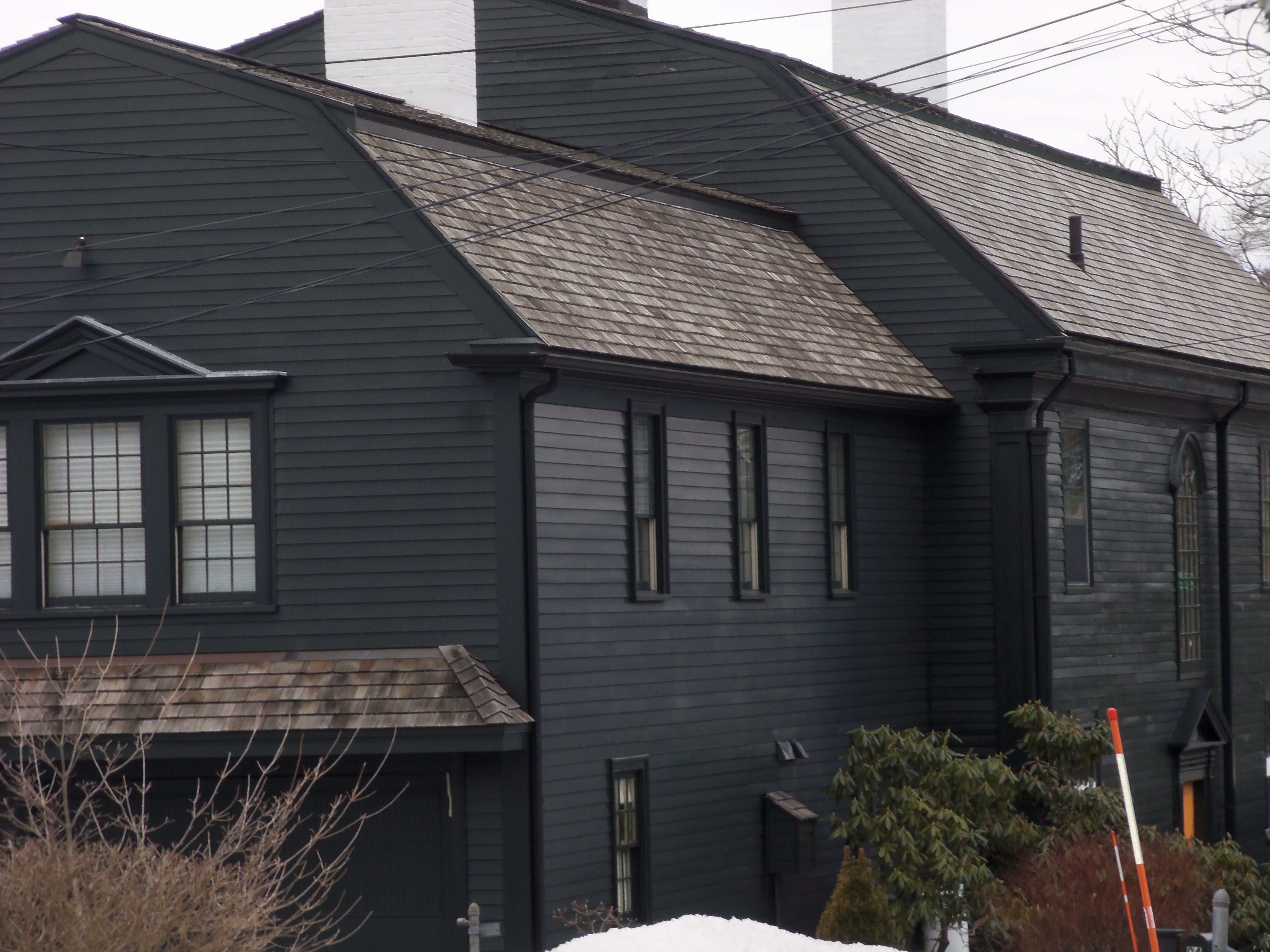
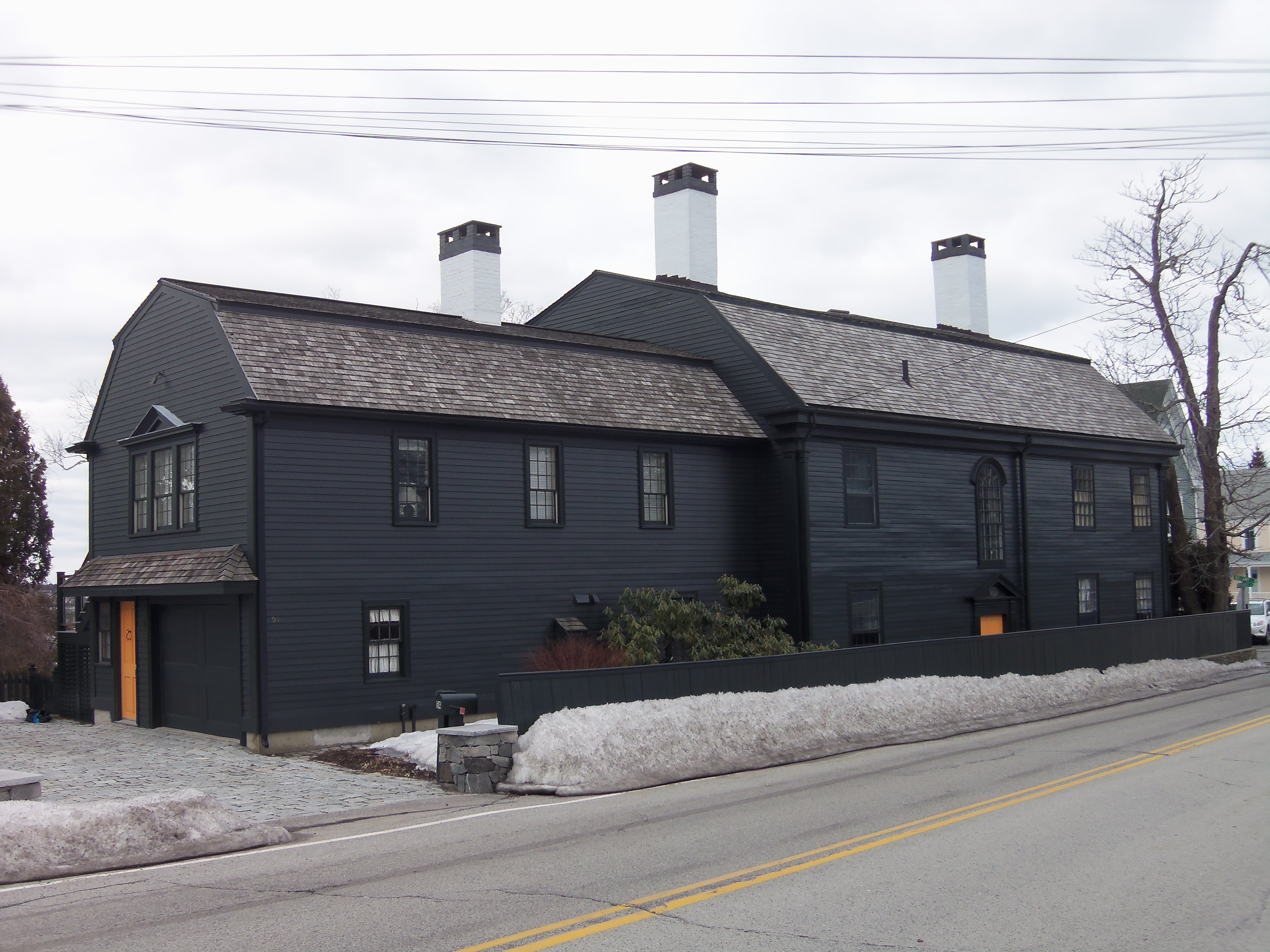
With its shelter on the tidal Piscataqua River and proximity to the Atlantic, Pepperell Cove in Kittery, Maine, is a scenic marina these days, for both working fishermen and leisure-time sailors. It was originally a hive of shipbuilding as well.
The docks are reached by the lane beside Sir William Pepperell’s 1733 gambrel mansion.
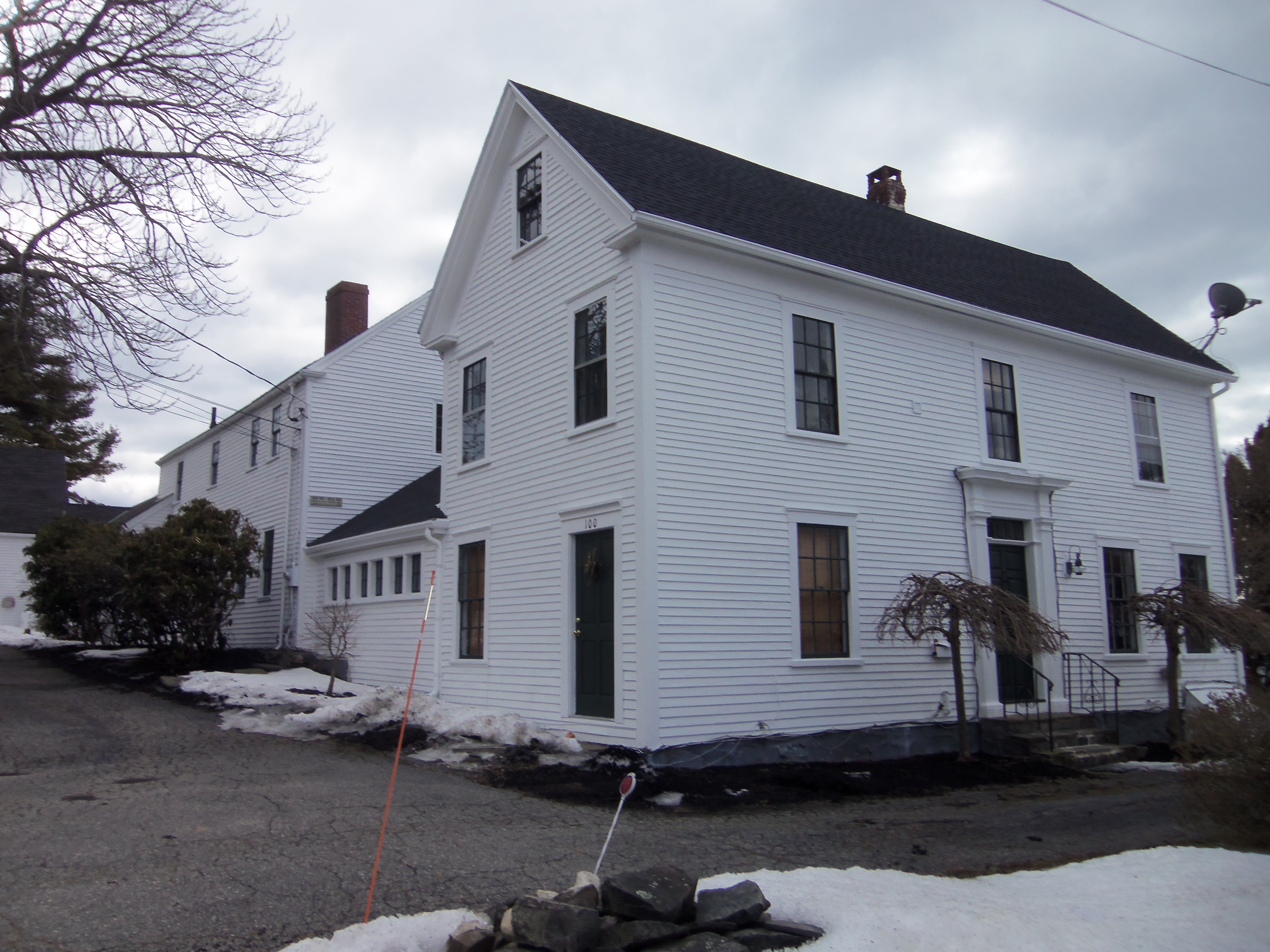
It’s adjacent to 1662 John Bray house, considered the oldest surviving residence in Maine.






 Jnana's Red Barn