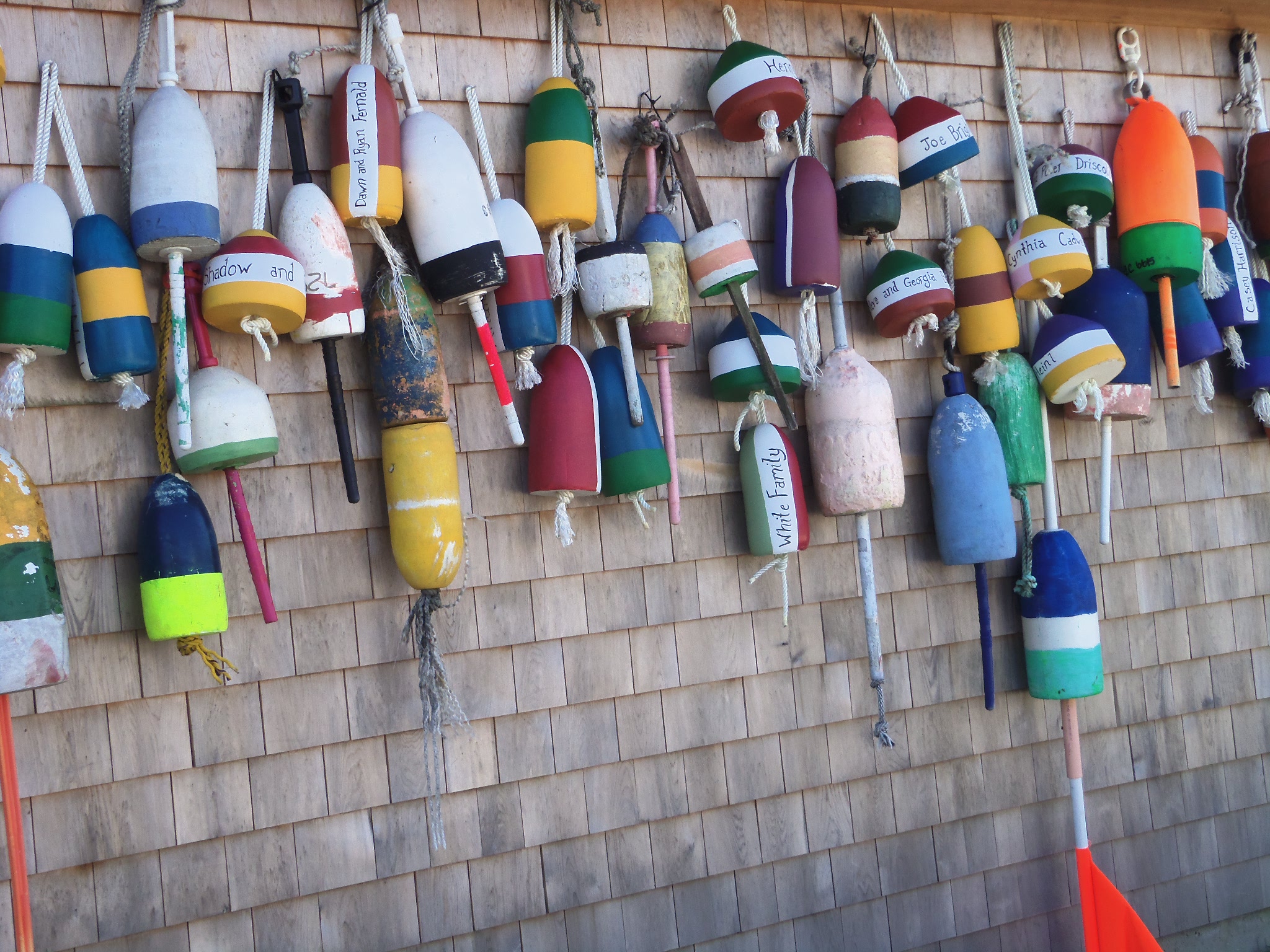
Each lobsterman has a set of distinctive buoys to identify his traps. This is how the floats look out of the water. Shingle siding adds to the effect.
You never know what we'll churn up in cleaning a stall
Jaya, in Promise, isn’t the only character in my fiction to address a concept I’ve dubbed the DLQ, or Dedicated Laborious Quest. But she does, I’ll argue, come closest to aspiring to an artistic expression for its encounters.
The DLQ, as I envision it, is the long-range discipline of spiritual pursuit, one that can be found in any number of variations in any number of religious, artistic, social activist, or even athletic lines of action. It’s a blending of heart and head, body and soul, awareness and discovery – the poet Gary Snyder refers to something similar as the Real Work, for instance, or maybe simply “daily practice” will touch on it as well.
One of Jaya’s concerns is a search for a fitting vehicle to embody the experience. Essays are too prosaic. Poetry? Sometimes. Drawings or paintings? To a degree. Maps of a kind? Getting closer, I’d hope.
Even so, I’ve wanted to leave the ultimate form she uses open to the imagination.
And then, more recently, I came across something that comes closest. An exhibition of Shaker art and artifacts at the Farnsworth Museum in Rockport, Maine, introduced me to what are called Gift Songs or Gift Drawings or Gift Paintings, which take their name from the faithful artist’s position as a medium receiving the song or design from a deceased member of the sect (that is, given) to be conveyed to another, living member of the sect (also, as given). To be appreciated, these must be seen in the original, full size, since much of the detail gets lost in reproduction. Sometimes the words are in a secret, private language and alphabet. Sometimes they blend. The lines flow, turn upside down, sideways. The works are sprinkled with artwork as well as words. Are they magical? Or simply mysterious?
Whichever, they spring from a tradition and discipline and practice to utter something deep in the heavenly desire and earthly community of a particular recipient.
I can tell you Jaya would have been most impressed. Definitely.
To turn to my novel, click here.
When I moved to Baltimore, I was surprised to find all of the local pizza parlors were owned by Greeks. Not Italians?
Well, it took time before I discovered the alternatives, beginning in the city’s Little Italy.
But that occurred about the same time I was told most diners were owned by Greeks, too. And I’ve come to love diners, even though I’d been introduced to the real thing way back right after college. They just weren’t fashionable then.
Well, somewhere in-between there had been the Dairy Queen owned by a Greek-American who, though a big error by the Bank of France, wound up instantly nearly seven-figures rich – and took flight to his homeland before the error was discovered. It was a big news story where I was for the next month, before he repented and returned.
So more recently, I ordered a pizza from a local parlor. Wanted to support a young friend who works there. When I picked up the box, there was no gaudy image of a fat smiling chef on the top of the steaming box – a good sign, in my book. And then I noticed the design was mostly white with blue trim, adhering to the national Greek colors. Along with a border of … the signature Greek key pattern. OK, I thought. I get it. Even before I noticed the words gyros and pizza in a little house, side by side.
That does it. I’m definitely going back for a gyro.
And, for the record, the box is distributed from our favorite Italian grocery in Portland, Maine. Has me wondering about the rest of the story.
A well-designed fireworks display can be a thing of beauty. No matter its scale – whether vast as Boston over both banks of the Charles River – or small-scale like Portsmouth, New Hampshire, around its old mill pond or Needham, Massachusetts, assembled on the long lawn of its high school, the intelligent use of an imaginative palette and the use of the sky as a canvas canopy reaching from the ground to its zenith can turn into a piece of breathtaking performance art, a combination of fleeting painting and wordless theater.
What too often turns up, unfortunately, is largely senseless bang-bang-bang without any subtlety of timing and proportion. Think of a standup comic who can’t tell a joke. No pauses, no phrasing.
In contrast, I think instead of the revelation of a single burst of color – perhaps a small tulip, in the terminology of pyrotechnics – followed in the same spot in the sky by another and then another. In the process, the shots run through the color wheel like slivers of rainbow. And then it’s repeated, with two identical bursts side by side – red turning to orange turning to yellow turning to green turning to blue turning to purple. Simple, elegant, commanding.
Do that right and you’ve announced that what follows will be amazing. You’ll lead the eyes all over the sky – up and up, out, back down, just over the crowd, and back up again. Small that expands beyond the ability to take it all in — or the opposite, leading your eyes to a vanishing point. You’ll create movements the way a symphony or sonata does – each one distinct yet playing off the one before. (Well, Boston’s was traditionally designed to fit music – each section, a song or overture or dance. Now that’s impressive! Oh, and we’d listen along with our radios — everywhere, tuned to the classical station.)
Think, too, that many of the traditional fireworks are named for flowers – blooms that open and then fade, often into another. Hyacinths to chrysanthemums to … well, to see how it works the other way, try this link to flowers arranged to look like fireworks by Sarah Illenburger. Pretty amazing. I appreciate her illustration of how fireworks don’t have to be gaudy greens, reds, and yellows. The more sophisticated designers blend colors into dark brooding as well as shimmering pastels. One memorable show consisted largely of silvers and golds. What was I saying about imaginative design?
A pyrotechnics show works in another dimension as well – it’s a time of public gathering and celebration. Apart from whatever’s happening on your blanket in the dark, there’s nothing private about it. (And we’ll assume you’re jammed in with others.) You can’t do it in your house, at least safely. So it’s a time of community spirit. Even pride. And in the United States, that means the Fourth of July. (The northern half of the country’s just too cold during much of the year to assemble outdoors at night, so this one comes at a perfect time of summer. Not that we don’t try.)
For Dover, where I live, though, the event points up one of the geographic shortcomings of my city. We just don’t have the right spot to mount the event, much less to design it to do much more than the old bang-bang-bang honky-tonk.
Some years, it’s launched from the top of Garrison Hill, where the shots can be seen from much of the city – if trees, houses, or other obstacles don’t block your view from below. Some years, it’s at the high school, but that’s not centrally located. Since few people can walk there, that creates a traffic problem and erodes much of a small-town feeling befitting its scale. Dover’s not an unfocused suburb the way this site suggests.
Downtown along the river would be ideal, if there were only a proper spot. The riverfront park is narrow, though, and too near the old mills, the nearest one once the scene of a disastrous fire. One possibility a little downstream is a gravel-strewn lot awaiting development, but it has little easy access. One elementary school that might do is in a residential area that would not welcome a crowd.
So here we are. If I watch the show, I’ll just get angry, knowing what could be done with the resources in the right setting. As I was saying about the single tulip? It needs the right setting to be appreciated.


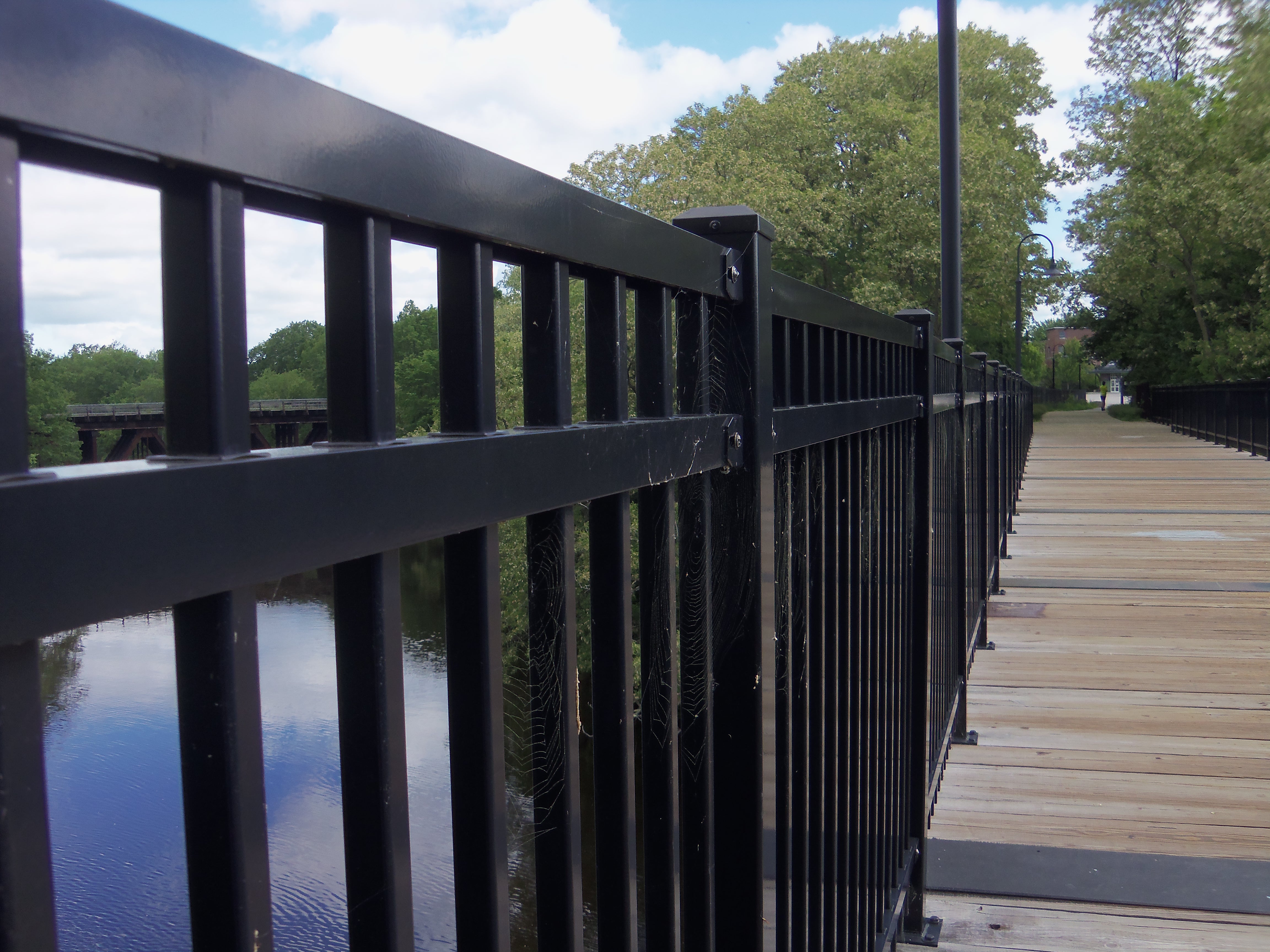
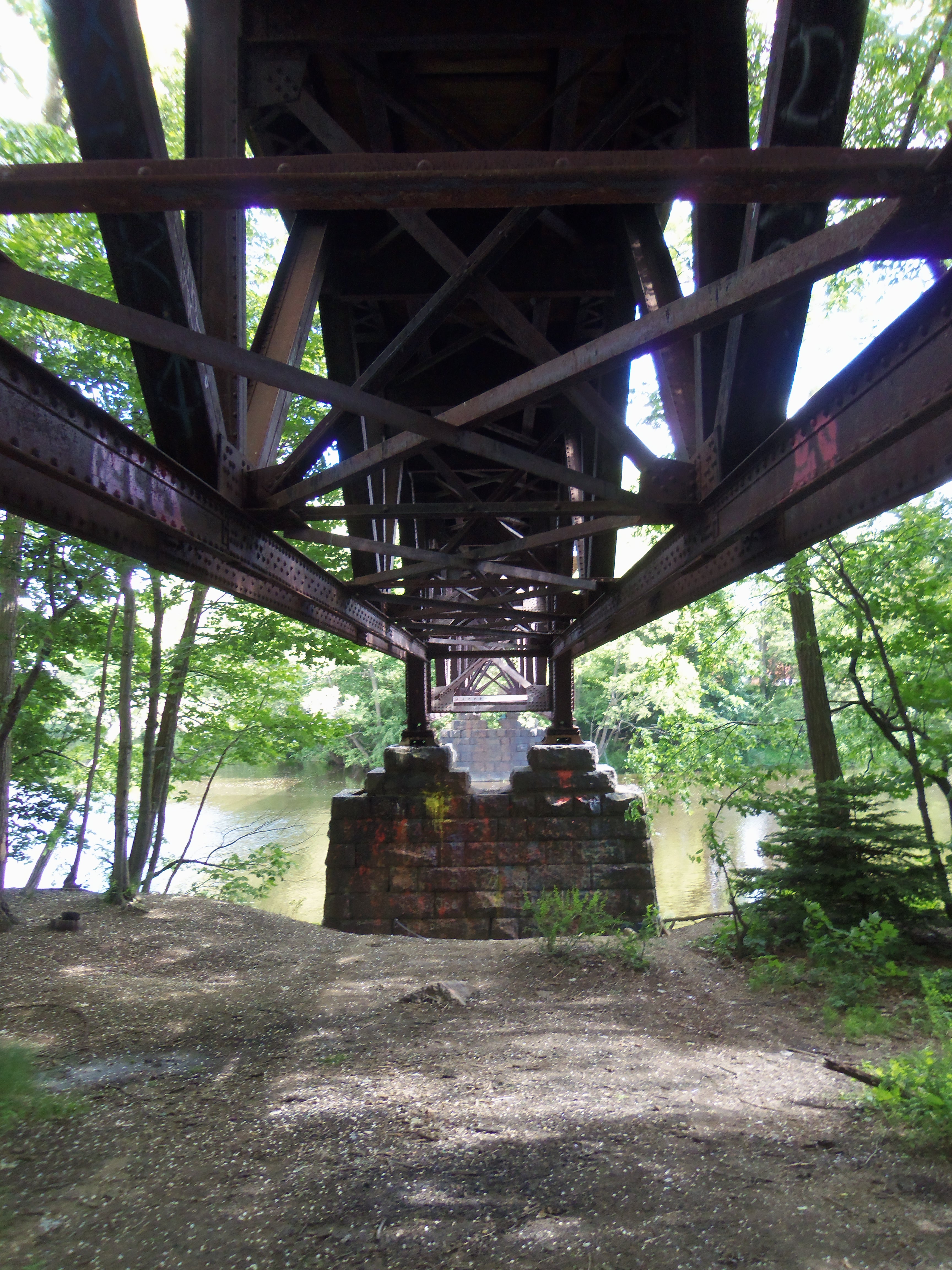
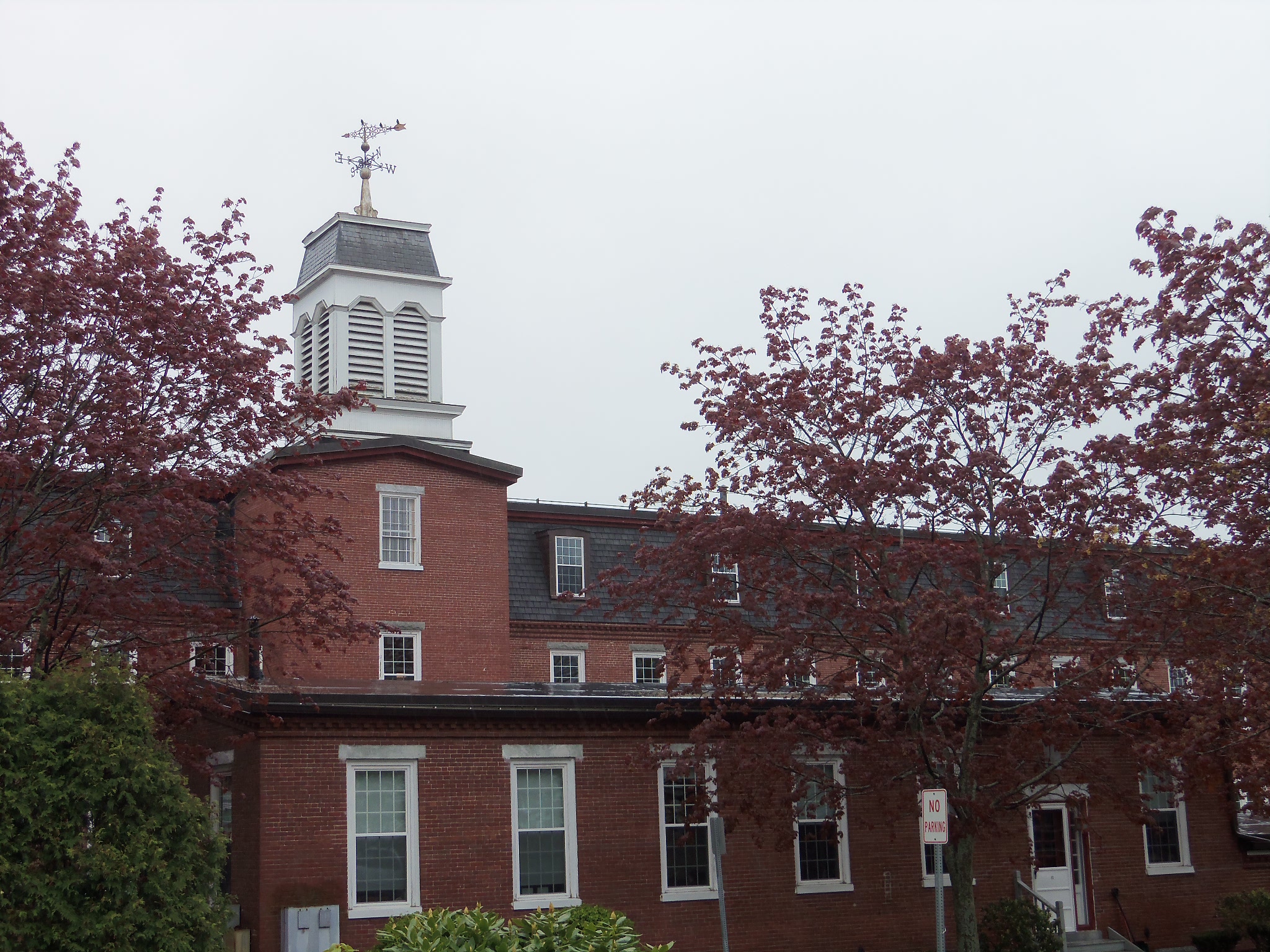
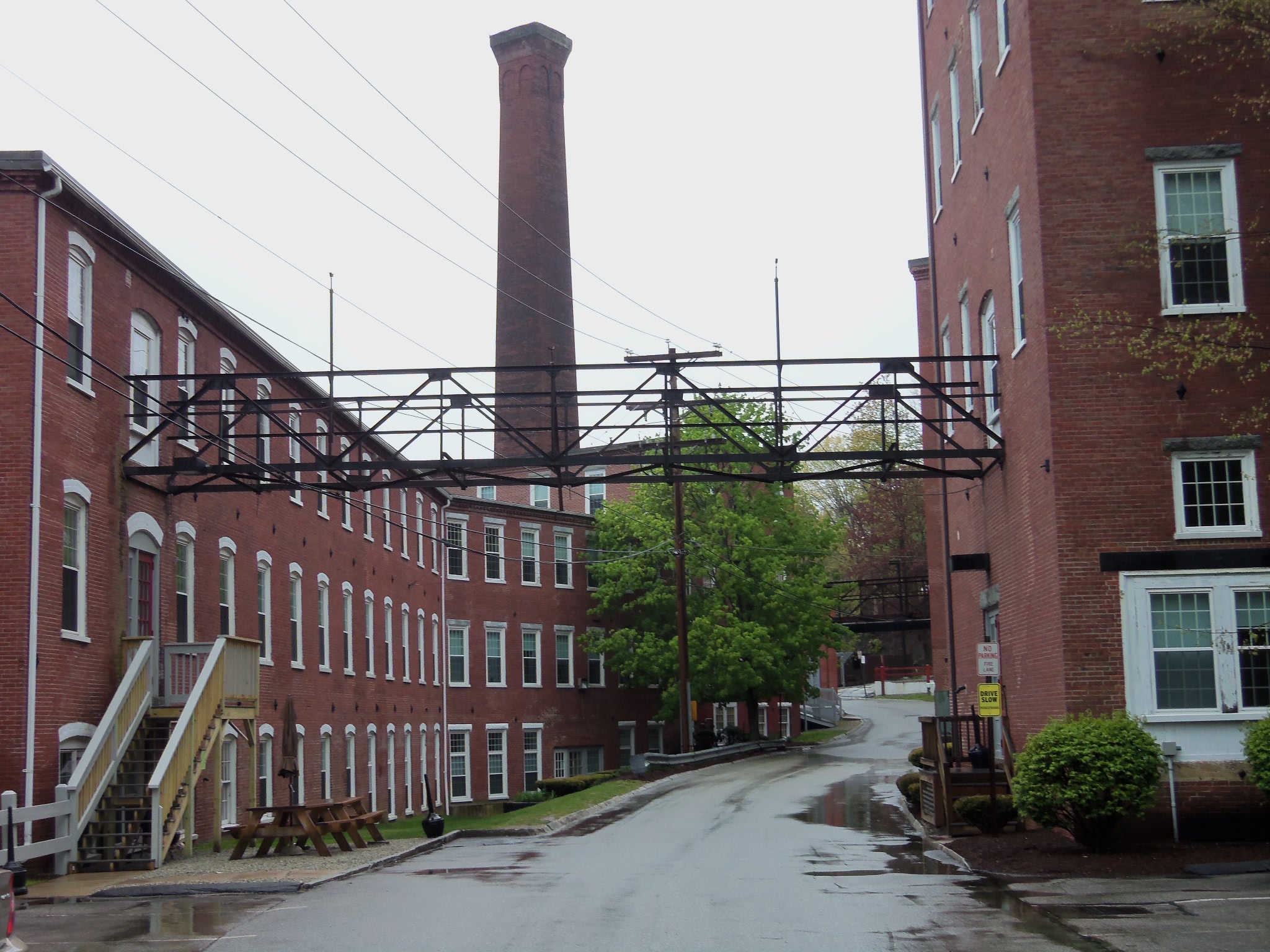
While the Cocheco Millworks in downtown Dover anchor the center of the town, the Sawyers Mill complex is tucked away on the Bellamy River.
Both the Cocheco and Bellamy form the flanks of Dover Point as they flow toward the sea.


The town of Newington, just over the bridge on our way to Portsmouth, is easily misunderstood.
With a 2010 population of a mere 753, it often appears to be little more than the Spaulding Turnpike exits to the mall and big-box stores plus a few apartment complexes and a section of the Pease International Tradeport industrial park.
It also has a major electrical generation plant contributing heavily to the property tax base – a major, major factor for any municipality in New Hampshire as it addresses public finances.
The town is also surrounded on three sides by tidewater, including ocean docking on its eastern edge.
But the place was also severely impacted during the Cold War when the U.S. Air Force used eminent domain to acquire 4,255 acres to construct an air base (now turned into the industrial zone) mostly in Newington. The noise of bomber-sized jet planes taking off and landing did little to enhance the neighborhood as a place to live peacefully in those days – the frequent interruptions even forced the grade school to find a quieter setting. After all, its runway, now used by commercial, private, and National Guard flights, is among the longest in New England.
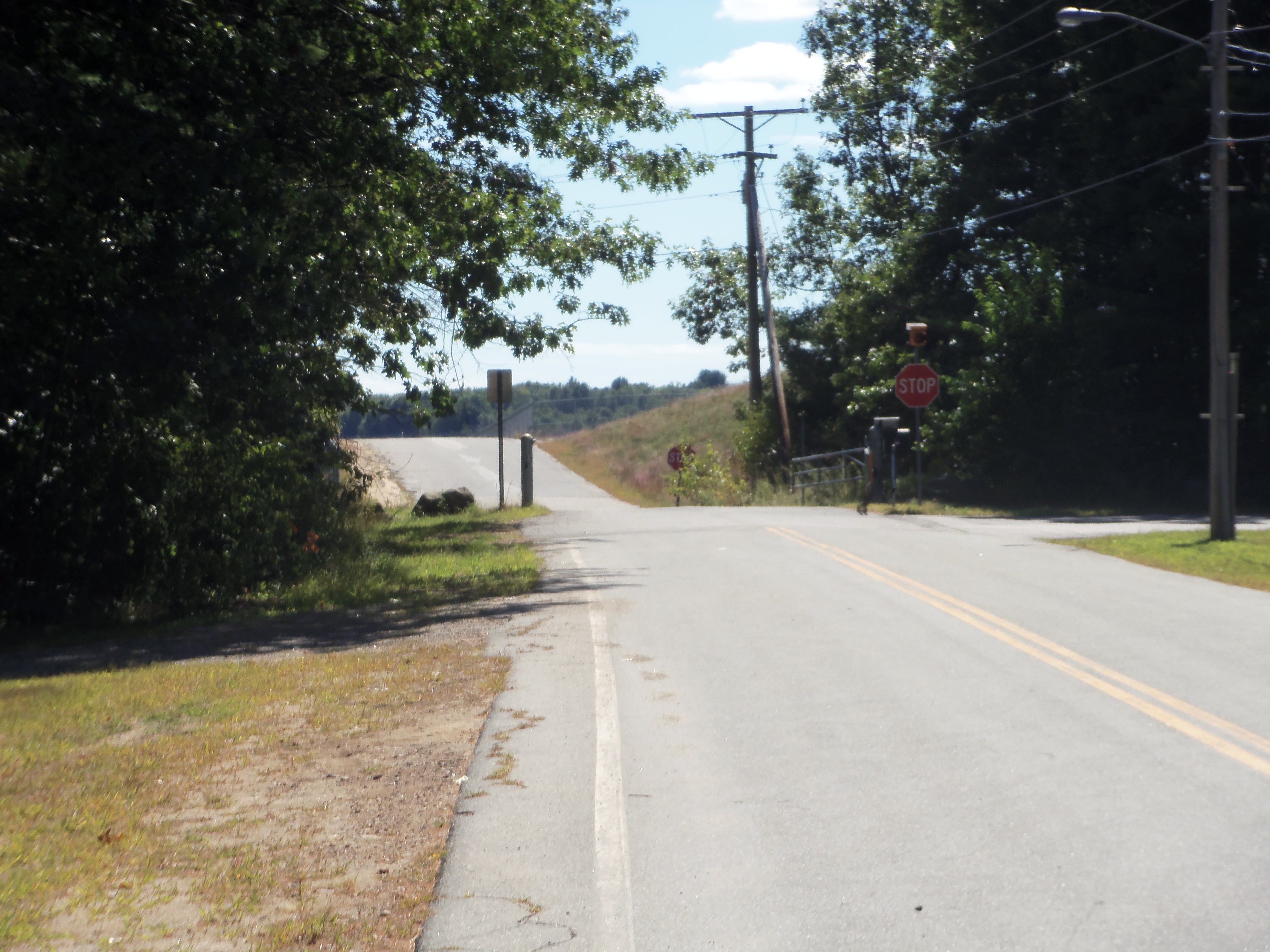
Given those factors, few people would have much incentive to take the Nimble Hill Road exit from the turnpike.
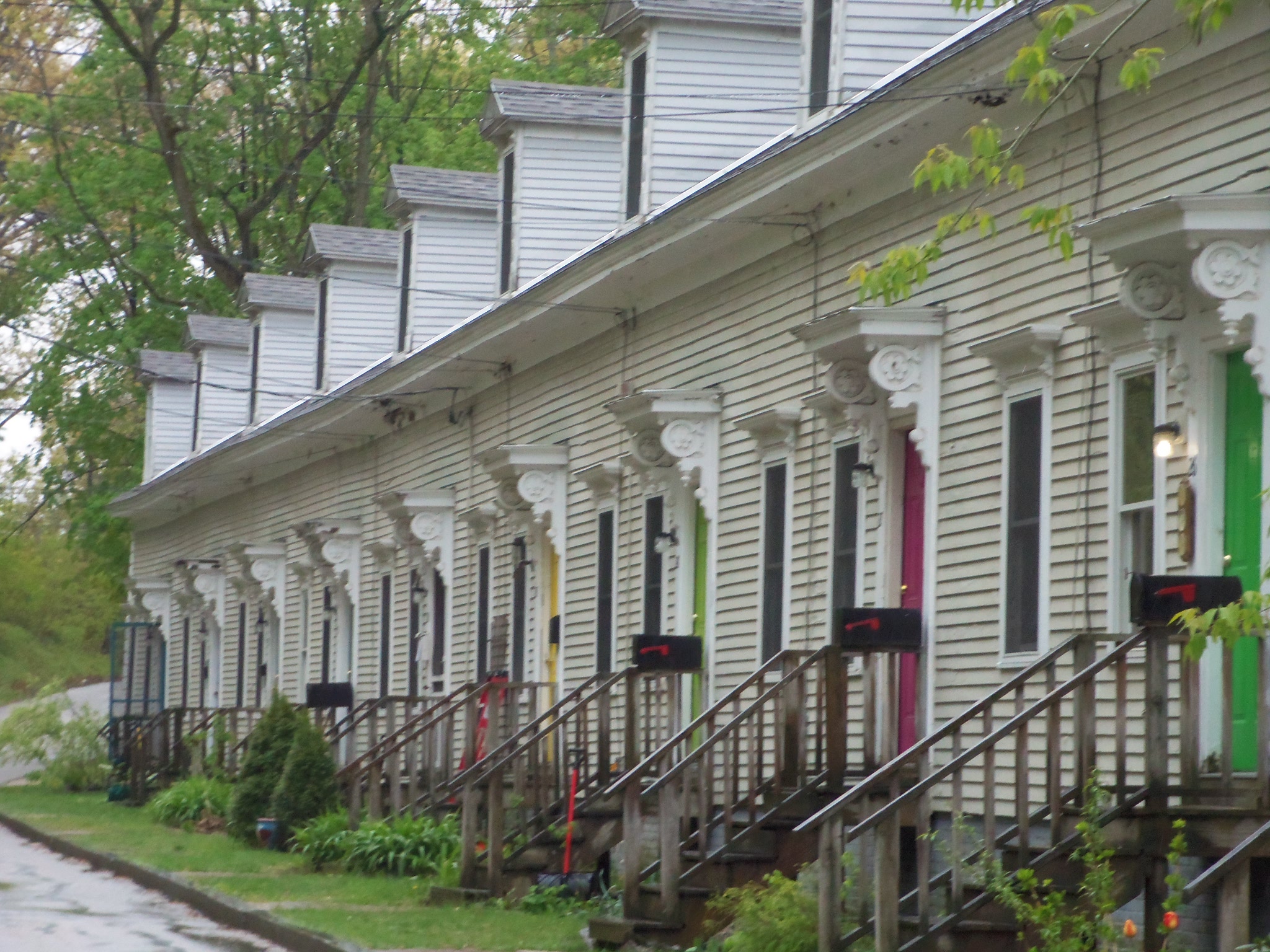
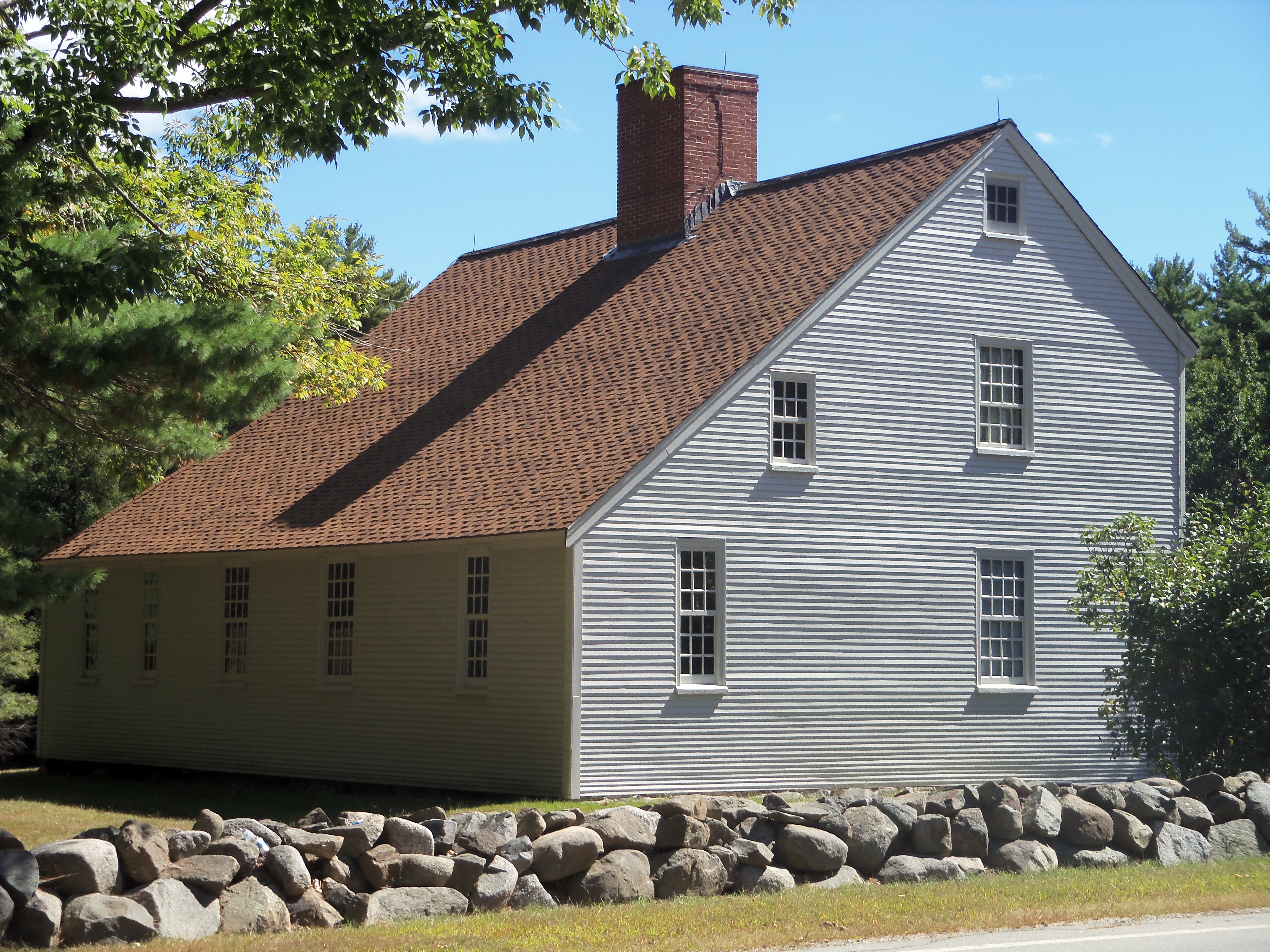
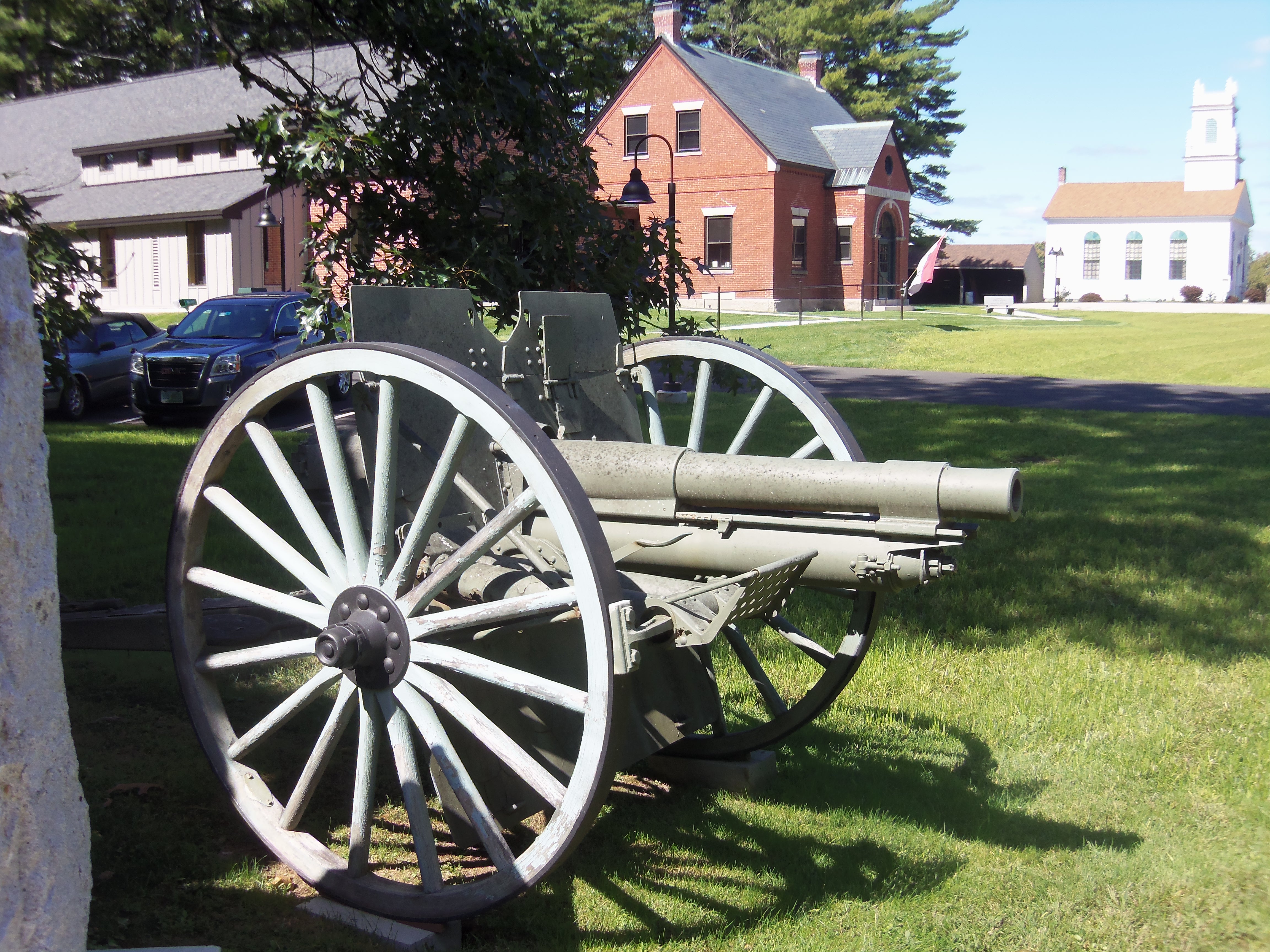
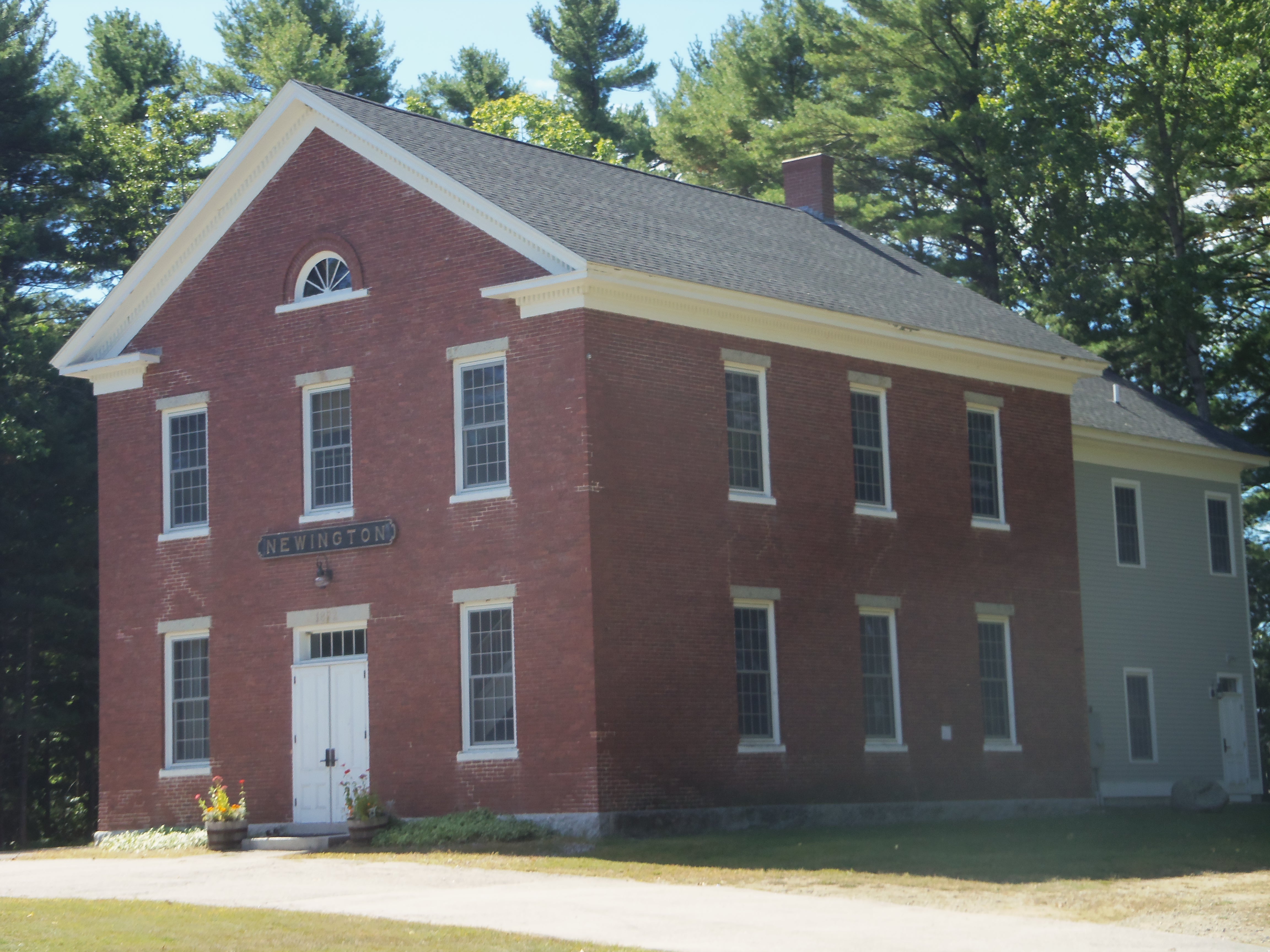
As it turns it, the road presents some classic New England just before culminating in a dead end near the runway. The historic district is a treasure.
Here’s a taste of what you’d see.


As municipalities emerged in the 19th century, the populace often took pride in the local identity – and this was reflected in the craftsmanship and details adorning their public buildings.


Situated at the mouth of the Merrimack River, Newburyport, Massachusetts, has a historic harbor and charming brick downtown – one that echoes many others in New England, for that matter. Its residential neighborhoods are likewise filled with a range of fascinating details from many historic styles. But for me, the real glory is High Street, built at the height of the lucrative whale oil business. Interspersed among the dominant federal-style houses are some other fine examples. Here’s a sampling.