OF FIREWORKS AND FLOWERS AND MY SHORT FUSE

A well-designed fireworks display can be a thing of beauty. No matter its scale – whether vast as Boston over both banks of the Charles River – or small-scale like Portsmouth, New Hampshire, around its old mill pond or Needham, Massachusetts, assembled on the long lawn of its high school, the intelligent use of an imaginative palette and the use of the sky as a canvas canopy reaching from the ground to its zenith can turn into a piece of breathtaking performance art, a combination of fleeting painting and wordless theater.

What too often turns up, unfortunately, is largely senseless bang-bang-bang without any subtlety of timing and proportion. Think of a standup comic who can’t tell a joke. No pauses, no phrasing.

In contrast, I think instead of the revelation of a single burst of color – perhaps a small tulip, in the terminology of pyrotechnics – followed in the same spot in the sky by another and then another. In the process, the shots run through the color wheel like slivers of rainbow. And then it’s repeated, with two identical bursts side by side – red turning to orange turning to yellow turning to green turning to blue turning to purple. Simple, elegant, commanding.

Do that right and you’ve announced that what follows will be amazing. You’ll lead the eyes all over the sky – up and up, out, back down, just over the crowd, and back up again. Small that expands beyond the ability to take it all in — or the opposite, leading your eyes to a vanishing point. You’ll create movements the way a symphony or sonata does – each one distinct yet playing off the one before. (Well, Boston’s was traditionally designed to fit music – each section, a song or overture or dance. Now that’s impressive! Oh, and we’d listen along with our radios — everywhere, tuned to the classical station.)

Think, too, that many of the traditional fireworks are named for flowers – blooms that open and then fade, often into another. Hyacinths to chrysanthemums to … well, to see how it works the other way, try this link to flowers arranged to look like fireworks by Sarah Illenburger. Pretty amazing. I appreciate her illustration of how fireworks don’t have to be gaudy greens, reds, and yellows. The more sophisticated designers blend colors into dark brooding as well as shimmering pastels. One memorable show consisted largely of silvers and golds. What was I saying about imaginative design?

A pyrotechnics show works in another dimension as well – it’s a time of public gathering and celebration. Apart from whatever’s happening on your blanket in the dark, there’s nothing private about it. (And we’ll assume you’re jammed in with others.) You can’t do it in your house, at least safely. So it’s a time of community spirit. Even pride. And in the United States, that means the Fourth of July. (The northern half of the country’s just too cold during much of the year to assemble outdoors at night, so this one comes at a perfect time of summer. Not that we don’t try.)

For Dover, where I live, though, the event points up one of the geographic shortcomings of my city. We just don’t have the right spot to mount the event, much less to design it to do much more than the old bang-bang-bang honky-tonk.

Some years, it’s launched from the top of Garrison Hill, where the shots can be seen from much of the city – if trees, houses, or other obstacles don’t block your view from below. Some years, it’s at the high school, but that’s not centrally located. Since few people can walk there, that creates a traffic problem and erodes much of a small-town feeling befitting its scale. Dover’s not an unfocused suburb the way this site suggests.

Downtown along the river would be ideal, if there were only a proper spot. The riverfront park is narrow, though, and too near the old mills, the nearest one once the scene of a disastrous fire. One possibility a little downstream is a gravel-strewn lot awaiting development, but it has little easy access. One elementary school that might do is in a residential area that would not welcome a crowd.

So here we are. If I watch the show, I’ll just get angry, knowing what could be done with the resources in the right setting. As I was saying about the single tulip? It needs the right setting to be appreciated.
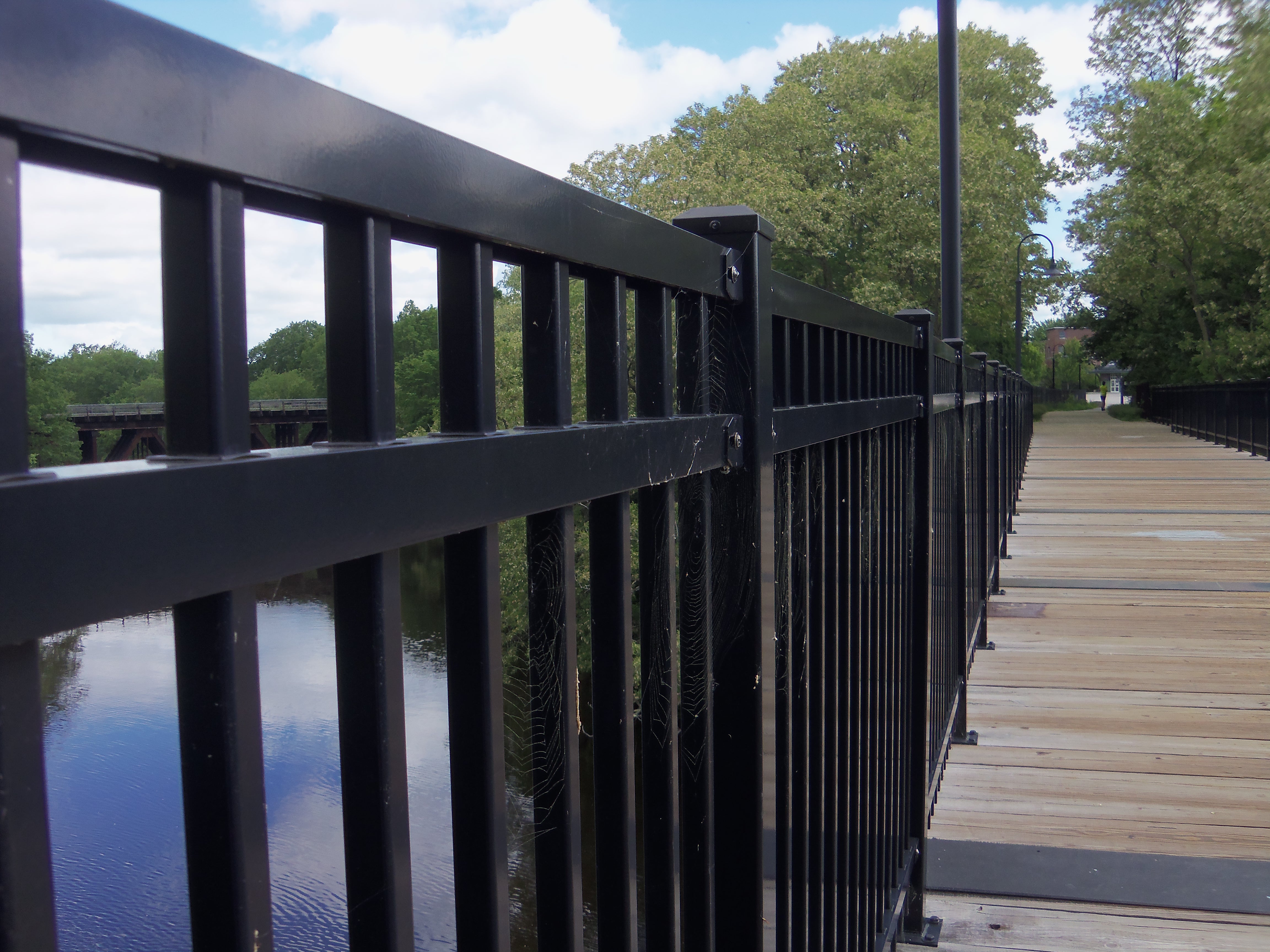
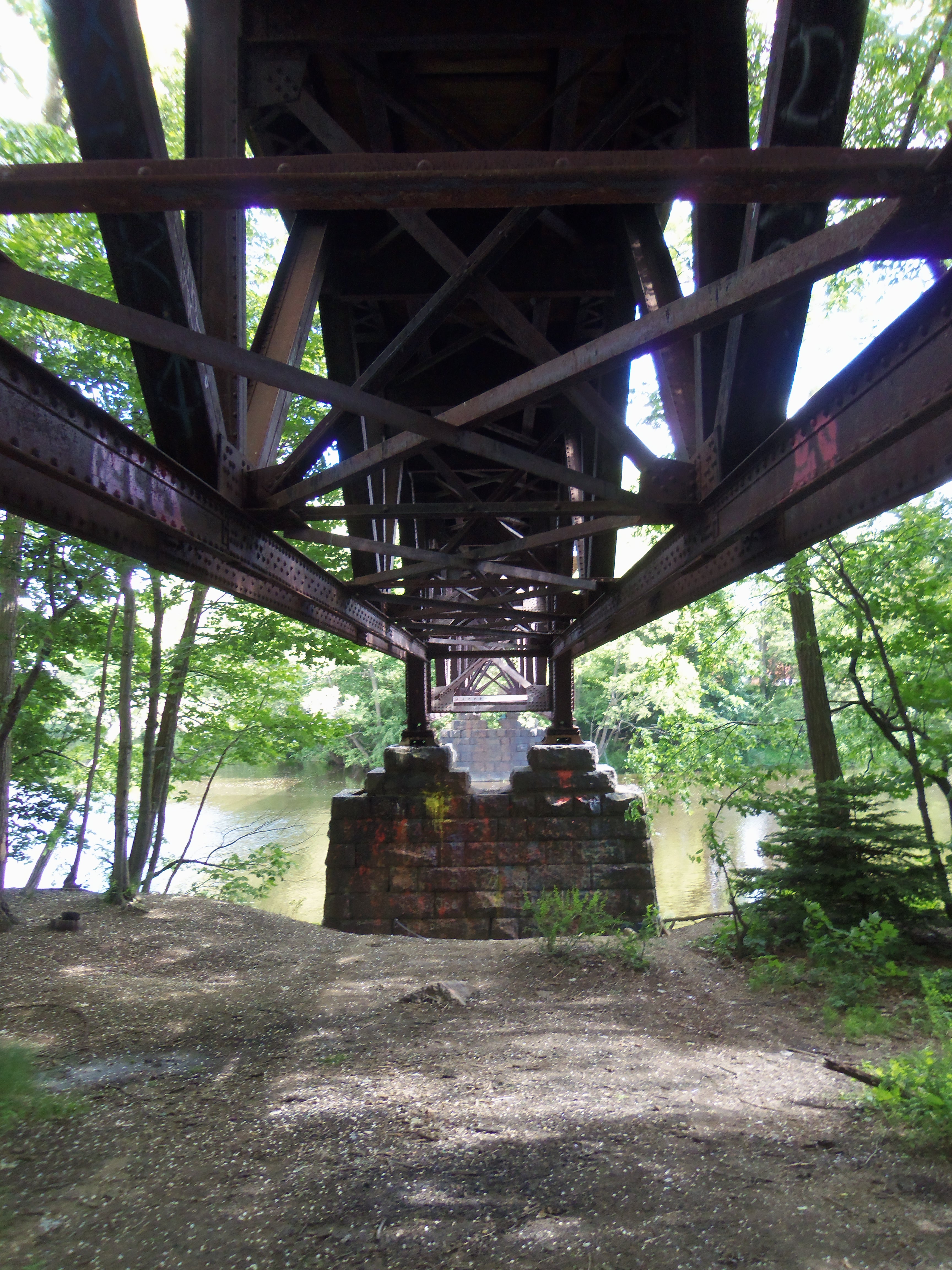
SAWYERS MILL

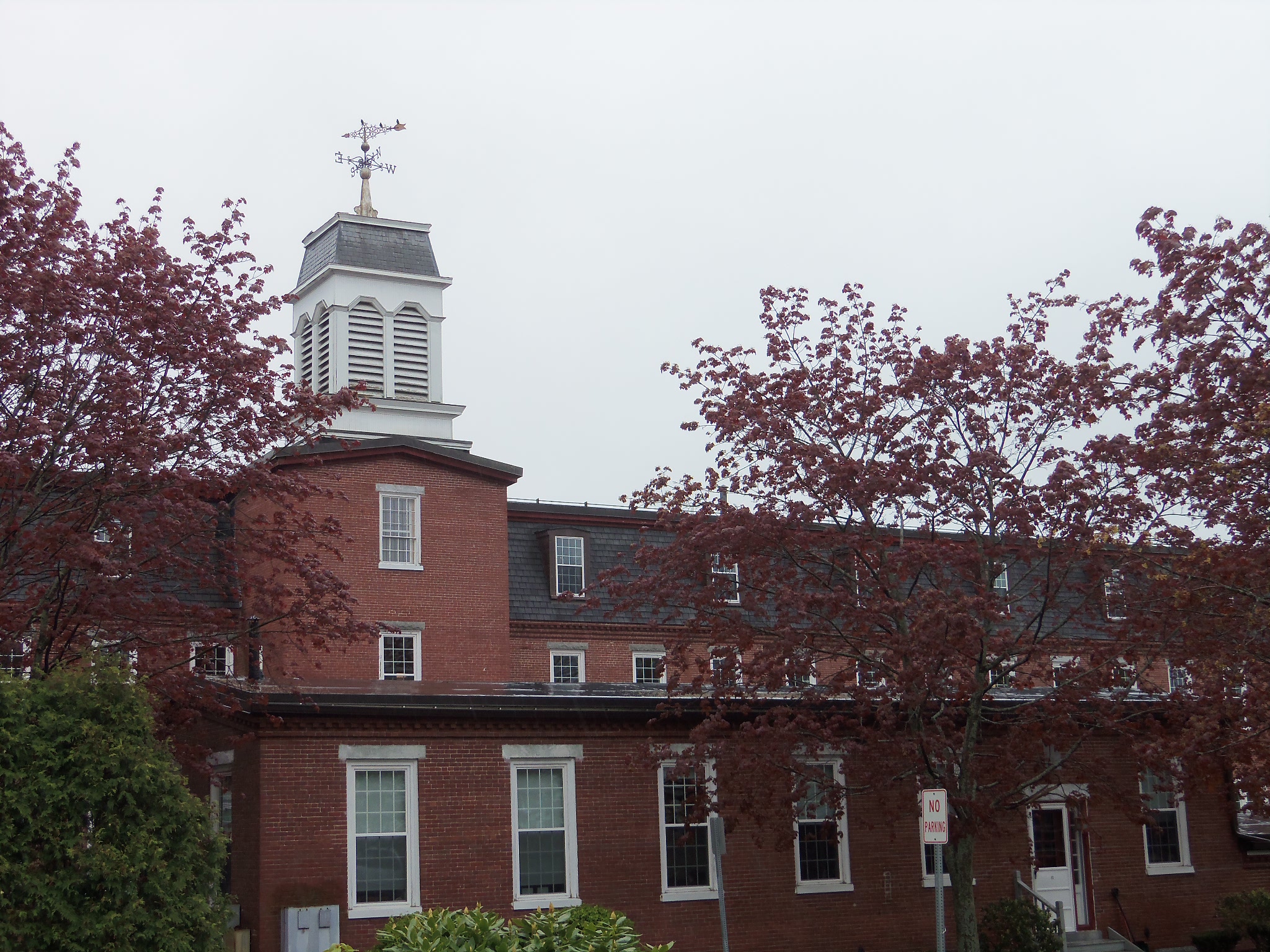
Always, a central weathervane.
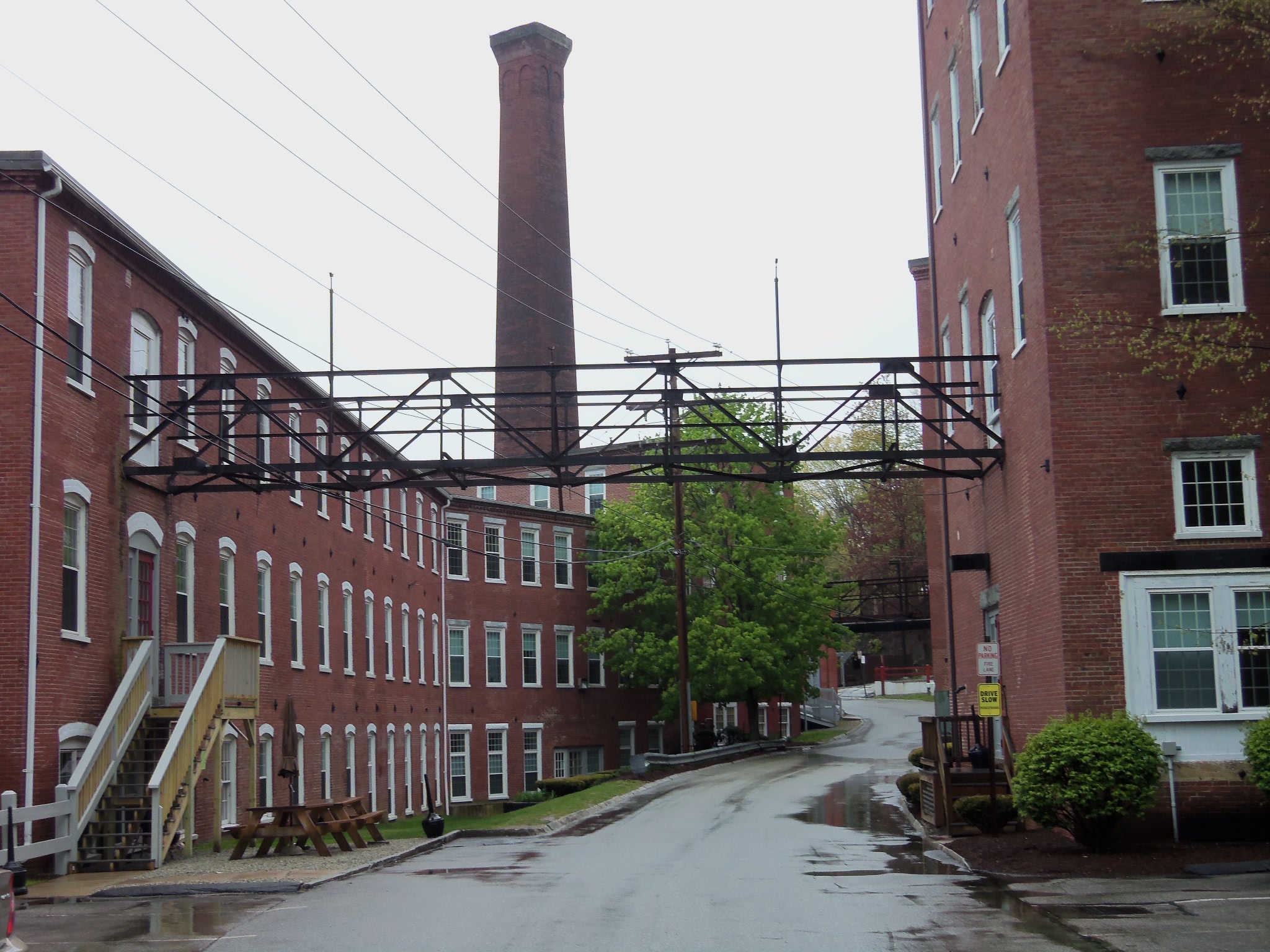
The street winds through the old complex.

While the Cocheco Millworks in downtown Dover anchor the center of the town, the Sawyers Mill complex is tucked away on the Bellamy River.

Both the Cocheco and Bellamy form the flanks of Dover Point as they flow toward the sea.

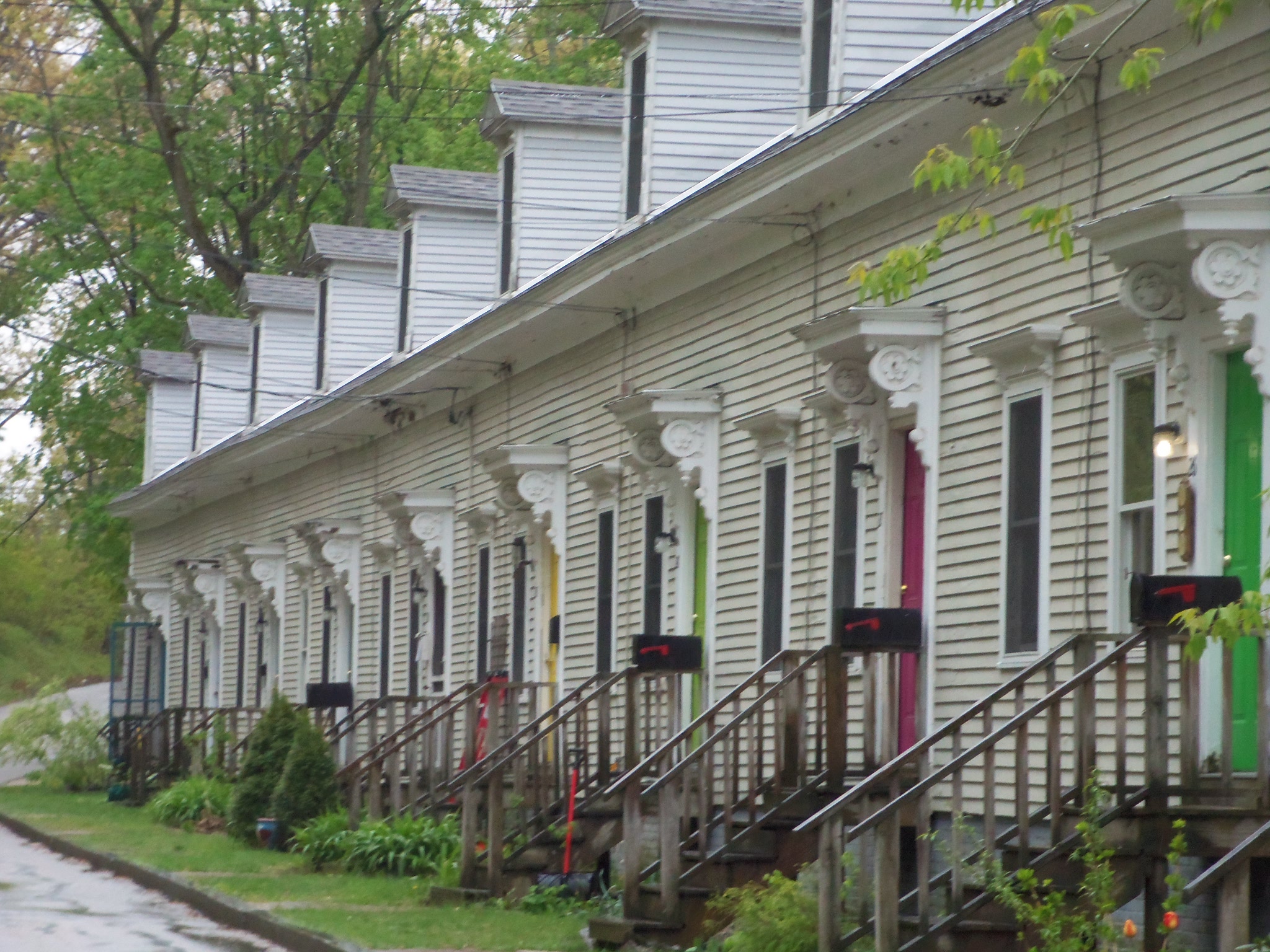
Worker housing.
Worker housing.

UP NIMBLE HILL

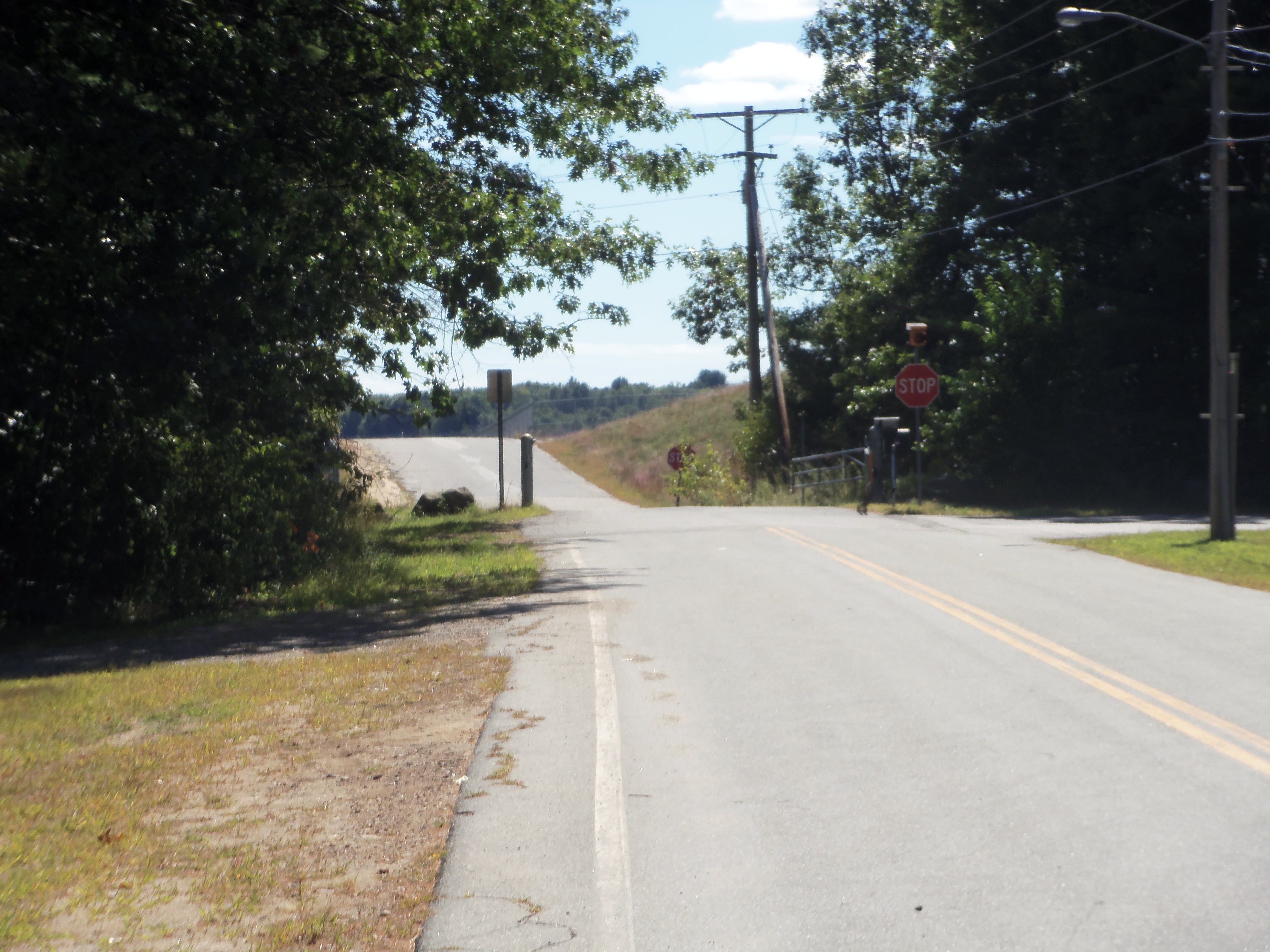
Nimble Hill Road is quite a contrast to the congestion around the mall and big-box stores on the other side of the turnpike.

The town of Newington, just over the bridge on our way to Portsmouth, is easily misunderstood.

With a 2010 population of a mere 753, it often appears to be little more than the Spaulding Turnpike exits to the mall and big-box stores plus a few apartment complexes and a section of the Pease International Tradeport industrial park.

It also has a major electrical generation plant contributing heavily to the property tax base – a major, major factor for any municipality in New Hampshire as it addresses public finances.

The town is also surrounded on three sides by tidewater, including ocean docking on its eastern edge.

But the place was also severely impacted during the Cold War when the U.S. Air Force used eminent domain to acquire 4,255 acres to construct an air base (now turned into the industrial zone) mostly in Newington. The noise of bomber-sized jet planes taking off and landing did little to enhance the neighborhood as a place to live peacefully in those days – the frequent interruptions even forced the grade school to find a quieter setting. After all, its runway, now used by commercial, private, and National Guard flights, is among the longest in New England.

Given those factors, few people would have much incentive to take the Nimble Hill Road exit from the turnpike.

As it turns it, the road presents some classic New England just before culminating in a dead end near the runway. The historic district is a treasure.

Here’s a taste of what you’d see.

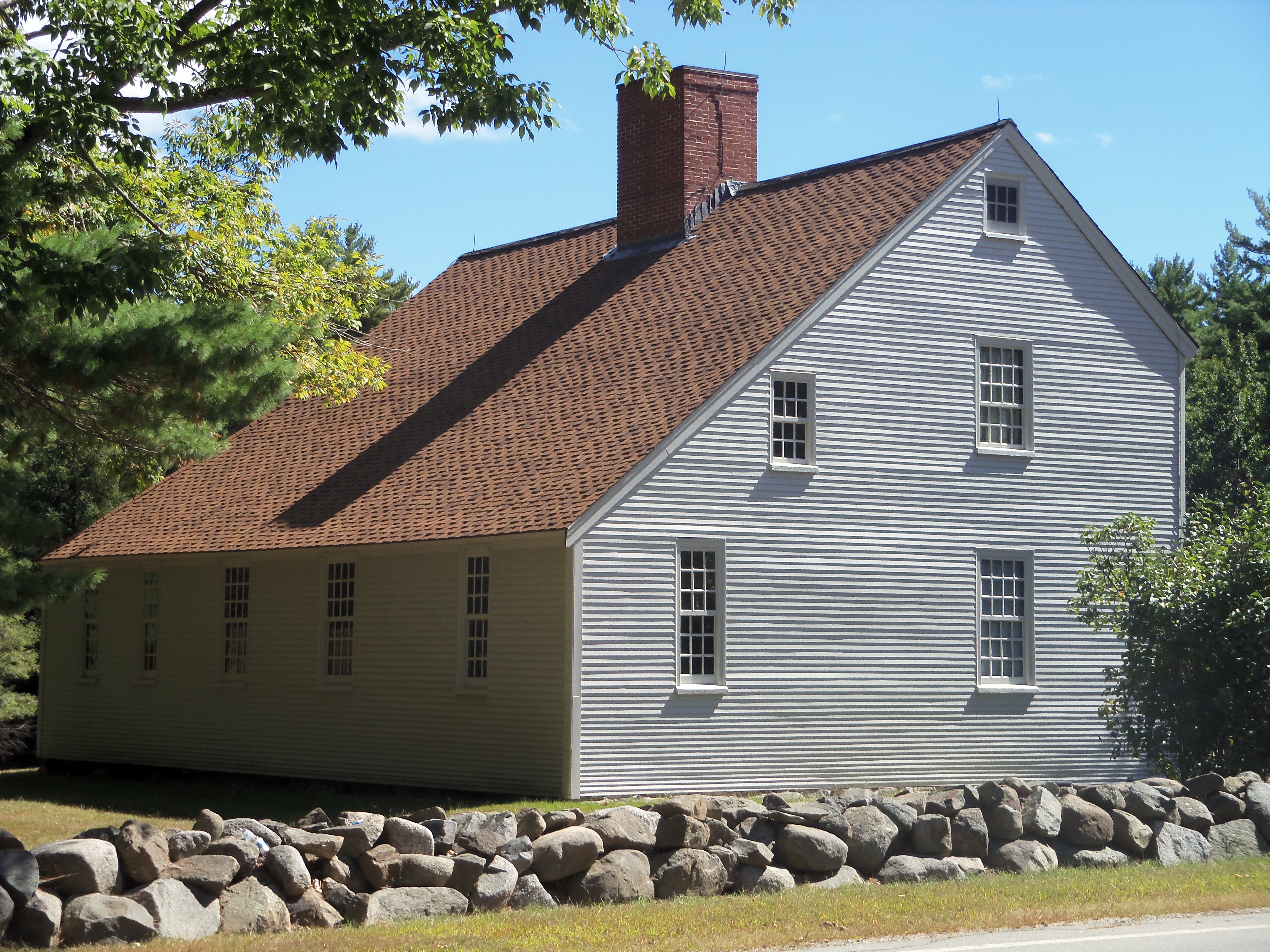
The 1725 parsonage includes a salt-box addition as an early renovation.
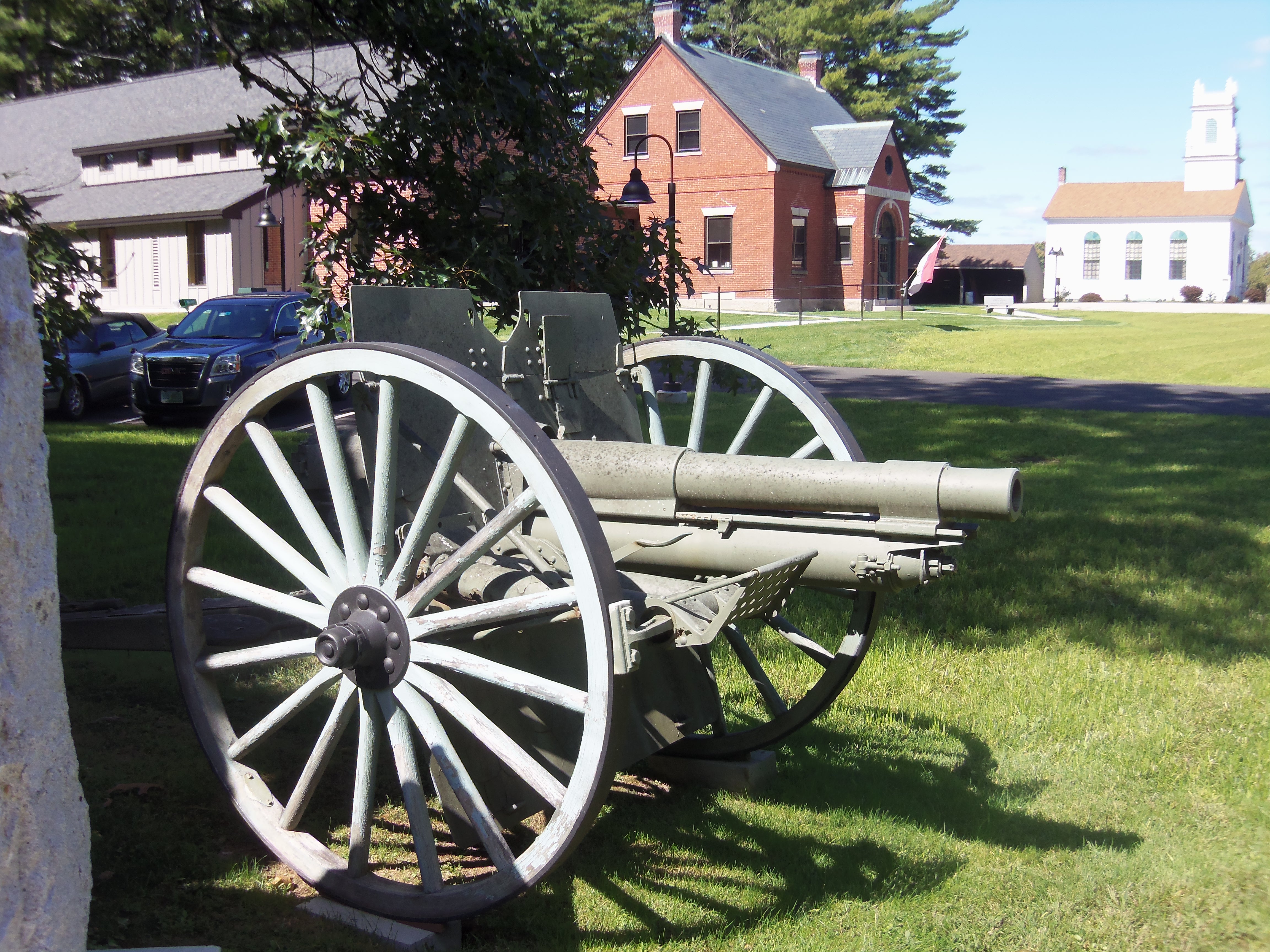
A cannon is part of the town monuments near the center of the Parade where the militia practiced. More Newington men served in the Siege of Louisburg (13) and War of 1812 (12) than in World War I. The background includes the well-funded library and 1712 meeting house, said to be the oldest in New Hampshire. (Hope they mean oldest in continuous use, since I know of two Quaker meetinghouses that are now private residences.)
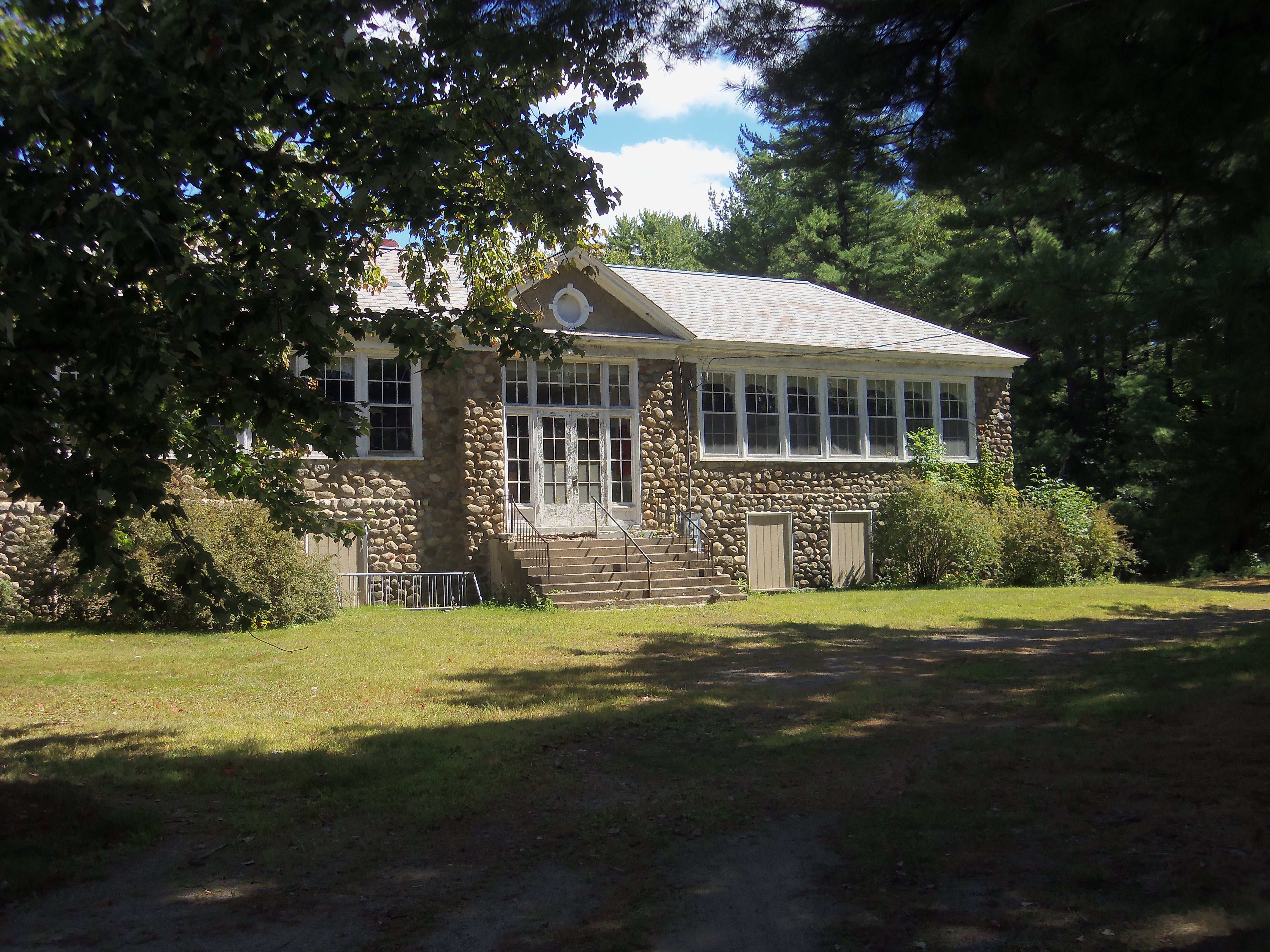
The elementary school fell victim to loud noise from Air Force bombers.
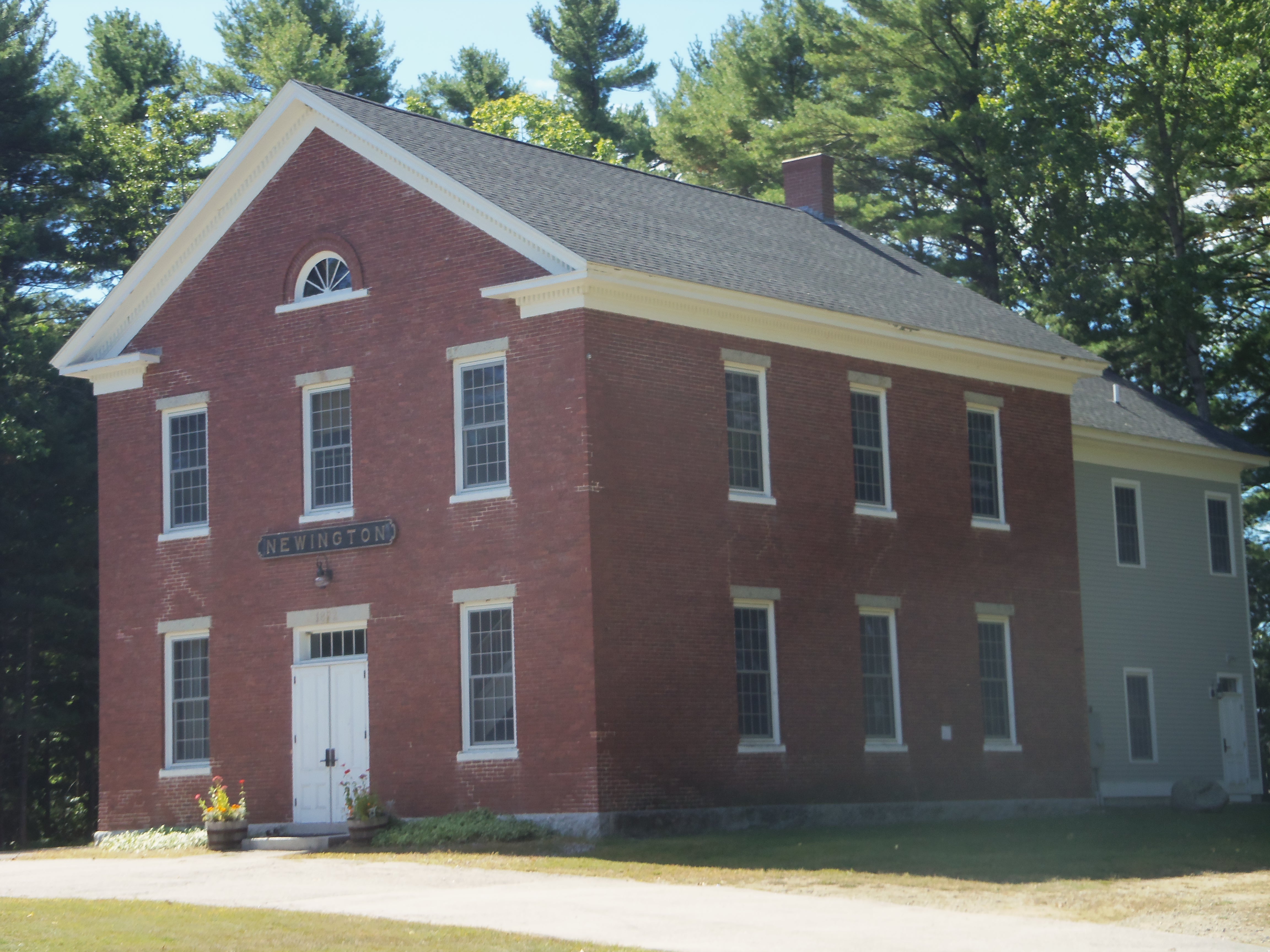
The 1872 Old Town Hall once also housed the school.


CIVIC PRIDE

A former school.
A former school.
And another.
And another.
And yet another.
And yet another.

As municipalities emerged in the 19th century, the populace often took pride in the local identity – and this was reflected in the craftsmanship and details adorning their public buildings.

Dover's old waterworks.
Dover’s old waterworks.
Stained glass windows in what was the high school's chemistry lab. It's now a community center.
Stained glass windows in what was the high school’s chemistry lab. It’s now a community center.
Don't forget the central firehouse.
Don’t forget the central firehouse.

HIGH STREET STYLE

On one corner.
On one corner.

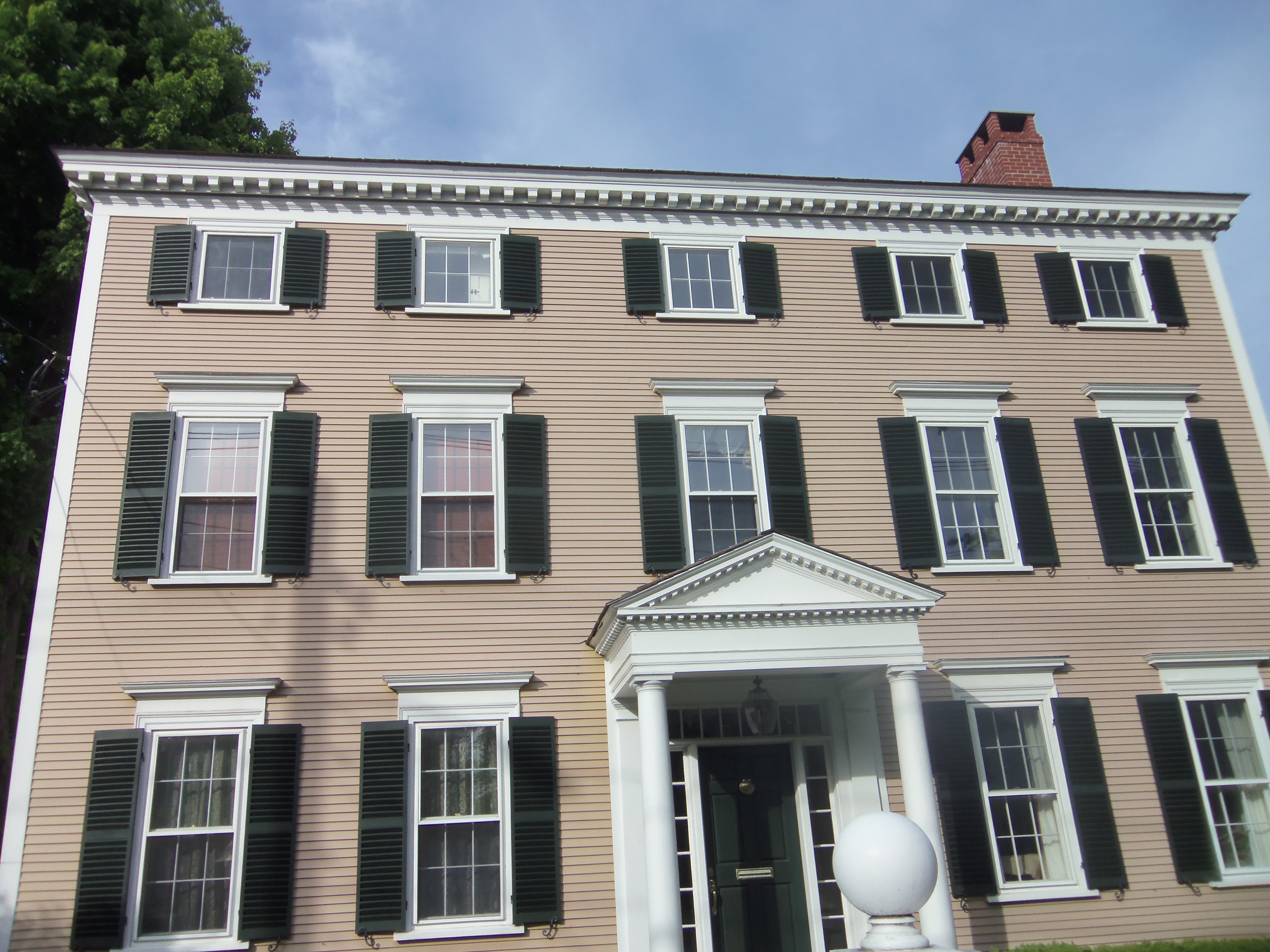
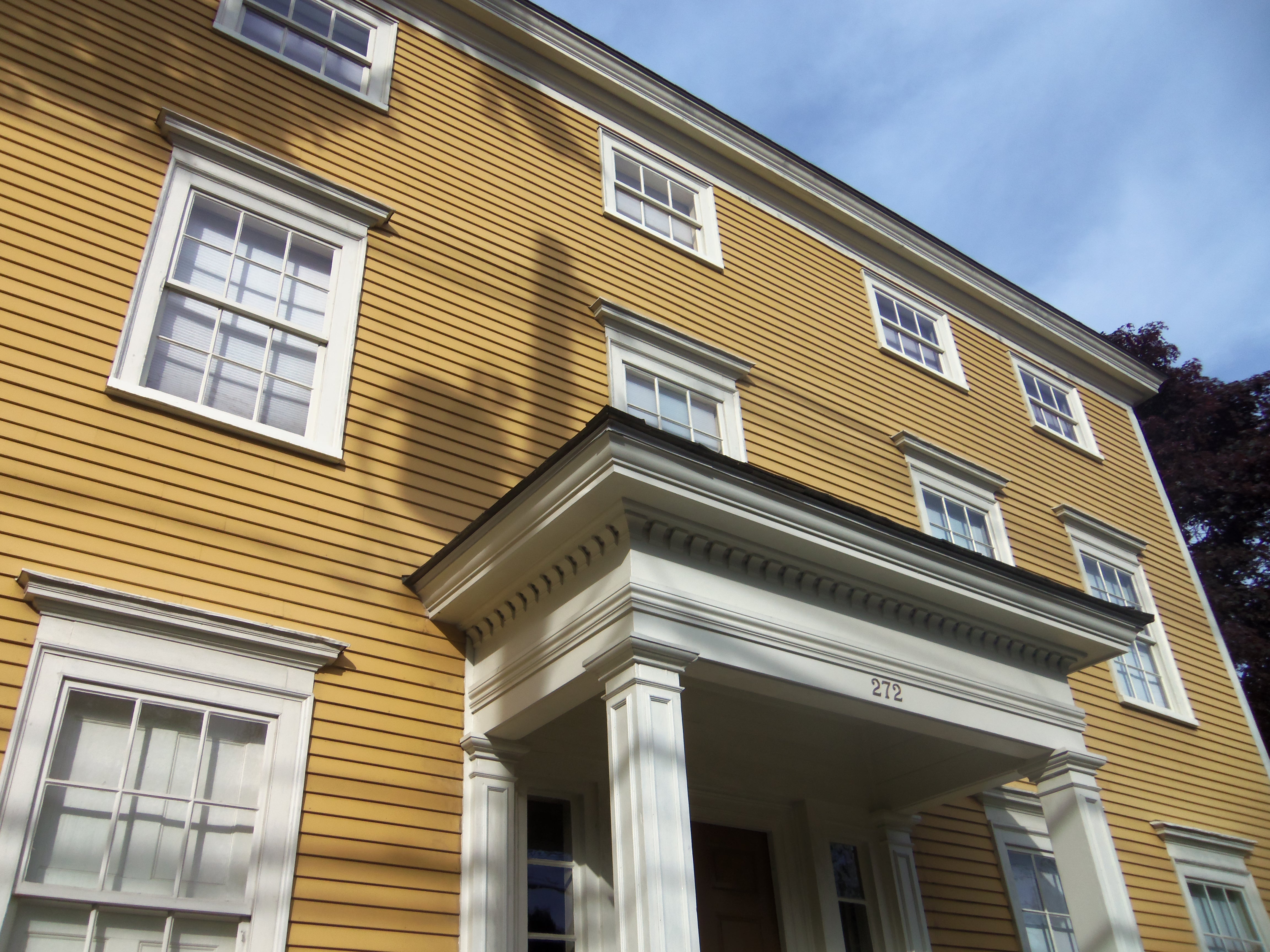
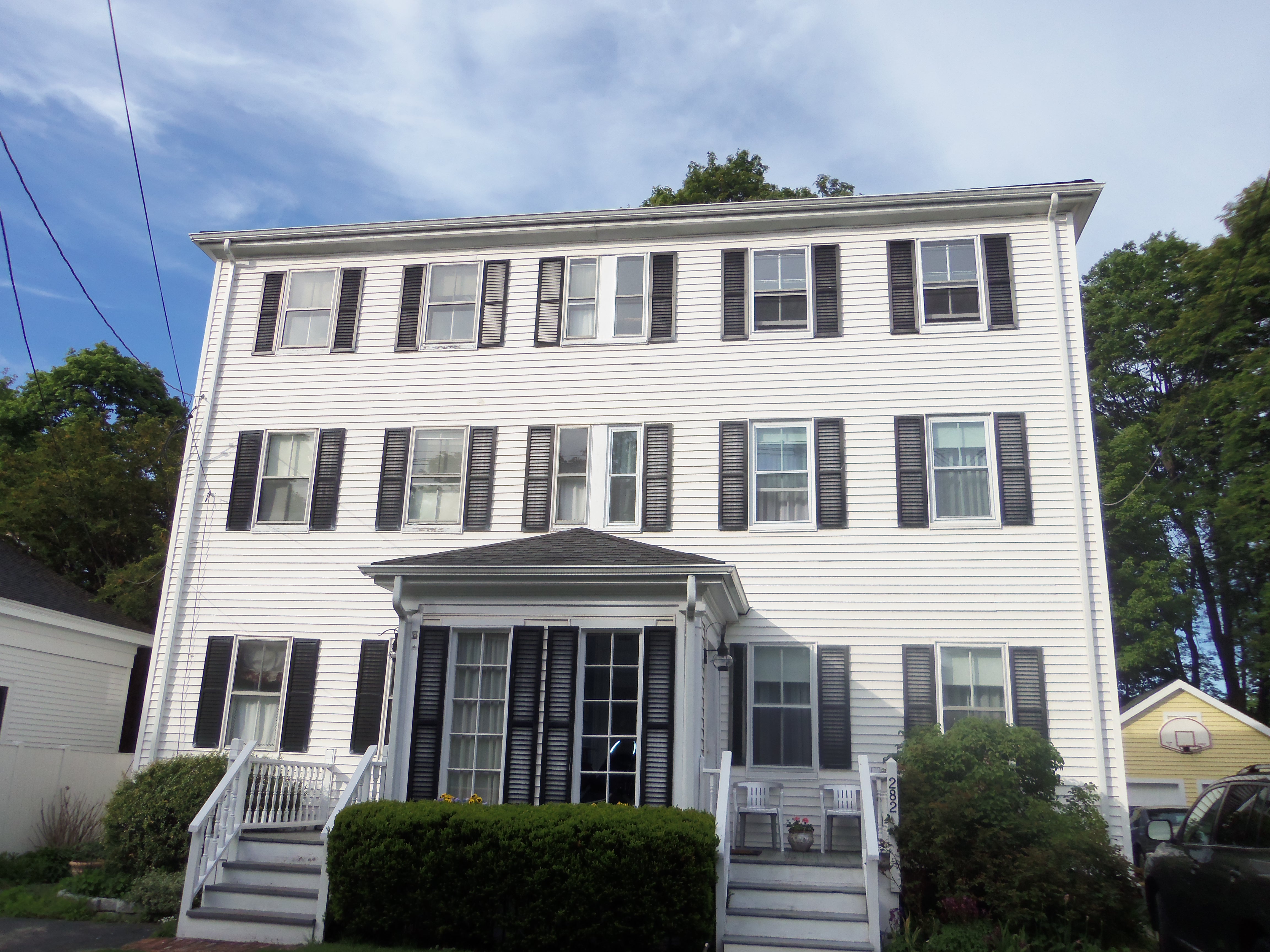
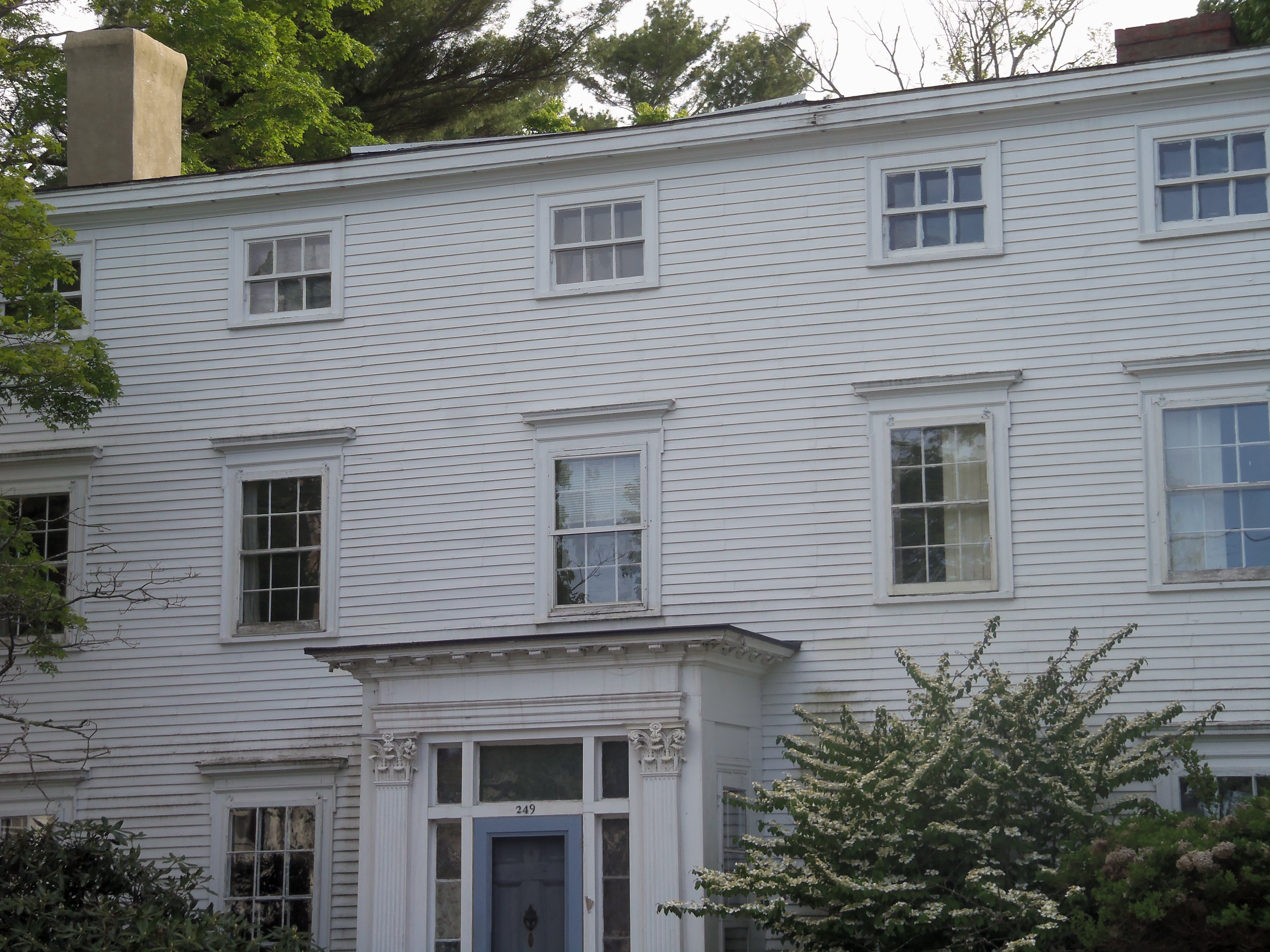
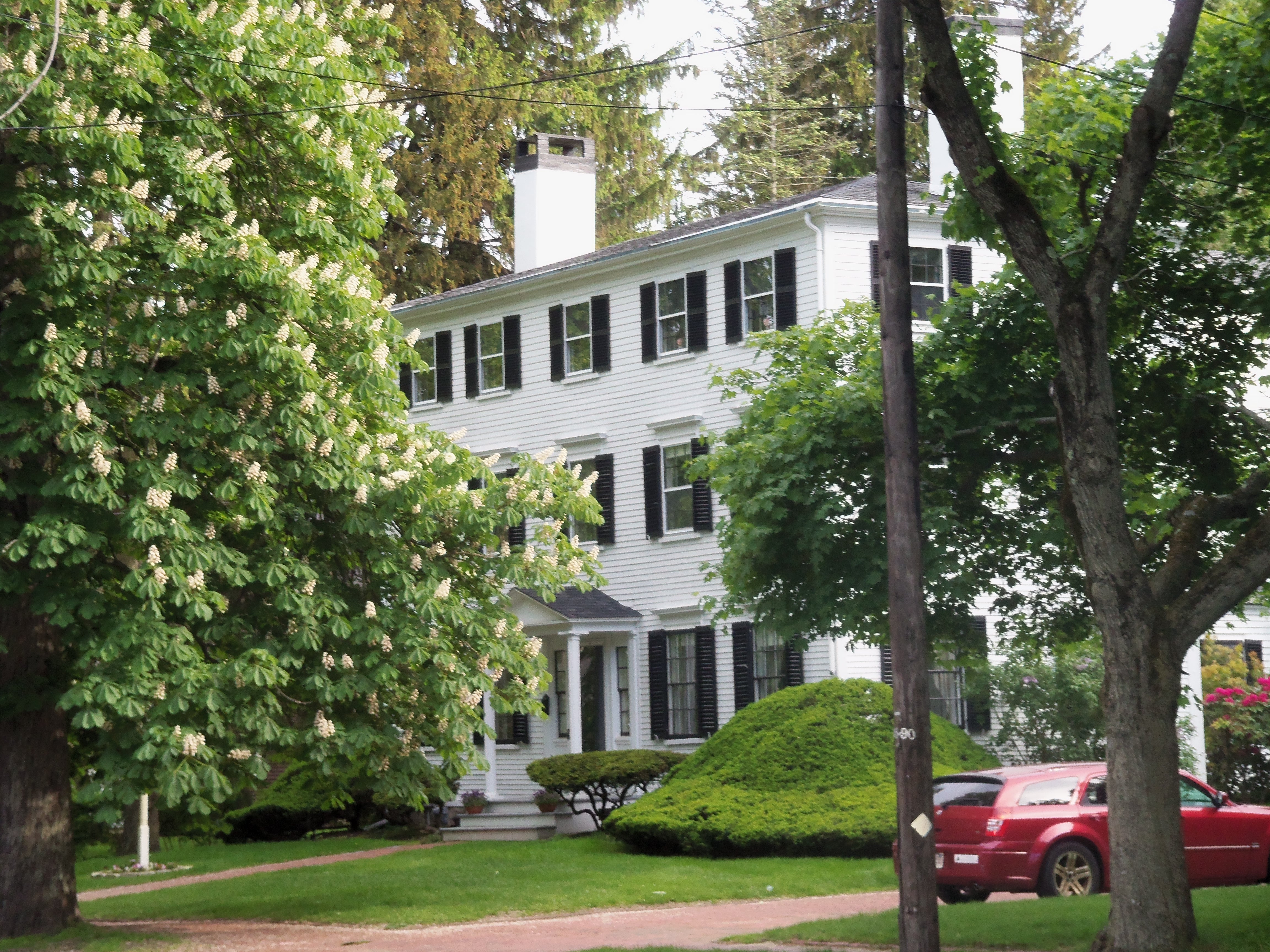
Situated at the mouth of the Merrimack River, Newburyport, Massachusetts, has a historic harbor and charming brick downtown – one that echoes many others in New England, for that matter. Its residential neighborhoods are likewise filled with a range of fascinating details from many historic styles. But for me, the real glory is High Street, built at the height of the lucrative whale oil business. Interspersed among the dominant federal-style houses are some other fine examples. Here’s a sampling.

Colonial.
Colonial.


Lingering Georgian, without many of the distinctive details.


Greek Revival.
Greek Revival.


Greek Revival Temple, here a former church converted to private residence. It has an attached matching garage.


Second Empire.
Second Empire.


Gothic Revival.
Gothic Revival.


Georgian "Colonial" Revival
Georgian “Colonial” Revival

FEDERAL ROW

100_0939The federal style of architecture flourished from the 1780s into the 1820s, and you’d be hard-pressed to find a finer sampling of it than in Newburyport, Massachusetts – especially along High Street. Here are a few examples.

100_0942

100_0936

100_0945

100_0925

100_0921

100_0884


WRIGHT AND MORE WRIGHT

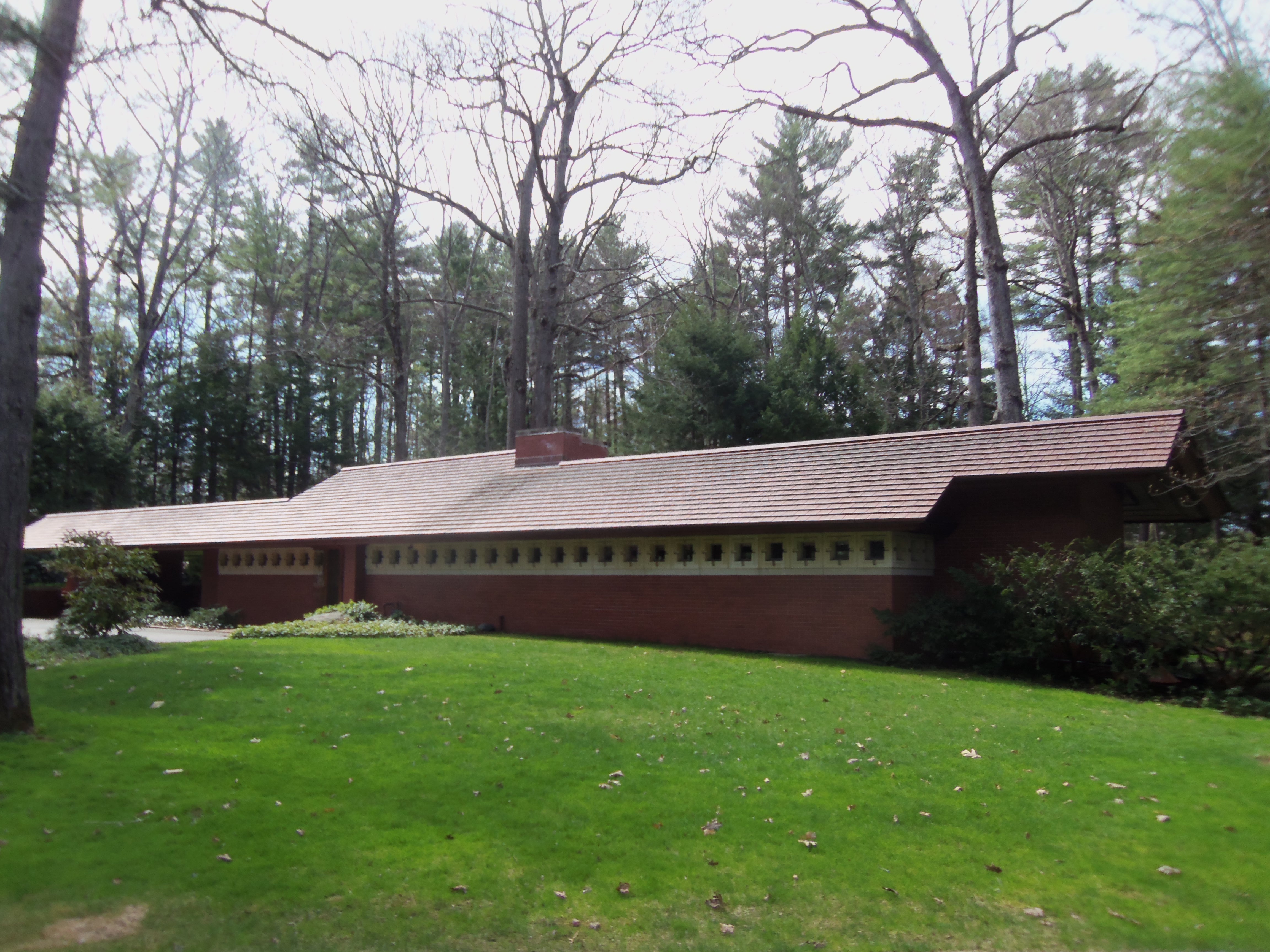
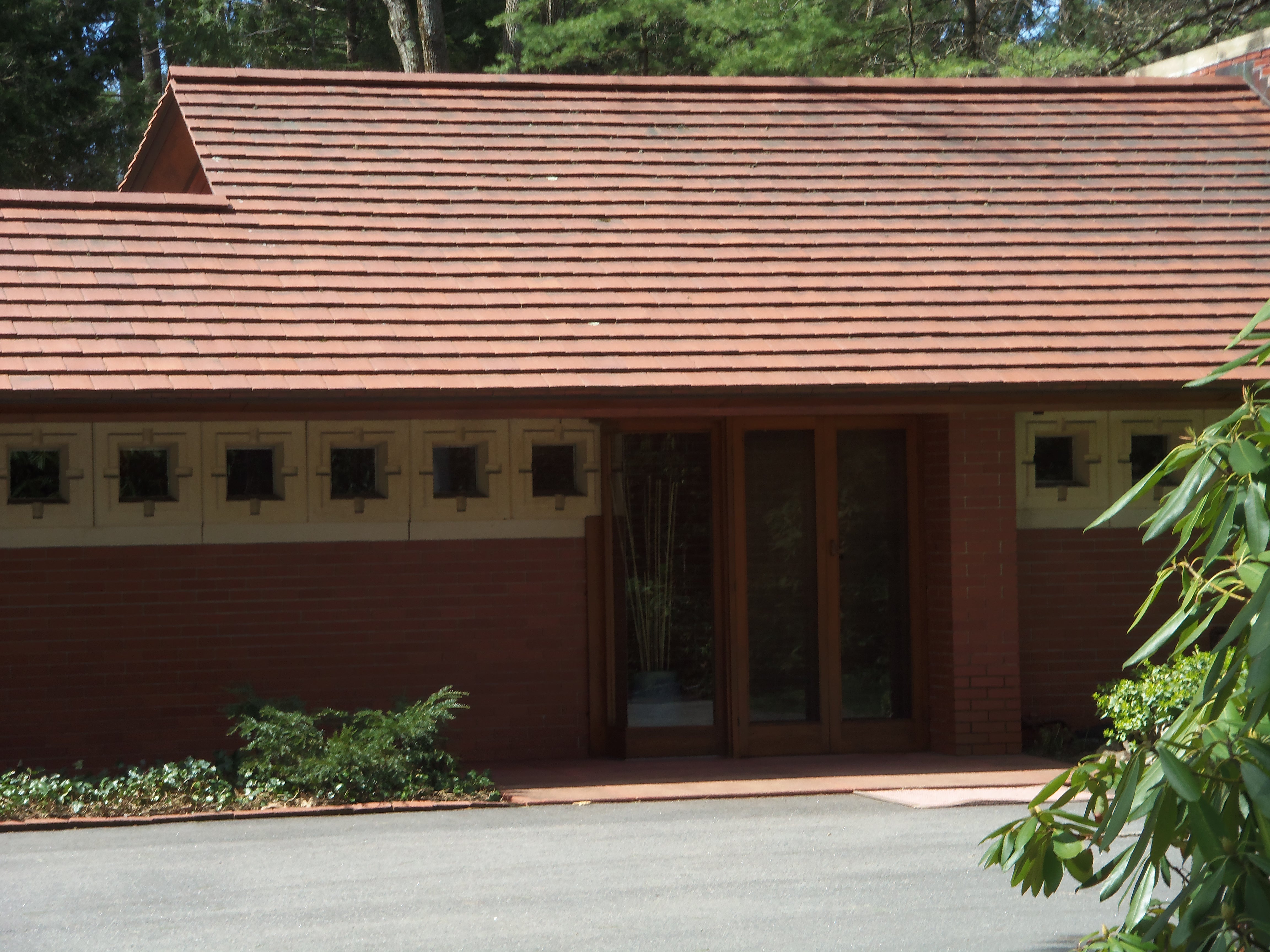
The Zimmerman House in Manchester, New Hampshire, is one of the few Frank Lloyd Wright structures in New  England. I remember chancing upon it on an evening stroll and thinking, "It's either by Wright or one of his students."
The Zimmerman House in Manchester, New Hampshire, is one of the few Frank Lloyd Wright structures in New England. I remember chancing upon it on an evening stroll, looking at the lights in the windows, and thinking, “It’s either by Wright or one of his students.”
Now owned by the Currier Museum of Art in Manchester, New Hampshire, it's open for tours.
Now owned by the Currier Museum of Art in Manchester, New Hampshire, it’s open for tours.
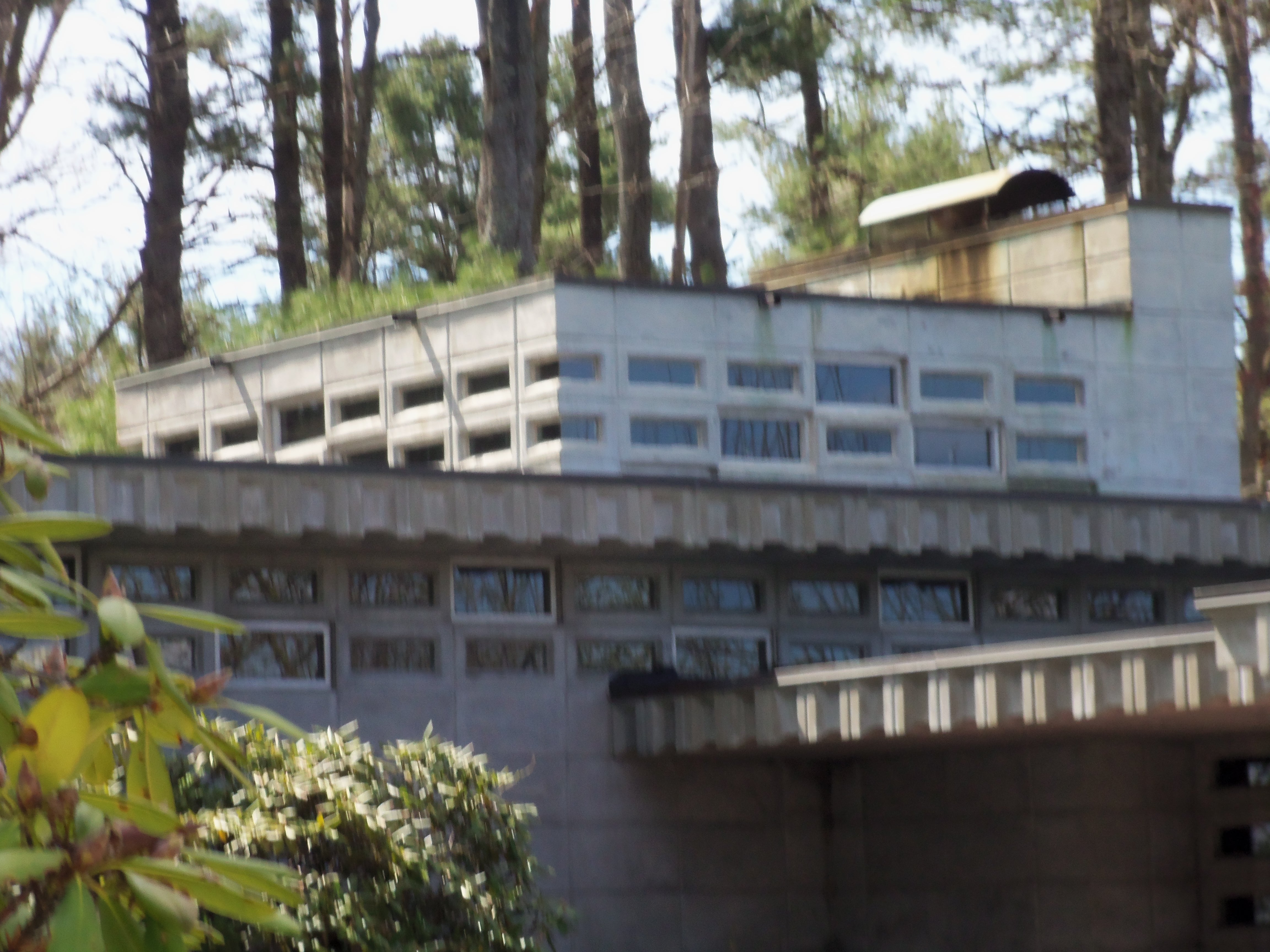
Just a block away, though, is an example of his more mass-produced Usonian project.
This one's still a private residence.
This one’s still a private residence.


THE ATTRACTION OF FERNS

As I said at the time …

It took eight springs in this household before we were finally greeted by a sequence of designed abundance. First, the pussy willow cuttings. Then the succession of flowering: snow lily, crocus, hyacinth, daffodil, forsythia, marsh marigold, tulip, forget-me-not, sweet woodruff, rhododendron, iris, mountain laurel. Accompanied by asparagus, rebounding after a season of root virus.

That’s not to say that any of it’s as orderly or magazine perfect as my wife would like. One neighbor jested our style’s too organic for that. Actually, it’s more like our budget.

Still, it’s quite an improvement over what we encountered when we first moved in and discovered most of our property was wet clay and neglected. Some portions had been landscaped with black plastic covered with gravel, which only worsened the water problems – extending to our cellar. Other portions were heavily shaded, with several nasty box elders and then a dead elm to be taken out.

While most of the garden has been my wife’s project – leaving to me the actual construction of raised beds and pathways, as well as the composting – I lay claim to a few exceptions: the asparagus bed and two small, heavily shaded panels behind the lilacs. The latter, each about forty square feet, are separated by a wood-chip passage. In our first year here, I shoveled off the gravel and dug up the plastic on one side of the pathway and began our attempts to plant ferns in the beds. Later, I dug up the pathway itself, removing the plastic and replacing the gravel with wood chips. The other panel would follow a year or two later.

I envisioned the footpath leading between two lush expanses of fiddleheads – woodland greenery right at home. A taste of deep forest.

The reality was that nothing wanted to grow there. We enhanced the soil repeated. Bought a few commercial fern varieties, which never quite caught on. My wife stuck in some other plants – lilies of the valley, wild ginger, lungwort, jack-in-the-pulpit – and they’ve taken hold. We transplanted ferns from the woods behind our best friends’ house at the time. Next year, I dug up more from along my commute, as well as the first of several seasons from another friend’s forest. Even so, come springtime, squirrels or slugs would mow down the rising green scrolls, while the surviving fronds remained tenuous and “went down,” as they say, earlier in the summer than I would have liked. In other words, forest undergrowth is hardly as natural as it would appear.

But this spring was different. In the older bed, the ferns came in thick and gorgeous – and after a few of the first fiddlehead stalks were leveled, we encased the plants in chicken wire to ward off predators. It worked. In the newer bed, which still has plenty of room to grow, one can see progress. “It’s where the other bed was last year,” we say, meaning we expect it to catch up. No, it’s not the uniform deck of fiddleheads I expected, nor is it the waist high ferns of a forest where a friend lived last year. Rather, it’s a celebration – at least six varieties (we’re not technical; fern identification is quite tricky) – with Rachel’s other plants and a few star flowers and Solomon’s seals thrown in.

* * *

What fascinates me is the variety of the fronds themselves, and how they now spread through in the bed. Some are fine-toothed, while others are broad. Some are bright green, while others show more blue or red. Some shoot upward, while others spray outward. If some are finely etched, others are painted with a broad brush. There are degrees of delicacy, fragility, and geometric interlocking arcs and angles. While the asparagus comes to replicate a tall fern with its feathery fronds, it spikes from the ground, unlike the uncoiling fern stems. This unfurling, in fact, seems to suspend time in space, especially in a few precious weeks when spring is taking hold. There’s something modest in the way ferns float only a foot or two above the ground or the way they crowd in along a wall or fence; something amazing, too, when they take hold in a boulder or cliff. When I gaze at my two fern beds, I must acknowledge that despite all my labors, this is what I have, or at least what’s survived. It wasn’t the plan, exactly. Maybe that’s what makes it all the more remarkable in my eyes.

A bigger question asks just where my fondness for ferns originates. I don’t remember them from the woods in my native Ohio or boyhood backpacking along the Appalachian Trail. I acknowledged them in the glen at the back of a farm I inhabited while living Upstate New York, and later at the ashram in the Pocono Mountains of Pennsylvania. I do remember being stung by the scorn of a Californian while hiking in southern Indiana, and then being enchanted in the array within rainforest in Washington State. Returning east, I kept Boston ferns in my apartment windows, vowing if I ever owned property again, I’d have ferns.

So memories and associations fit in here. Tastes of the past, and souvenirs of discovery. A reminder, too, of how forest touches my soul. My wife is moved more by flowers. I, by the gentleness of ferns.