When I see this …

… I think of this.
 For the free ebook novel and more, click here.
You never know what we'll churn up in cleaning a stall
When I see this …
… I think of this.
For the free ebook novel and more, click here.
An opportunity to stop by the periodicals room in a well-stocked town library had me sensing something had shifted since my last visit. The room itself, at the heart of an 1884 building, is gorgeous, with tabletop reading lamps and much dark woodwork. The local history archives are in a tall-ceilinged room behind glass at one end, while the rest of the chamber is embraced by an open contemporary addition from 2006.
This time, though, as I looked around, I realized how few of the shelves had magazine covers facing me. Mostly it was the plain metal finish. And then what hit me was that of 14 of us sitting quietly there, all but two were working on their own laptops. We could have just as easily been at Starbucks, apart from the no talking and no food requirements.
As I read short stories in Ploughshares, with its heft an assurance in my hands, I reflected on the paradox of being one who treasures a room like this and its contents and then being one who’s appearing more and more only in digital formats read on these flickering screens.
What are we to make of it, ultimately? The library has posters telling patrons they can now access their favorite magazines online at home, thanks to an institutional subscription. So how do we simply wonder and peruse, open to whimsy and discovery? What are we losing and gaining in this exchange?
The lessons remain:
Not a bad model for a poem, either. Or a whole collection to pack along the way.
 ~*~
~*~
For your own copy, click here.
When I see this …
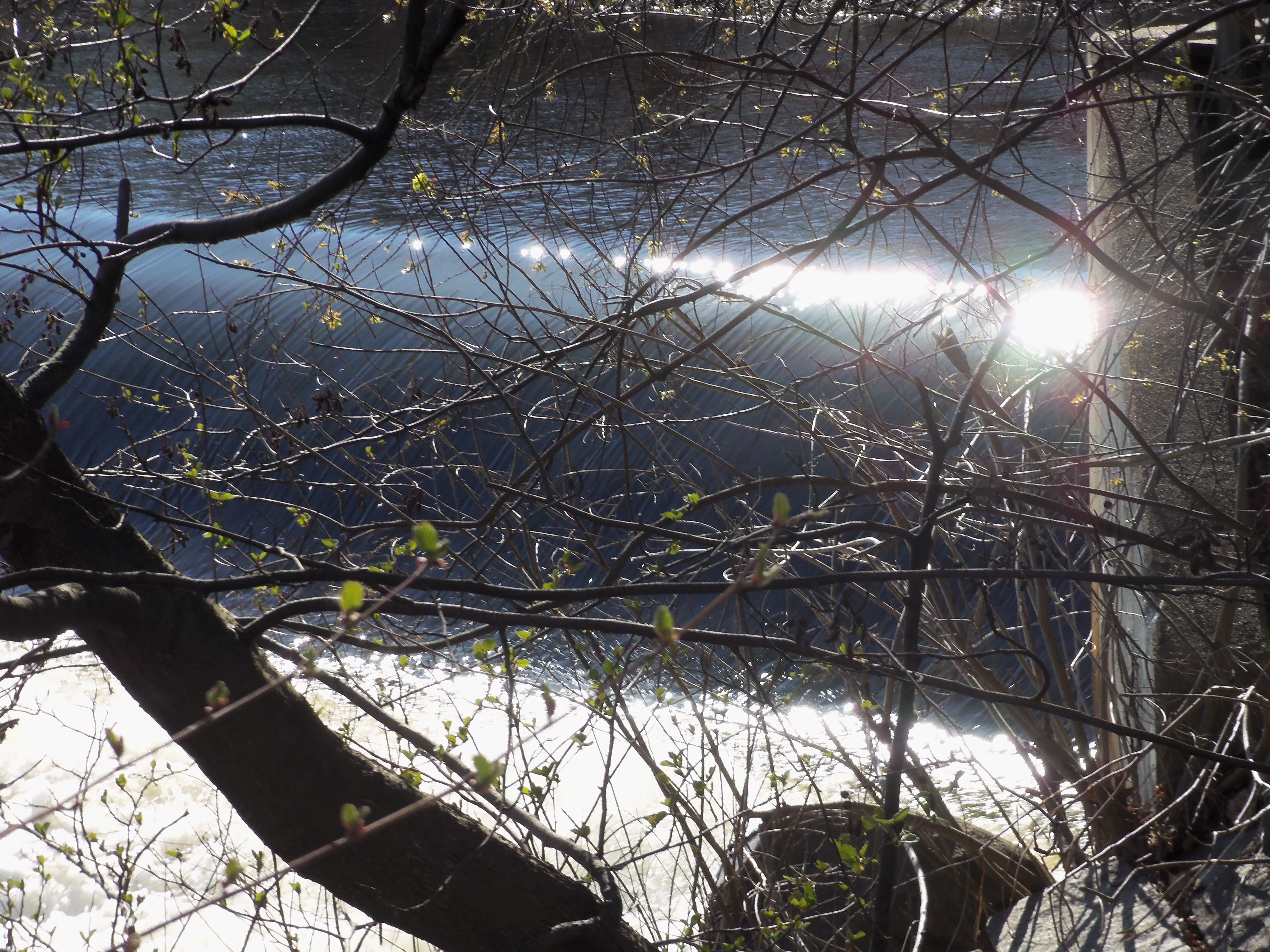
… I think of this.
For the free ebook novel and more, click here.
The Olympic Peninsula is an extraordinary extreme in continental United States. It juts out in the far upper left-hand corner, surrounded on three sides by ocean and inlets and featuring a jagged mountain range in its center. Much of it is lush and tangled, and there is relatively little human habitation.
It could be a land of the gods, as its very name suggests. Or as the Native Americans, with their stories still intact, will relate. Forget Zeus and Hera, then – this is a panoply arising from American roots and its westward focus.
Come along into the rainforest and then camp just in from the beach. As I did, collecting these poems.
 ~*~
~*~
For your own copy, click here.
When I see this …
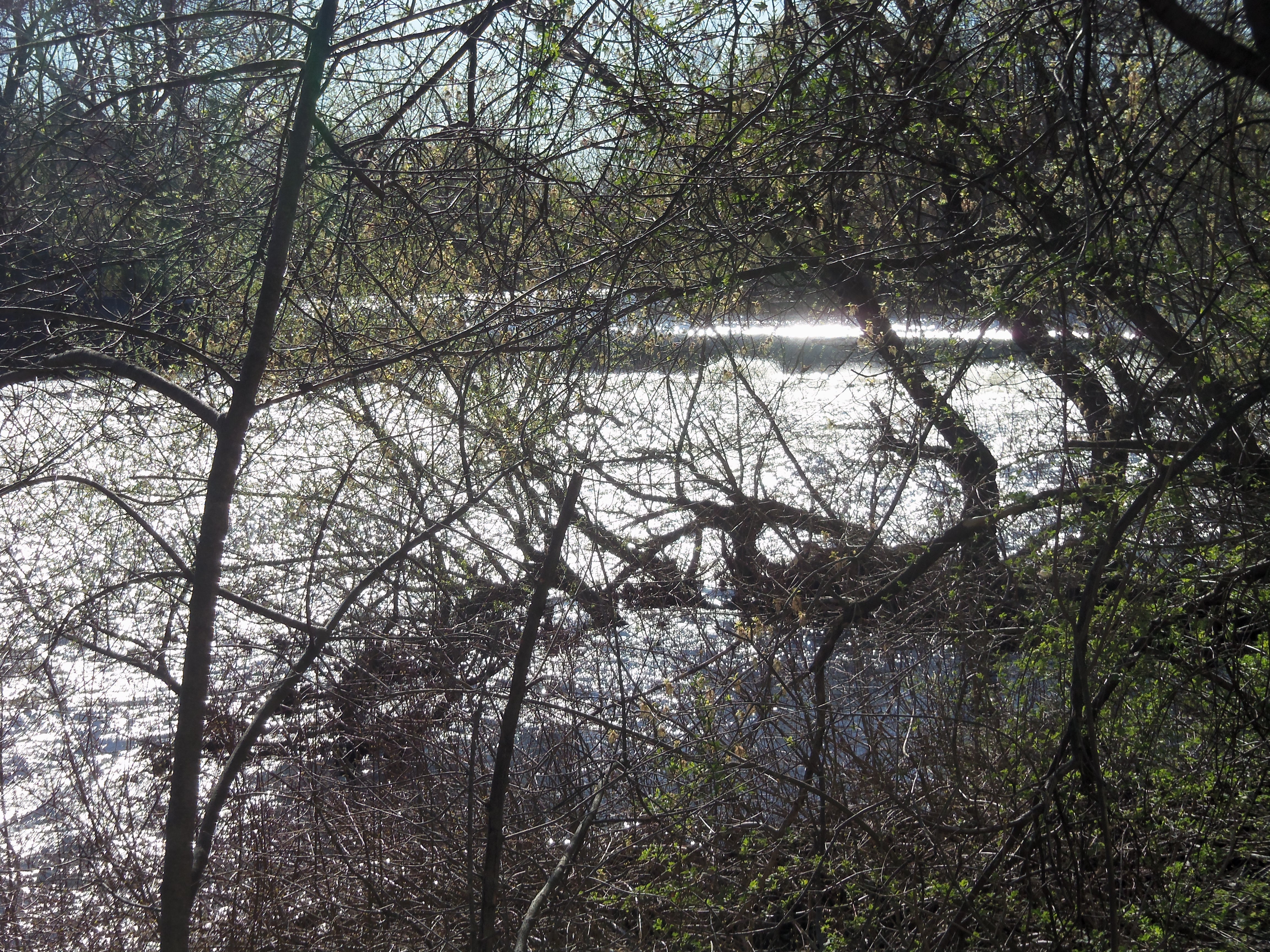
… I think of this.
For the free ebook novel and more, click here.
If you garden, unless you have a pickup truck or access to one, you’ll have to decide what to do with the limbs and branches you trim. Bagging them for the dump’s a pain. One thing you don’t see in the colorful gardening books, of course, just may be essential. I’m speaking of the brush pile. Especially if you can’t get a burn permit due to neighborhood density.
The wood breaks down over time, however slowly, but the pile does provide refuge for small critters as well as kindling for our wood-fired stove through winter.
It’s all part of working our plot, with an emphasis on composting and natural balance.
In an urban setting like ours, rejuvenating the soil itself can be a revelation. Items keep coming to the surface from somewhere underground – stones, glass, costume jewelry, bits of metal or plastic objects. Nothing prepared me for the spaceman, though – the one holding a pair of pliers. No, he topped the toy horse and the Neanderthal with a club, for certain.
~*~
 For more on the book and others, click here.
When I see this …

… I think of this.
For the free ebook novel and more, click here.
When I see this …
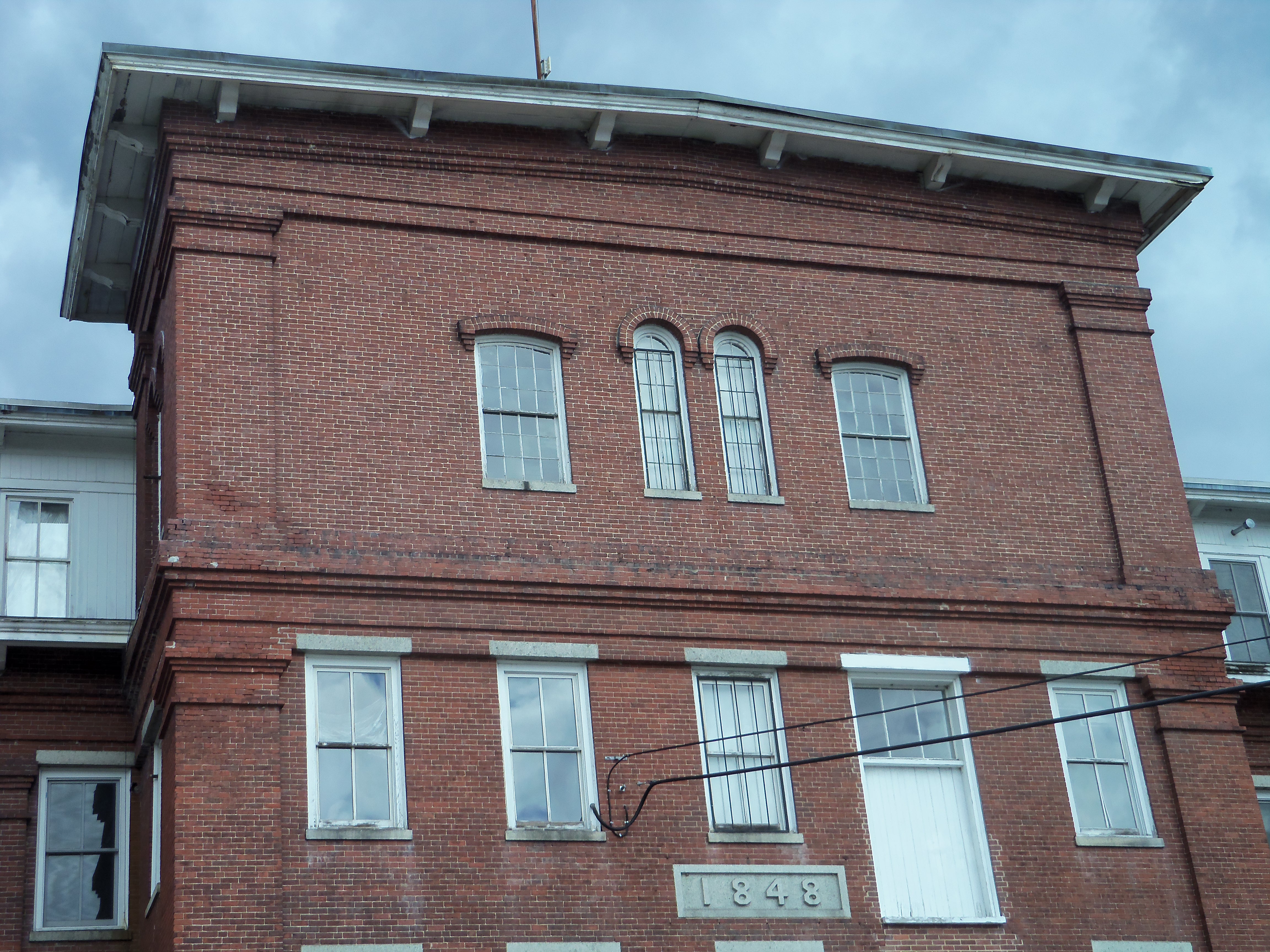
… I think of this.
For the free ebook novel and more, click here.
When I see this …
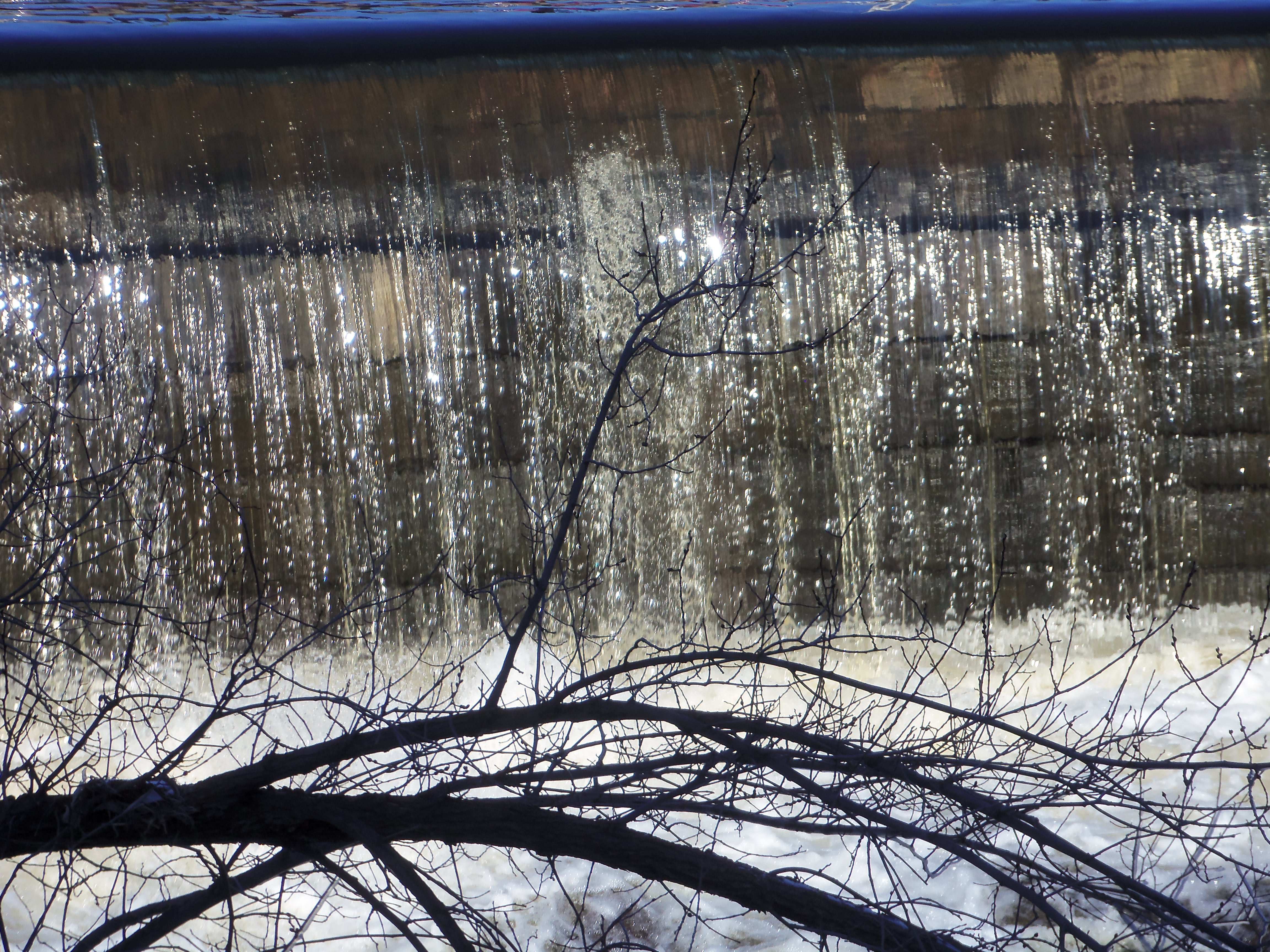
… I think of this.
For the free ebook novel and more, click here.
 Jnana's Red Barn