As I’ve mentioned previously, Dover is the seventh oldest settlement in the U.S. – as well as the oldest in New Hampshire. After residing in the state nearly three decades now – half of that in Dover itself – I’ve come to recognize how tangled the early history of New England is, and how little of it was exposed to me in the traditional versions of the American experience taught in public schools elsewhere in the nation. I’m not even sure a clear accounting is possible, even through the Colonial years.
For one thing, the surviving records leave gaps. As an example, consider how much was lost each time city hall burned down. And then, what did so and so mean in a passage about such and such? How do we interpret them?
For another, trying to follow a particular thread can become frustrating. Which perspective do we pick – Puritan or Pilgrim? They had distinct differences from the get-go, despite their underlying embrace of Calvinist theology. What about the dissidents, notably the Quakers and Baptists, who were major influences yet seldom are mentioned in the mainstream accounts? And then which colony or settlement, often at odds with others?
Even trying to follow a particular family in a thoroughly researched genealogy through this period can become overwhelming. Five, six, or seven generations from the time of the first Mayflower landing till the American Revolution can produce a lot of offspring.
Inhabited since 1623, Dover was often outside of the purview and control of Puritan Massachusetts. In contrast to the Bay colonies to the south, New Hampshire was chartered as a money-making scheme, not as a New Zion. So it rarely appears in the overview histories, especially the ones that focus on Boston.
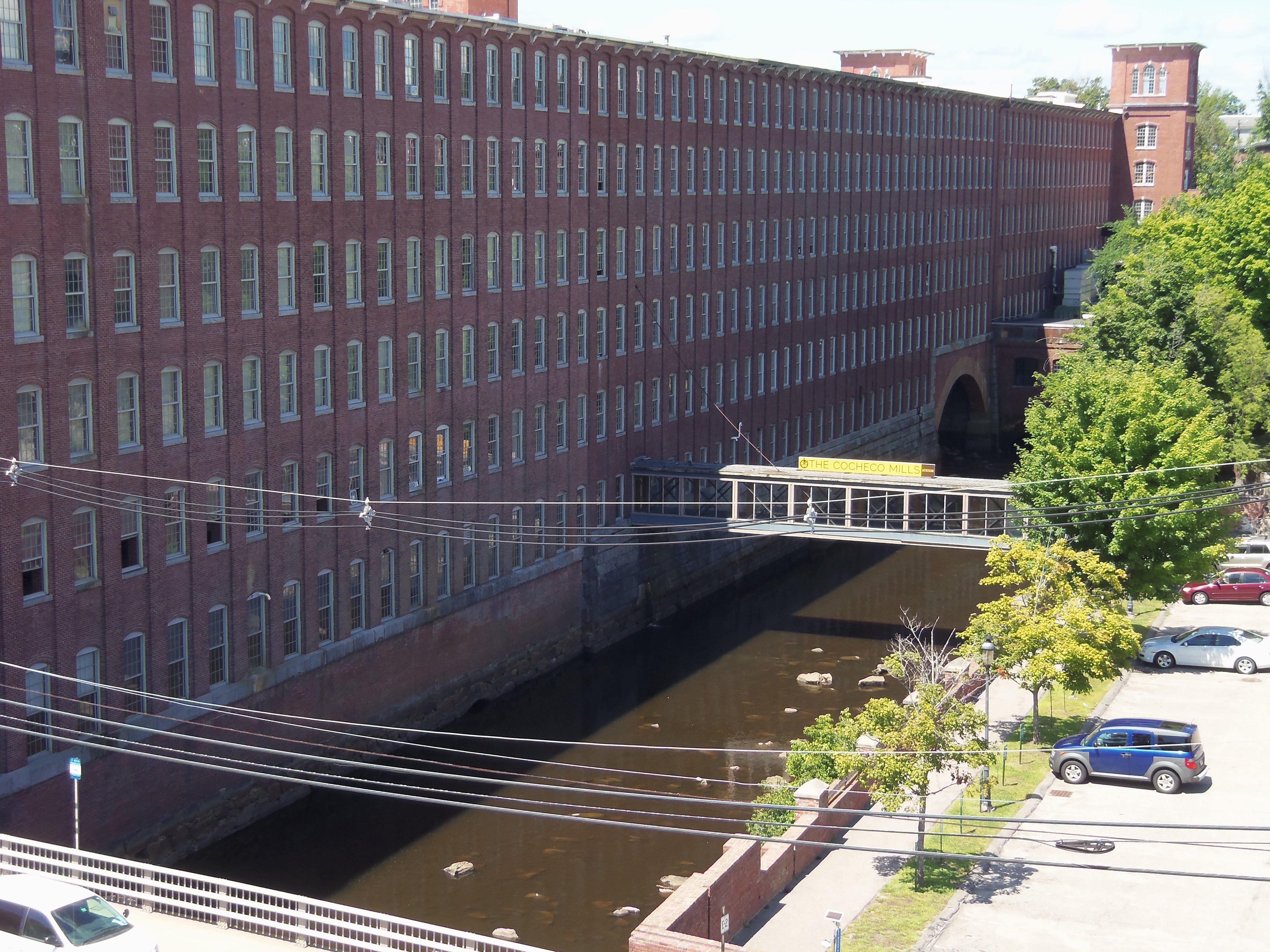
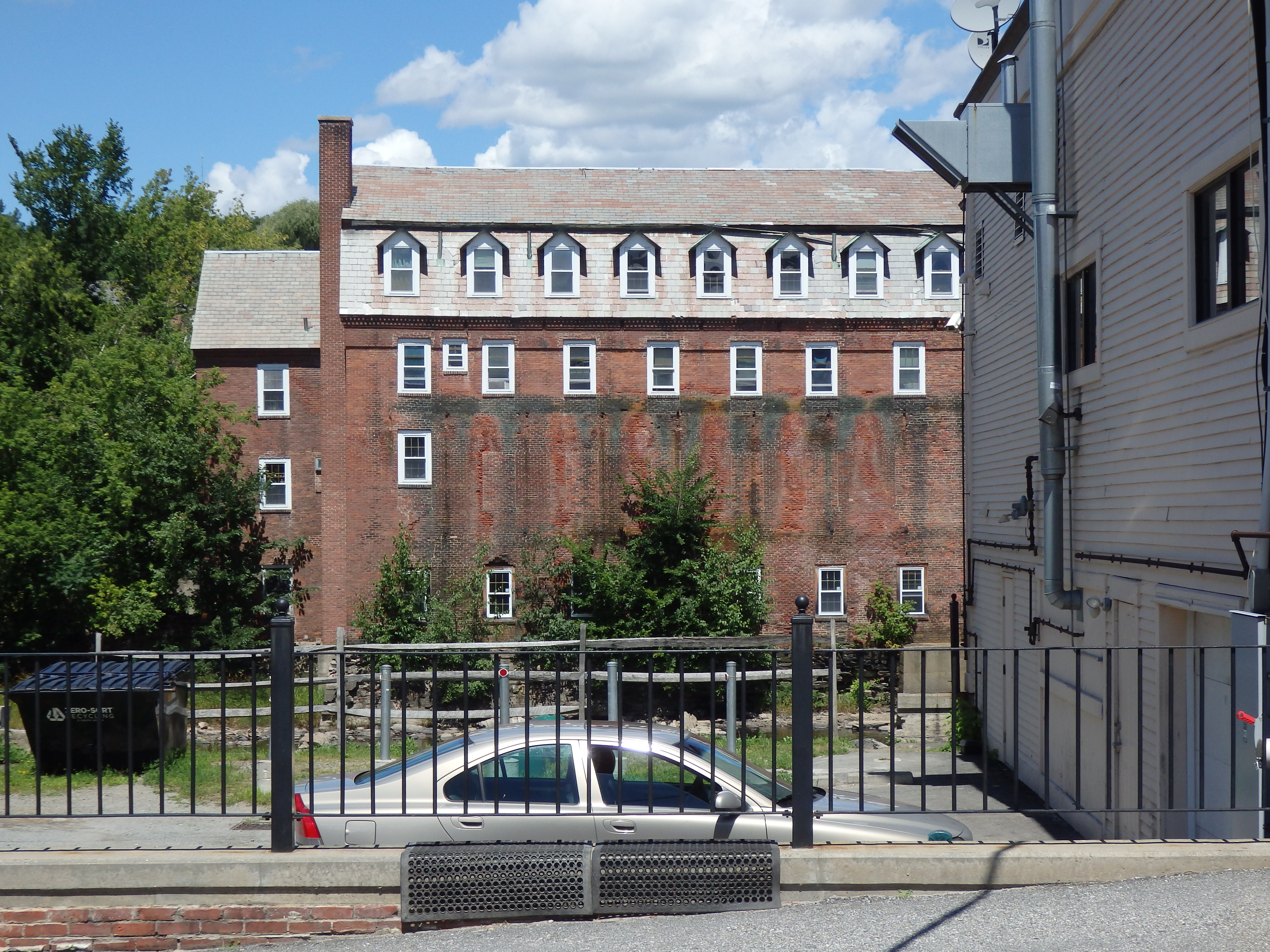
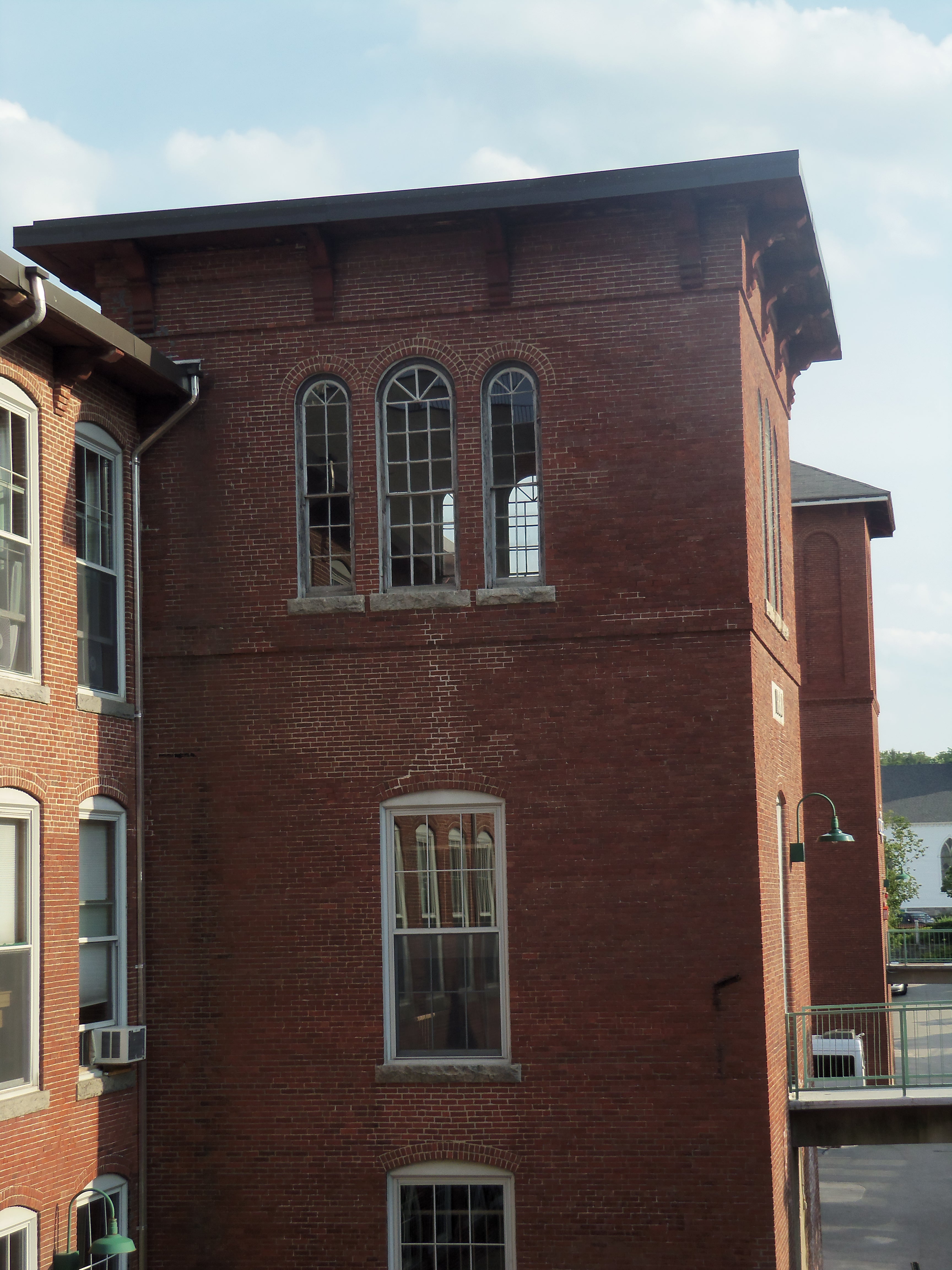
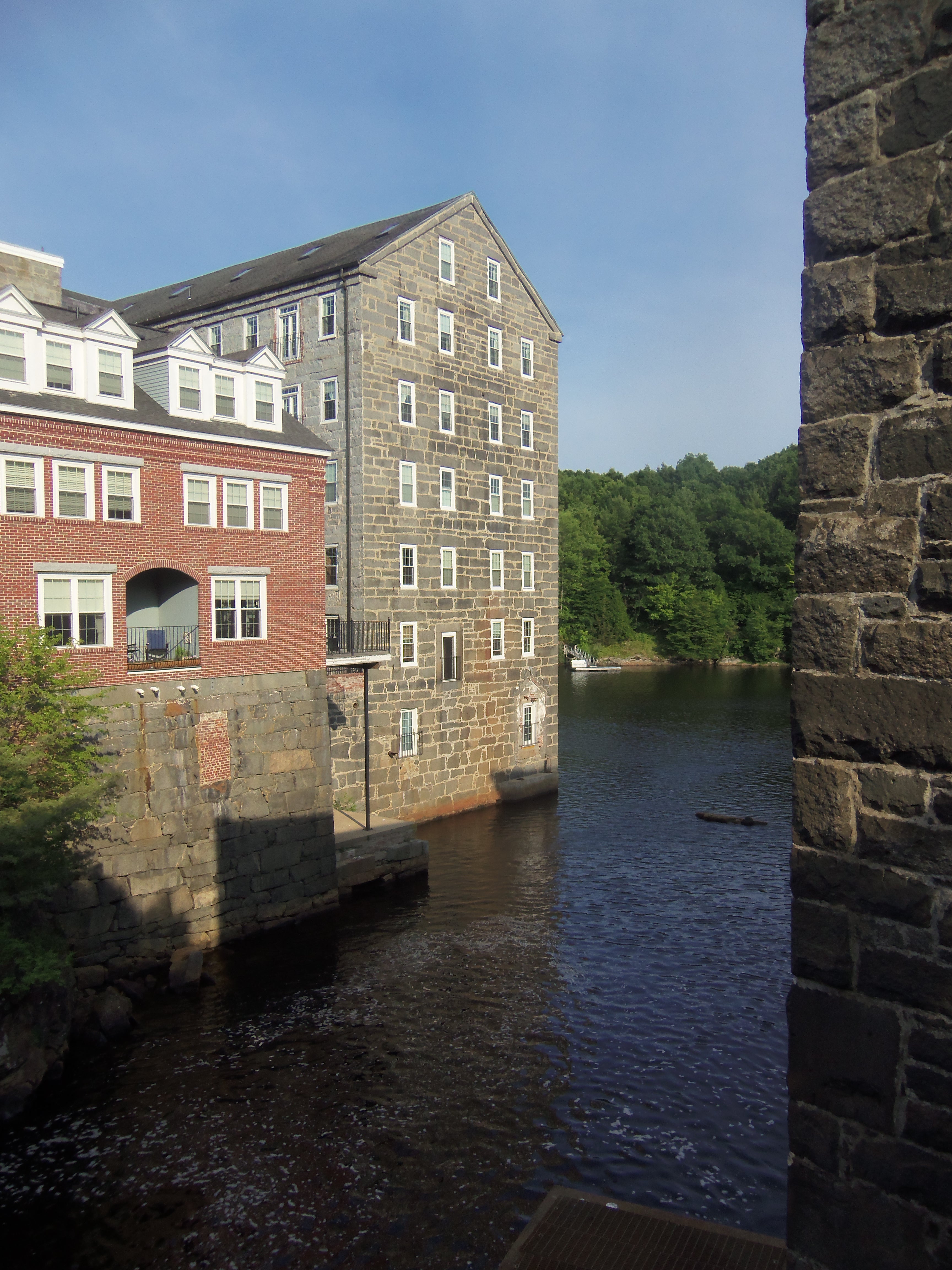
One central character in Dover’s early years is Richard Waldron (1615-1689), who arrived around 1635 and soon turned what’s now downtown – then known as Cochecho Village or Cochecho Falls – into a personal fiefdom.
He was a powerful figure, not just as major of the militia but also in colonial politics both in New Hampshire and Massachusetts as well as in his control of trade with the local Native populations.
My awareness of him comes in his ordering the persecution of three Quaker women in 1662, missionaries he sentenced to be pulled by an oxcart to Cape Cod and stripped to the waist and flogged in each town en route – a death sentence, if not for the courage of those who turned the itinerary instead to sanctuary in Maine. (These were the women who founded the congregation I now serve. A poem by John Greenleaf Whittier relates their ordeal and witness.)
Major Waldron is also notorious for an event in staged September 7, 1676, when he invited Natives to join in a “mock battle” or day of games and contests a few blocks away from where I live. Of the 400 braves who accepted the invitation and showed up, half were captured and taken to Massachusetts, where they were either sold into slavery or hanged.
This was in the midst of an Indian uprising known as King Philip’s War (June 20, 1675, to April 12, 1678) that arose in Rhode Island. Many New England settlements were raided and burned, including Providence, Rhode Island, and Springfield, Massachusetts, and almost all of the English settlements in Maine were eradicated in that outbreak, not to return until the end of the French and Indian War.
In northern New England, however, hostilities continued for decades after the King Philip’s outbreak, often orchestrated by Jesuit French priests. (The last fatal attack by Indians in Dover was in 1725.) Remember, too, bounties were paid for scalps.
In Dover, like many of the surrounding towns, garrison houses and fortifications were ordered built as refuges during periodic raids. Sometimes they worked. Sometimes they didn’t.
On June 28, 1689, during what’s recorded as King William’s War, the Natives launched a devastating attack on Dover in which 52 colonists – a quarter of the population of what’s now downtown Dover – were killed or taken captive.
Among those murdered was Major Waldron, mutilated with his own sword. Look up the details, if you wish. It was sweet revenge.
Raids over the years left many of the surrounding towns with similar destruction, death, and captivity. (Even tracing the tribal connections involved can become challenging, since these were shifting alliances.)
Essentially, much of northern New England was on alert until the end of what we know as the French and Indian War in 1760. That’s a long time of simmering violence.
As for following a particular thread through all of this, the minutes of our Quaker meeting’s sufferings and service through this period are lost to a later fire at the home where the books were in storage. As I was saying about the surviving records? I’ve heard bits and pieces. An anvil that sits in our meetinghouse was, by oral tradition, pulled from the ruins of one of the houses in 1689, although it more like was made later and used by one of the descendants who turned Civil War cannons into plowshares.
~*~
I have no doubt where Major Waldron would be standing in today’s political scene.
He ordered the deportation – and in effect execution – of three women for their religious convictions.
Sound familiar? They were, we should note, pacifists.
And then he foolishly inflamed a neighboring nation – in this case, the earlier owners of the land (oh, my, does that sound familiar when thinking of Texas, New Mexico, Arizona, or California?) and then look at the havoc and destruction that followed. To wit: brash talk, cruel action, misogyny, words that promise one thing but mean something else altogether.
History does provide warning signs. Let us pay heed.