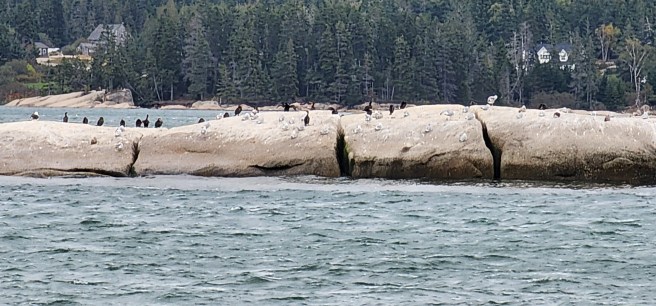
Unlike most other waterfowl, they need to dry their wings. This was near Stonington, Maine, as seen from a cruise aboard the historic schooner Louis R. French last summer.
You never know what we'll churn up in cleaning a stall
Unlike most other waterfowl, they need to dry their wings. This was near Stonington, Maine, as seen from a cruise aboard the historic schooner Louis R. French last summer.
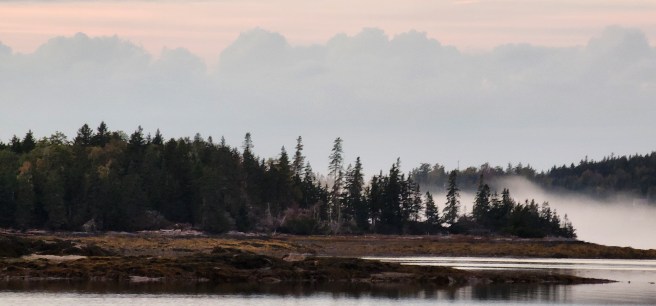 One afternoon while anchored at Holbrook Island during a cruise aboard the historic schooner Louis R. French last summer.
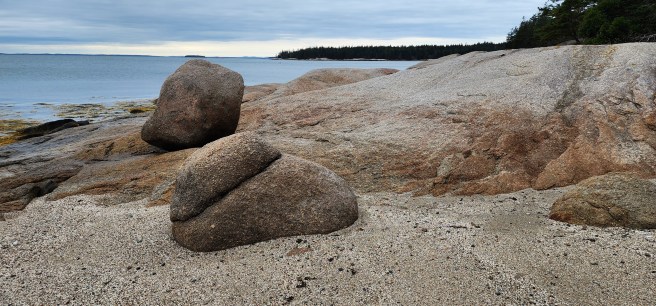 There are times when we could use a geologist on our explorations. At others, perhaps a Zen Buddhist master would be more appropriate.
This shot was taken during a shore visit from a cruise aboard the historic schooner Louis R. French last summer.
As Bar Harbor, at the gateway to Acadia National Park, tries to limit the number of cruise ships coming to town, tiny Eastport has been reaping benefits.
For the past two autumns, as some of the ships have ventured our way, we’ve welcomed their arrival at our downtown Breakwater pier. As I’ve previously posted, they’ve extended our brief retailing season and brought delighted walkers to our byways, shops, eateries, and galleries.
Supporters point out that these guests and supporting staff don’t add traffic congestion to our narrow roadways, and their arrivals can be spaced to avoid times of busy events. The town is also limiting arrivals to one ship per day, unlike Bar Harbor or Portland.
It’s still early in the planning for the upcoming travel season, and things can change rapidly, but here’s what’s already slated.
At his point, we’re expecting ten ships to come calling, 23 arrivals in all and up to 55,000 day-visitors. A few are spread out over the summer, too.
Three of them are too long to dock at the pier. Instead, they’ll anchor in the channel and relay passengers and crew to and from the dock.
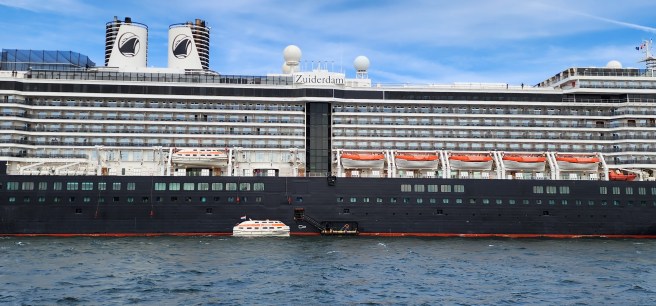
The Zuiderdam, seen here in Rockland Harbor last year, will be making two visits. You can see one of its tenders in the water, conveying passengers to the town and back.
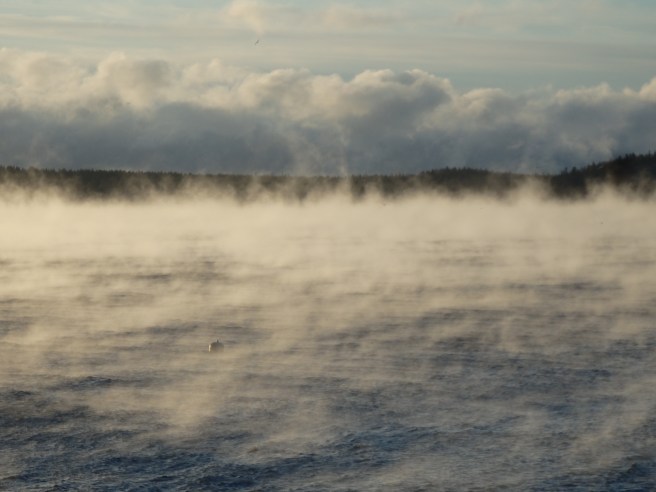
This happens when the air temperature approaches zero Fahrenheit, well below that of the Atlantic.
 They’ll even shuck their treasures from the shells before returning to dock, no matter how cold.
 Jnana's Red Barn