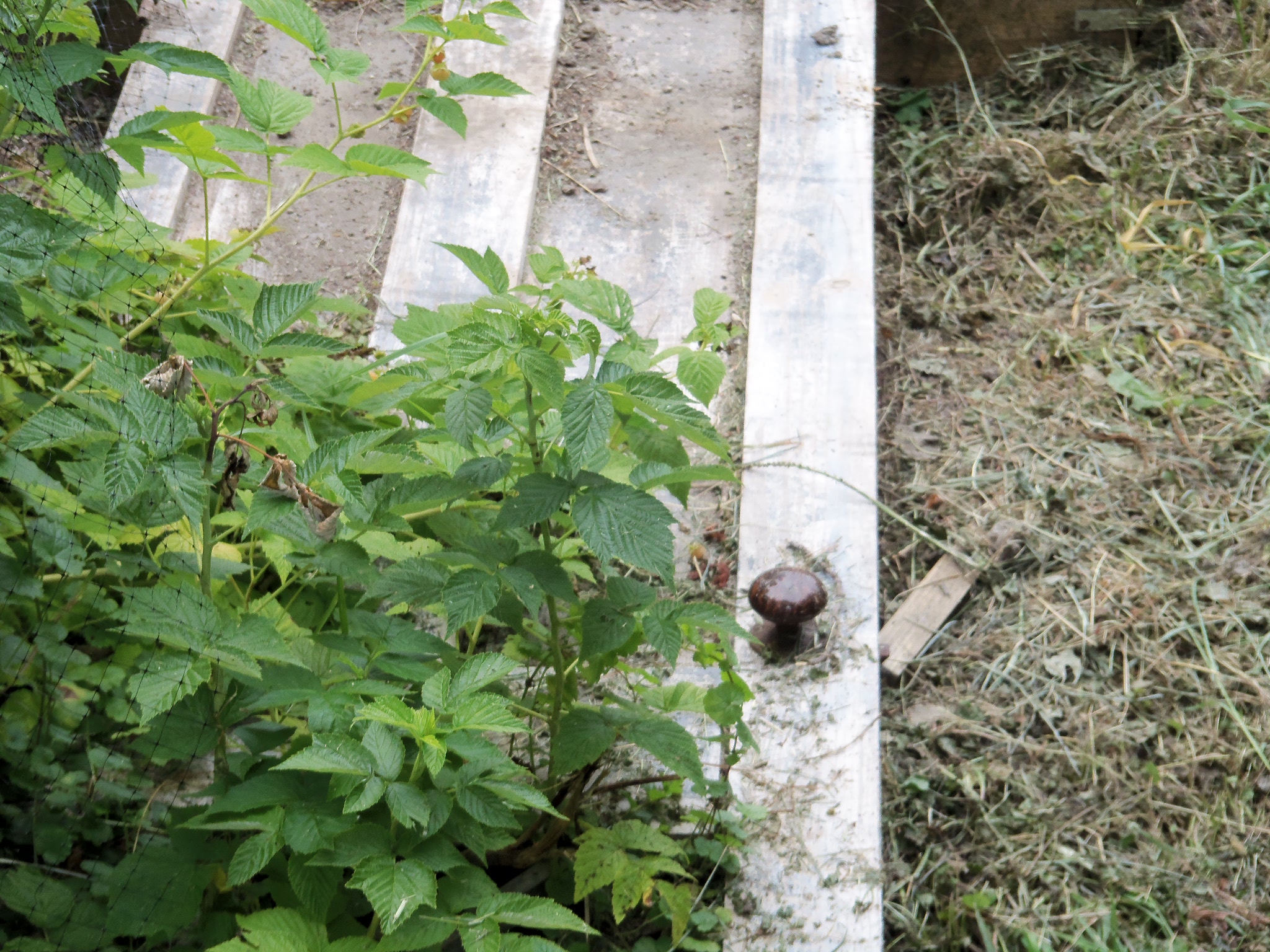
 Actually, it was from the cellar and left out in the yard to dry. Add mythology if you care.
You never know what we'll churn up in cleaning a stall
Actually, it was from the cellar and left out in the yard to dry. Add mythology if you care.
Vanity Fair magazine’s October 2010 article, Beware of Greeks Bearing Bonds, by Michael Lewis may still be the best perspective we have on the events finally crashing along the sunny Aegean and sending shock waves through the rest of the continent.
Events? Do we call them economic? Financial? Political? Social? Moral? Cataclysmic? Truly tragic, as in “taking on the gods and bearing the consequences”?
The Greeks aren’t alone in trying to make sense of money issues. Apart from monetary policy itself – a highly esoteric field – any discussion of money soon wades into emotionally laden assumptions regarding wealth, possessions, time, labor, even food or family or religion. These are the grist of my ongoing Talking Money series at Chicken Farmer I Still Love You. I hope you join in — the category can be found under the Contents tab.
One of the easily overlooked realities about money is that it is essentially an elaborate IOU – one that allows us to store excess productivity or labor over time and space. Eventually, though, any promises come due, and you better have something that will back the debt up. That’s as true for nations that print the bills or banks that move them about as it is for individuals. And that’s what we’re seeing in Greece.
As I write this, I have no way of anticipating what will play out. The lack of a single nation to enforce the necessary regulations that would back the euro had me skeptical of its success from the very beginning, though I’ve long admitted to being a neo-Luddite. Still, the history of state-issued currencies in the United States in the aftermath of the Revolutionary War illustrates the pitfalls of currency that is insufficiently backed up. Prudent Pennsylvania proved to be the big exception to the trend and maintained its value.
We watch the present drama, then, hoping the action remains confined to the stage in the amphitheater. There are no guarantees – no double your money back – for anyone as the plot thickens.
Any predictions? Or counsel? We’re all eyes and ears.
Like Dover, the town of Newmarket flanks Durham and its state university campus, and as a former textiles mill town, it, too, is home to a number of University of New Hampshire students and the kinds of businesses one would expect as a consequence – small restaurants, bars, pizza parlors, bookstores, yoga studios, nightspots, and so on. The Stone Church Meeting House has long been a venue for emerging musical acts.

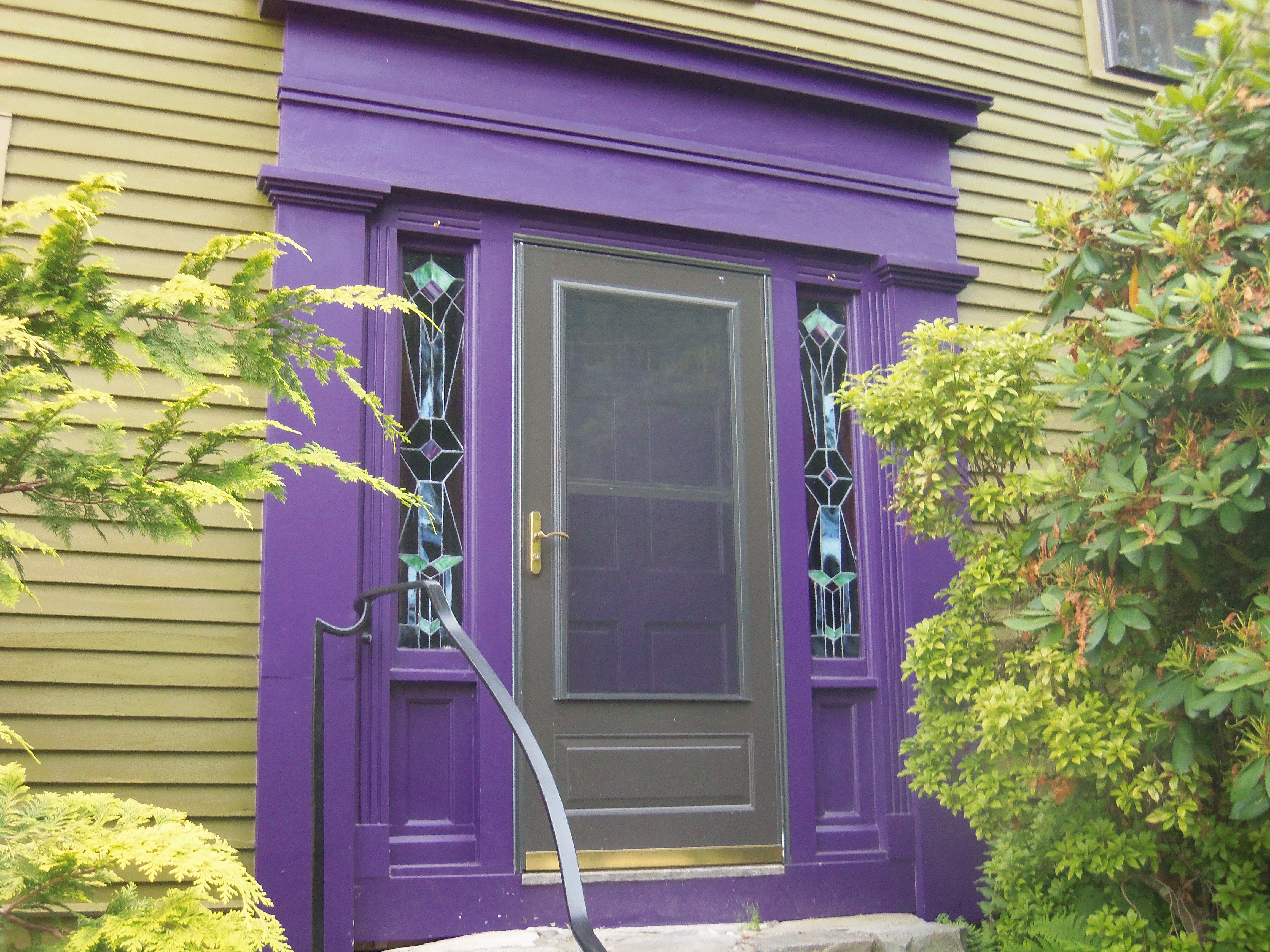
The town of approximately 9,000 also has a strong blue-collar side, which also feeds into a distinctly funky feel.
But to me there’s always been a sensation that the place isn’t fully New England. It somehow reminds me more of small cities in central Pennsylvania or even Galena, Illinois, near the Mississippi. I think that has to do with the way the central street twists through downtown and the prevalence of stonework rather than the traditional brick in the mills and a few prominent houses. It’s picturesque, all the same.
Key to its industrial development was a large inland saltwater estuary that allowed extensive shipping. In generic usage, Great Bay also encompasses Little Bay and a host of small-town waterfronts where humble rivers fall to sea level. These include Durham and its Oyster River; Exeter and the Exeter/Squamscott; and Newmarket, with the Lamprey River, before passing Dover Point and emptying into the Piscataqua River on its way to the Atlantic. It’s a major breeding ground for fish populations all along the East Coast, and the current at Dover Point is always intense.
Hope you enjoy this quick tour.


It’s started. It’s definitely started. The 2016 presidential race.
Those living in New Hampshire can assure you by one indicator, the sudden rise in home phone calls. If you’re registered to one political party or the other and have a number listed somewhere, you’re getting invitations to meet its hopefuls — even the ones who haven’t yet filed. And if you’re registered as an independent, you get them all. And everyone’s asked to express opinions, though not all of the surveys are scientifically neutral. Did I mention the pleas for donations?
We view it as our quadrennial state sport – as well as an obligation to serve as guinea pigs for the rest of the nation. We’re not as rural as many think — much of the state’s really an outer suburb of Boston, so we get our share of big-city problems. And we’re more diverse, as well. We’re small enough to give deserving underdogs an ear – rather than just those who already have the most money. In face-to-face encounters, some of them in neighbors’ living rooms, we work to look through the mass-media image – and often we see somebody quite different than what you’ve assumed. Some highly qualified individuals are warm and witty in intimate settings but stiffen up in front of a big crowd or the television cameras — while some who look great on a tightly scripted screen are truly uncomfortable, even incoherent, in an everyday setting. We’re diligent enough to recognize the congestion of clown cars can be wildly entertaining, so we pay close attention. Besides, we know that just because these hopefuls can pay the registration fee doesn’t mean they can manage anything, but we still hope they enjoy their extended vacation in New England. They do put the rest of the crowd in perspective.
I’ll let folks in Iowa weigh in with their version of this winnowing process, but this is something we in the Granite State take seriously, no matter how eccentric or even lunatic the messenger. It’s a job somebody has to do, and staying informed isn’t always easy. We’ll be ready to kick back when it’s over.
Oh, would you excuse me? The phone’s ringing again. It just might be …
As I said at the time …
It’s a quirky process, this exercise of seeking homes for personal work – the reactions of editors and readers so idiosyncratic and varied that the same piece can be considered too intense, by one, and not raw and bloody enough, by another. I can never predict who will accept what, no matter how long I’ve known a publisher or journal.
Contributor’s note? Just say I hope soon to be tent camping again.
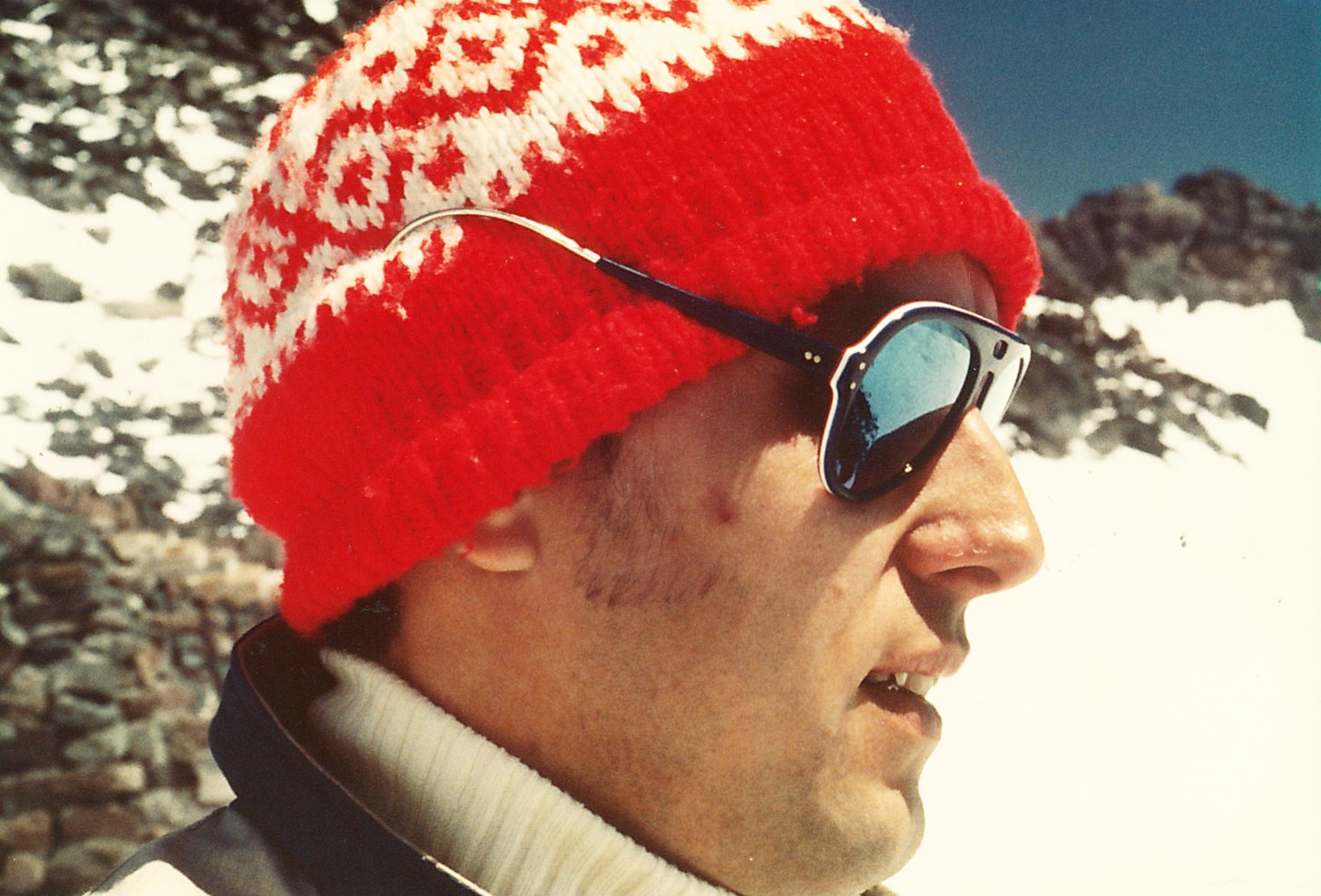 At this time of year I once got a terrible sunburn on the bottom of my nose and the bottom of my chin, where my zinc oxide sunscreen rubbed off while climbing the snowfields of Mount Rainier. This shot was from another July outing.
The Olympic Peninsula of Washington State is a world of its own. About the size of Delaware, it has few settlements apart from its Native American tribes. Its remote coastline is gorgeous. Its forests are thick and varied and receive some of the heaviest annual rainfall in North America. Its central mountains include hot springs and glaciers. There’s a U.S. Navy base on the eastern edge along with an artist colony and ferry connections to Seattle.
Listen closely and the underlying mythologies shape a new understanding.
Here is a place where East meets West in its own nature.
~*~
For a free copy of the complete American Olympus, click here.

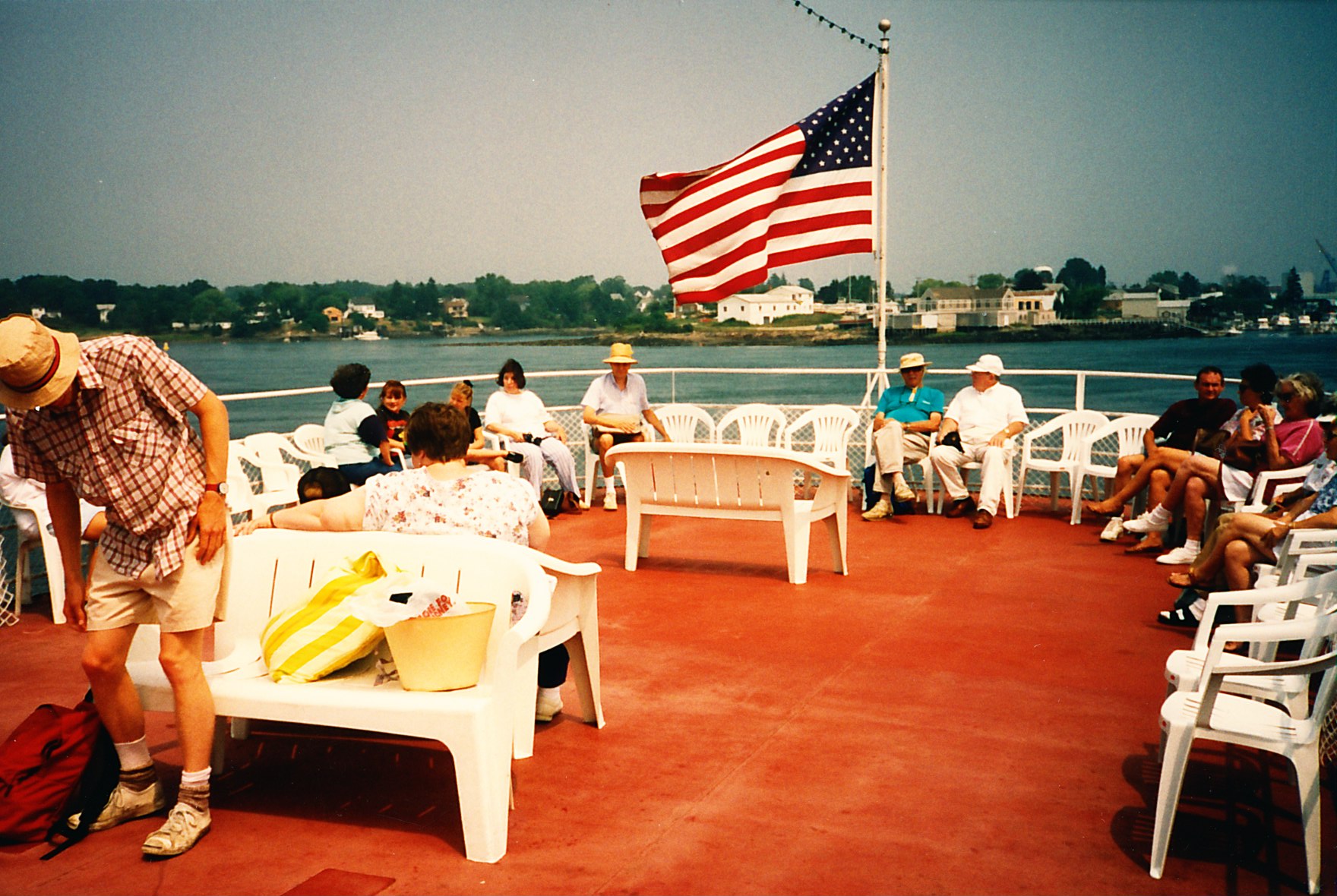 This view of cruising Portsmouth Harbor always reminds me of several French Impressionist masterpieces. Maybe it has something to do with the flag in motion.
Have to admit to some envy for a young acquaintance who’s off to hike the Pacific Crest Trail.
It’s a strenuous trek, backpacking the 2,663 miles through Washington, Oregon, and California – the Western counterpart to the older, iconic Appalachian Trail.
And it’s bound to be a totally different experience than he had on the AT.
I became acquainted with Samson as one of our lifeguards at Dover’s indoor swimming pool. And now he’s away for the summer, starting just a few miles from the Canadian border and heading south.
He’s promised to update us on his blog, Samson PCT. (PCT is the in-name for the trail. FYI.)
Here’s an invitation for you to follow his progress, too.
Not bad for a kid from a little north of New York City. My, oh my!
A well-designed fireworks display can be a thing of beauty. No matter its scale – whether vast as Boston over both banks of the Charles River – or small-scale like Portsmouth, New Hampshire, around its old mill pond or Needham, Massachusetts, assembled on the long lawn of its high school, the intelligent use of an imaginative palette and the use of the sky as a canvas canopy reaching from the ground to its zenith can turn into a piece of breathtaking performance art, a combination of fleeting painting and wordless theater.
What too often turns up, unfortunately, is largely senseless bang-bang-bang without any subtlety of timing and proportion. Think of a standup comic who can’t tell a joke. No pauses, no phrasing.
In contrast, I think instead of the revelation of a single burst of color – perhaps a small tulip, in the terminology of pyrotechnics – followed in the same spot in the sky by another and then another. In the process, the shots run through the color wheel like slivers of rainbow. And then it’s repeated, with two identical bursts side by side – red turning to orange turning to yellow turning to green turning to blue turning to purple. Simple, elegant, commanding.
Do that right and you’ve announced that what follows will be amazing. You’ll lead the eyes all over the sky – up and up, out, back down, just over the crowd, and back up again. Small that expands beyond the ability to take it all in — or the opposite, leading your eyes to a vanishing point. You’ll create movements the way a symphony or sonata does – each one distinct yet playing off the one before. (Well, Boston’s was traditionally designed to fit music – each section, a song or overture or dance. Now that’s impressive! Oh, and we’d listen along with our radios — everywhere, tuned to the classical station.)
Think, too, that many of the traditional fireworks are named for flowers – blooms that open and then fade, often into another. Hyacinths to chrysanthemums to … well, to see how it works the other way, try this link to flowers arranged to look like fireworks by Sarah Illenburger. Pretty amazing. I appreciate her illustration of how fireworks don’t have to be gaudy greens, reds, and yellows. The more sophisticated designers blend colors into dark brooding as well as shimmering pastels. One memorable show consisted largely of silvers and golds. What was I saying about imaginative design?
A pyrotechnics show works in another dimension as well – it’s a time of public gathering and celebration. Apart from whatever’s happening on your blanket in the dark, there’s nothing private about it. (And we’ll assume you’re jammed in with others.) You can’t do it in your house, at least safely. So it’s a time of community spirit. Even pride. And in the United States, that means the Fourth of July. (The northern half of the country’s just too cold during much of the year to assemble outdoors at night, so this one comes at a perfect time of summer. Not that we don’t try.)
For Dover, where I live, though, the event points up one of the geographic shortcomings of my city. We just don’t have the right spot to mount the event, much less to design it to do much more than the old bang-bang-bang honky-tonk.
Some years, it’s launched from the top of Garrison Hill, where the shots can be seen from much of the city – if trees, houses, or other obstacles don’t block your view from below. Some years, it’s at the high school, but that’s not centrally located. Since few people can walk there, that creates a traffic problem and erodes much of a small-town feeling befitting its scale. Dover’s not an unfocused suburb the way this site suggests.
Downtown along the river would be ideal, if there were only a proper spot. The riverfront park is narrow, though, and too near the old mills, the nearest one once the scene of a disastrous fire. One possibility a little downstream is a gravel-strewn lot awaiting development, but it has little easy access. One elementary school that might do is in a residential area that would not welcome a crowd.
So here we are. If I watch the show, I’ll just get angry, knowing what could be done with the resources in the right setting. As I was saying about the single tulip? It needs the right setting to be appreciated.
 Jnana's Red Barn