When I see this …
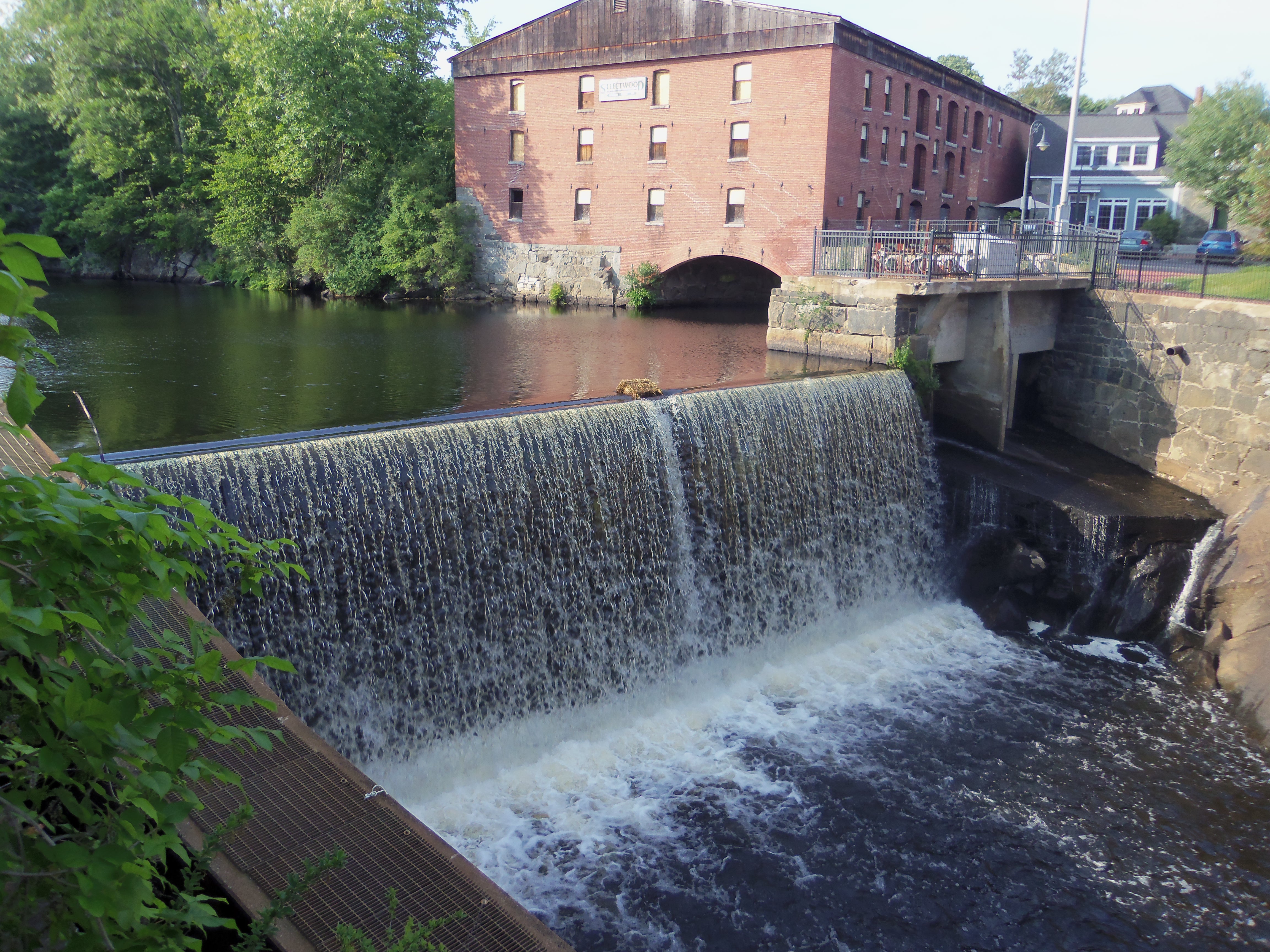
… I think of this.
 For the free ebook novel and more, click here.
You never know what we'll churn up in cleaning a stall
When I see this …
… I think of this.
For the free ebook novel and more, click here.
Years before I left formal employment, I’d occasionally try to sketch out daily and weekly routines I might follow once found myself free (that is, retired or in some other way financially independent). Usually this exercise would arise as part of my annual year-end review and year-ahead planning, an event that included drafting my Yule letter to family and friends.
I remember my wife’s reaction on chancing across one of those, once I’d remarried. She thought I’d left a lot out – essentially, I’d overlooked all the important stuff, and not just more time for the two of us to spend together. These days, I think she’s right, and that’s even before I reopen any of those proposals.
What I’d envisioned was more time for meditation, yoga, reading, and reflection – none of which have manifested, by the way – plus deep pockets for writing and serious literary enterprise accompanied by intensified Quaker activity. Whatever I’d considered for home maintenance, inside or out, now appears totally inadequate. And that’s before adding time for activities that weren’t on the horizon in the earlier grid sheets – choir (which occupies most of one afternoon and evening), my daily laps in the pool, and blogging and other social networking.
Maybe downsizing to a smaller house would free up something, but just thinking of that effort’s intimidating.
I remember pondering what kind of schedule would work best for me – a rather strict daily round, but that somehow always seemed to shortchange something, or a more flexible weekly one based on blocks of time, somewhat the way an attorney bills clients for hours worked. As I recall, that seemed to settle into two-hour blocks for most of the activities, with the option, for example, of using all five of my literary blocks for the week in a single day or stretching them out.
Let’s just say I’m still looking for a workable system. My late-night commute to Boston for choir throws the next day out of whack, I’m still not napping in the afternoon, the best swimming slot depends on what opens up around the indoor pool’s schedule of teams and clubs, and rising early is something that fits best with my wife’s natural rhythms and my creative energy flow. And that’s before we get to something like trying to help the carpenter in major house renovations or addressing an unexpected emergency of crisis (aren’t they all unexpected?).
I’m thinking, too, of the many different ways individual writers approach their use of time. Some, like Jack Kerouac, would go off on binges – two weeks of nearly no sleep to pound out a frenzied draft, followed by months of recovery – while others put in their daily “butt time” at the keyboard, as Charles Bukowski phrased it. I prefer the latter, though in my employed years often had to indulge in the Kerouac method over holidays, weekends, and vacations.
Perhaps my central concern here is that without some structure – a daily routine, a weekly pace, a monthly and yearly calendar, nothing of note will be accomplished. I harbor a nagging suspicion somewhere – could it be a seed of Protestant guilt carried from childhood? – that the endless interruptions of life will engulf and swamp any greater ambition? (Or is it even, as one beloved uncle has sensed, that we Hodsons have never known how to have fun?)
So here I am, needing to dress for the day and charge out into the garden as promised.
One thing I can definitely say: Everything takes longer than planned.
Gardeners in New England – especially in its northern realms of Maine, New Hampshire, and Vermont – soon discover the month of May can be a frantic stretch. (Or, for those of us with short memories, the word should be rediscover. I keep hoping for something more orderly than what feels dropped upon us each year.) For much of April, even apart from the threat of killer-frost nights or piles of lingering snow, the ground can be too cold or too wet for planting, and that’s if rain’s not falling. With our clay-based soil, I’ve learned not to turn it when wet, lest it form brick-like clumps. For that matter, in a typical year our large compost bin can still be frozen at heart, posing another obstacle to preparing the garden beds themselves.
When it comes to these projects, I often find myself in a bind. We simply don’t have enough room to “park” something while waiting for something else to open up or be moved to another spot. Compost is a case in point, though hardly the only one.
So when May hits, we’re rushing to get as much in the ground as soon as possible to maximize a relatively short growing season and, frankly, to try to beat the weeds to a solid start.
And that’s where we are at the moment.
I feel pretty good about a lot of the pace. Two of our raised beds have received new wooden frames, the compost bin’s been emptied and refilled with a new round of leaves and garbage, black plastic and a soaker hose are in place on what will be this year’s nightshade bed (tomatoes and peppers), the pea frames are up as are the seedlings below them, the bean tripods are in place … and we’re dining on what I think’s the best asparagus ever.
Let me add that my wife’s scheduling here means a few other outdoor projects I thought I’d be addressing are put off for a few weeks, and that’s frustrating. I hope they don’t get pushed back for months, because, well, that would affect other projects in the pipeline – and that touches on yet another issue she raised today. What if we just moved to a condo with a deck and a small garden bed about the size of our dining room table?
I could see that if we did square-foot gardening as intensely as we once envisioned, we might raise enough to keep us smiling at dinner. But my beloved asparagus bed’s larger than that. Ahem.
~*~
So we finished our first round of morning coffee and headed outside for the day’s task, the fourth of the raised beds in what we call the Kitchen Garden, the one on the far side of the driveway. The one we’re tackling is a perennial bed of bee balm (which attracts hummingbirds as well as bees), sorrel (which makes for an excellent sauce on fish), and chives, all of which we’d hoped to salvage. Unfortunately, a bout of lemon balm’s gone invasive, along with grass, plus our ubiquitous ground ivy, dandelions, vetch, and several familiar weeds I have yet to identify.
In short, this has meant uprooting most of the bed, attempting to save what we could, including some hyacinth bulbs, and admitting we’d have to start from scratch with much of the rest, including new bee balm.
So here we are, ripping out, grubbing, turning, cursing, adding compost, wondering how this got away from us, anticipating, what?
I have to admit I’m not the gardener, the one who plans the arrangement using page after page of grid paper or reads up on the options or orders the seeds or starts the flats indoors under the grow lights I set up or waters them daily while envisioning the results or anticipates the way they’ll wind up in tasty dishes or fill the freezer for dinners next winter. (I admire the one who does all this, in more ways than one. After all, I married her.) At the moment, though, I’m more concerned with what goes into the wheelbarrow, shovel by shovel or handful by handful, and where it goes from there.
And then, there will be one more thing checked off my to-do list … while adding to hers.
Not all that many years ago some people close to me reacted strongly to a jest that I was thinking of growing a ponytail. Well, they didn’t threaten to murder me if I did. It was more like a promise.
They wouldn’t believe I’d actually had one, back in the day.
No, it wasn’t until my old housemate from after college visited and confirmed my description that their resistance evaporated.
I still can’t get used to the reality that in place of his own huge blond Afro he’s now completely bald, by the way, although I suspect that reality played into what happened after he and his wife left for home.
I let my hair grow, at least what’s left of it.
As one of those close to me said in relenting, Well, if you’re writing hippie novels, you may as well look the part.
Ahem.
Or reliving a part of the experience. Or calculating the odds that I’m in a range where one diagnosis could lead to chemo and then … or even that I might shave my head in sympathy with someone else who’s undergoing chemo. Or even that this might look better than a comb-over, and that was even before the Donald started crowding our news pictures with his own atrocious mop.
In other words, I had a premonition of now or never.
Well, that was over a year ago.
While my hair’s growing much more slowly than it did when I was in my early 20s, the mane’s down to past my shoulders again, reminding me of what happens when it’s unfettered in the breeze or I’d be running. More often, it’s back in a ponytail, especially when I’m swimming.
But it’s nothing like I remember. It’s coarser now and tangles easily, for one thing. Then there’s all the thinness on top. At times, it’s even annoying. And there’s all the gray.
So even if it’s low maintenance and avoids trips to the barber, I’m wondering what’s next.
I guess I’m open to suggestion.
What may appear to be a lazy river meandering amid its wooded isles deserves consideration and room to run wild.
Passions arise and freeze over. The flow dwindles to rock. Rats run along the shoreline of factory brick at the dam. A few miles on, either direction, the dairy herds gather.
All of it reflecting my soul when I lived there.
 ~*~
~*~
For your own copy, click here.
All those big-oil tycoons, hedge-fund managers, global conglomerate executives, and their lackeys who have contempt for paying workers a livable wages are murdering the work ethic that built America.
Protest all they want, they’re anything but conservatives.
Real conservatives would battle to save the covenant that assures all who labor will earn a livable return – shelter, food, decent clothing, health care, education, enough to raise a family, and time for rest and worship. That’s what real conservatives would pursue rather than greedy oppression or re-enslavement.
When I see this …
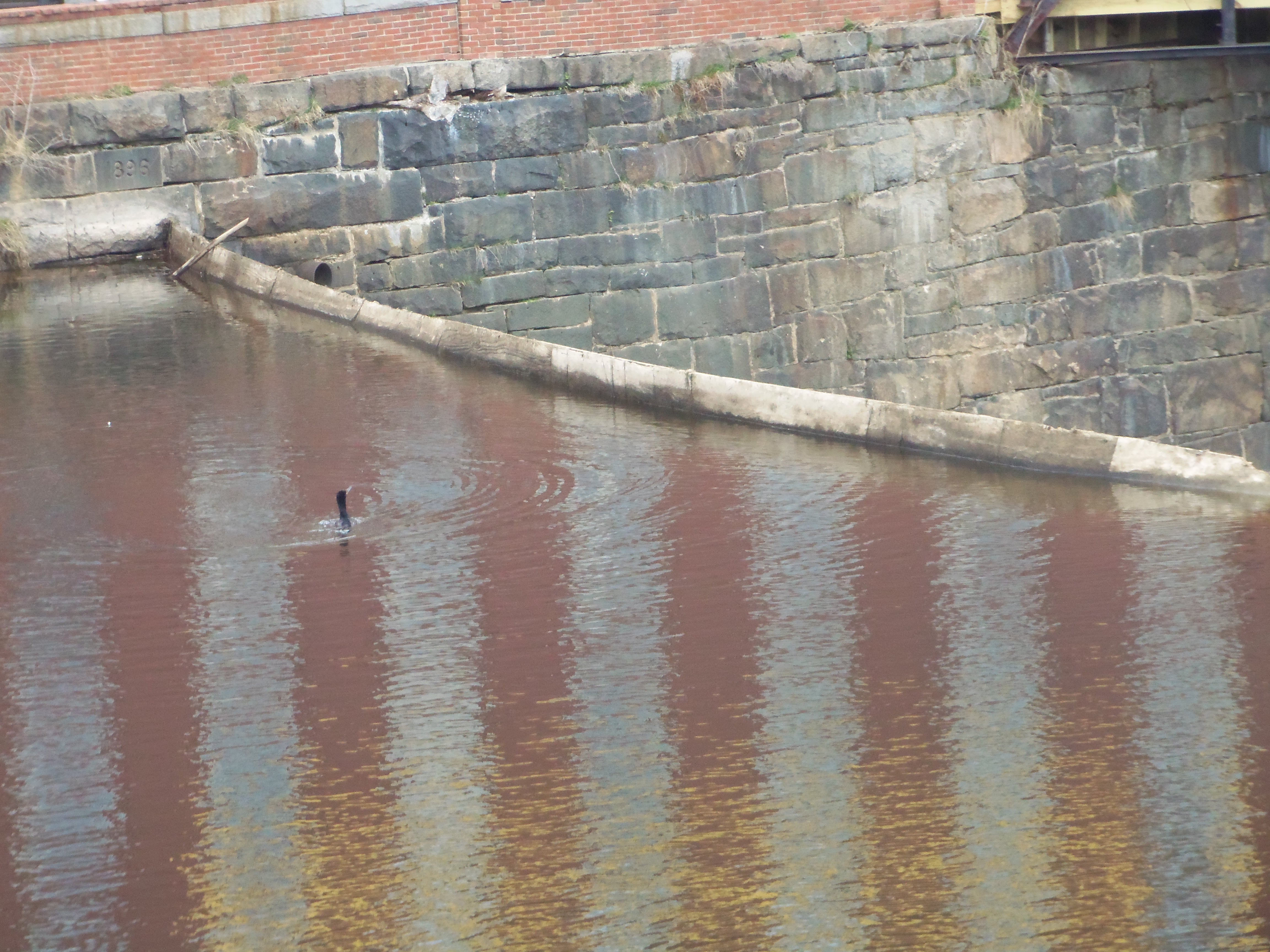
… I think of this.
For the free ebook novel and more, click here.
So here we are already in the month of May after what’s been an outright strange winter here in New England – and that’s even before we consider some broader and admittedly frightening American political developments. Whew! (I suppose.)
First off, those who scoff at the predictions of climatic instability should note that our region of the world just had its warmest winter on record, and while I’ve welcomed the break from shoveling tons of snow from our driveway, it comes at a price in terms of pests that would have normally been killed off and of perennial plants that took early hits as a result of false starts. I could point to my beloved fern beds or asparagus as cases in point, or the daffodils, which were poised to blossom when they were nipped by a night that dropped to 17 degrees Fahrenheit. It pains me to think of the way they buckled mid-stem and drooped. The only truly positive outcome I’d accept to date is the fact that our compost bin is not still frozen too tight to turn, sift, and spread on our beds. On the other hand, our state’s ski industry took a hard financial hit, affecting regions that already could use substantial relief.
As for maple syrup? I hate to think of the price tag when my current supply is emptied and it’s time for the next. It was a short run of sap from everything I’ve heard.
When I call this an nontraditional winter, I should add that I’ve been in the midst of some major home maintenance and interior remodeling, which I’ll detail in future posts, along with some other dramas of a more private nature. Family’s what it is, after all, along with some public affairs of a more local nature. Oh, yes, we had to go without supplementary wood heat, at least until that chimney’s fixed. Have I said anything about household expenses and supporting finances?
None of that’s kept us from looking ahead to summer, even if we wound up getting many of the seedlings started later than we would have liked – we did, after all, get the portable shelves and grow lights up in what’s otherwise our front parlor (aka the “library”) and then delighted in watching the green sprouts appear. At least until the next shock.
What we hadn’t previously encountered was aphids, first in the peppers and then the basil before they spread as far as my African violets. We’ve been using a soapy spray as an organic counteraction, but it’s still unsettling.
At least our early peas are in the ground and looking happy as they pop their heads up underneath their elegantly stringed frames in the side of our yard we call The Swamp.
As I draft this, James Levine is making his final appearance as music director of the Metropolitan company in Manhattan and from the overture of Mozart’s “Abduction from the Seraglio” as I listen to the broadcast, let me add my vote to his laurel as the greatest opera conductor ever. The details, to my ears, are amazing. All of this takes me back, too, to our shared roots in southwest Ohio and rumors of his budding talent. So much as transpired since then.
Random impressions, then. Now, back to whatever is in front of us!

And we always assumed anarchists were all Socialists? Think again! The Tea Party’s full of ’em.
Now, tell me: Are anarchists all destructive, leaving nothing but destruction in their wake?
The right’s rife with ’em.
Sounds like a fit, the anarchists, matching everything they’ve been fearing.

