From the depth of the eclipse the birds sang the sun back
as I face the denarius of worldly possessions with all the ways I could spend that sum rather than something pragmatic as winter, rather than its start, so these are important distinctions . who knows, I had the money when I needed it, and that was fine
A sampling of my favorite reporters
This post intended to focus on national, even international stars, but I quickly realized how many masters I’ve seen and even worked with the local level.
Here’s a mix of ten.
- Hub Meeker: fine arts reporter at the Dayton Journal Herald. I’ve mentioned editor Glenn Thompson before, and he had an eye for talent. Hub covered everything from architecture to opera to even the zoo with his State of the Arts column and daily reporting. His writing shaped much of my artistic sensibility when I was a teen, and I always wanted to have my own column like his.
- The Yakima Quartet: Their names slip away from me at the moment, and besides, I couldn’t pick just one over the others. We had attracted four hotshot young reporters who were aggressive and yet soon admired each other’s work. One was even honored one year as the best arts reporter and the best business reporter in the Northwest, beating out the pros in Seattle and Portland.
- Jim Gosney: Also in Yakima, he switched from sports, as I recall, and launched a daily column that profiled regular folks who made the Happy Valley a more interesting place to be. It was a harder assignment than you might assume, and he had a knack for it.
- David Broder: The Washington Post’s top political writer, he was deeply informed, clear, and a paragon of objective observation. I remember watching him stride tall and self-composed across our newsroom once, and unlike most of the other celebrity journalists, print and broadcast, who showed up with entourages, he was solo. That alone says tons.
- Richard L. Stout: Christian Science Monitor writer and author of the weekly “TRB from Washington” column, he was considered the dean of Washington reporters. His coverage of Watergate had an added twist, since he had earlier covered the Teapot Dome scandal. His strategy for the column was to find something to get mad about and then sit down on Wednesday and pursue it.
- Mike Royko: A product of the rough-and-tumble Chicago school of journalism, especially the independent City News Bureau, before becoming a columnist for the Chicago Daily News, the tabloid Sun-Times, and finally the Trib. He knew the streets and could be tough, despite his reputation as a humorist. He was also fiercely independent.
- Jimmy Breslin: At his best, as in his days at the Herald-Tribune, he was the epitome of the “new journalism” as a columnist who covered live news rather than reflecting on what others had reported. His career had its ups and downs.
- Ted Bingham: The opinion page editor of the Dayton Journal Herald, he also researched and wrote the bulk of its editorials. They were short and to the point. The ones I remember, though, were humorous, usually the bottom one of three or four on the left-hand side of the page. These often commented on news that hadn’t otherwise made it into the paper – say the return of the starlings to downtown or the manhole cover thieves in Karachi.
- Roger Talbot: He was a master at the carefully researched in-depth article, not that he couldn’t cover breaking news expertly, either. At the New Hampshire Sunday News, he often tackled a fat state agency or legislative report and dug up enough hot material to play big on the front page and then have the rest of the media chasing the rest of the week. It was kind of the approach that had made I.F. Stone famous on the national level a generation earlier.
- Jeanne Morris: Another S’News colleague, she was great at researching and pursuing an offbeat front page report that no one else would have come up with. The most creative, as far as I remember, was the one where she took one car to 20 state inspection stations to see how they compared. Somehow, she had to keep removing the new sticker and replacing it, a feat that still confounds me, before taking it to the next shop. Half passed the vehicle, and half failed it, for varying reasons. And then, for a baseline, she took it to the state police garage, where it was impounded for its numerous defects. Her report wound up saving old-car owners and inspectors a ton of grief.
~*~
Well, that’s a sampling. I could keep going on, but it’s your turn.
Who would you hail as a fine reporter?
As one more element in the story
Gypsies inspire more than the hippie spirit as my novel What’s Left unfolds. In fact, boho, from bohemian, derives as a synonym for the Romani, or Roma, people. And, yes, they’ve been populous in Greece.
Have you ever by fascinated by Gypsies? What’s most intrigued you?
~*~

Any day now

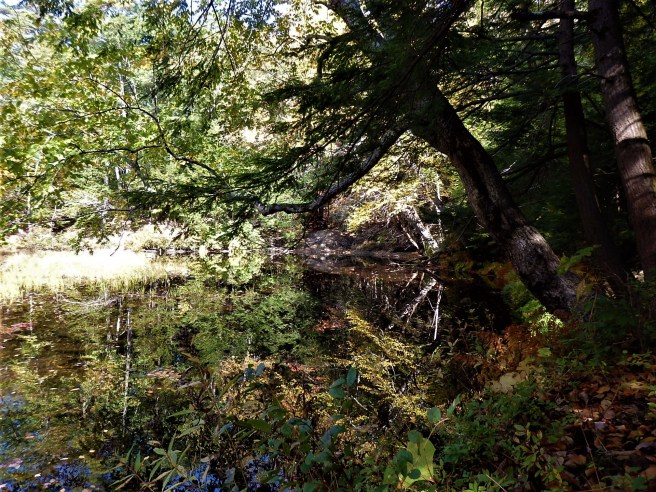


Moments of wonder

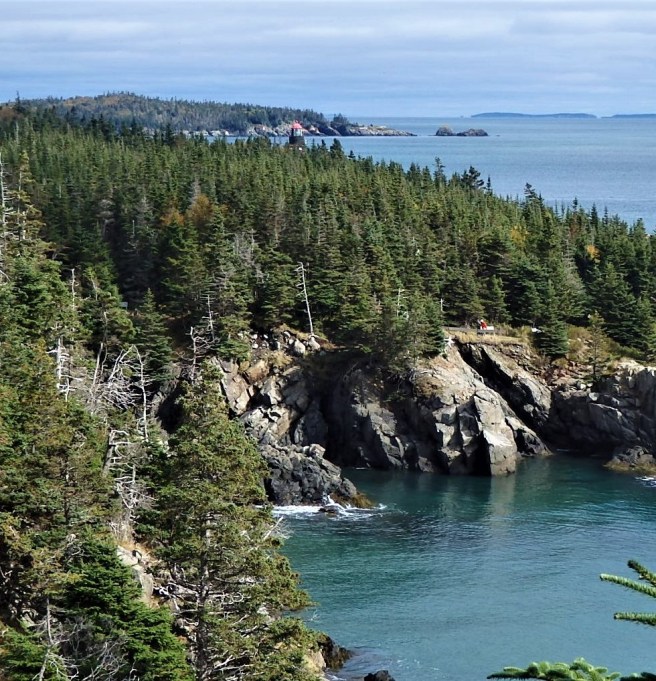


Balance in imbalance
no straight lines, only the spiral endlessly reconfiguring
Hippie causes that continue to flourish
- Environmental awareness.
- Peace and nonviolence.
- Natural and organic foods. Vegan and vegetarian, too.
- Sexual openness and expression.
- The music.
- Comfortable expressive clothing.
- Outdoors activities.
- Yoga. Meditation. Spirituality.
- Alternative education, including homeschooling.
- Recreational drug use.
~*~
So what am I overlooking?
Remember, she’s passionate in everything
In my novel What’s Left, Cassia’s aunt Pia reintroduces the family to its ancient roots and traditions. When she first shows up on the scene, nobody has any reason to suspect to suspect she’ll do that. She’d been the wild hippie chick.
In your circles, who’s most passionate about the Old Ways?
~*~

Kinisi 74
1986
READING TWO LOVE STORIES
Help me, my Chambermaid!!!

