AVOIDING THE CROWDS IN SEASON

At the mouth of the Piscataqua River downstream from where I live, Fort Foster has long guarded the entrance to Portsmouth Harbor. It’s now a town park.

By purchasing a season pass each year, I’ve come to consider it my private patch on the ocean — one shared with some folks who’ve become sunny friends as we swim and then warm in the rays.

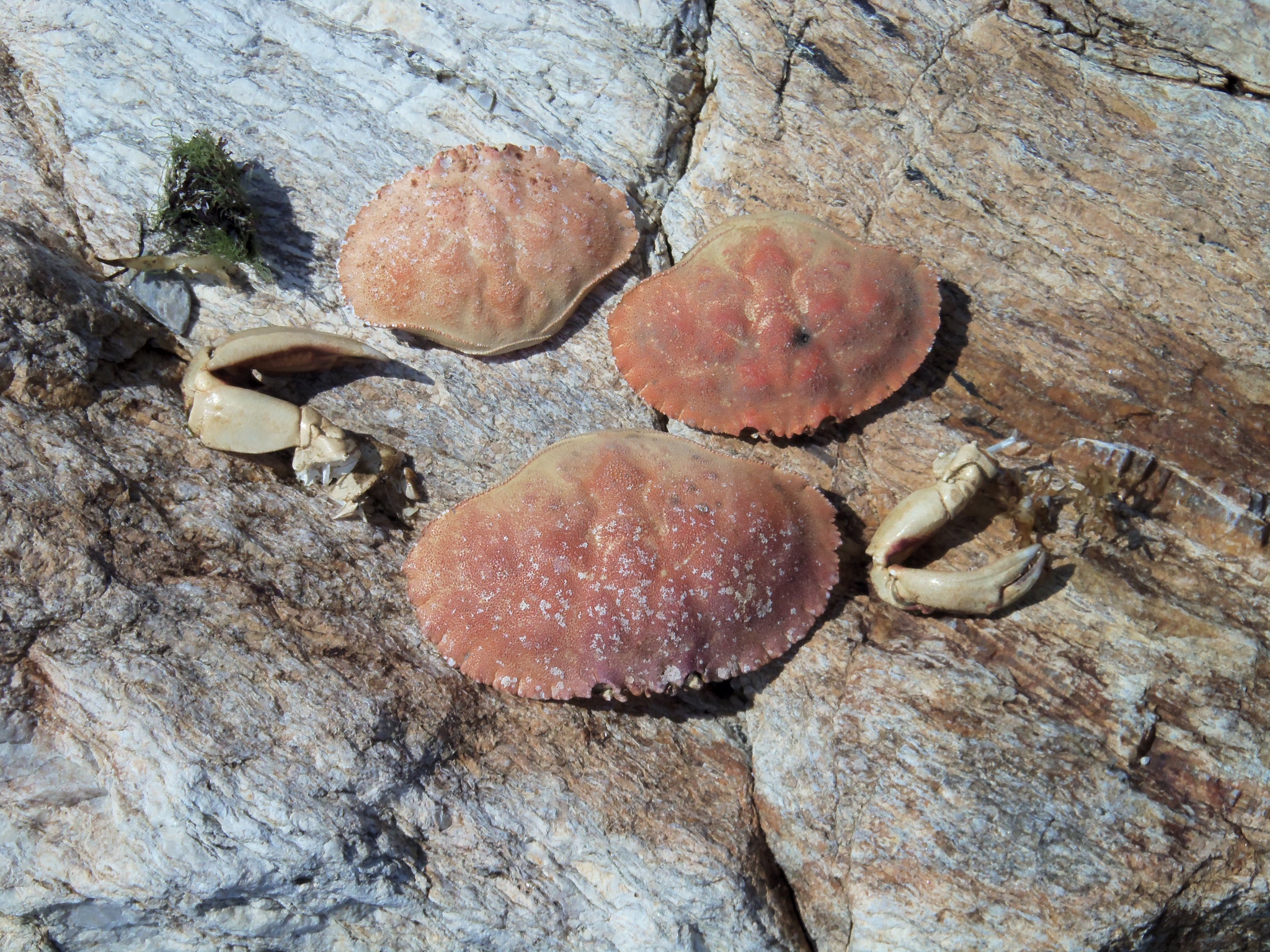
The rocky shoreline allows a fine introduction to tide pool life, while the pebble beaches have their own experience. There are also some sandy pocket beaches and a trail to meander while looking out over the cobalt Atlantic.
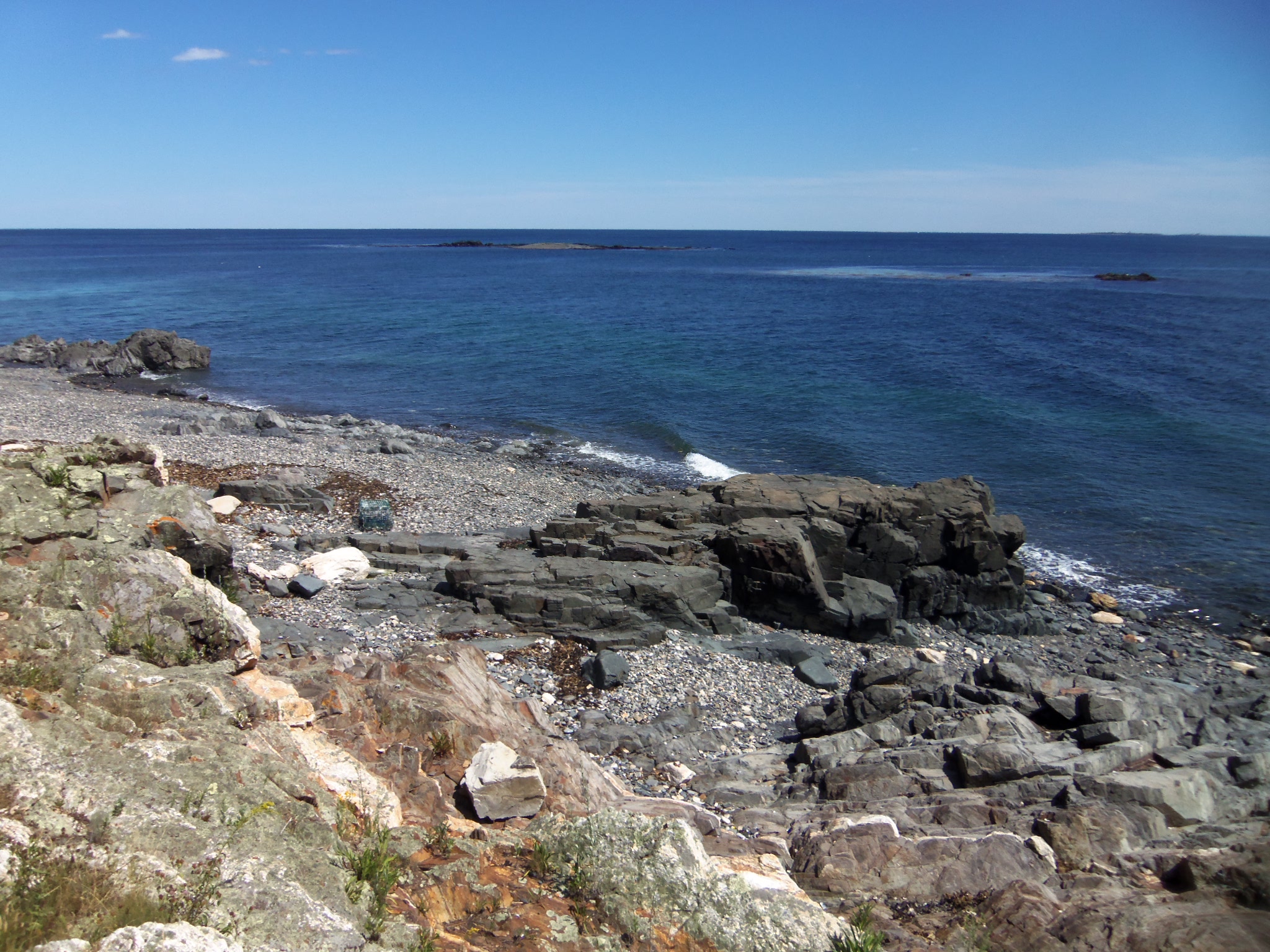
About as unspoiled as it gets.
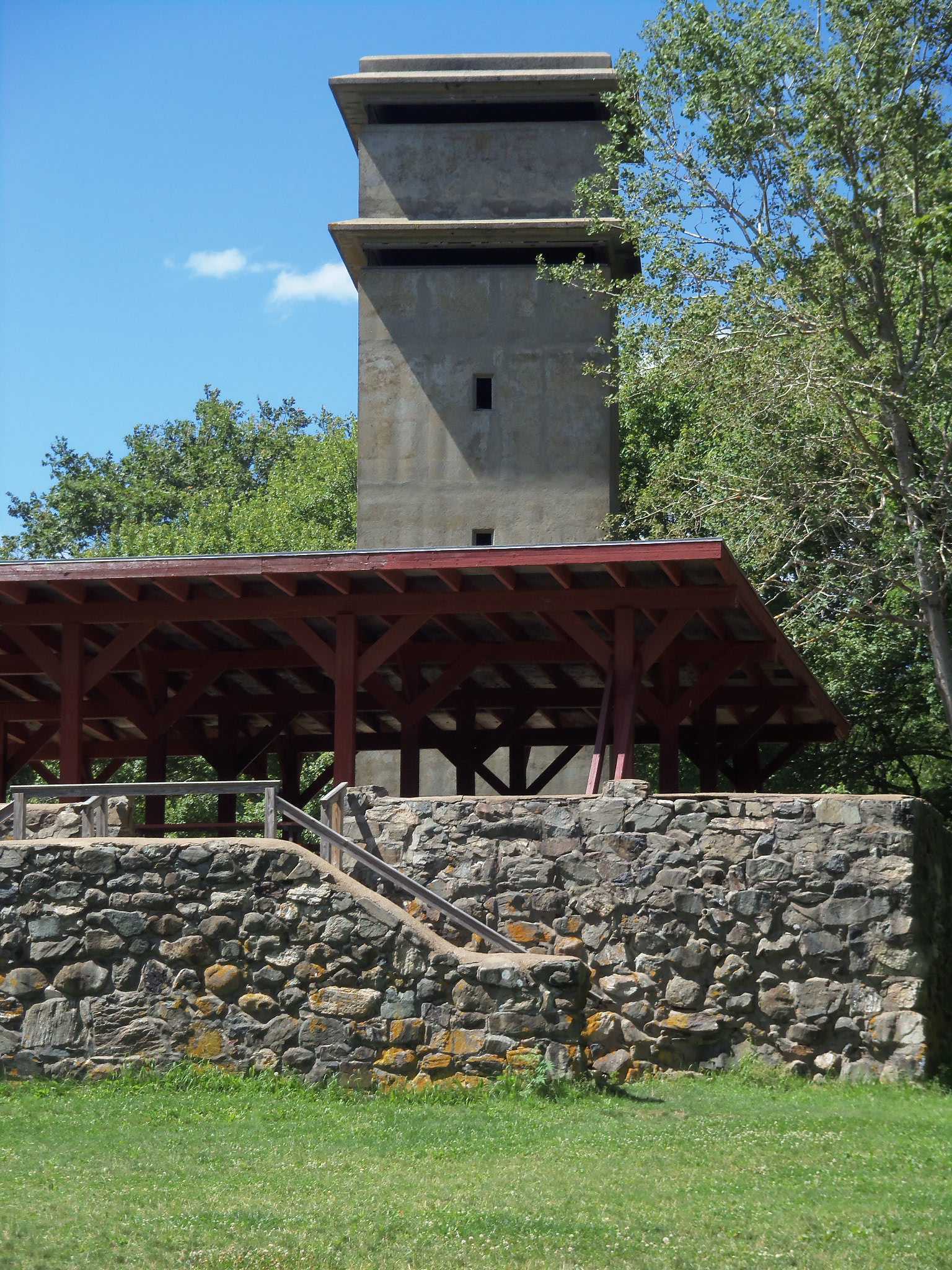
An observation bunker, from World War II, now has a picnic pavilion added for groups to use by reservation.

NOT MINE

New Hampshire has more than its share of vanity license plates, a practice that often provides amusement in the thick of traffic or parking lots. For a number of years, mine said QUAKER, which spurred some lively conversations — to say nothing of what happened when parked next to Bob McQuillen’s QUACKER plate. (His goes back to his days of teaching high school shop classes — the result of one day when a student I will not name accused him of sounding like a duck when he got angry.)

So we were driving through downtown the other day when we noticed this plate:

We need to talk.
We need to talk.

Only in the photo do I notice the second D rather than O — representing another variant on the root surname Hodgson. Still, it can be unsettling when you have a rather uncommon one to see another around.

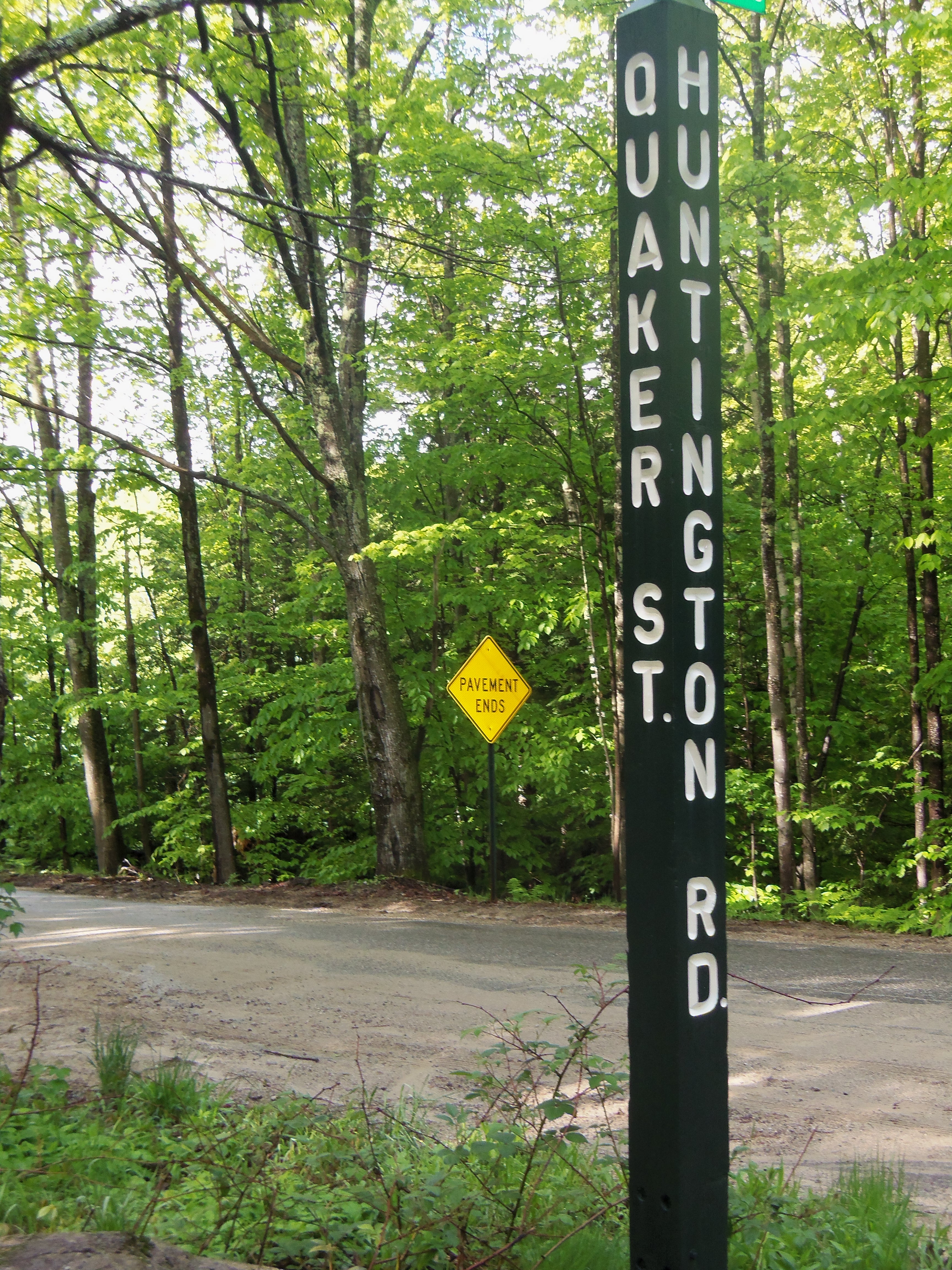
QUAKER STREET

Note the yellow sign, "Pavement ends." It really does feel like a slower place.
Note the yellow sign, “Pavement ends.” It really does feel like a slower place.

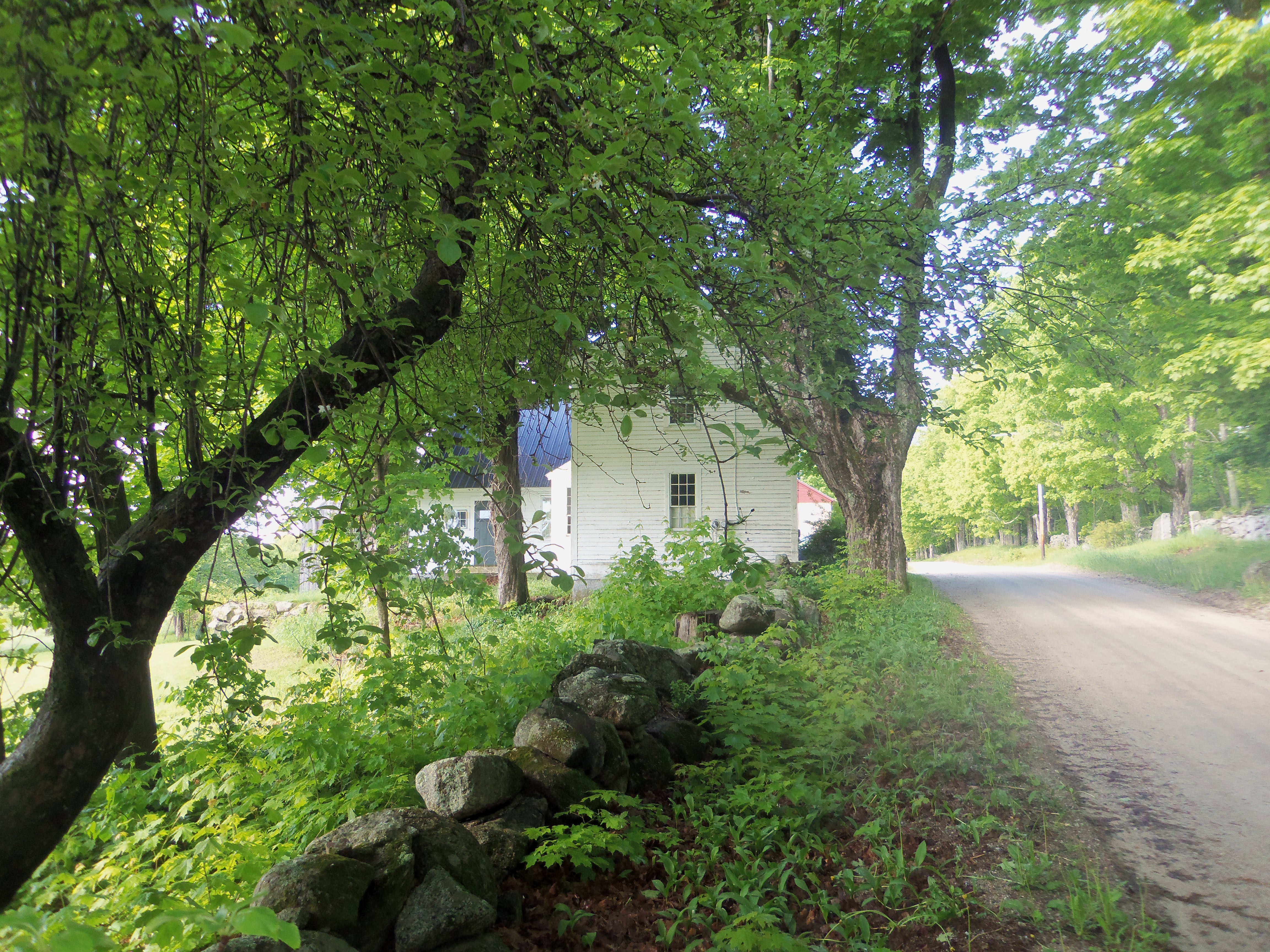
Taking its name from an old use of “street” as “neighborhood,” the stretch is also known now as the Quaker District. It’s up in the hills in a remote corner of Henniker, New Hampshire.

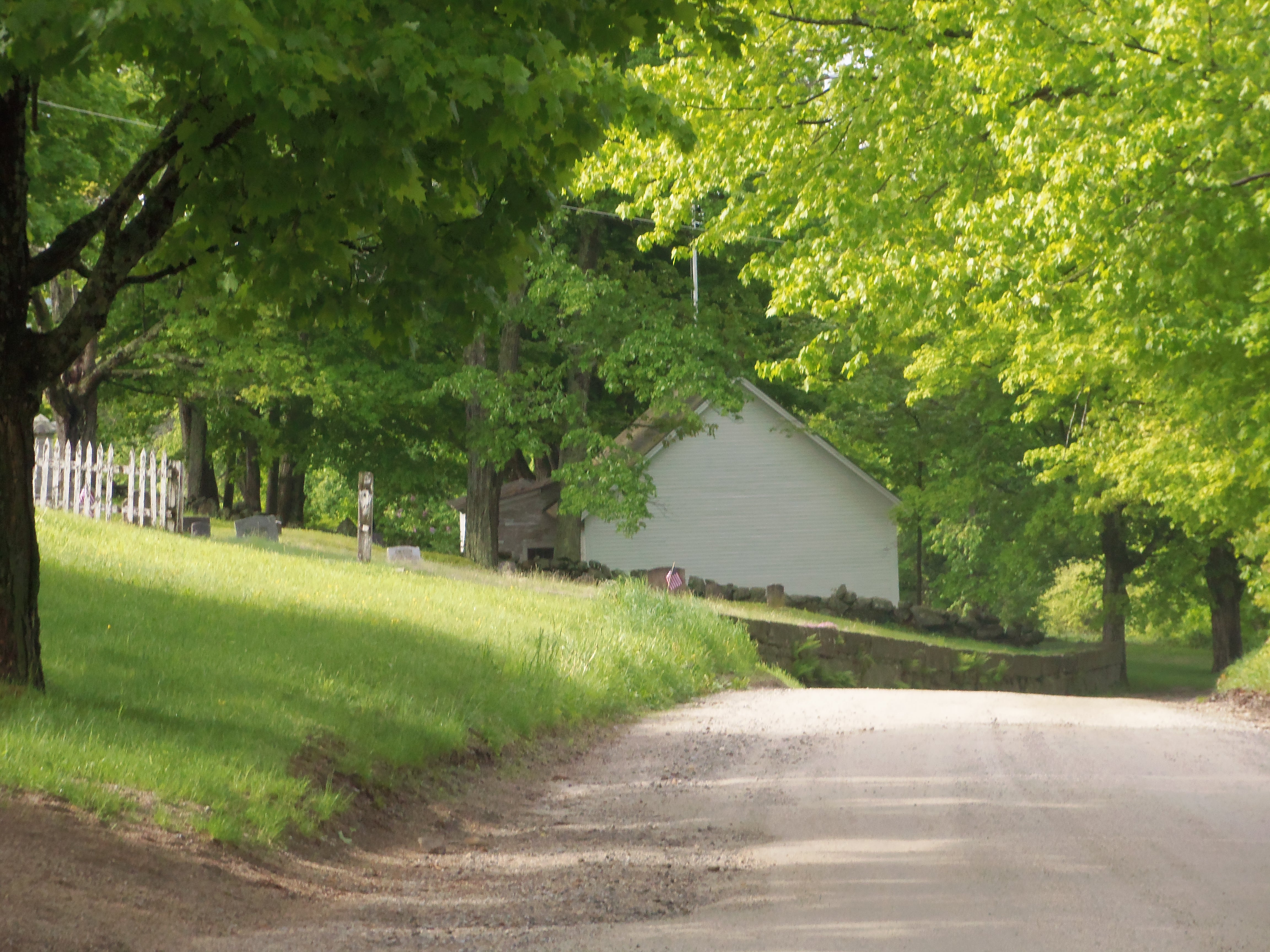
The road approaches the old schoolhouse.
The road passes a small Quaker burial ground next to the old schoolhouse.
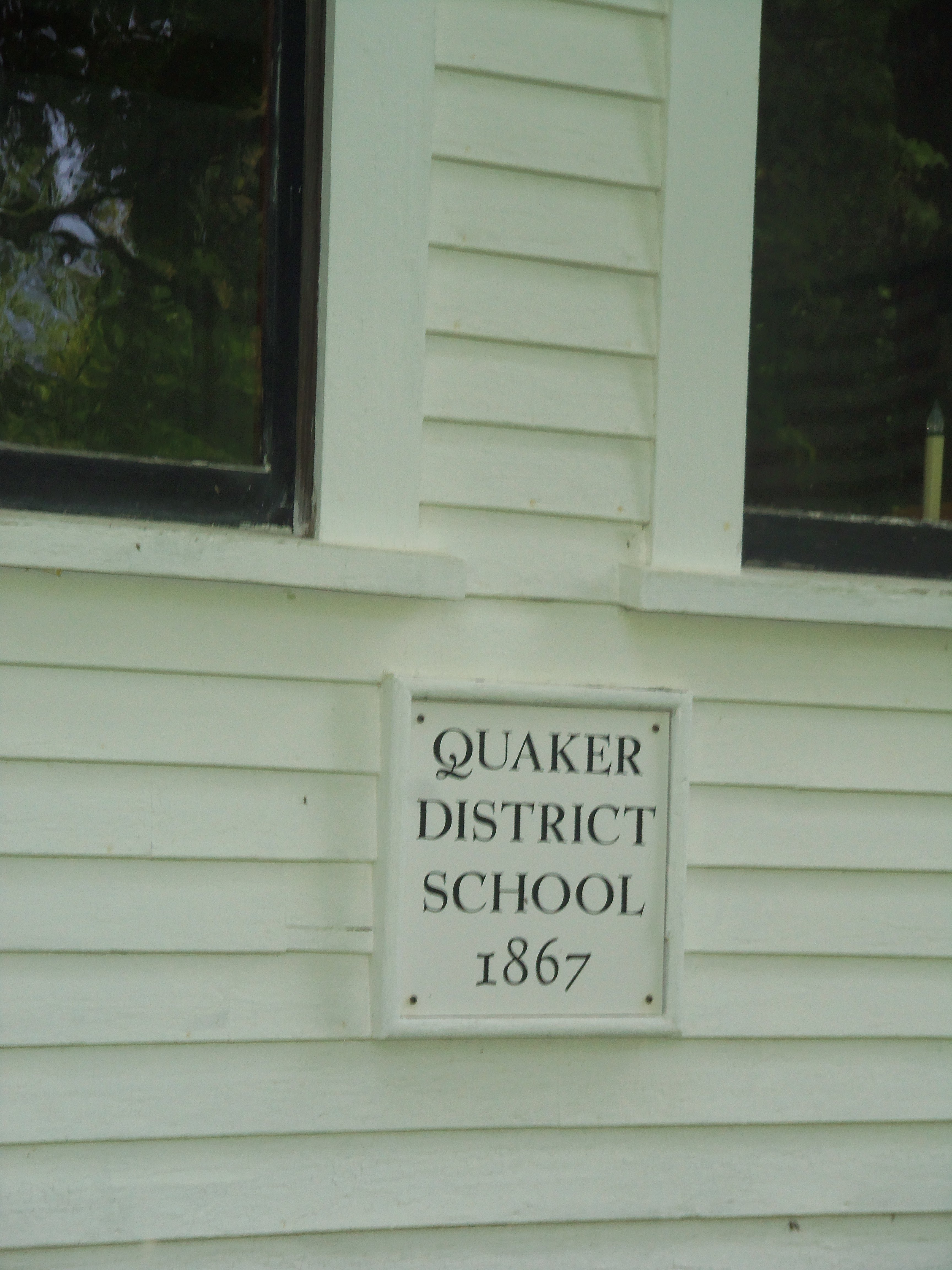
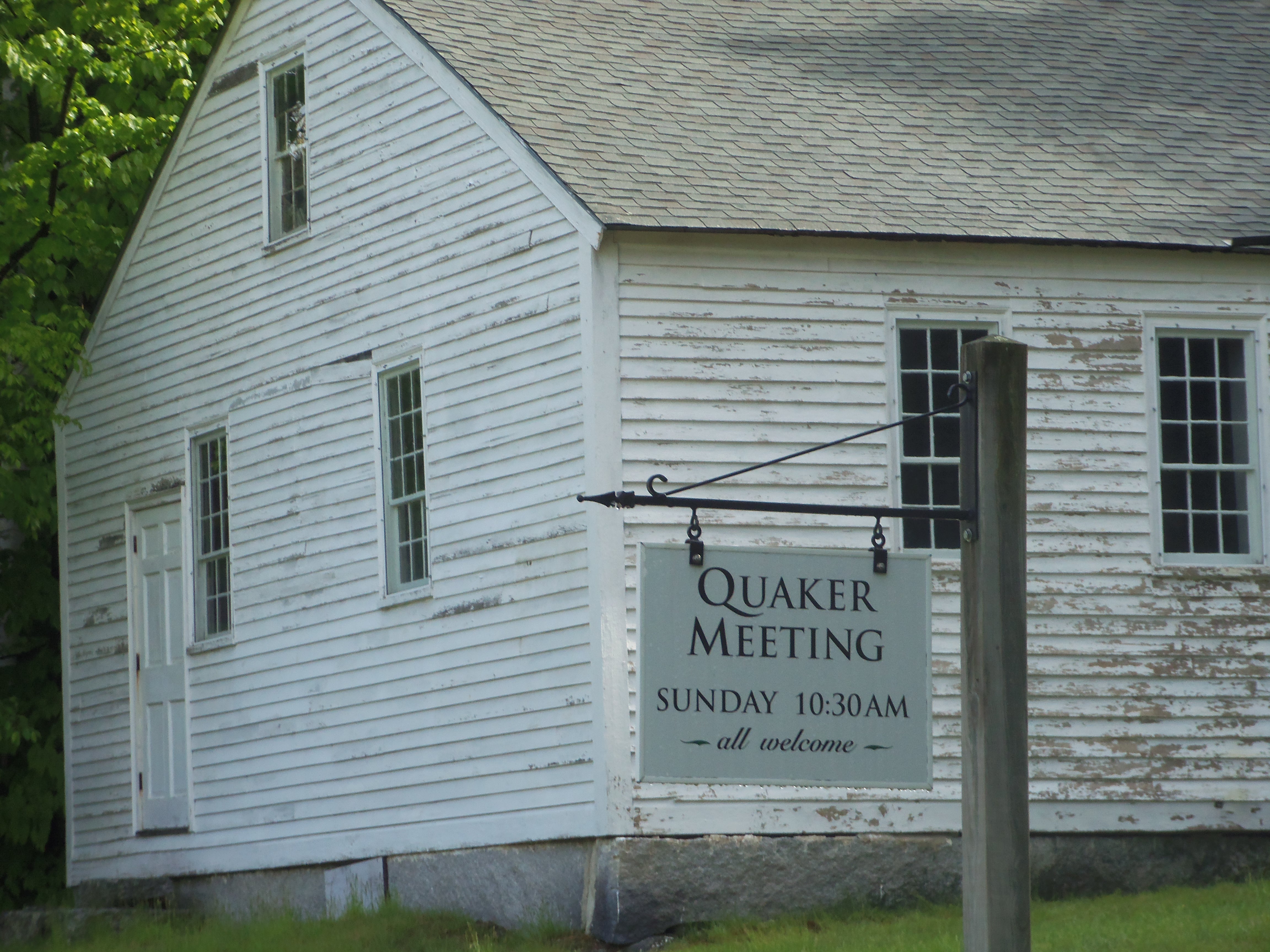
As the sign on the schoolhouse says ...
As the sign on the schoolhouse says …
The center of the village was the Friends meetinghouse, which is still in use.
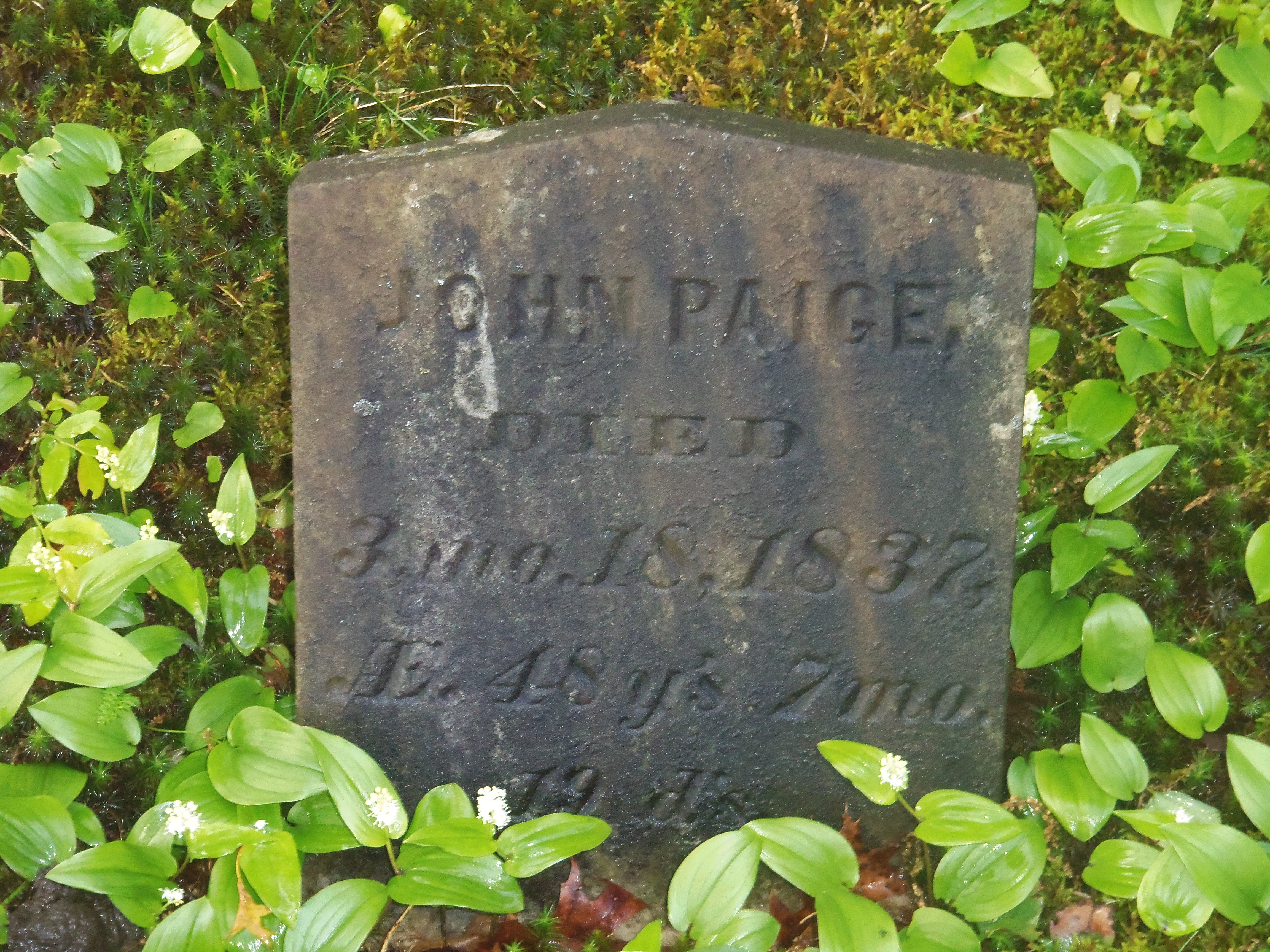
Many headstones in the burial ground use the old Plain dates.
Many headstones in the burial ground use the old Plain dates. The “3rd mo” is Third Month, or March.
Around the corner.
Around the corner.


KURT’S EXPANSE

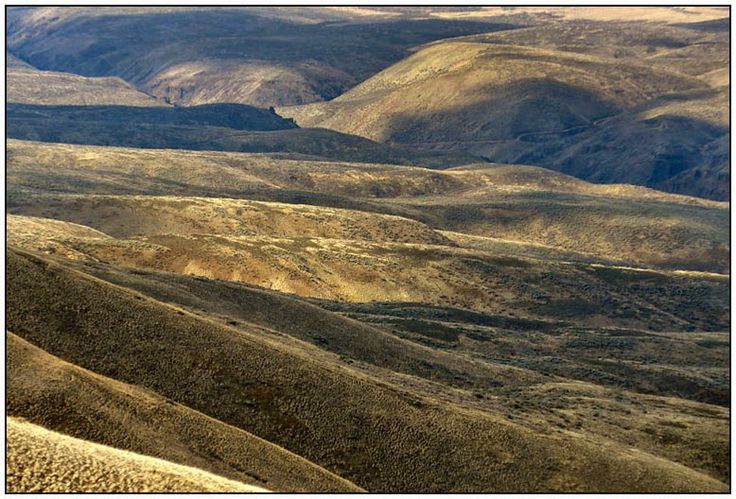
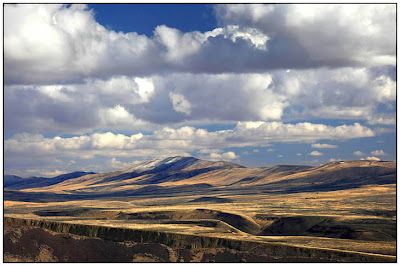
Trying to convey the experience of living in a desert to those who’ve known only moister climates often feels futile. It’s simply mindboggling, especially as you move away from the insulation of modern conveniences like air conditioning, automobiles, or even sunglasses. In its raw nature, this terrain is often life-threatening.

I’ve regretted not having a camera to record what I observed there, but one colleague from those years – another Ohio flatlander who relocated to the wet side of the Cascades after our journalist team was forced to scatter – has captured its essence better than anyone else I’ve come across.

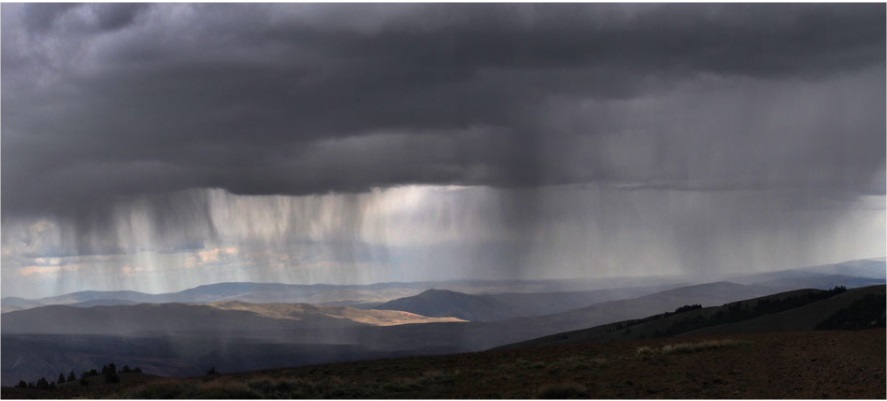
Here are some of Kurt E. Smith’s images over the years of the land I call Katonkah Country. He has much more on his Seeing Small blog, which comes highly recommended. What he captures is sometimes enormous.

Hardy 3


Yakima Valley

Yakima Desert~*~

For my related poetry collections and novels, click here.