These stones speak

Say what you will, the Chamber of Commerce lists the Hillside Cemetery as a thing for visitors to do here.

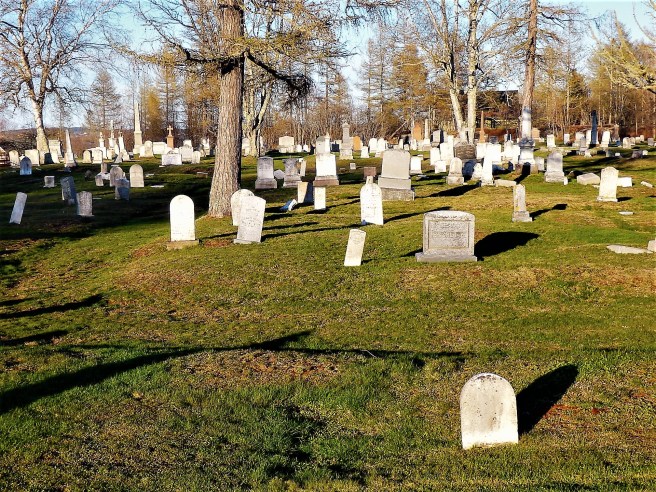
It’s unlike other celebrated burying grounds across New England I know of. There are no Colonial three-bump gray slate stones, the ones with the famed death angel heads, for one thing.

This one is newer, meaning mostly 1800s and Victorian, when the town thrived. Yet many of the inscriptions, in softer stone, have weathered to illegibility.

Many of them lean precariously or have toppled over, giving the site a spooky feel. Or at least neglected, even though it’s mowed regularly. The sandy soil itself is anything but level, instead mounded over many of the family plots.

Yet I keep going back, often reading between the lines.

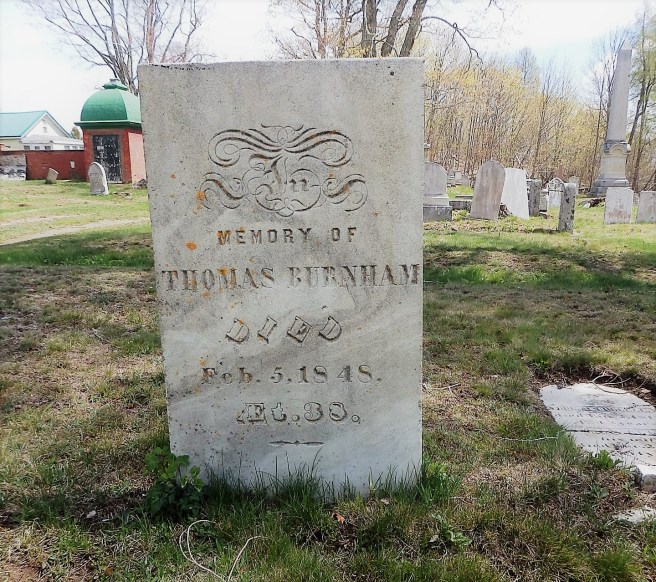
Quite a flourish

Many of the men and women died young, along with a large percentage of children.

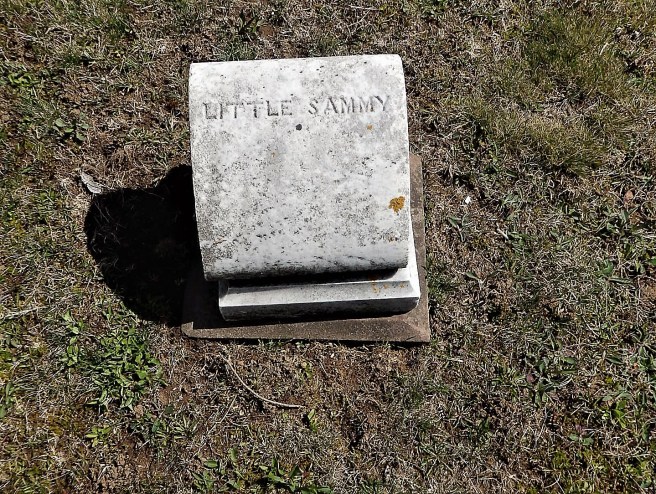
Young Sammy

Many of the stones tell of birth origins elsewhere in Maine or even New Hampshire and Massachusetts, as well as a few defiantly proclaiming “born in Ireland.”

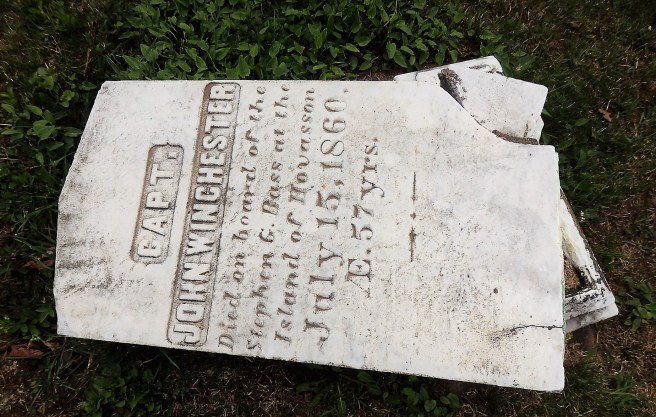
A toppled memorial.

Many of the names begin with “Capt.,” sometimes followed with “lost at sea,” which is also found on other stones of first mates or sailors. Others tell of falling in Civil War action – many New England towns suffered heavy tolls.

Some of these markers were erected as memorials, with no bodies buried below.

Fittingly, in places as I walk, views of the ocean and islands in the distance open below me.


In the coastal raised peatland

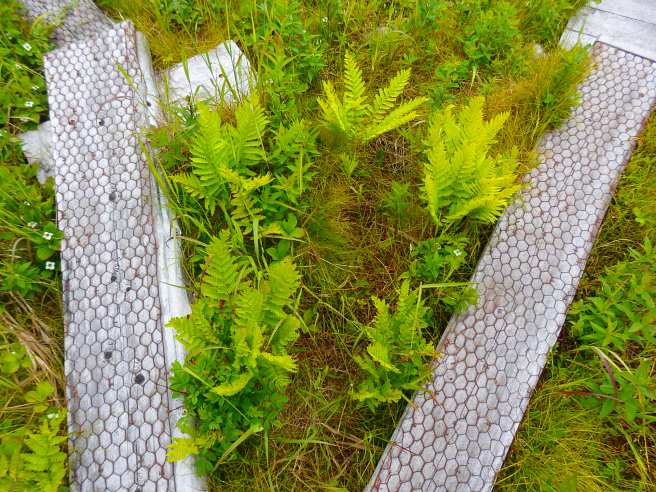
Approach with caution. The ground is fragile. Visitors tour on planks, like this trail at Boot Head, or on boardwalks, like those at Quoddy Head.

Within the continental United States, these arctic bogs are found only in Maine, where they’re known locally as heath. These magical openings in the forest host a variety of unusual plants and even rare animals like the crowberry blue butterfly. The forests themselves are often thick with arboreal lichen – Spanish moss – which thrive in the cool temperatures and fog, as well as mossy bog.

A recent rain shows why these are called pitcher plants. Like Venus flytraps, they’ll devour the stray insect.
It’s also known as the northern pitcher plant, purple pitcher plant, turtle socks, and side-saddle flower. Here’s how its flower looks.
The terrain also includes sphagnum and sedge lawns.

At low tide, you can walk out to Matthews Island

The population of Eastport lives mostly on Moose Island, with a few more on Carlow. Both are connected to the mainland by a 1930s’ causeway running to the Passamaquoddy’s Pleasant Point Reservation in the township of Sipayak. Before that, the connection was a toll bridge to Perry.

But these aren’t the only islands within the city limits.

Treat Island is within Eastport’s city limits but you can get there only by boat. And nobody lives there anymore.

The Maine Trust Heritage Trust includes Treat Island among its preserves open to the public. Settled in 1784 at the juncture of Passamaquoddy and Cobscook bays, it became home to a fishing hamlet of 50 or so families and then a Civil War artillery battery before being acquired by 1935 for a tidal power project that was later abandoned. Treat’s open meadows, cobble beaches, trails, and spectacular views are, however, accessible only by boat – and kayakers are advised to hire a local guide before venturing out on the challenging tidal currents.

Eastport also includes small Dog Island, which once had a lighthouse, but is tucked away in a tony part of town. Again, you get there only by boat.

But you can walk to smaller Matthews Island if you time the tides right.

Fourteen-acre Matthews Island, however, sits along Carrying Place Cove and Cobscook Bay, not far from the municipal airport. And you can walk there, if you time it right, while the tide’s out. Just make sure you don’t get stuck by the incoming tide. Another of the Maine Coast Heritage Trust preserves, it’s accessed through a right of way on private property and then an exposed bar.

In the early 1800s, Capt. Charles Matthews raised his eight children here. Today, eagles are raising their own on the north side of the island.

Matthews has some stunning views of Cobscook Bay as well as berry-picking and nesting eagles.