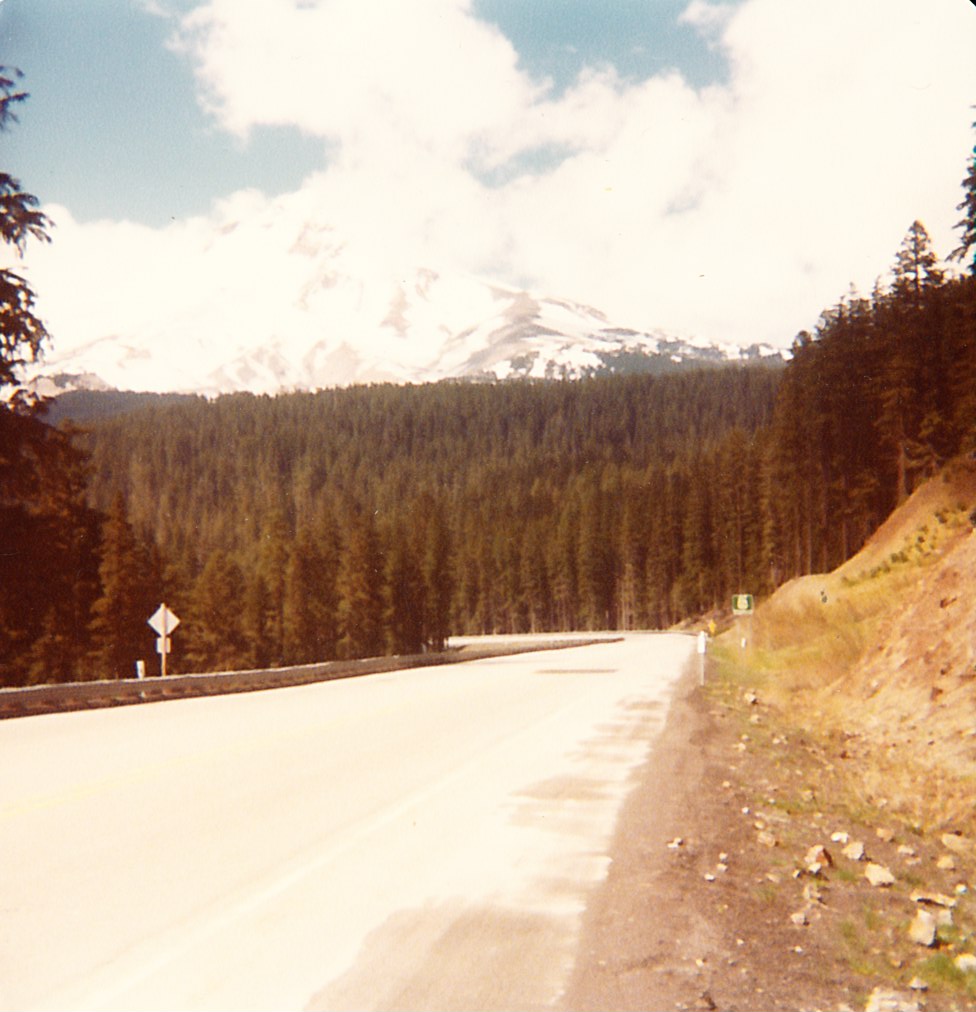
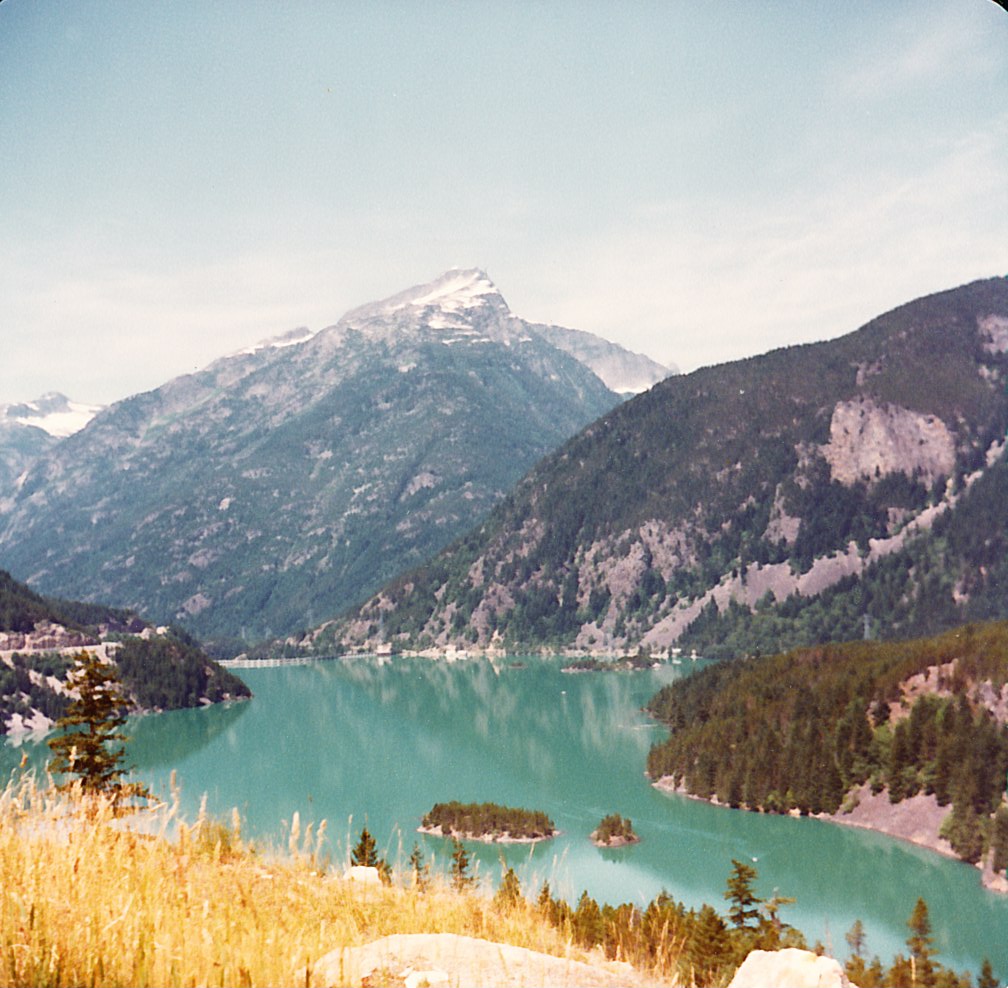
The Cascade Range in Washington state holds a special place in my heart.
It’s reflected in several of my novels and many of the poems.
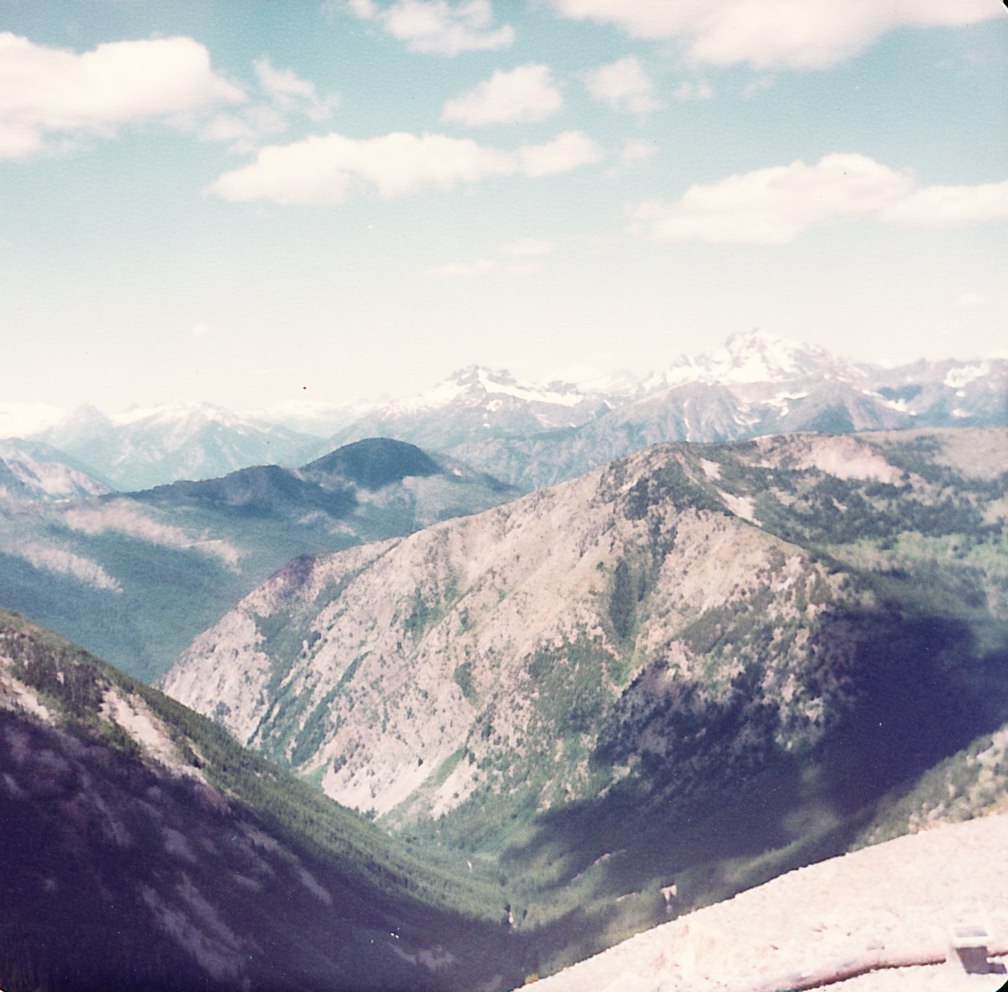
Few photos, though, do the mountains justice. But they do help keep the memories vibrant.
You never know what we'll churn up in cleaning a stall
The Cascade Range in Washington state holds a special place in my heart.
It’s reflected in several of my novels and many of the poems.
Few photos, though, do the mountains justice. But they do help keep the memories vibrant.
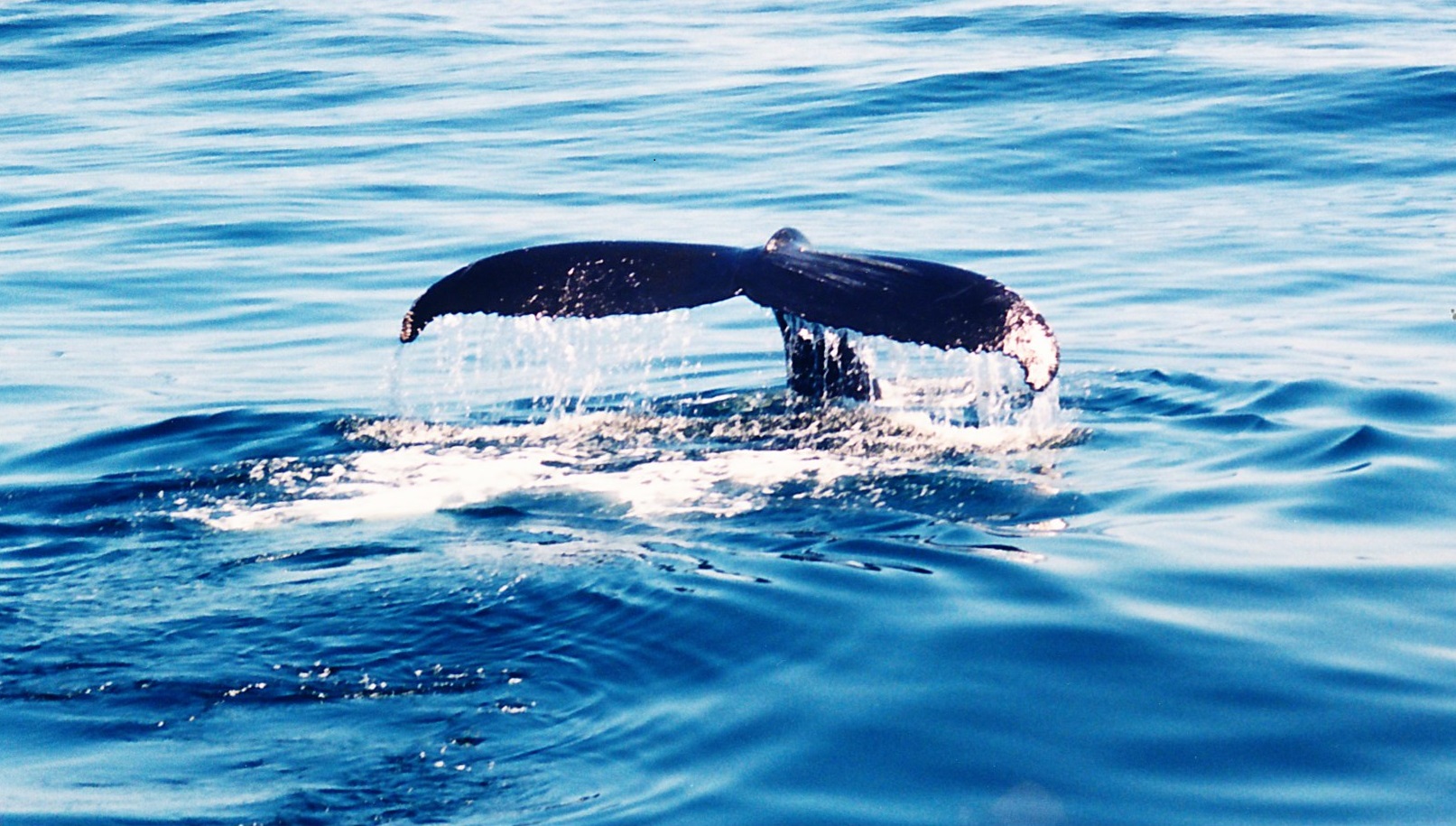
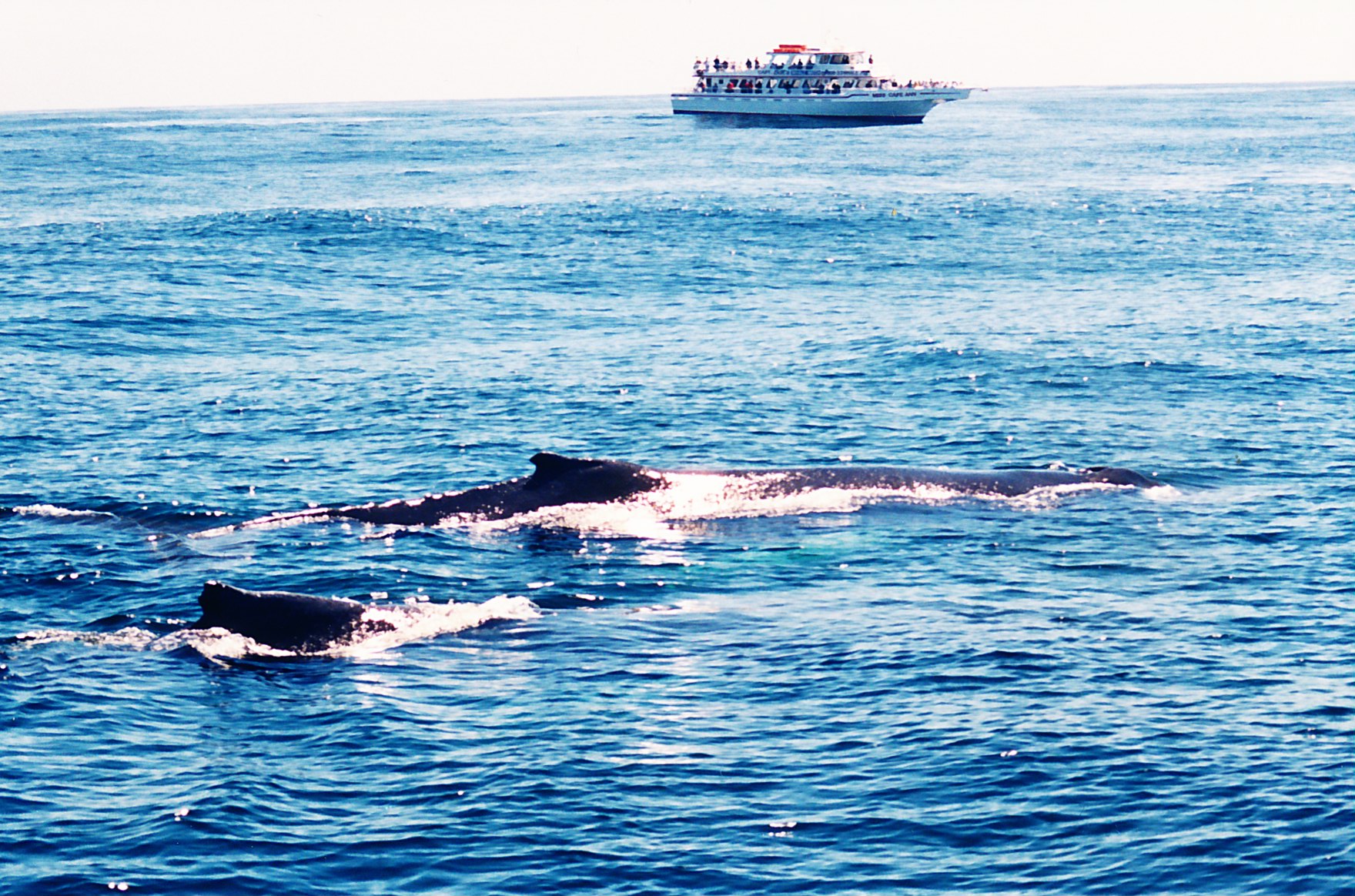
One of the traditions I established after moving to New England meant venturing out for a whale watch each year. You never know what you’ll encounter. Sometimes it’s only a minke whale or two – the smallest of the ones we have. Or, at times, it becomes more than you can count.
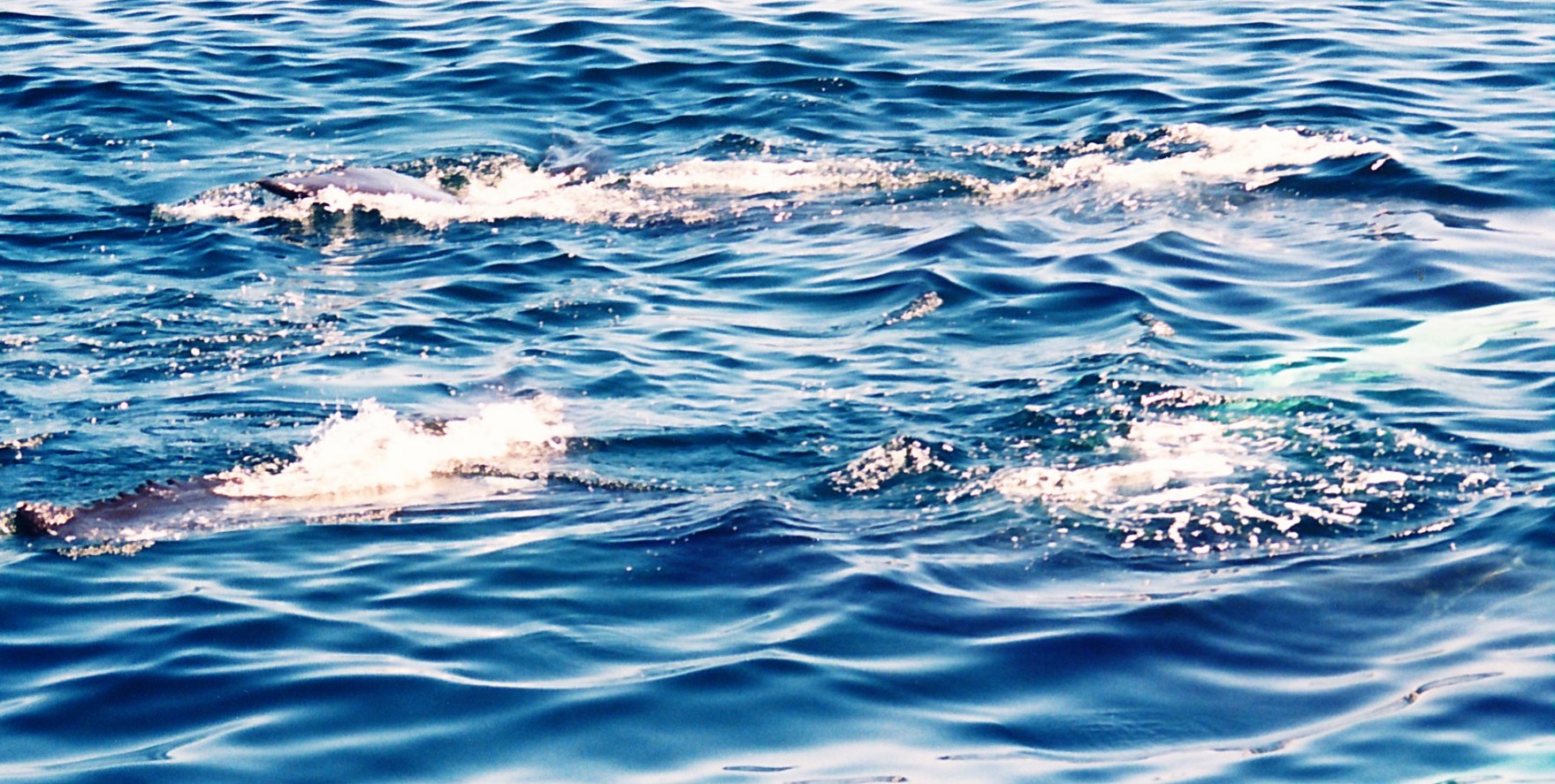
In the past dozen years, though, the custom’s fallen by the wayside. Just too much else to do – and the ticket price has gone up. But as a way of getting out to sea, it’s still a cheap cruise … and it can be very peaceful, if you don’t get seasick on the way.
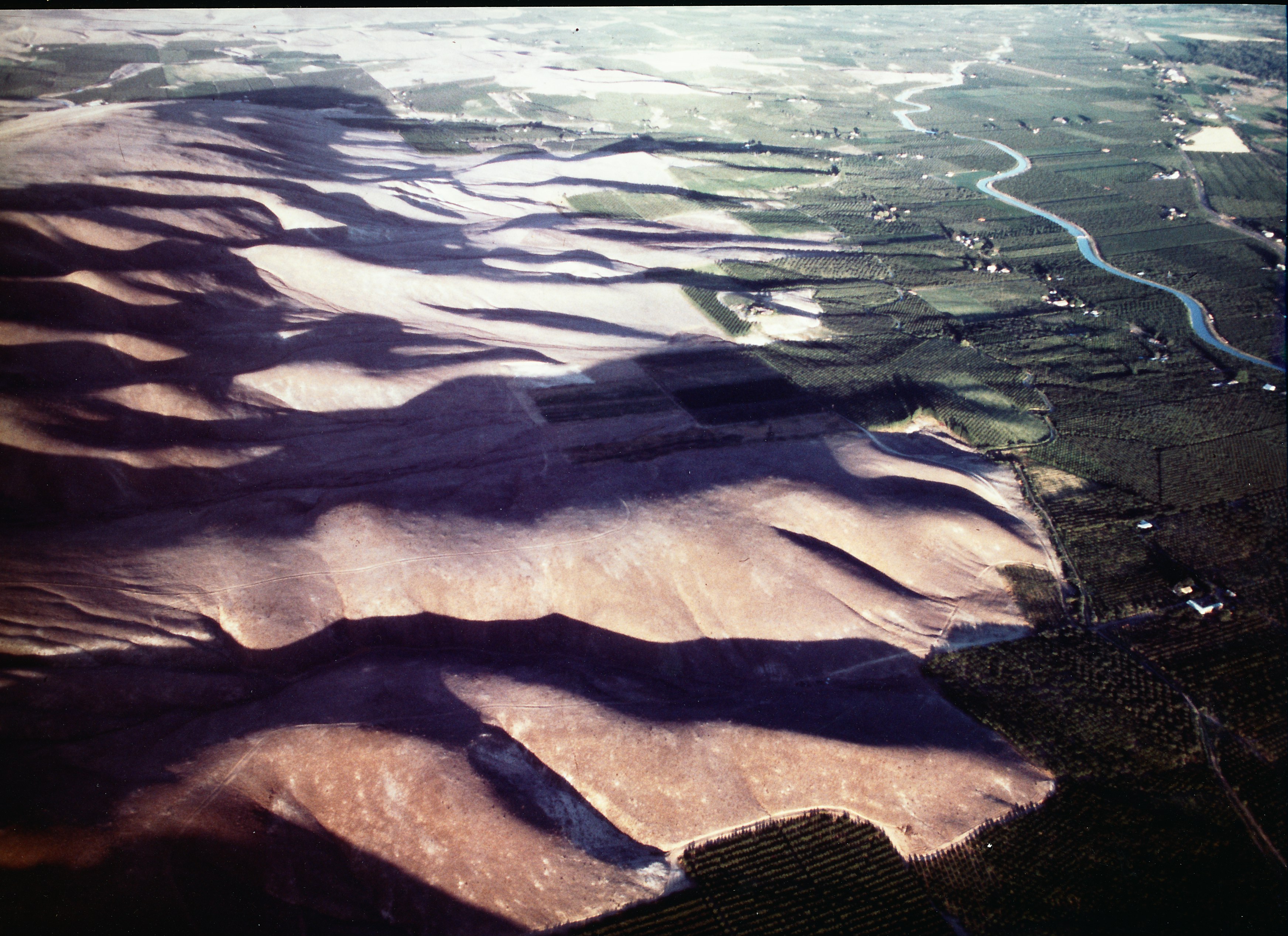
Thirty-five years ago today, we were buried in volcanic ash erupting from a summit 85 miles away. For days afterward, everything was buried in gray. Until then, it had been my Garden of Eden.
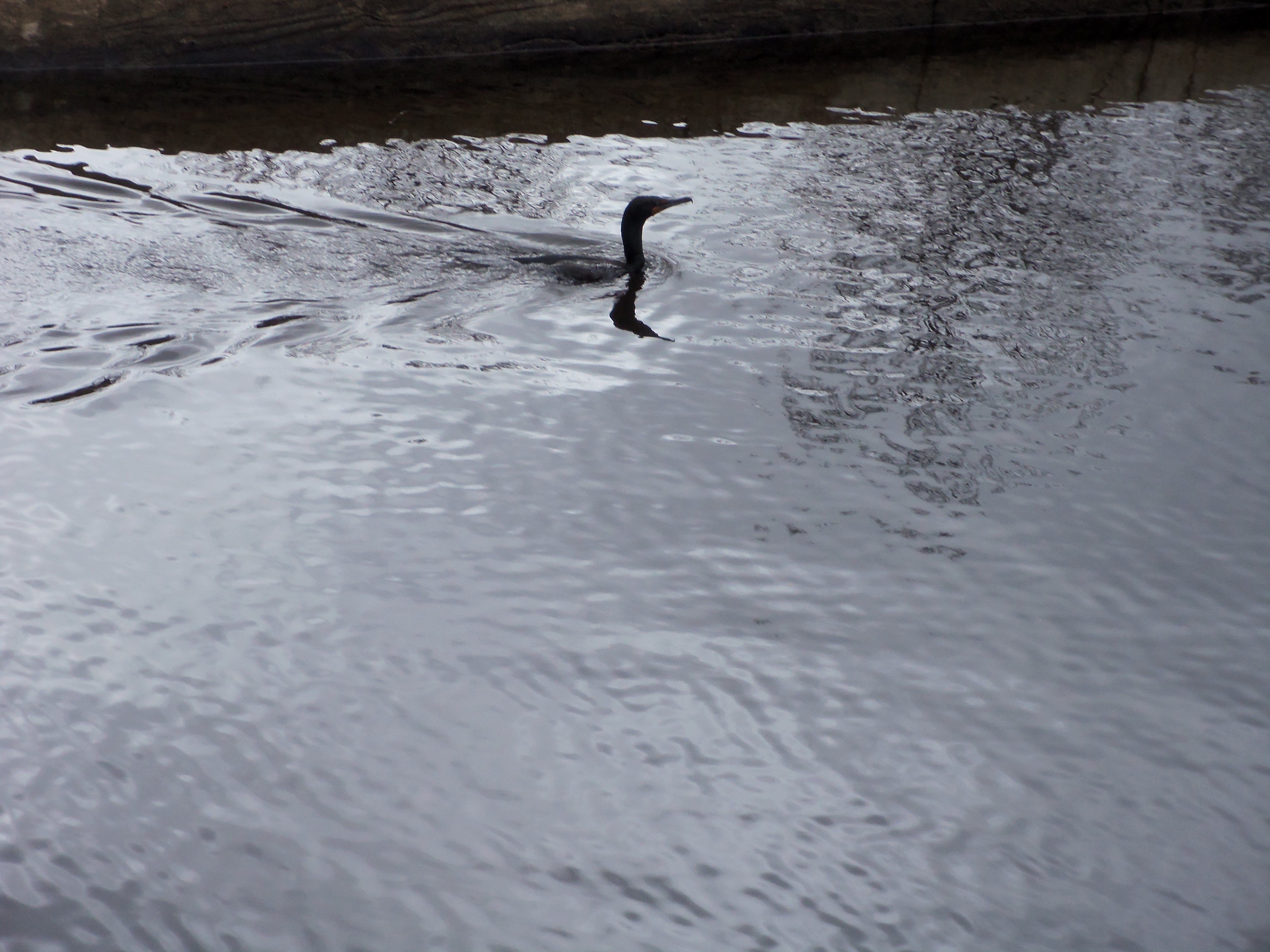

When the river herring run from the sea into freshwater streams to spawn a new generation, the cormorants tag along, along with a cloud of fishermen.
The herring, which include the alewife variety, are part of New England lore. Look closely here and you’ll see them crowded in under the shade along the river.

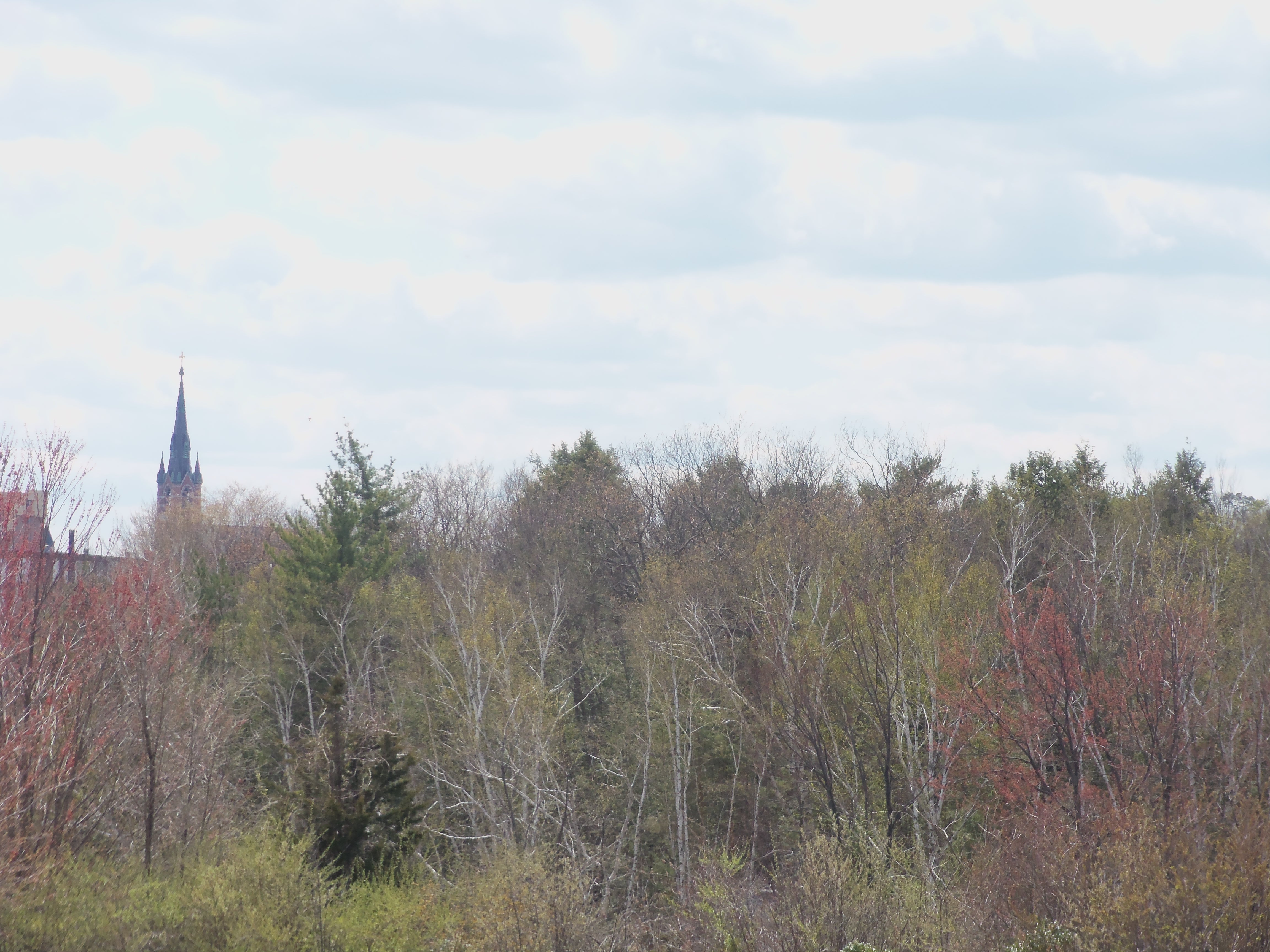
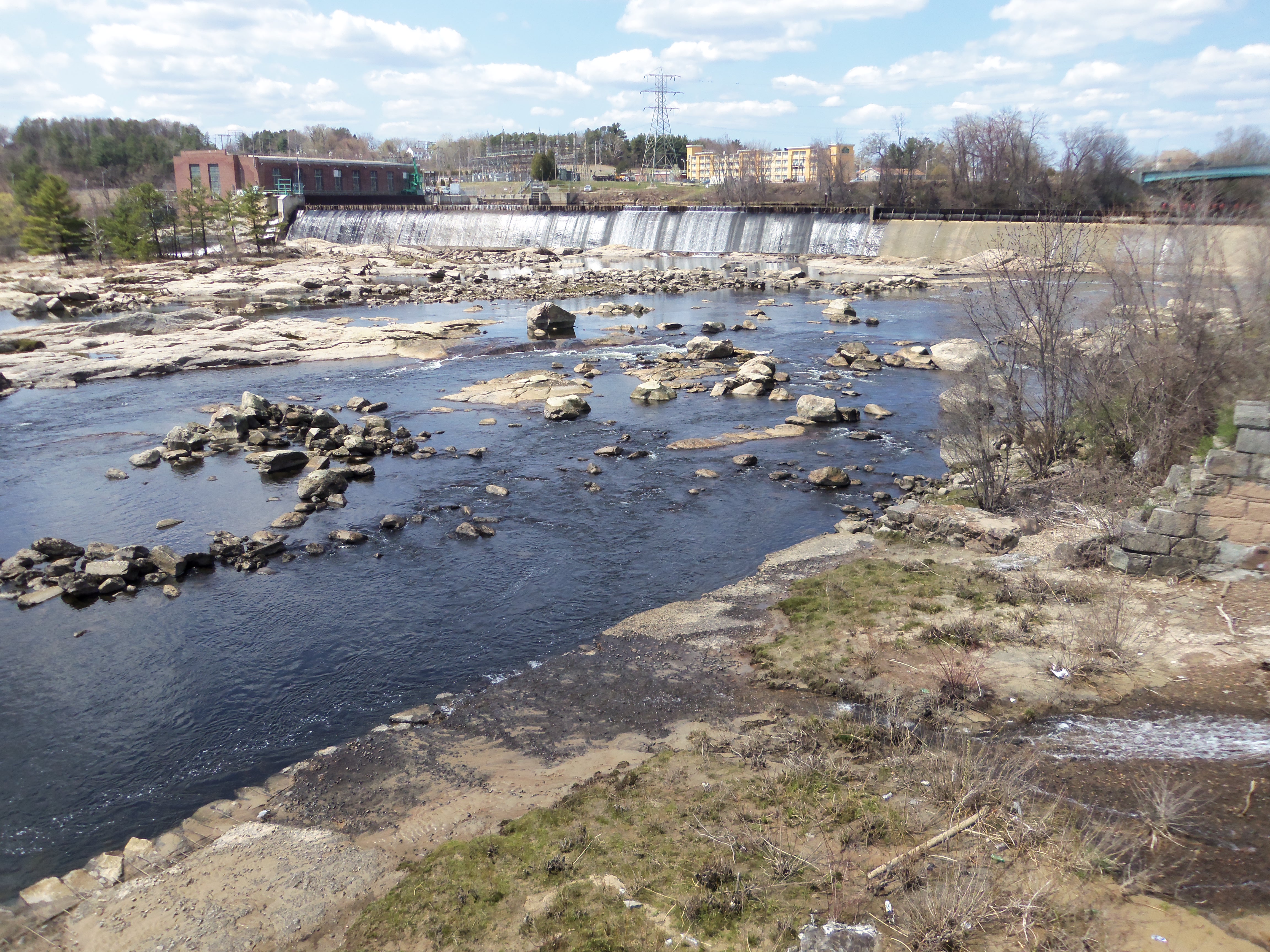
As the largest city in northern New England, Manchester was built on the water power captured at the Amoskeag Falls in the Merrimack River.
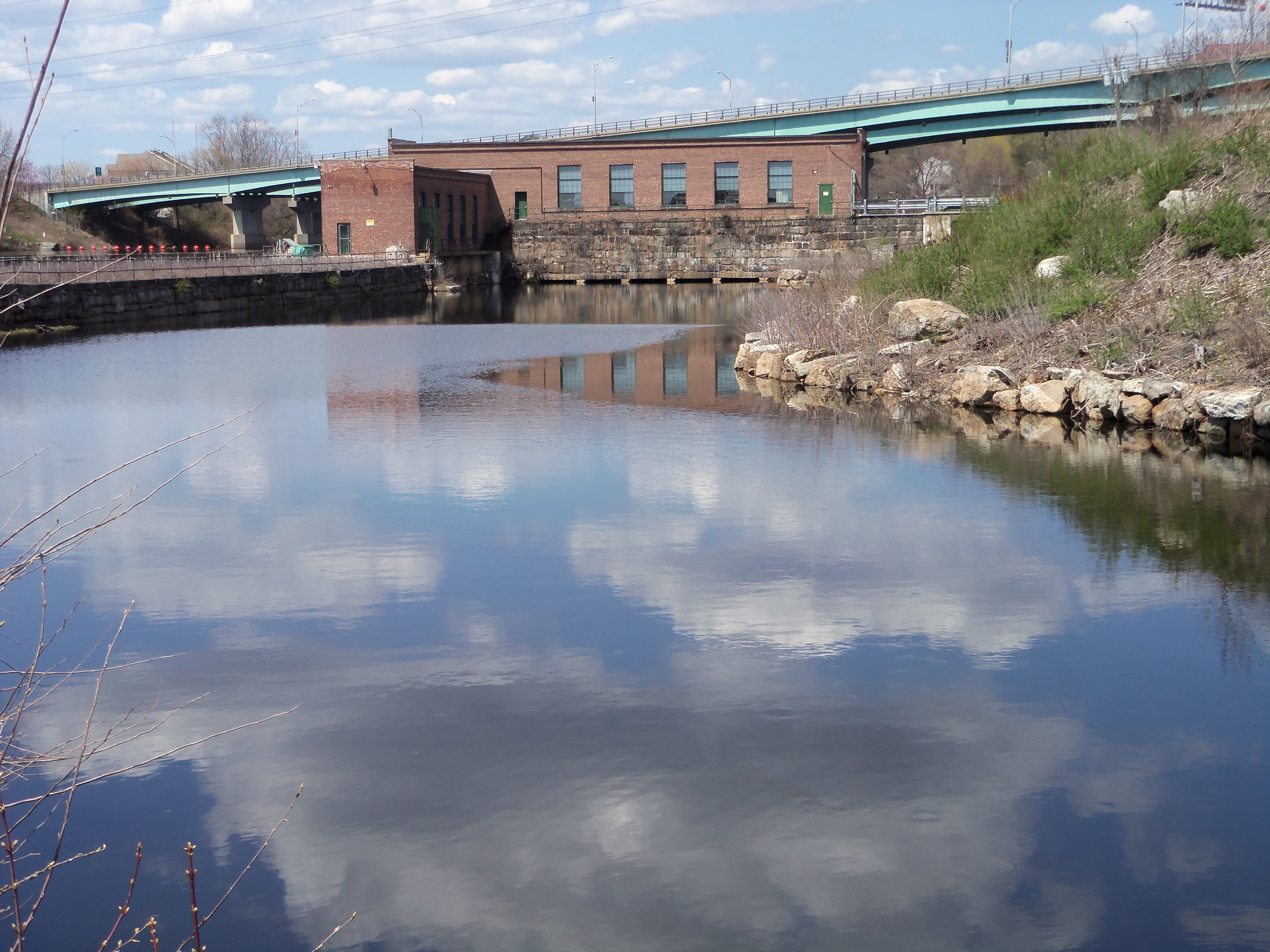
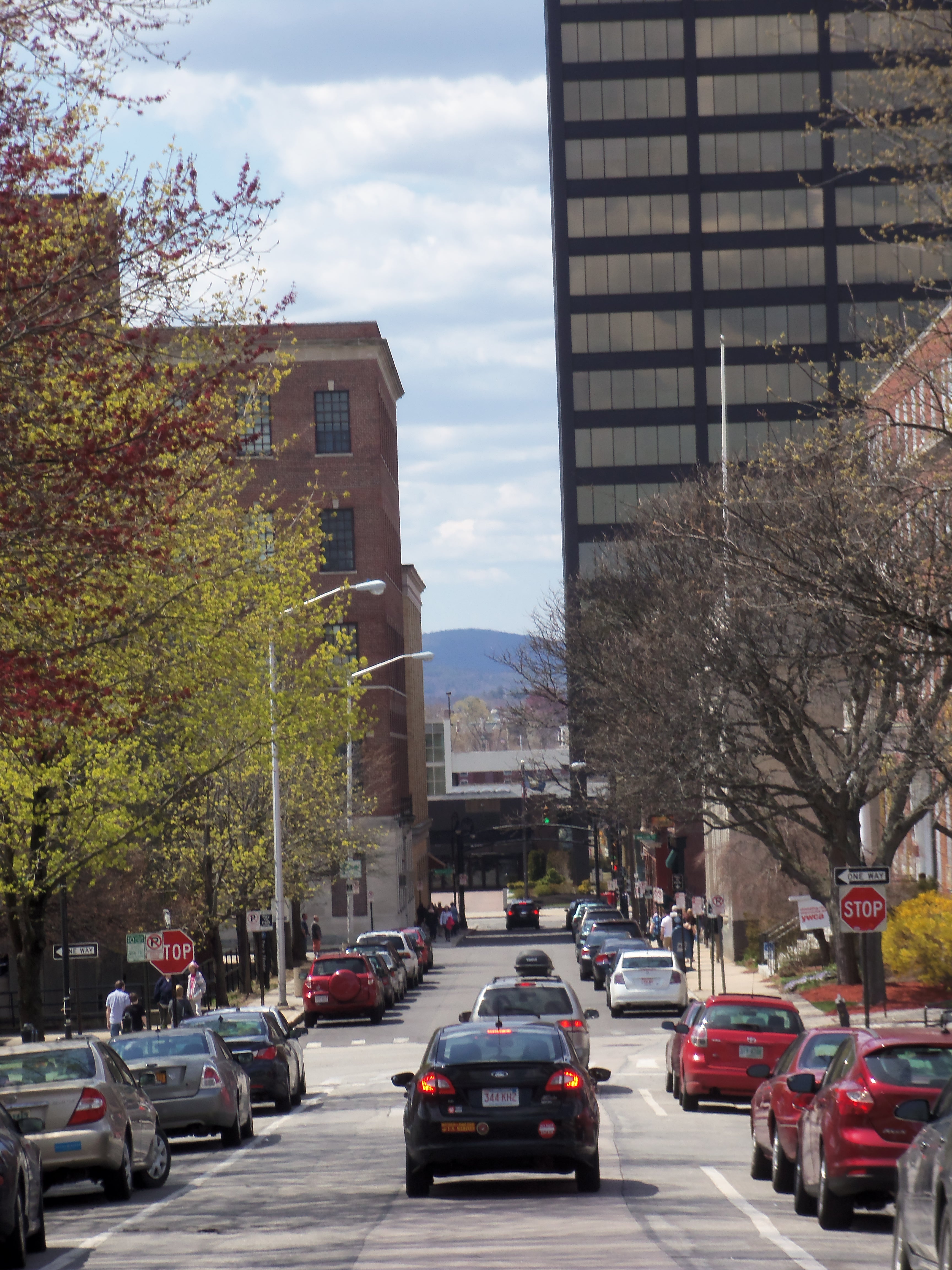
To grow a leafy tree requires more than thirty inches of rainfall or its equivalent each year. If you drive west across the United States, you can cross an imaginary line that passes through the Dakotas, Nebraska, Kansas, Oklahoma, and Texas, and beyond it deciduous, or leafy, trees are quite rare. Soon, so are conifers, the evergreens. Irrigation becomes a fact of life if you want to raise food or flowers or even a lawn.
The Great Plains eventually pass into desert – and you might be surprised to discover that most of Oregon, Idaho, and Washington state is actually desert. The rainy belt is little more than a thin band along the Pacific-facing side of the Cascade and Olympic mountains.
Quite simply, it’s a different world from the one most Americans know.
~*~
As for the Great Plains, let me recommend Kathleen Norris’ Dakota. It’s a unique and marvelous book.
As I said at the time …
Came across a fascinating insight a while back, something that might continue our “bad boys/good girls” dialogue. The writer, a mother, was observing that even in second grade, teachers automatically divided the class into bad boys and, you guessed it, good girls. By extension, then, coming as this does around the time that most boys are undergoing their sexual and emotional separation and twisting away from Mother, a different path from the girls’ formation, the very model of boyhood becomes, by definition, to be bad! To be a “good boy” is in effect to be a sissy, a girl. To be bad is to push the limits, be independent, be a leader, take action, grow up fast.
Perhaps this is when the boy really needs the mentor figure Robert Bly envisions, to take the boy into wilderness beyond the camp. Maybe it was the same writer (newsroom means little time to read closely, and often not to make a printout either) who was warning that American society has a real time bomb in the making as boys are being subjected to some very confused expectations and accusations. To be virile is taken to translate as promiscuous; strong, as violent; and so on.
Incidentally, David Hernandez’s “Bruises” demonstrates one side of this boy/girl outlook marvelously: when you were a child, did girls ever compare their signs of toughness like this? (So who are the “bad girls”? Tomboys? Or loners at the edge, exploring their own imaginations? Diane Wakoski has pursued this as well as anyone I can think of, but the field still seems wide open!)
Oh, well, I can only open these issues in a poem; resolution comes somewhere else!
~*~

My collected poems are available in Blue Rock. The ebook’s free in the platform of your choice.
Maybe City Hall will need that $240,000 armored truck to repel residents upset by the decision to buy it.
Just what would it take for the public to rise up in arms, anyway? A few more decisions like this?


An abandoned mill, built on a railroad spur and relying on steam power, has found new life as affordable housing. Now touted as Woodbury Mills, it has 42 “apartment homes.” It’s one of several repurposed and renovated mills in the city.


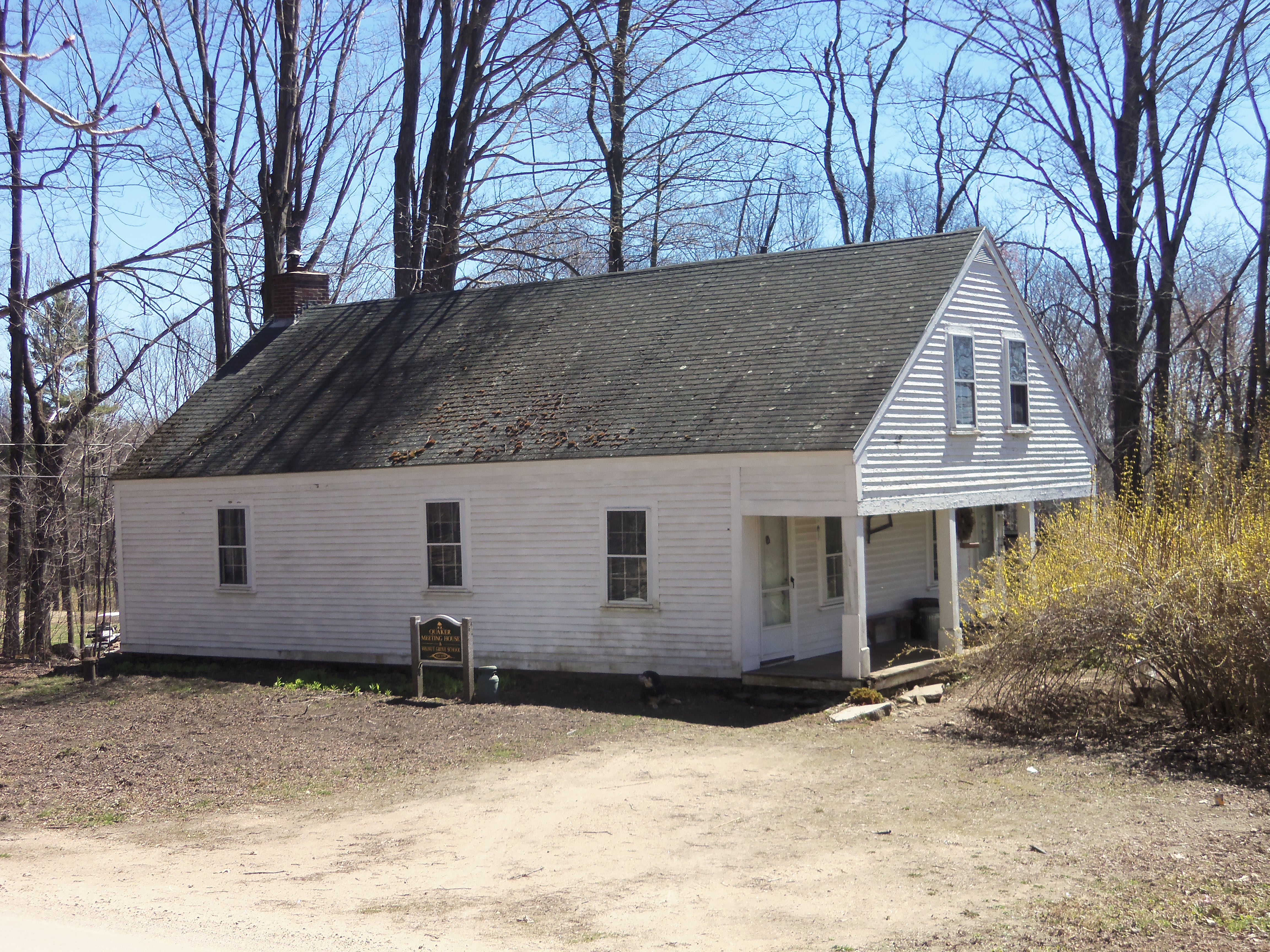
A pioneering educator, Moses Cartland taught in this combination school and Quaker meetinghouse at his family’s farm in Lee, New Hampshire, after previously establishing the Clinton Grove Friends school in Weare. A staunch abolitionist, he was also a founder of the Republican Party in New Hampshire and a candidate for the U.S. Senate.
Moses and his cousin John Greenleaf Whittier were closest friends and lifelong bachelors, at least until Moses married one of his students – who was also a cousin. Although considerably younger than Moses, she predeceased him.