A good government implies two things; first, fidelity to the object of government, which is the happiness of the people; second, a knowledge of the means by which that object can be best obtained.
James Madison in Federalist No. 62
You never know what we'll churn up in cleaning a stall
A good government implies two things; first, fidelity to the object of government, which is the happiness of the people; second, a knowledge of the means by which that object can be best obtained.
James Madison in Federalist No. 62
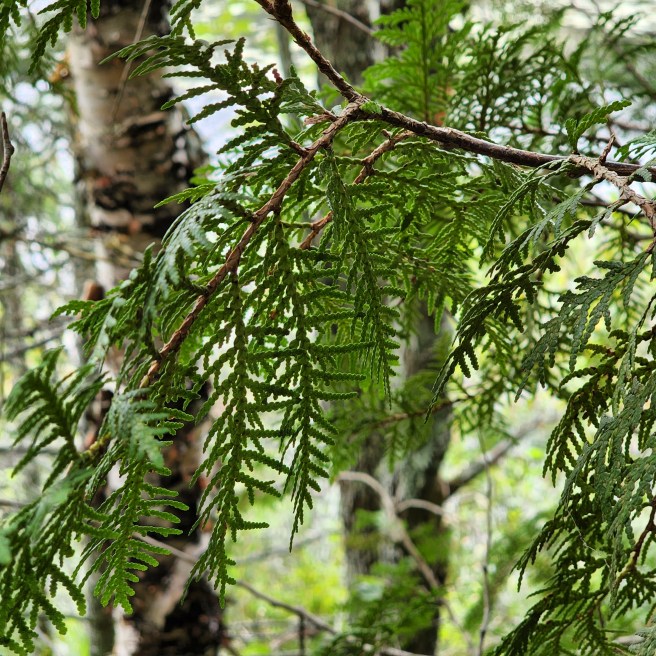
first blush of autumn foliage
talk of colleagues with advancing cancer
muted morning
heavy dew of September
against a wood fire
packing up, what’s left
behind that’s ours?
Not just when they call each other first thing in the morning for a half-hour chat, but also when they get together face-to-face just hours later.
We guys just don’t understand, as far as I can tell.
Living in Down East (aka Downeast) Maine is confusing enough, considering that it’s mostly north. How about some other place locations?
Woodville is its own contentious issue, at least in the renamed Baileyville in Washington County, south of the one in Aroostook. Blame the U.S. Postal Service for trying to end the confusion.
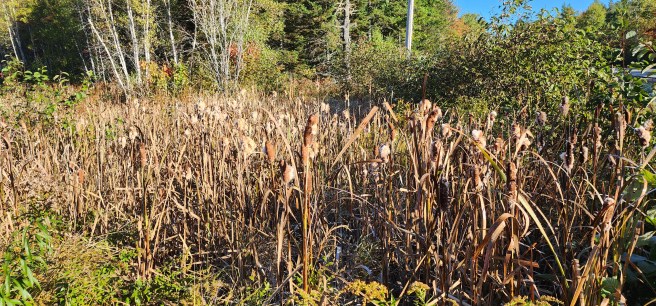 Classically, this emblem of autumn is here. I remember the first time I saw these in the Midwest, however esoterically at the time of my preadolescence.

Belmont, Maine
Another recent addition to my elite list is the master best known for Zorba the Greek, though the protagonist’s name was rendered into English incorrectly – it should be Zorbas.
Inclined toward big, knotty books, Kazantakis tackled the upheavals of post-World War II Greek culture, a volatile realm even before The Last Temptation of Christ, his most controversial novel.
My favorite, though, is The Fratricides, centered on the struggles of an out-of-favor Orthodox priest in an impoverished village as he and it are drawn into the crushing vise of civil war itself.
As I’ve welcomed Greek perspectives into my awareness – befitting the element in my novel What’s Left – I appreciate his contention that Greece is neither West nor East, a place where Eastern instinct is reconciled with Western reason. Or, in his novels, logic is pitted against emotion.
I’m in no position to argue whether his language reflects the peasants he met in his travels around Greece, but in translation, it feels large-boned and sure-footed.

As he had told me:
urchins once filled all the shoreline rocks
till the Japanese market opened up
flights from Bangor
fishery now tightly licensed
hoping for recovery

An old-fashioned farm windmill was doing whatever on one island we passed.
 Jnana's Red Barn