THE SCYTHE

Our first spring in the house, we discovered that our lawnmower wouldn’t work. Maybe we wouldn’t have been able to use in it the Swamp anyway, considering how wet that side yard can be. By the time the mower was back, though, the Swamp had gone wild. Waist-high with growth.

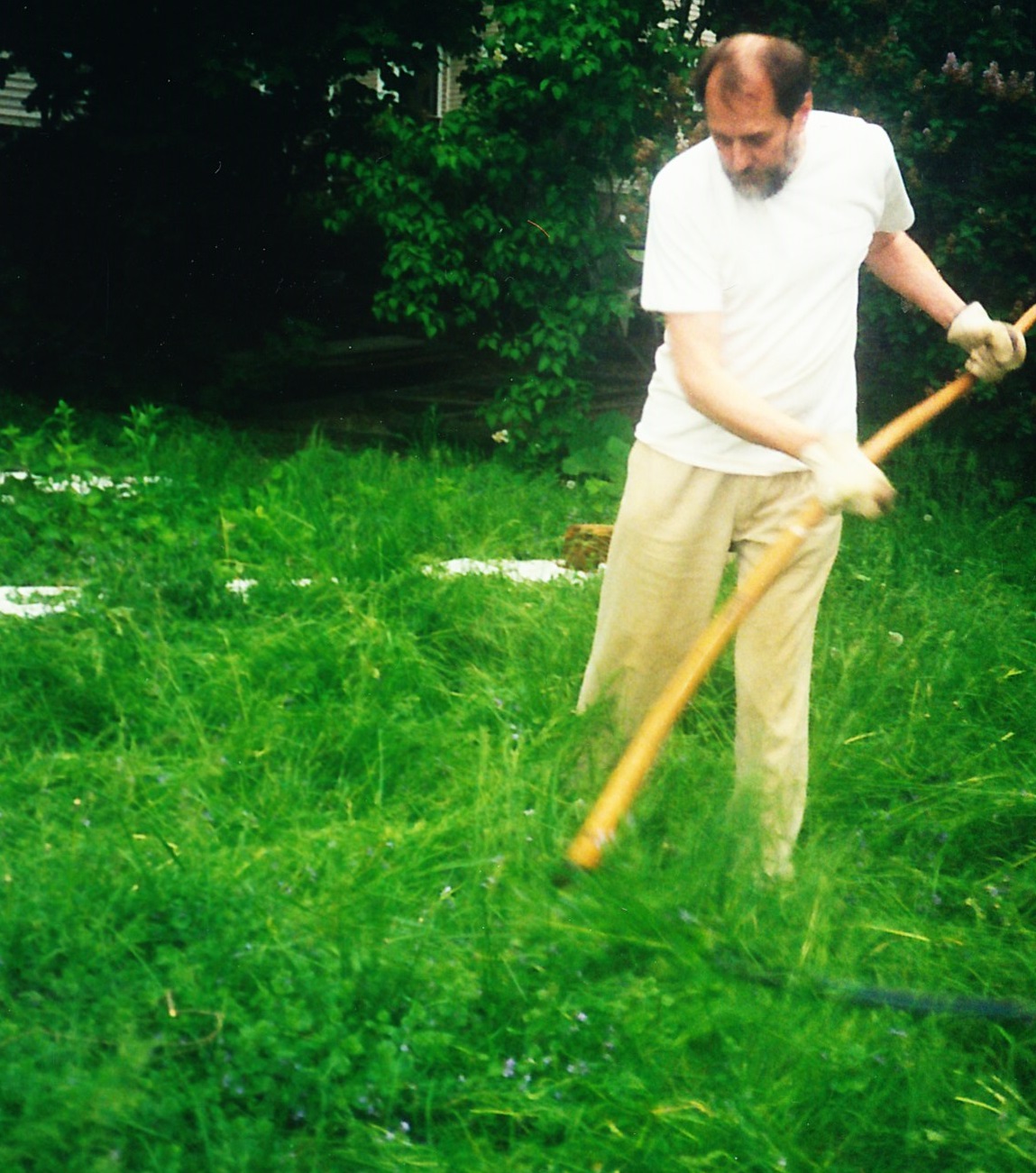
That’s when our elderly neighbor, Ernie, told me he had a scythe, offered to lend it to me, showed me how to cradle it and cut, and just how sharp he’d honed it.

So off I went. He was right, there’s a trick to using it right. But it’s work, all the same. Hard work.

So it’s something I’ve now done once in my life. And, hopefully, never again.

Yes, there’s good reason weed-whackers have taken over.

SCYTHE

 in the meantime, waiting to refurbish
the red cobwebbed mower my wife salvaged
from her first marriage. The plot grows waist-high
and matted until our elderly neighbor extracts
a scythe from his garage and demonstrates its use

after which I vow, “never again!” while admiring
its hungry edge and once commonplace muscular skill

yes, before I get a functioning lawnmower
the swamp erupts in waist-deep weeds

on its far side, elderly Ernie laughs knowingly
before lending my his scythe
and demonstrating its use

“just call me Scythemaster”
my girls are instructed
watching me rock the cradle

oh, then, do I ache deeply …

poem copyright 2015 by Jnana Hodson
 

WELCOME RAIN

We’re not alone, I know, when it comes to unusual weather patterns.

In fact, I’m getting the feeling that the computerized models the forecasters rely on just don’t fit the changing realities. (One site I checked a couple of days ago had a projected high for the day of 71 F and a current reading of 76. In fact, the highs several days running before that, while we were waiting for an uncommon heat wave to break, were up to 20 degrees above expectations. Whew! ) Through much of the critical gardening season in May, our actual lows were often nearly 10 degrees below the forecast – a potentially costly error. And then there was one night a week or so ago when meteorologists changed the immediate outlook to 100 percent chance of rain overnight … and we got nada.

April, as it turned out, was slow motion – about three weeks behind our usual gardening routine. And then May, making up for the delays, allowed us to get more in the ground than usual.

The downside was that we didn’t get our usual rainfall. Officially, the month delivered a tenth of an inch. The seedlings and transplants had to be watered in a period where we’re usually concerned about root-rot and drowning. A month, typically, when I can’t keep the lawnmower wheels from sinking in the side of the yard we affectionately call the Swamp.

As I mowed the grass the other morning, I kept noticing how parched the ground is. This time of year?

Through all of this, we’re tallying up the effects of our long, nasty winter – the one that had snow cover for all but three of the coldest weeks in January. Dogwoods took a big hit, as did limbs of rhododendron and azalea. We’re missing a number of perennials, including the sage in the herb garden and salvia along the driveway.

So now it’s raining. What’s expected to be three days and more than two inches of precipitation. Welcome, welcome rain – even if it would have been much better doled out rather than dumped on us.

Oh, the joys of gardening …

50-50-50 RULE

Many folks won’t swim in the Gulf of Maine even in the height of summer. It’s just too cold, they say.

I can sympathize, though some perspective helps. Rarely is the Atlantic around here warm enough before the Fourth of July. Oh, there may be a few rare days, but nothing dependable. We’ve found that anything below 57 F is foolish – even when the air temp’s over a hundred.

Yup, 57. That’s the blue-toe limit: edge into the surf bit by bit. First, the toes. Then out. Back again, top of the foot. Out again. Back again, to the ankles. You get the idea. If you actually make it to total submersion, you come out fast. Like a bullet.

Over time swimming here, you might even get to the point where you can guess within a degree or two. Sixty’s about my bottom line for swimming. Sixty-five is where the water starts to get comfortable. And 70, a rare delight, is heavenly.

For reference, I’ve come to rely on the NOAA Northeast USA Recent Marine Data Web page, which includes readings from buoys. Lately, as the water temps have been edging 50 F – finally even a tad over before ebbing – it’s become a topic of conversation.

Which prompted this response the other day: Ever hear of the 50-50-50 Rule?

Eh?

Fifty minutes in 50-degree water gives you a 50 percent chance of drowning. (Or 50 percent chance of surviving, depending on your outlook on life.)

In light of the blue-toe limit, I had no idea the odds could be that favorable. Not that I ever intend to press them.

CASCADES MEMORIES

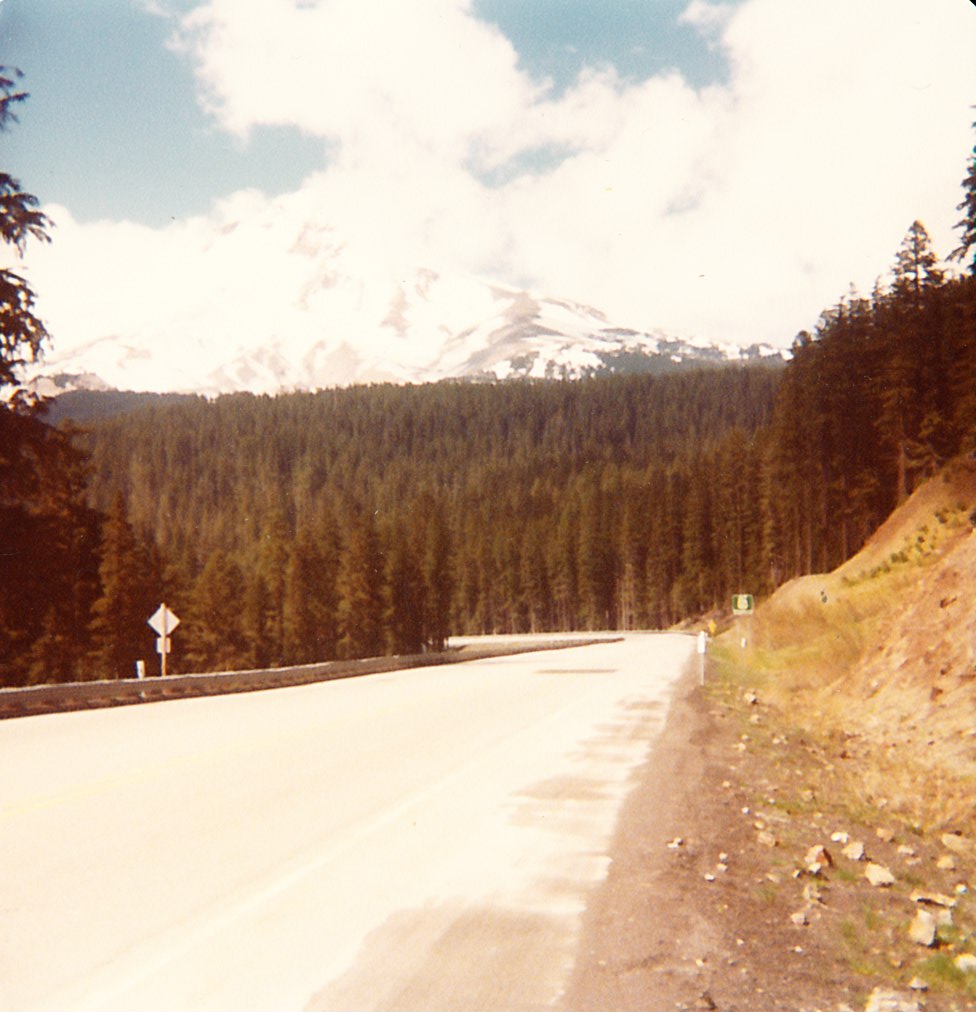
Driving toward Rainier.

The Cascade Range in Washington state holds a special place in my heart.

It’s reflected in several of my novels and many of the poems.

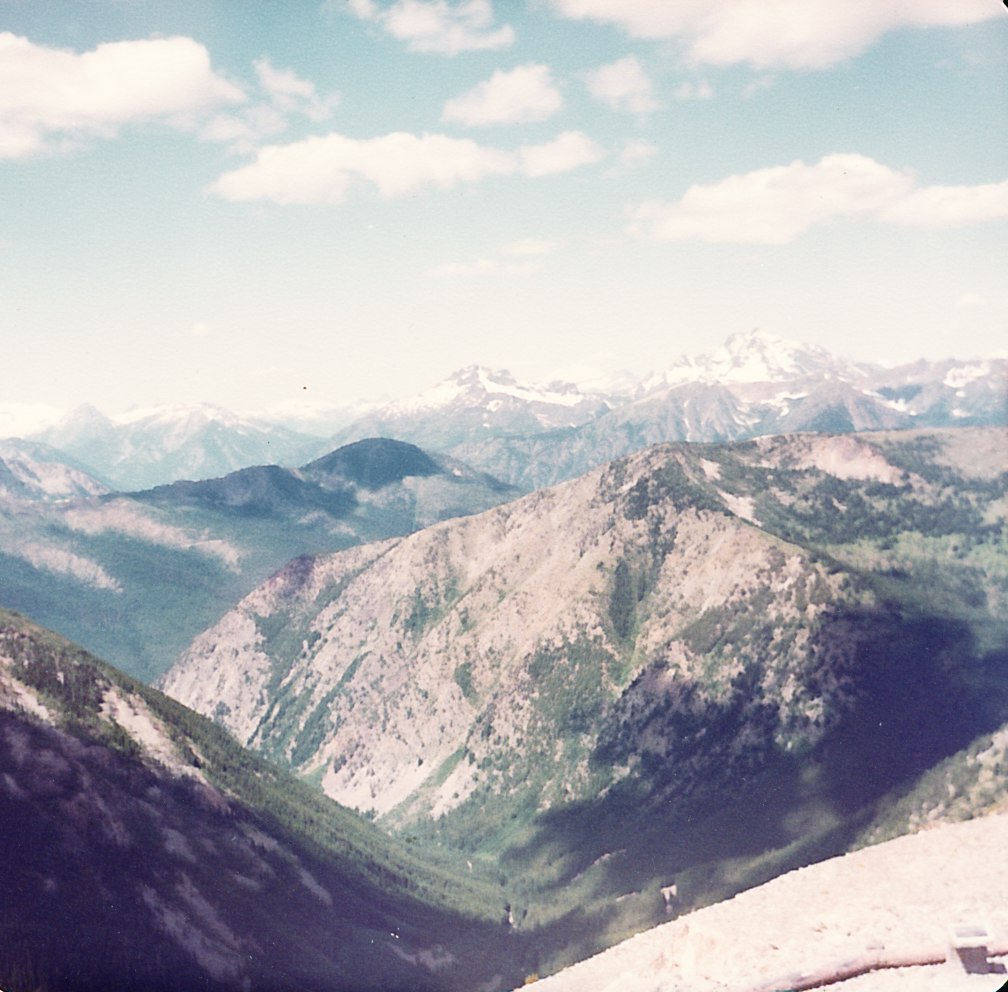
In the high country, the range seems to extend forever.

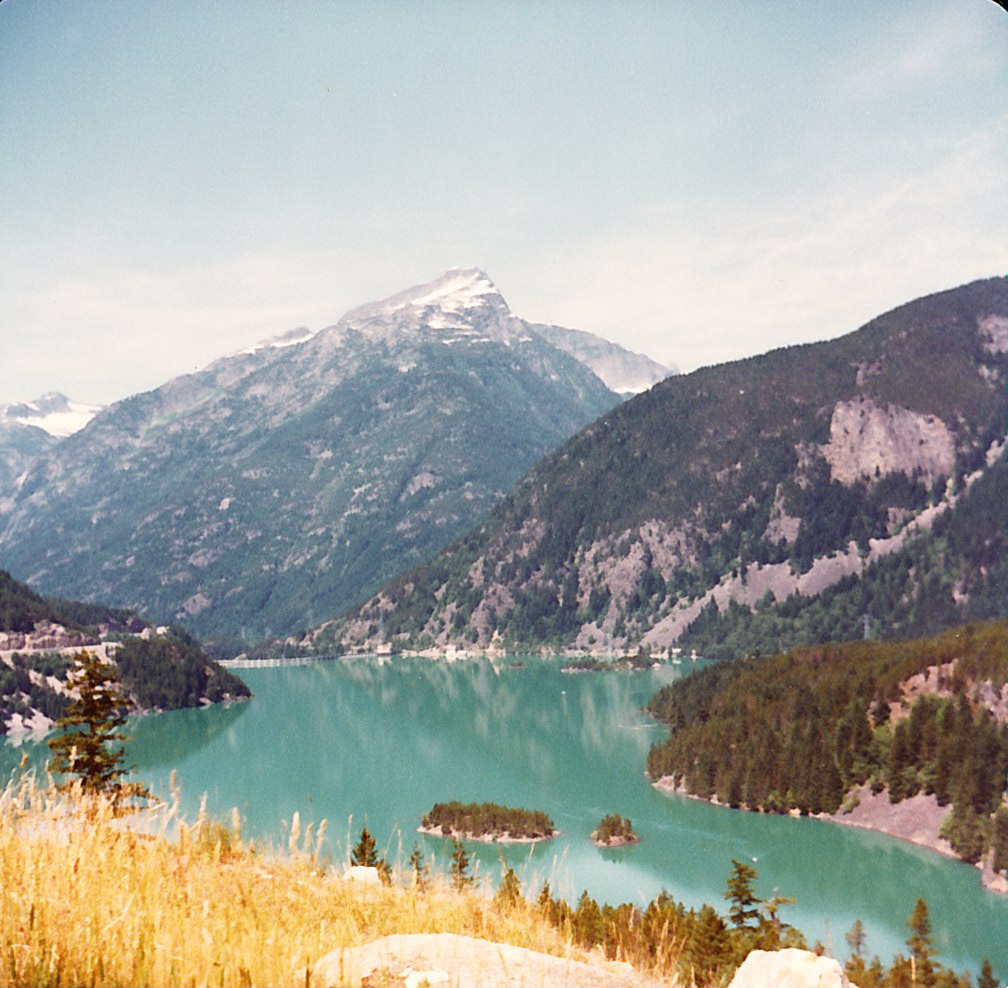
Few photos, though, do the mountains justice. But they do help keep the memories vibrant.

North Cascades where Gary Snyder, Philip Whalen, Jack Kerouac, and other writers worked the remote fire lookout posts.


IN A POD

One of our first harvests each spring is the peas. The sugar snaps and snow peas, especially, soon after the asparagus kicks in. It’s a challenge, keeping up: you need to pick the vines every day or two, while racing the first heat wave. Then it’s a matter of removing the pea vines so the cosmos and cabbage coming up underneath can breathe a bit more.

What we don’t eat now or prepare for the freezer will wind up in the compost, a sorry alternative.

Do you have any idea how delightful it is to serve the survivors on a cold day in February? Priceless, as they say.

AND YOU THOUGHT TURTLES WERE SLOW?

Somehow I avoided most of the usual traffic tie-ups and wound up with some extra time to kill in the Boston area on what turned out to be the first afternoon with real spring in the air. Given the time to kill, I headed off, camera in hand, for a walk along the Charles River.

At one point, I looked down along the riverbank and saw a limb draped out into the water. Five turtles were sunning on it in a wonderful composition. The camera was in focus and I needed one more step before I aimed and clicked. Just as I did, they slipped one by one into the water.

Maybe next time.

On the way back, I came up on a couple, hand in hand, as they strolled along the pathway. Another great shot, this time of street fashion. They were in matching all black, except for his shorts, which were black with great swirls of yellow and orange. I should have taken a shot but wanted to respect their privacy.

Now I’m wishing I’d gone ahead anyway.

Two nights before, as I was heading off to a committee meeting, I saw the perfect shot of the tower on City Hall, its gold-leaf dome and golden weathervane brightly lighted by the setting sun against a slate-gray background. Unfortunately, I wasn’t carrying my camera.

That has me thinking how many great photos turn out to be like those turtles, just slipping out of sight.

Maybe it provides all the more respect for the good photos we have.

WHALE WATCH

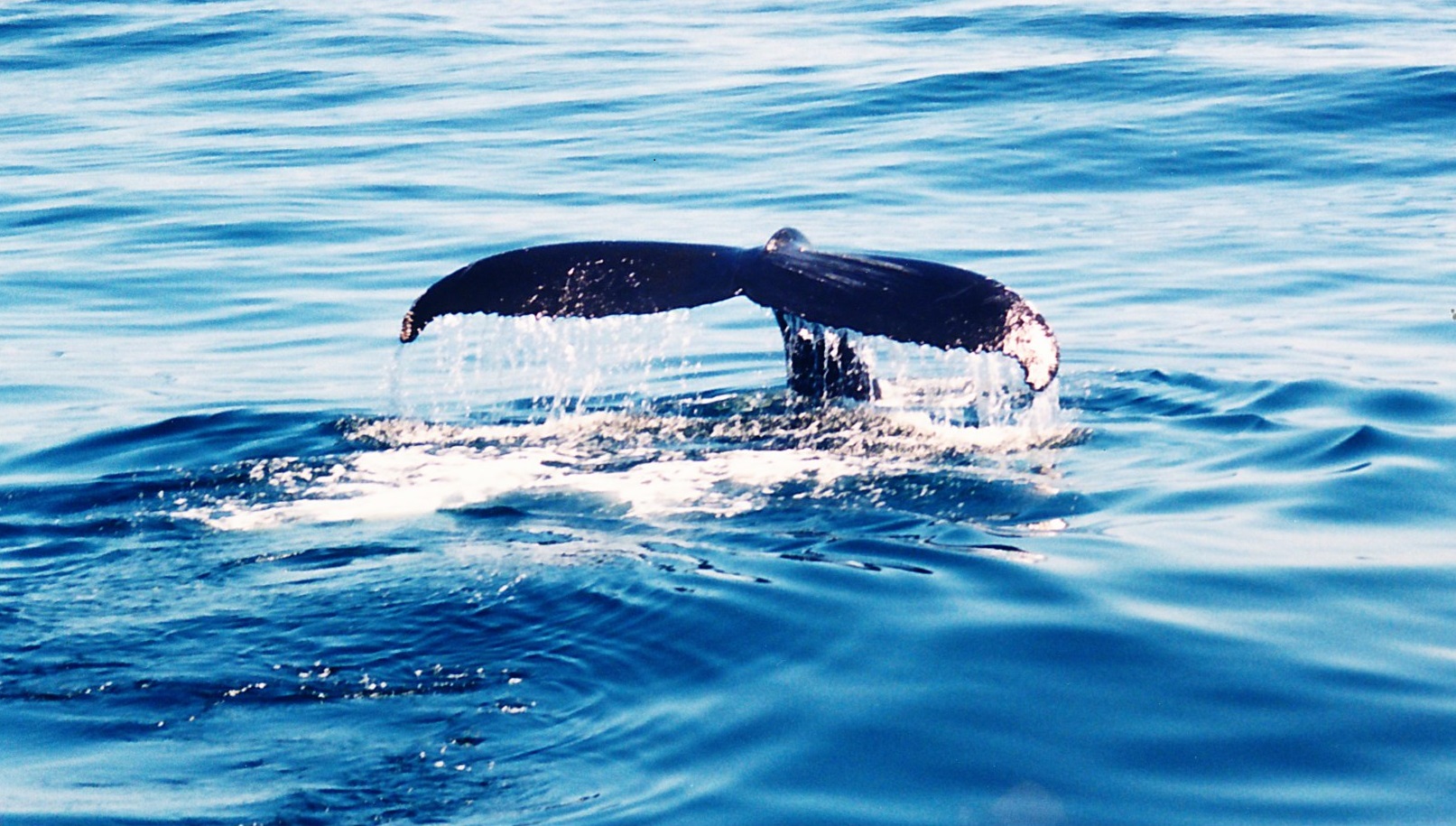
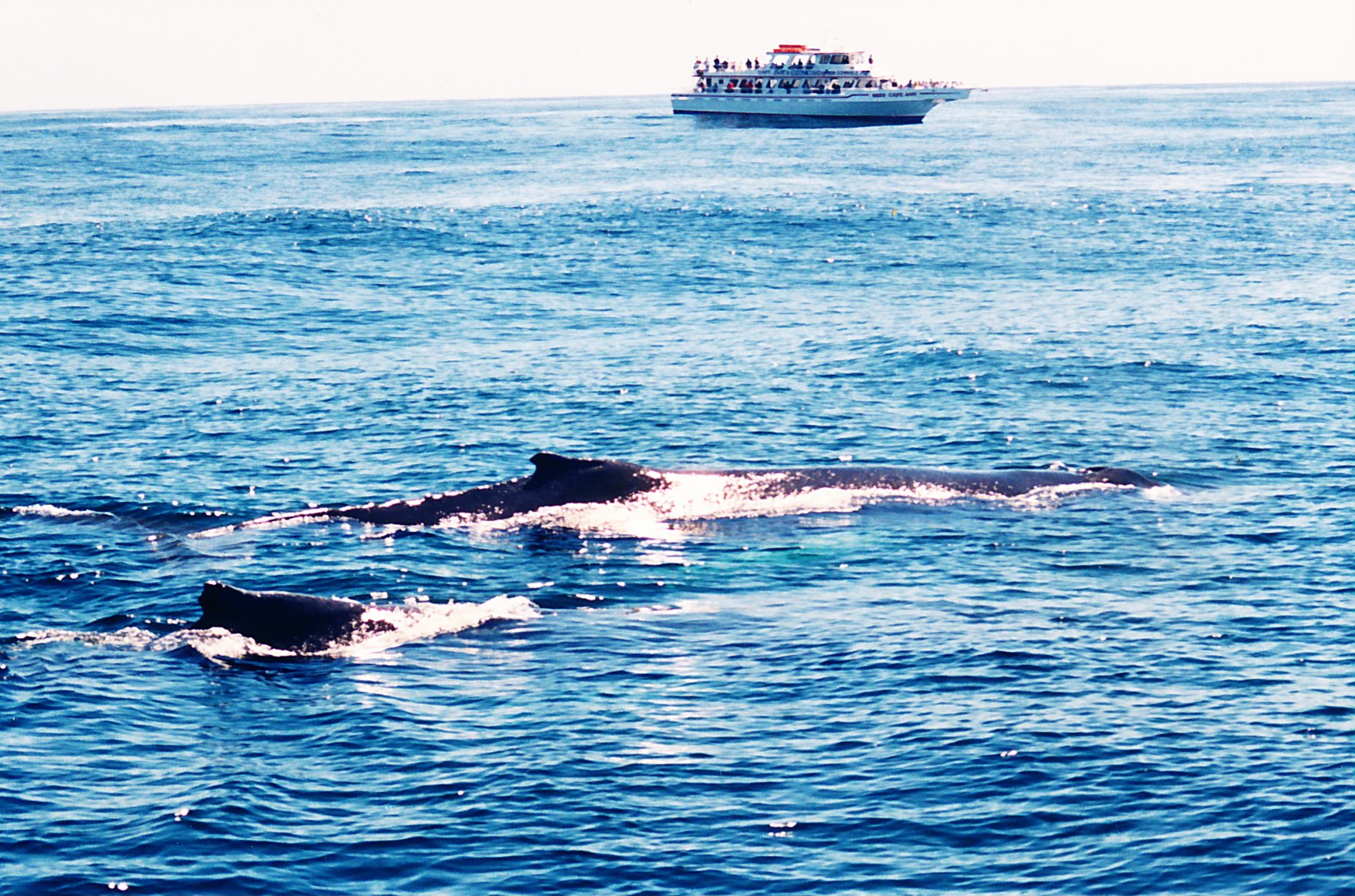
Humpback, launching a deep dive.
Often, several whale watch tours will circle in the same vacinity.
Often, several whale watch tours will circle in the same vicinity.

One of the traditions I established after moving to New England meant venturing out for a whale watch each year. You never know what you’ll encounter. Sometimes it’s only a minke whale or two – the smallest of the ones we have. Or, at times, it becomes more than you can count.

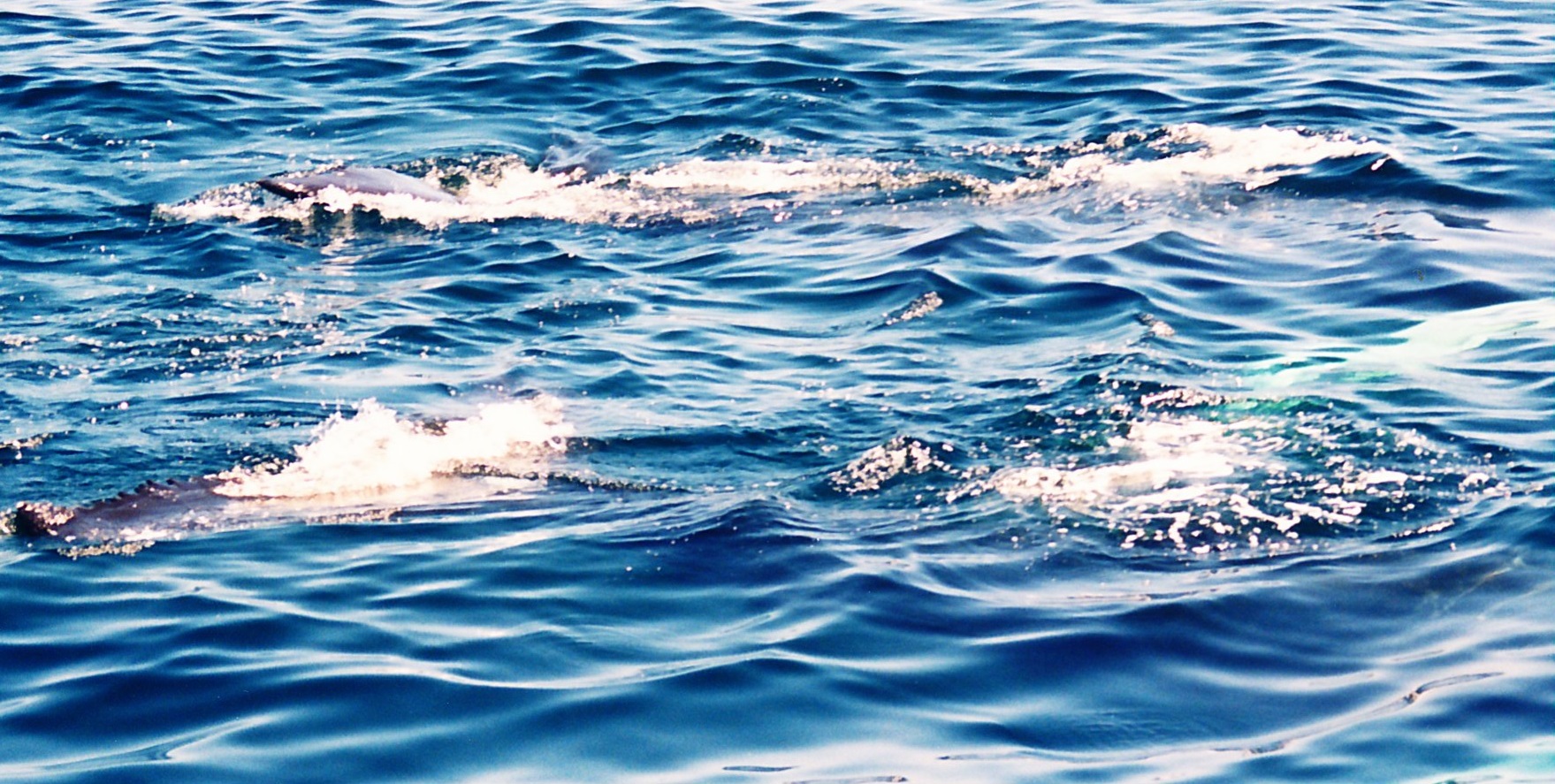
The whales have the most beautiful light blue underbellies, visible if you get close enough.

In the past dozen years, though, the custom’s fallen by the wayside. Just too much else to do – and the ticket price has gone up. But as a way of getting out to sea, it’s still a cheap cruise … and it can be very peaceful, if you don’t get seasick on the way.

TAKING WHOSE TIME?

Got a rejection letter last week. All authors, and especially poets, are used to them. What was striking for me was that I hadn’t sent off any hard-copy submissions in the last three years. Repeat, THREE years.

As I’ve explained, a while ago I shifted over to online-only submissions as a consequence of much higher acceptances that way and of simplifying the difficulties of trying to maintain duplicate sets of files. (One for online, and a duplicate for hardcopy.)

So it took the editors of this particular journal more than three years to decide? What’s their problem? No wonder they’re feeling swamped!

This also touches on the issue of exclusivity in sending out work for publication. In the old days, meaning when I started, you didn’t dare send your work simultaneously to different periodicals. It was more a kind of serial monogamy. Or serious business.

Although the hard-and-fast requirement started melting, I stayed with exclusivity more as a matter of keeping track of what was out where – but I did keep an unmentioned caveat: after six months, if I’d heard nothing, it was fair game to send out again. In more than a thousand acceptances, I don’t recall more than a half-dozen cases where this became a problem.

Suppose I could look up the five poems to see if they’ve been published elsewhere in the interim, but frankly it’s not worth it.

You might have even seen them here, at the Barn.