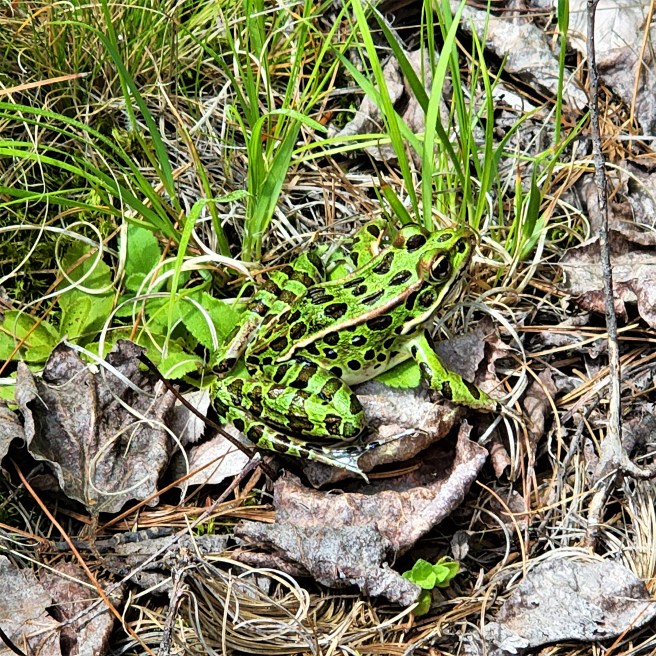
Up close.
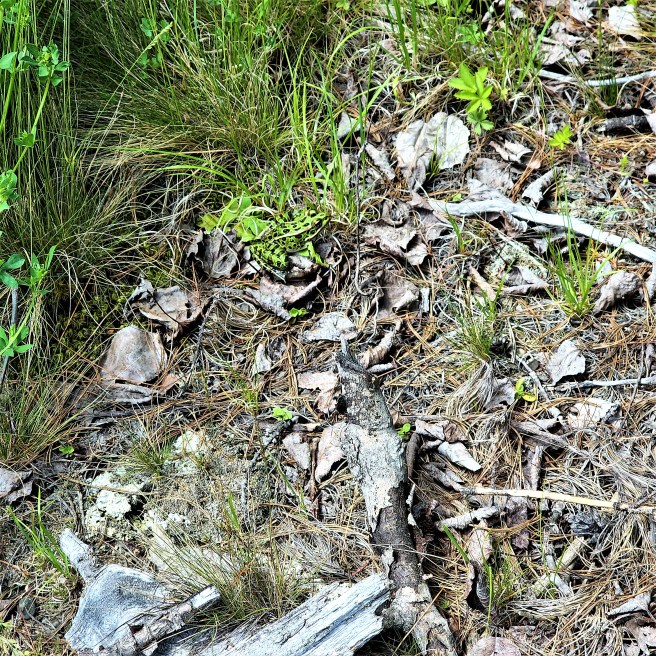
And in context.
You never know what we'll churn up in cleaning a stall
Up close.
And in context.
Maybe you’ve heard of it, the place of the world’s most extreme tides, up to 53 feet every six or so hours, meaning about six feet hourly on average or up to 12-plus in certain time windows.
If you swim, you know that’s way over your head.
So here’s a little perspective.

Florida as a place of limbo
Call it a serendipitous trip.
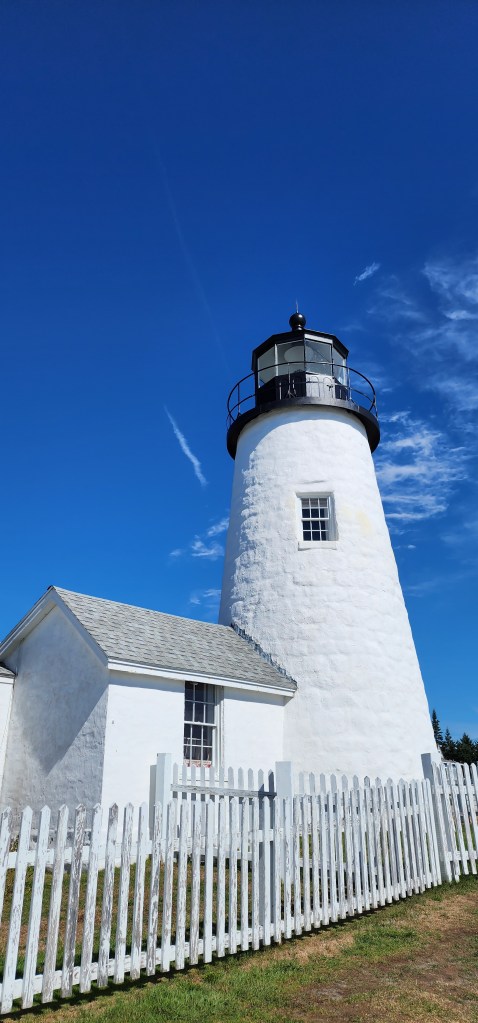
My stopping off at the Colonial Pemaquid historical site in Maine during a weekend at the Common Ground Country Fair last year was an impromptu decision. I’d made a side trip to visit the iconic lighthouse down on Pemaquid Point in midcoast Maine and saw a roadside sign and thought, what the heck, on my drive back.
After all, the settlement had some connections to early Dover, as I note in my new book, but simply setting foot there gave me a more substantial sense of the place than as a footnote vaguely out there somewhere up the coastline.
At first, the state-managed site appears rather modest. Its small museum and nearby seafood restaurant were both closed, this being the shoulder season. But nosing around revealed much, much more, as I’ll explain here and in some upcoming posts.
It was settled by West Country fishermen, like those who were pivotal in early Dover, shortly after Edward Hilton and Thomas Roberts set up shop along the Piscataqua, so they would have shared a common culture. Notably, both sites were established before the great Puritan migration into Massachusetts Bay, bringing a much different English culture into New England.
Unlike Dover, the Pemaquid village was destroyed repeatedly in attacks from the French and their Native allies in the decades from King Phillip’s war on.
In short, English settlement was erased from Maine all the way down to Wells and York, close to Dover. I have to admit that caused me to give lesser attention to settlement much to the east of the Piscataqua River.
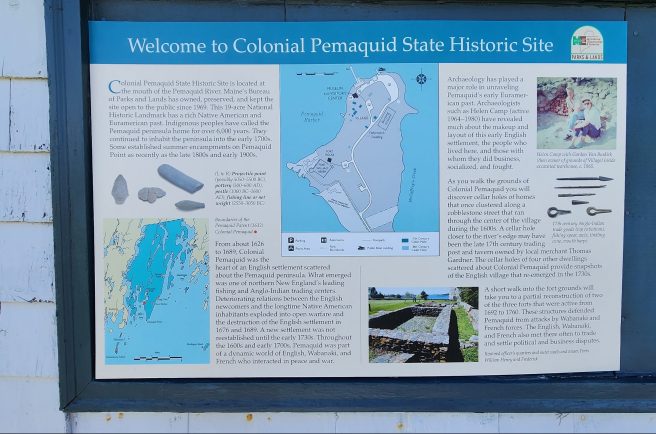
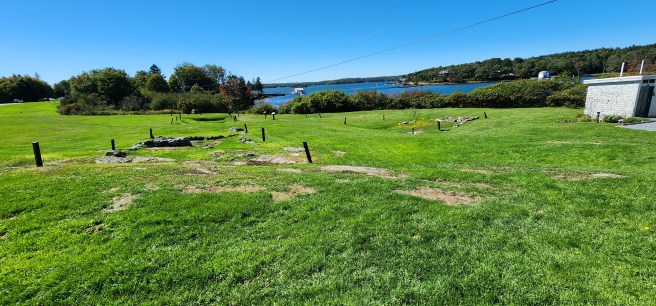
Still, the Pemaquid site, now in the town of Bristol, was left relatively undisturbed after the late 1700s. In the 1990s, though, extensive archeological excavations determined the shape of the village and a gave a clearer understanding of its economy and lifestyle. Today, the stone foundations and interpretative signage present some of their findings.
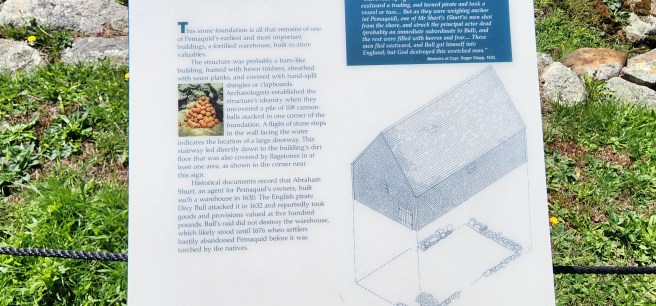
In those, as I’m excited to see, I got a clearer sense of how early Dover may have also emerged along High Street – today’s Dover Point Road.

SUNDAY A.M., THE TERRORIST while I hide in the little room.
A parade passes, then the Mercedes.
Two houses: furnace spewing water, boiling water in one.
I can’t find the key to the other house, where I would turn it off – am I naked? See, I’m barefoot.
At a Confederate officers’ banquet, toasting and dancing, cheek to cheek, a broken leg.
Now I’m painting – vault.
“Surrender!”
Scratched up concrete and brick patterns of floor and walls, ceilings, then the people – children at play, etc. – a public space, now viewed from above.
Am getting ready to serve the Daily Student as executive sports editor – or my dorm room, where I arrived early – no room for my roomies.
A lost hymnal with a hot concert pianist (but he’s not religious!). Kitchen table.
My sister, flowers or a meal.
DEER JOSTLING IN THE NIGHT WOODS as I gather stones in a pool of street light to pot bulbs to force open in mid-winter.
THE PANIC WHEN I SAY it’s never going to happen – the Children. Then marriage.
(In the gut, when I whisper.)
Just what the hell is Self-Realization, Swami Jnana?
While attempting to clasp objects, I am annoyed to find there are long thin strands of hair in the way. They’re growing from my palm and tangling in the object. It’s more a sensation of something awry, actually.
I HEAD AN ARMY UNIT AND have a young spoiled recruit or draftee who won’t accept discipline or follow orders. He soon has his attorney accompanying him everywhere. “Shut up!” and he keeps talking.
AT THE SCENE OF A PLANE CRASH – helping with the body bags (curiously like valet bags).
A CORNER OF THE CHIMNEY IS GONE, chomped away by a flying creature. The house itself is a huge flaking gray monster with two heads and forty paws. From the compound eye of its center stare forty children, each in some awe, while seventy-five toddlers weave in and out of the mouth.
I’m caught without a future and the past she has retracted. So this is the present?
I RECEIVE AN OFFER FOR A MASSAGE … from a male therapist. I hedge, but he promises it will be the best I’ve ever received. He uses both hands simultaneously, the thumbs like motorized screwdrivers. Incredible!
DOORBELL RINGING. I wake, realize it’s not the sound of my doorbell here.

I’ve been posting a lot about Eastport and nearby scenes but said little to date about the neighboring communities here in Way Downeast Maine.
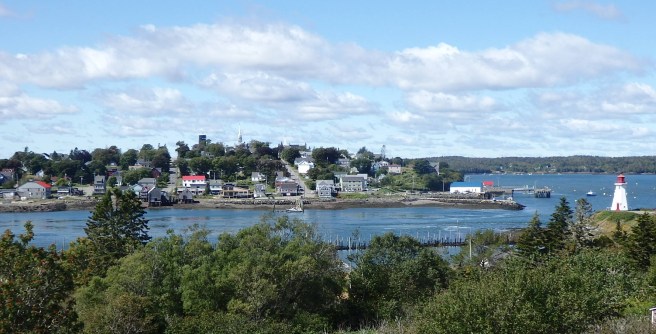
So today I’ll turn the spotlight to a town to our south, one we easily see from the Breakwater and other points in Eastport. It also sits across the water to our west. Despite the proximity, driving between the two takes nearly an hour.
~*~
Here are a few additional facts.


 Jnana's Red Barn