The train station, perched at the side of downtown Haverhill, Massachusetts, includes Amtrak’s Downeaster service to North Station in Boston, in one direction, and Maine in the other. (That run stops in Dover, New Hampshire.) There’s also MBTA’s Purple Line into Boston.
New England’s waterways are dotted with historic mill towns. The Merrimack River alone could boast of the water-powered industrial centers of Manchester and Nashua in New Hampshire as well as Lowell, Lawrence, Haverhill, and Amesbury downstream in Massachusetts, along with Newburyport and its harbor.
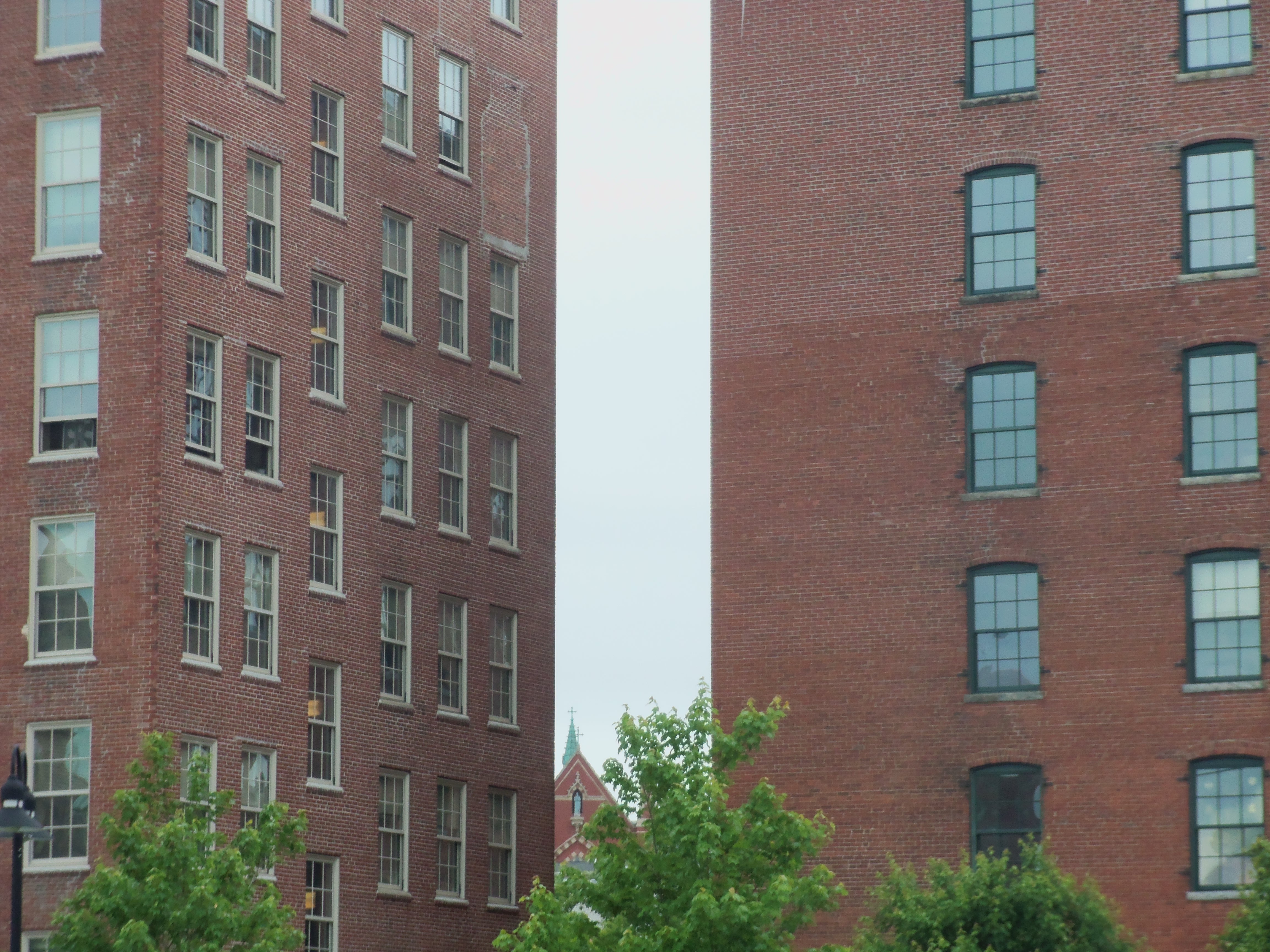
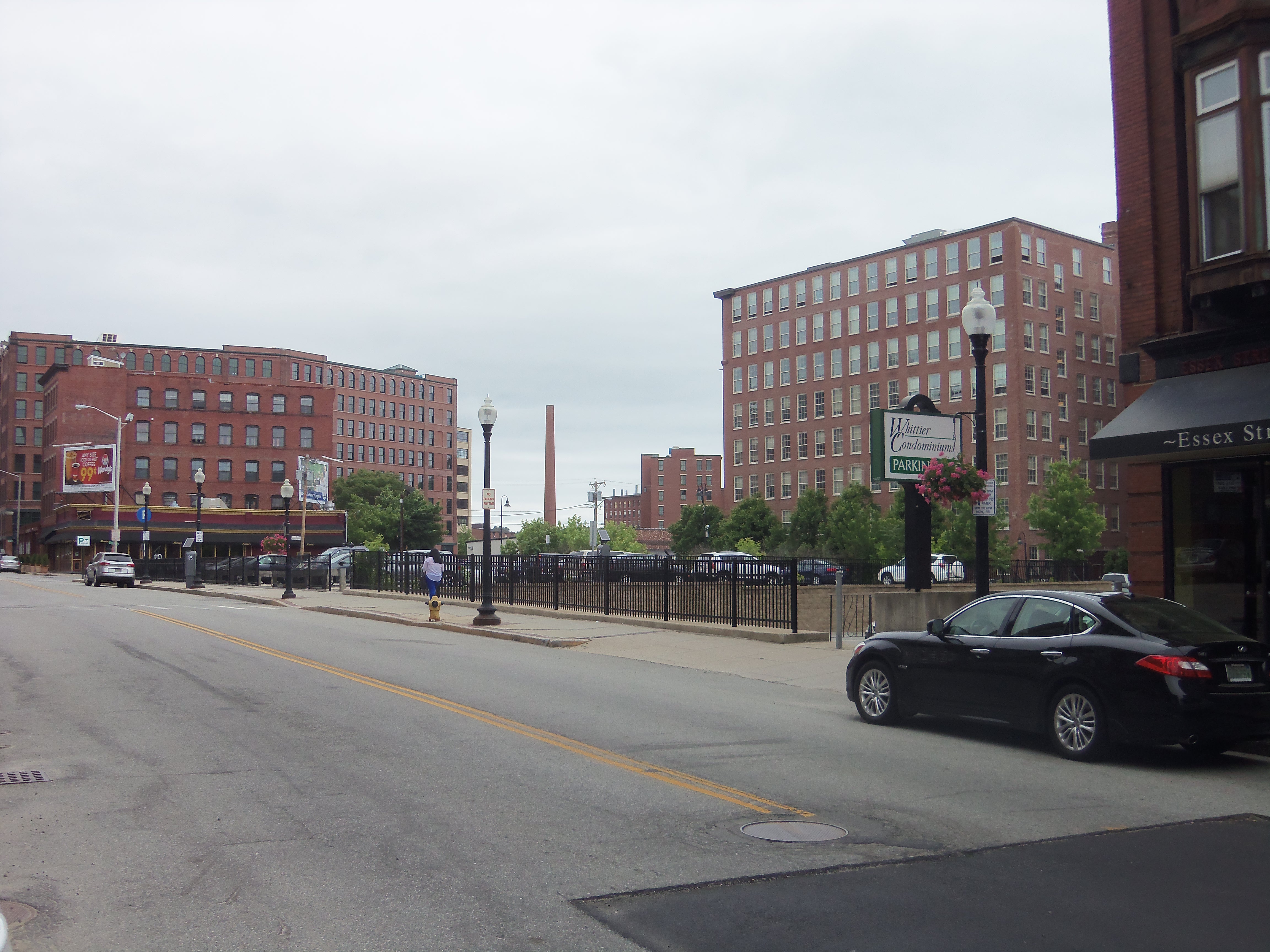
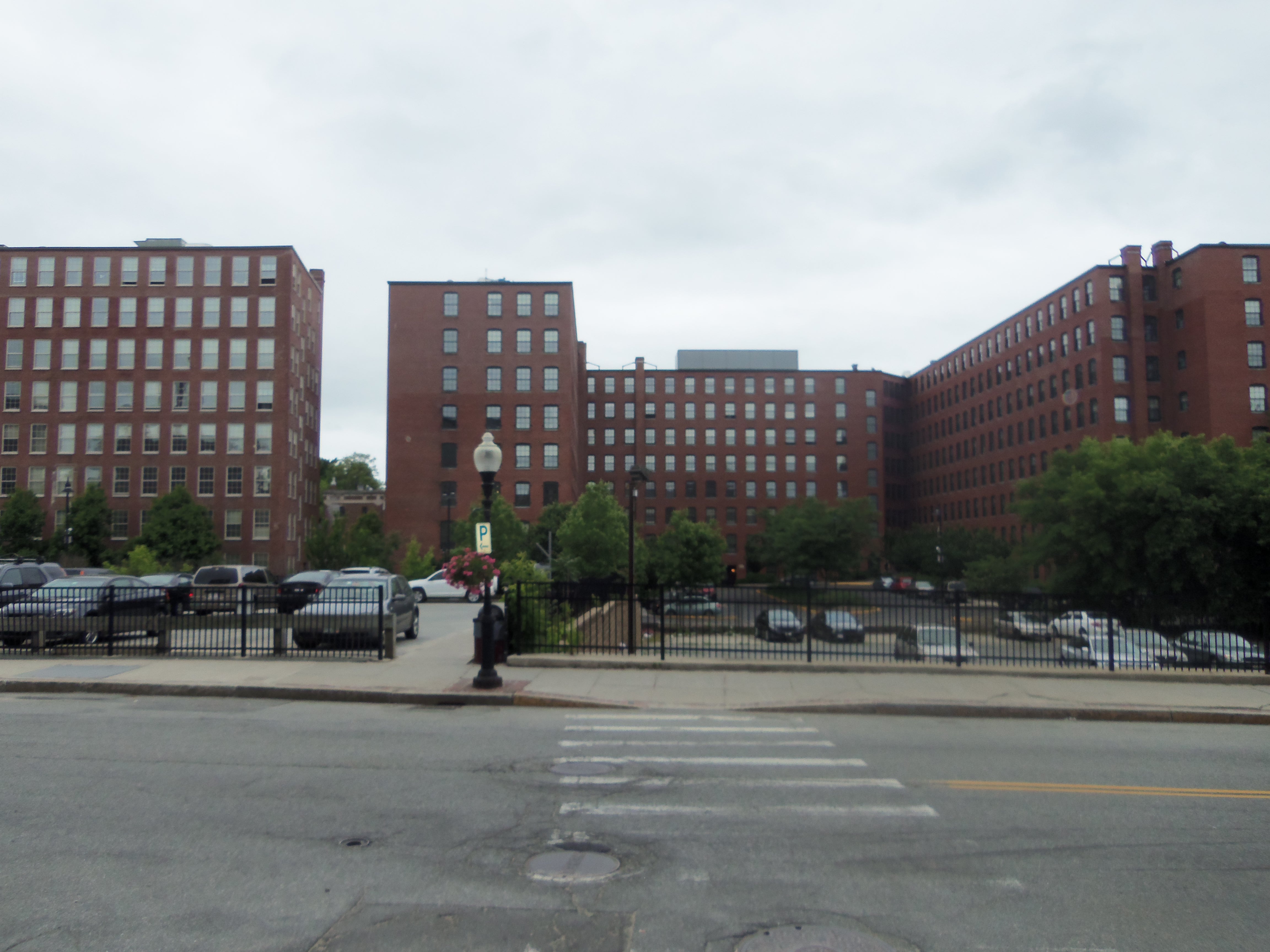
Some of Haverhill’s warren of old mills remains, including buildings converted to offices and housing.Catch the view of the distant church in the gap.Much has also been razed, often for parking lots.Here’s a bit of scale.
While textiles were the focus of much of New England’s mill output, the power was applied to other products as well. Haverhill, for instance, emerged as a center of shoemaking, by 1913 producing one of every 10 pairs in America and earning it a whimsical nickname of Queen Slipper City. Its earlier commerce rested on woolen mills, tanneries, shipping, and shipbuilding.
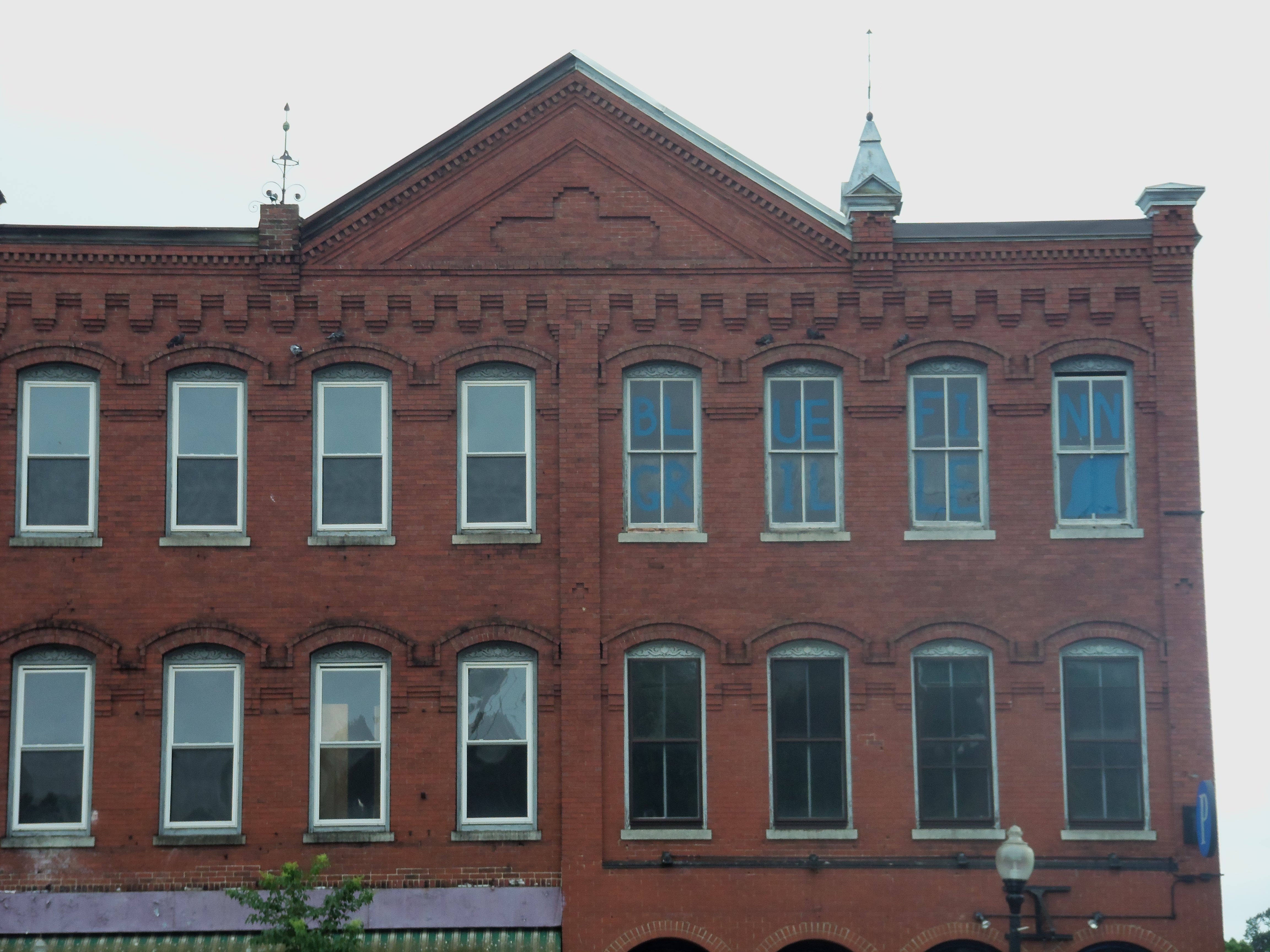
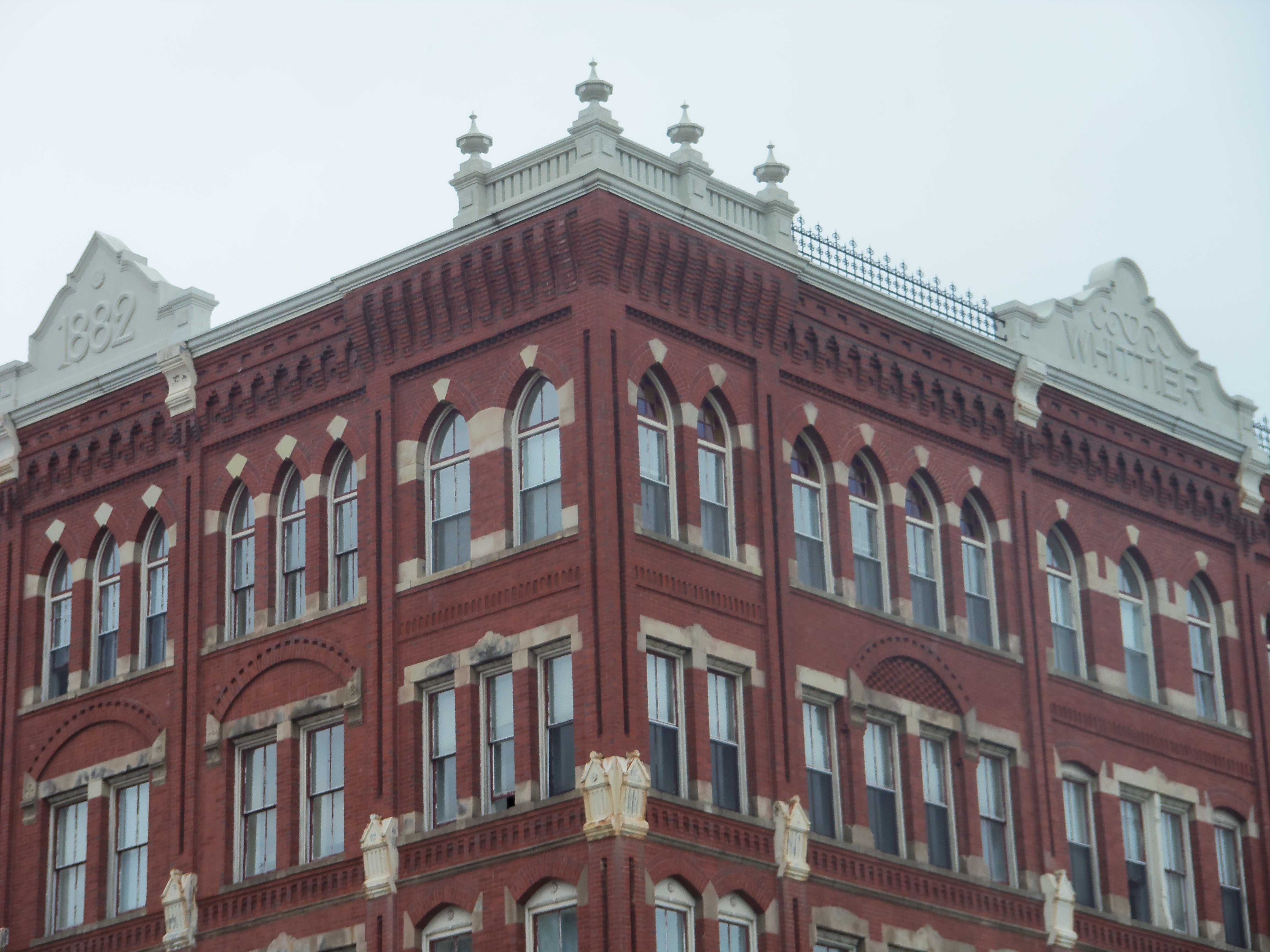
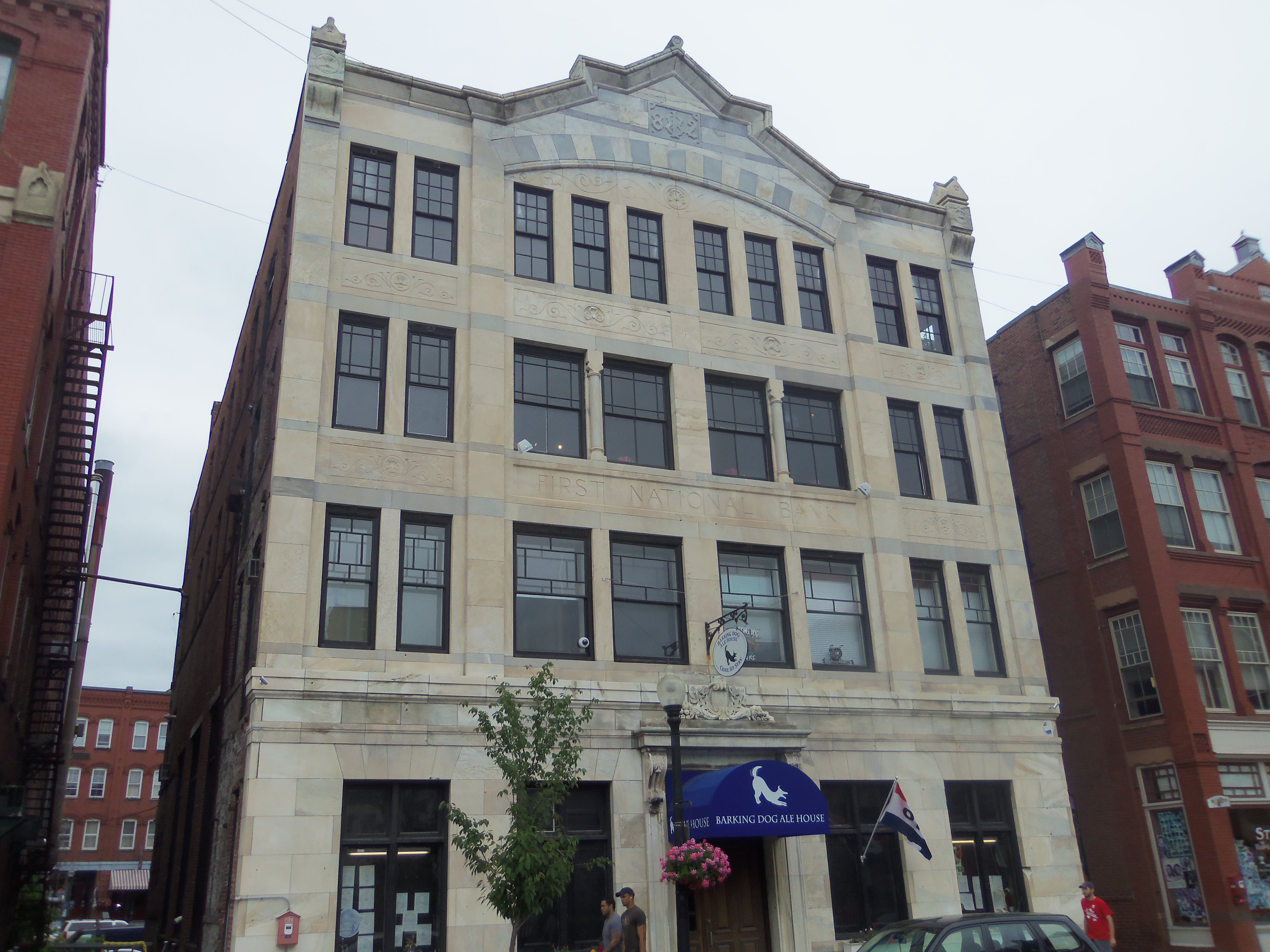
Downtown details.Still impressive.In those days, every building could be a “block.”Facing the train station, a reflection of earlier prosperity.Down the street, around the corner.Not everything was brick.
Like many of these once industrial centers, the city has been struggling to adapt to new directions and refit its legacy of old structures.
By the way, in Yankee style, it’s pronounced HAY-vril and is today a city of 60,000. But the river still runs through it.
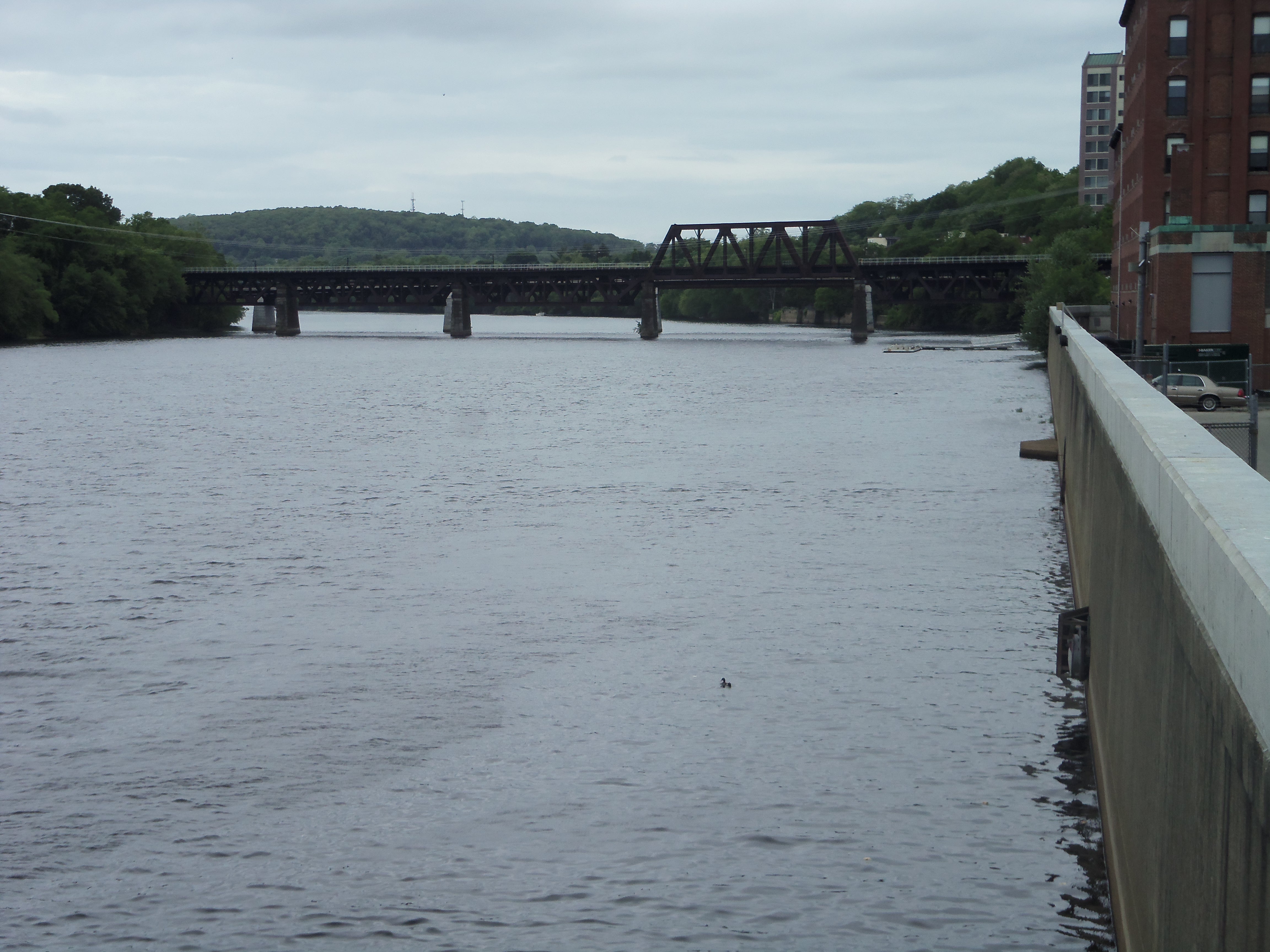
The river flows toward the Atlantic. The tides fluctuate widely here twice a day.The railroad crosses from downtown and then follows the river upstream to Lawrence. It’s a lovely ride.






 Jnana's Red Barn
I love seeing New England towns and cities reinvent themselves while holding on to their past character. Great post and lovely tour.