
4 what?
You never know what we'll churn up in cleaning a stall



When I lived in Yakima, Washington – like Joshua and Jaya in my new novel, Nearly Canaan – Mount Rainier was practically in our backyard, metaphorically, at least, and I got to explore it repeatedly, in all seasons. In addition, I camped in the Olympics and North Cascades national parks and visited Crater Lake in Oregon. I had already camped as a kid in the Great Smokies and at Mammoth Cave and have since probed the Everglades. I can attest that Acadia and the Cape Cod parks in Provincetown are prime New England. And Cuyahoga in Ohio was just to the west of a town where I lived and worked for four years after leaving the Pacific Northwest. Gateway Arch in St. Louis is another? Gee, this list of parks I’ve visited keeps growing.
Still, there’s a lot of stunning choices in the system I have yet to explore.
How many items are required for a bucket list, anyway? Ten or 20? Well, this is in my Tendrils category, so that settles it. These are all United States parks, by the way – an international list will have to wait.
Here goes.
~*~
What’s on yours?

When it comes to jazz, I have to confess a bias toward instrumental – piano, especially. It probably has a lot to do with the abstraction into emotions that so attracts me to classical music.
My wife and daughters, on the other hand, prefer vocals. They’re all more word-oriented than me, the writer.
What gives?


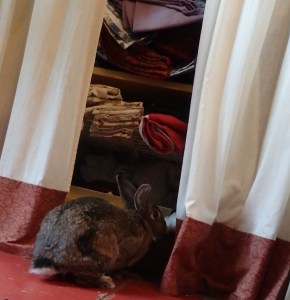
We let our bunnies run free on the first floor during the day. They love to explore, as Pepper is here, but they also love just hanging out in their favorite spots.
Its first-in-the-nation presidential primary has the Live-Free-or-Die state in the headlines these days. We want to meet and evaluate them all. It ain’t always easy.
The state’s presidential primary originated in Town Meeting Day, which is traditionally conducted on the second Tuesday in March each year. Since everybody had already come out for this unique form of grassroots democracy, it made sense to add one more item to the warrant, as the agenda is called, rather than make yet another trip to the town hall. (Besides, being winter, we’d have to heat it.) As other states have tried to jump into the spotlight, the presidential part has moved forward on the calendar. Theirs, though, don’t have organic roots like ours.
Contrary to what some candidates label their appearances, a real Town Meeting is not a political lecture or Q&A opportunity but rather a community session for debating and then voting on local government decisions for the year. Everyone can speak up and be heard. The town and school budgets are major considerations.
Now for some other perspectives on the Granite State:
~*~
Ever been to the Granite State? What can you add to the list?

