NEW ENGLAND ART MUSEUMS

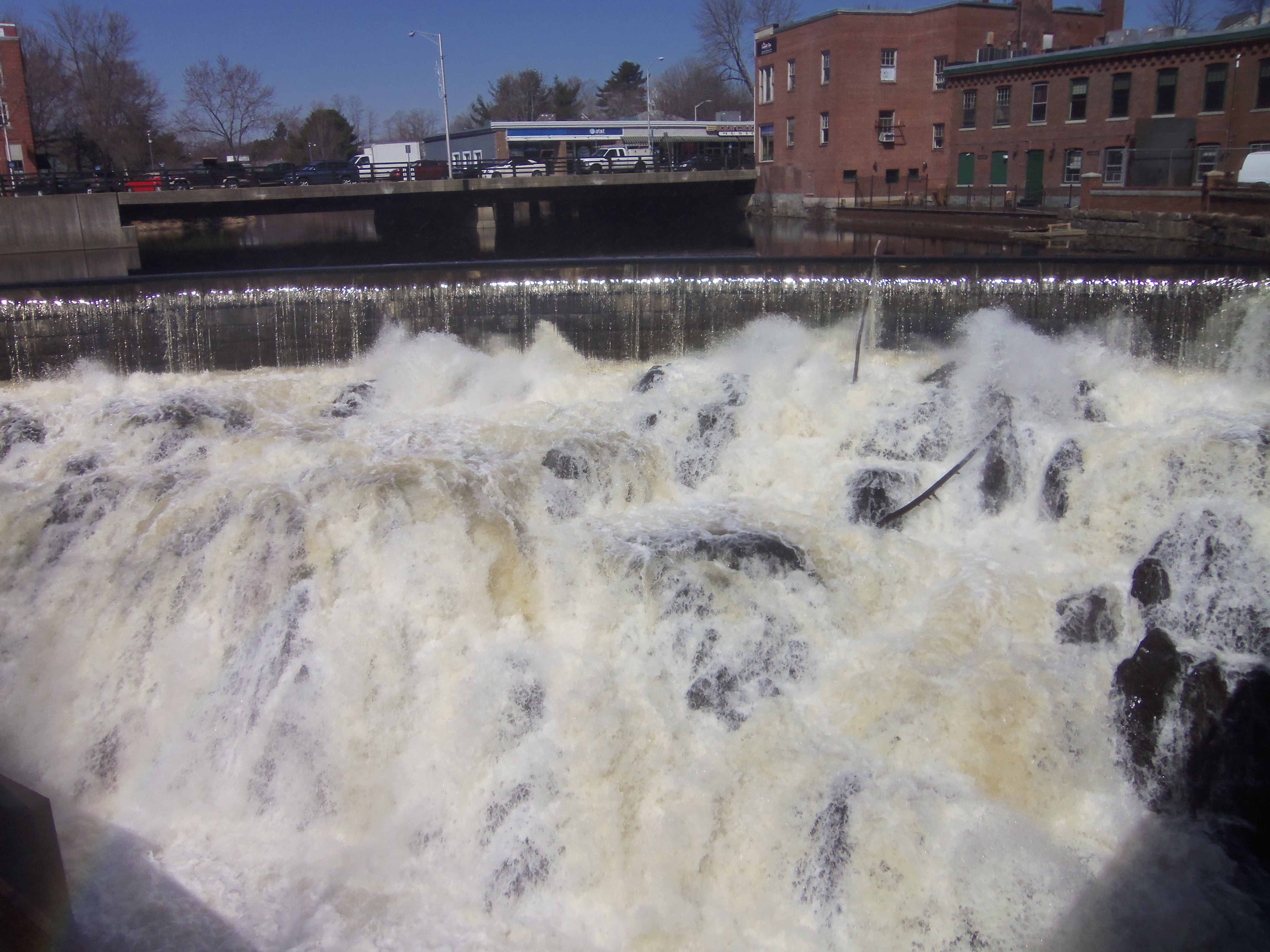
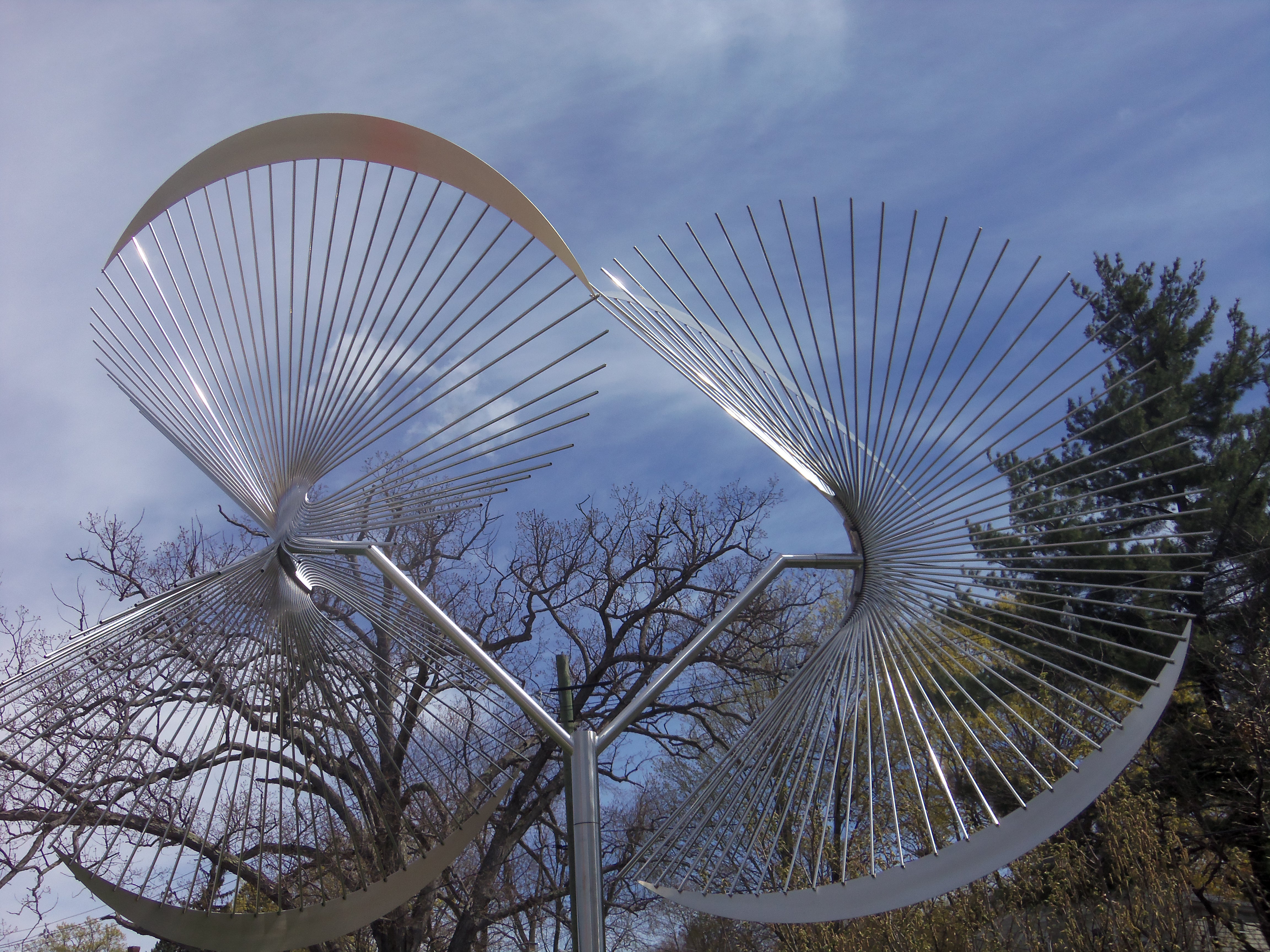
A fitting fanfare as a welcome in Manchester. It moves in the wind.

Growing up in the American Midwest, I had the impression that New England was, well, uniformly cultured. Moving here at the end of the roundabout route that emerged, however, I was surprised to discover how unevenly that Culture was distributed. It was essentially centered in Boston. Or more specifically, Huntington Avenue in the city’s Back Bay neighborhood, in the Theater District, Museum of Fine Arts Boston, and Symphony Hall, plus Harvard Square in Cambridge across the Charles River.

For perspective, New England has only one major-league professional orchestra, the Boston Symphony, compared to eight in the Midwest – Cleveland, Cincinnati, Detroit, Chicago, St. Louis, Kansas City, Milwaukee, and Minneapolis. (Well, maybe seven these days, after the disastrous events in the Twin Cities.)

The underlying reason, I’ve sensed, arises in the historic ownership of New England’s economic base – the textiles mills, especially, along the rivers and streams – by the fabled Boston Brahmins. In other words, while New England’s products sold around the globe, the profits flowed into Proper Bostonians’ mansions, and these, in turn, endowed the great cultural institutions.

*   *   *
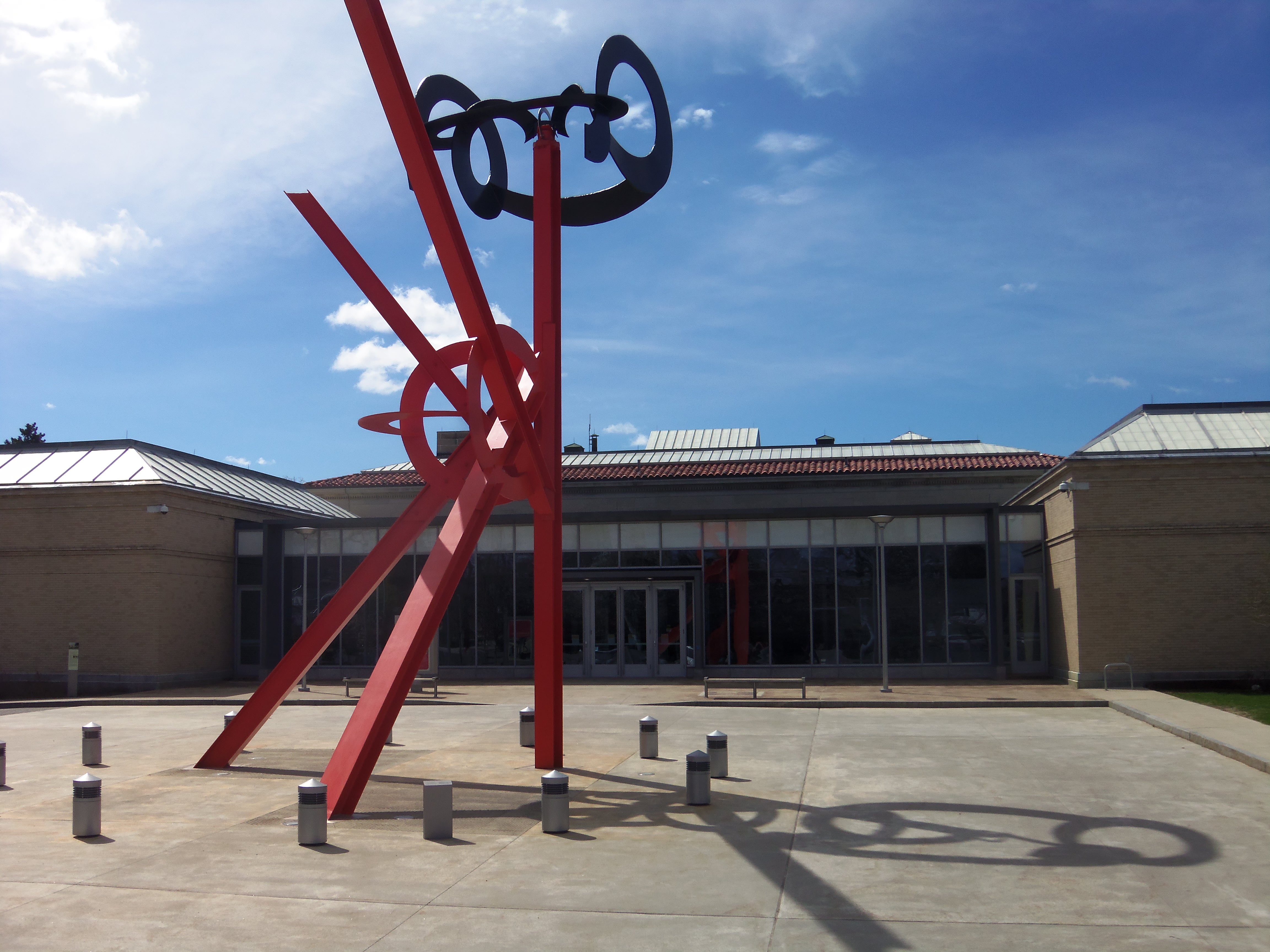
The Currier Museum of Art in Manchester, New Hampshire.

The region’s art museums, on the other hand, provide another slant on this legacy. I’ll argue that the largest, wealthiest galleries are not always the most exciting; when it comes to art collections, quality is often based on the gifts of a few insightful, daring donors. Since we frequently visit museums when we travel – and art museums, especially – here’s an overview of what we’ve found. Admittedly, we’ve missed some.

  • Museum of Fine Arts Boston: The Grand Dame comes with a stiff admission fee and all the air of a leading museum, and her strengths are impressive, indeed, especially in Impressionist painting and Asian artifacts. But there are also some glaring gaps, especially in Old Masters. The new American Wing has at least brought one shortage up to snuff.
  • Isabella Stewart Gardiner Museum, Boston: A block away from the MFA, Isabella’s quirky “playhouse” on the Fenway is one you either love or hate. With its galleries circling an impressive indoor garden, her idiosyncratic assemblage is displayed exactly as her will demanded; undisputed masterworks are left hanging between many third-rate paintings, detracting from the experience. Still, the egotism, pro and con, remains staggering.
  • Worcester Art Museum: Considering the current economic condition of New England’s second-largest city, the collection comes as a delightful, comprehensive surprise. From its powerful pre-Columbian gallery on the top floor through the Americans and the Old Masters below, visitors will find themselves richly rewarded. One small room featuring New England’s Childe Hassam and Edmund Tarbell is both confident and moving, an example of the wise presentation throughout.
  • The Wadsworth Atheneum, Hartford: The glory here is the large collection of American Illuminist paintings (a term I prefer to the Hudson River School), but the routing through the rest of the otherwise impressive collection becomes jolting. We are not led smoothly around, but rather thrown from dark Colonial rooms into brilliant Modernist department-store presentation and then back into dark caverns again. Senselessly disturbing.
  • Peabody-Essex Museum, Salem: Originating in the “cabinets of curiosities” ship captains were expect to bring back for display in their hometowns, this institution’s transformation into a vital force is a model of building upon a clearly defined mission. Recognizing Salem’s role as a principal port in historic China sea trade, the collection focuses on Asian art (both the works manufactured for export and works intended for native use) and on the region’s seafaring riches. I love the bowsprits and captain’s logs as much as the Korean and Japanese galleries. Many of the special exhibits have been incredible. Surprisingly, it claims to be among the 20 largest art museums in the country, based on its holdings.
  • Currier Art Museum, Manchester, New Hampshire: Here’s a moderate-size museum that has a wonderful sampling of art history, some renowned pieces from the 20th century, and justifiable pride in the Granite State’s own artists and traditions. Well worth revisiting.
  • Portland Museum of Art, Maine: Its Impressionist collection is a major coup. New York wept when the key donations were announced. Need we say more?
  • Farnsworth Art Museum, Rockland, Maine: Quite the surprise in a small working-harbor town on Penobscot Bay. Lively works of our own time, with a focus on Maine … and not just the Wyeths. Alex Katz, for instance, has helped the collection make some impressive purchases. We were delighted by a recent major show of Shaker artifacts, mounted with assistance from the only surviving Shaker colony, the one at Sabbathday Lake in New Gloucester.
  • Ogunquit Art Museum, Maine: This small, seasonal, seaside museum made its way into our hearts with a special exhibit of Edward Hopper paintings that turned out to be made on and around the site.
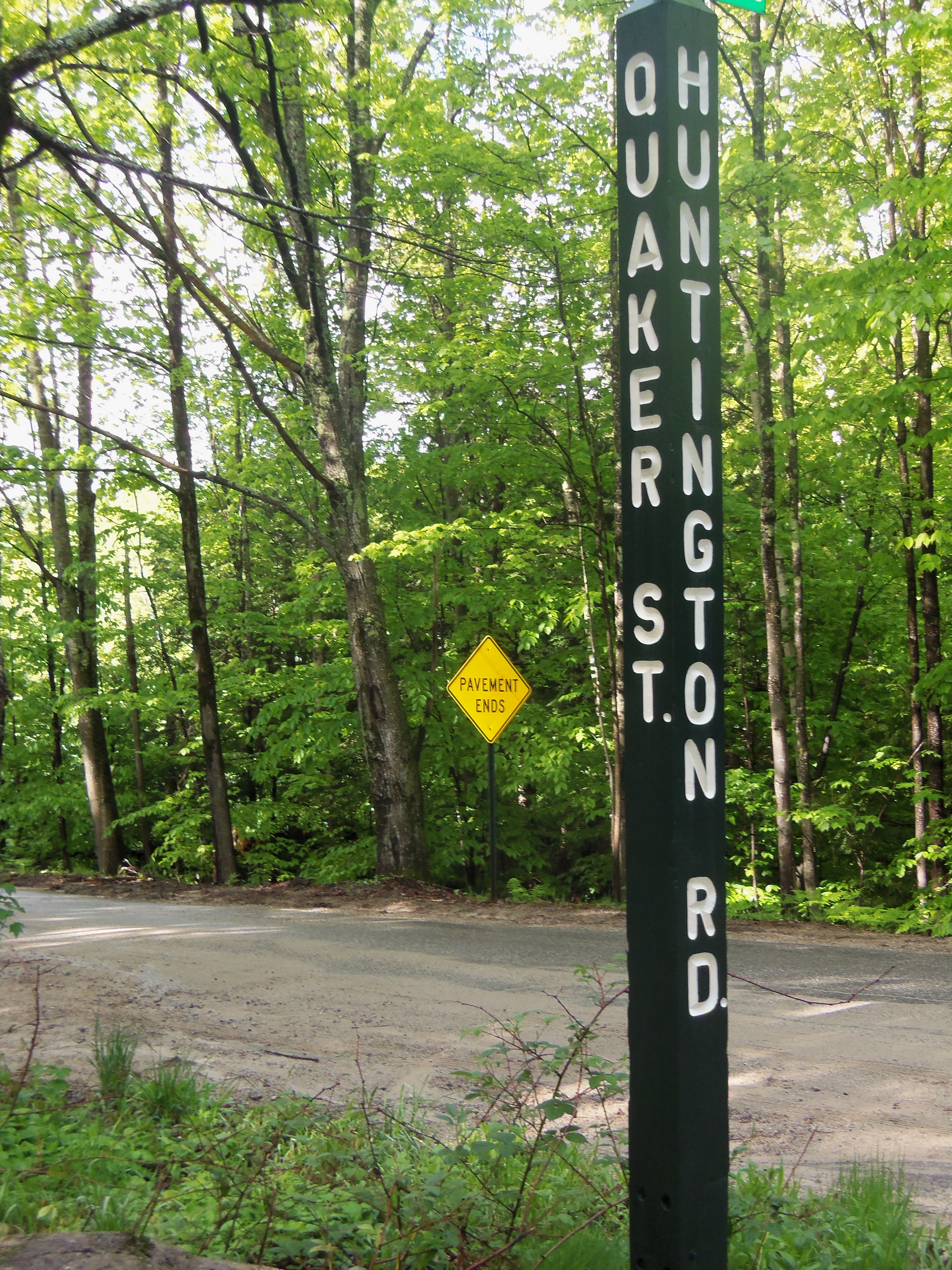
QUAKER STREET

Note the yellow sign, "Pavement ends." It really does feel like a slower place.
Note the yellow sign, “Pavement ends.” It really does feel like a slower place.

Taking its name from an old use of “street” as “neighborhood,” the stretch is also known now as the Quaker District. It’s up in the hills in a remote corner of Henniker, New Hampshire.

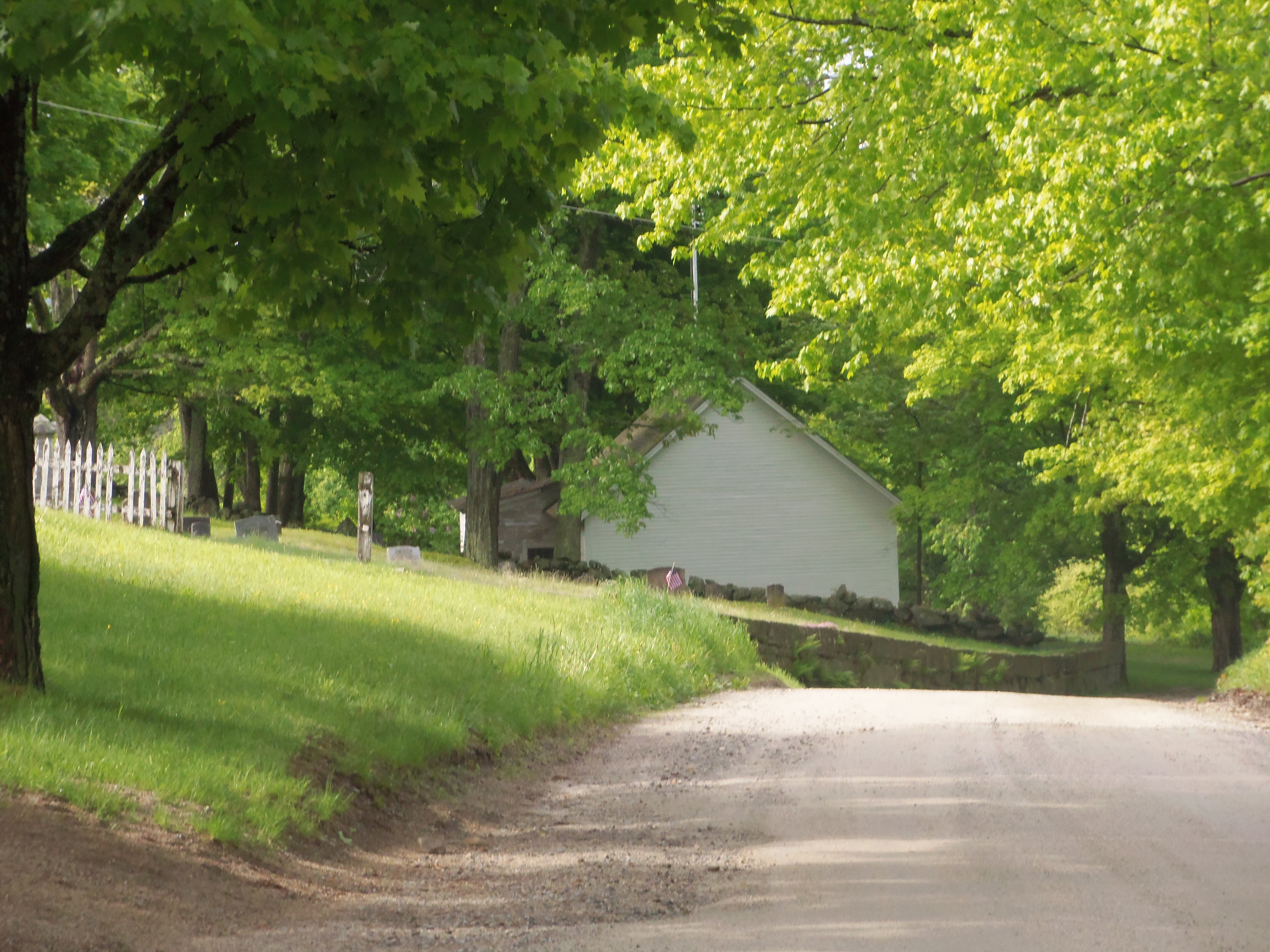
The road approaches the old schoolhouse.
The road passes a small Quaker burial ground next to the old schoolhouse.
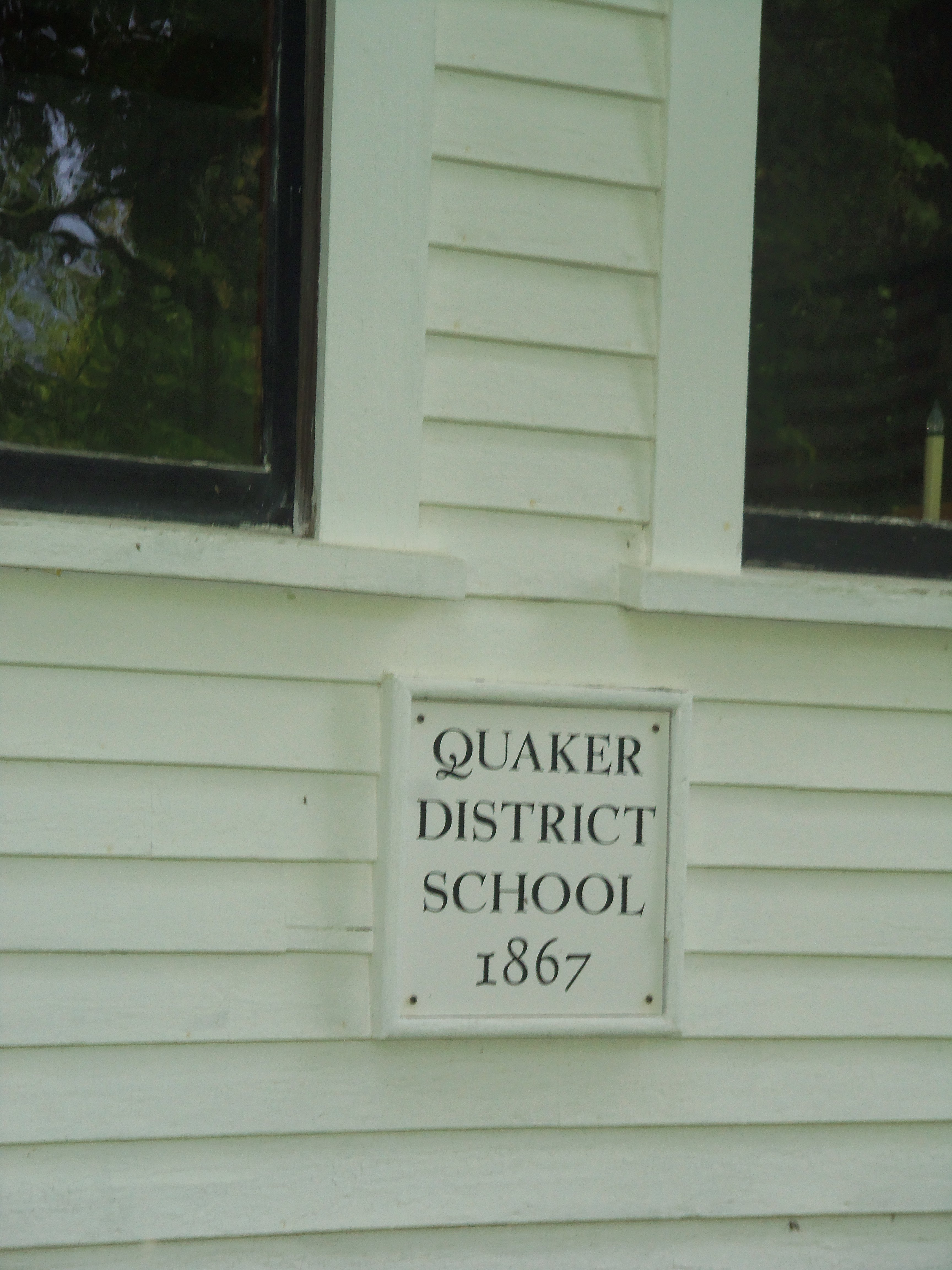
As the sign on the schoolhouse says ...
As the sign on the schoolhouse says …
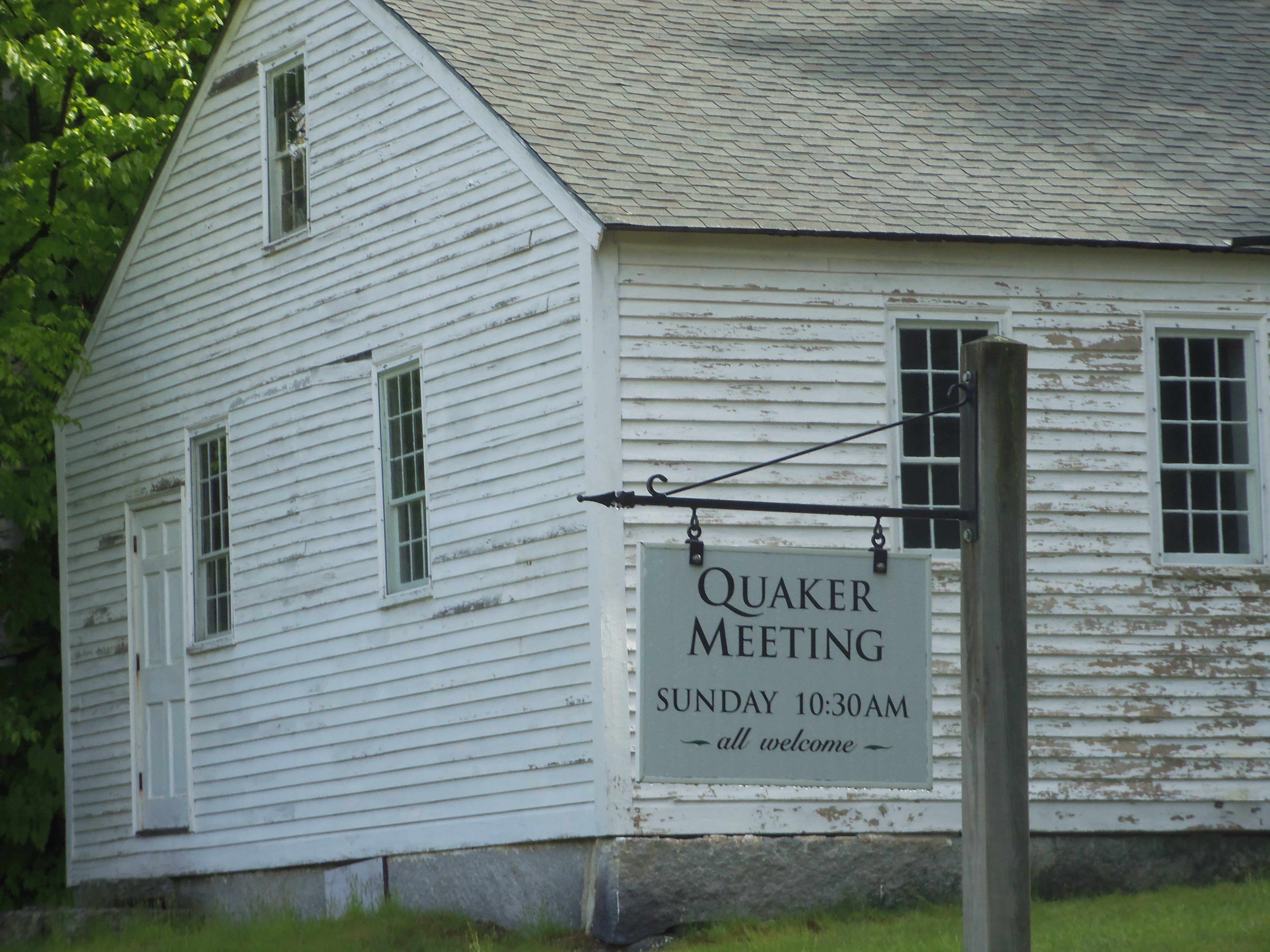
The center of the village was the Friends meetinghouse, which is still in use.
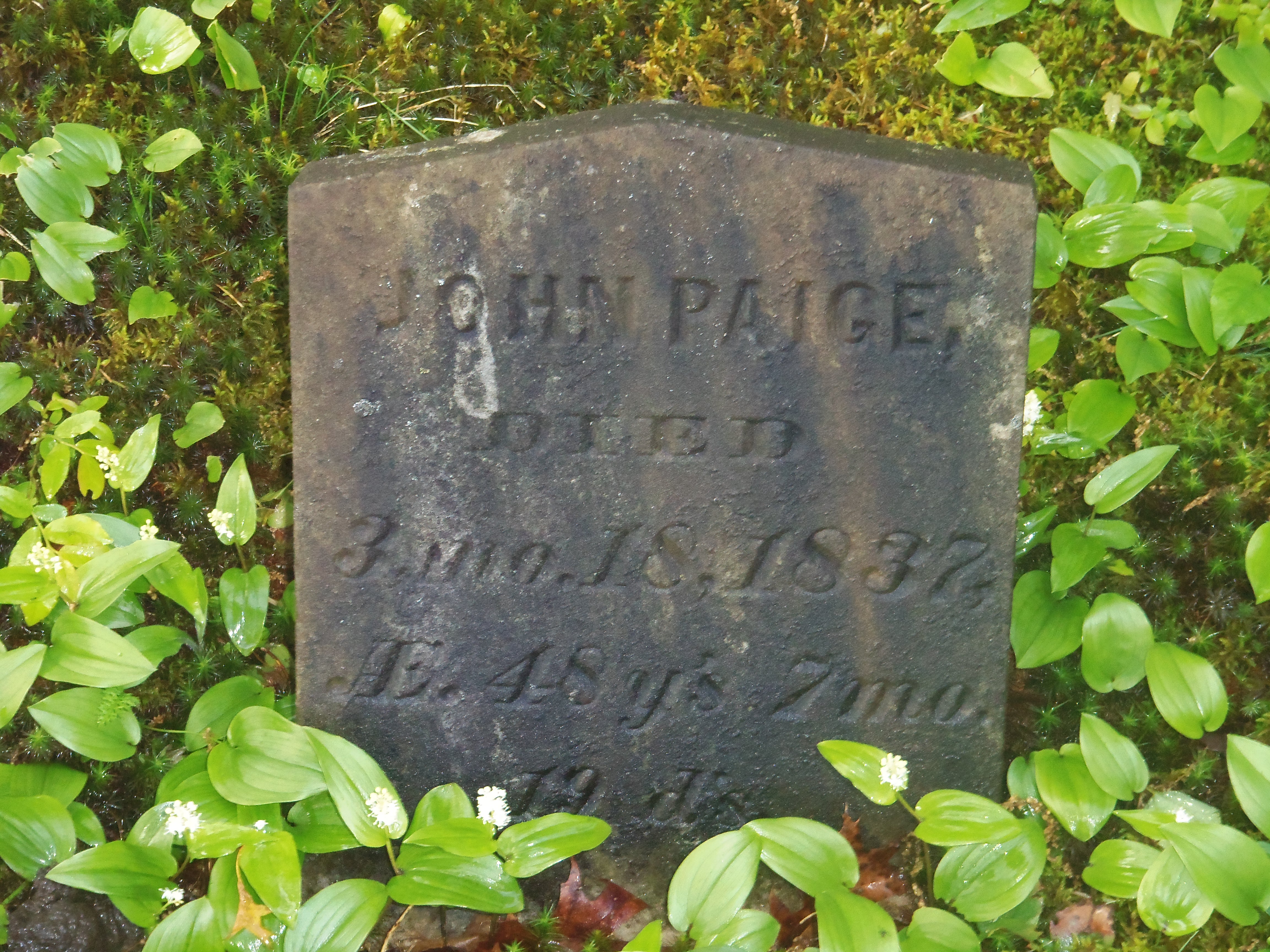
Many headstones in the burial ground use the old Plain dates.
Many headstones in the burial ground use the old Plain dates. The “3rd mo” is Third Month, or March.
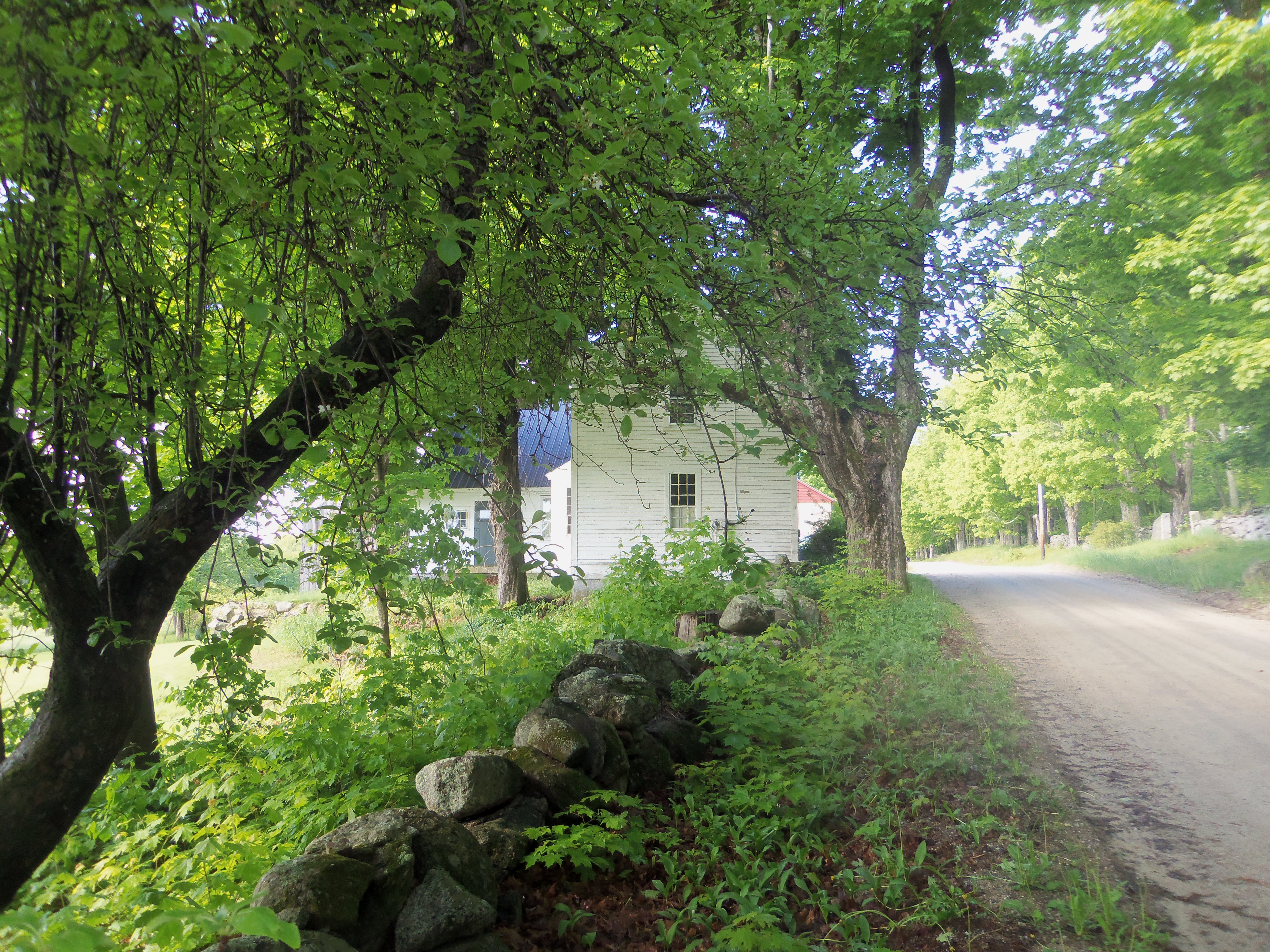
Around the corner.
Around the corner.


CORMORANTS ON THE RIVER

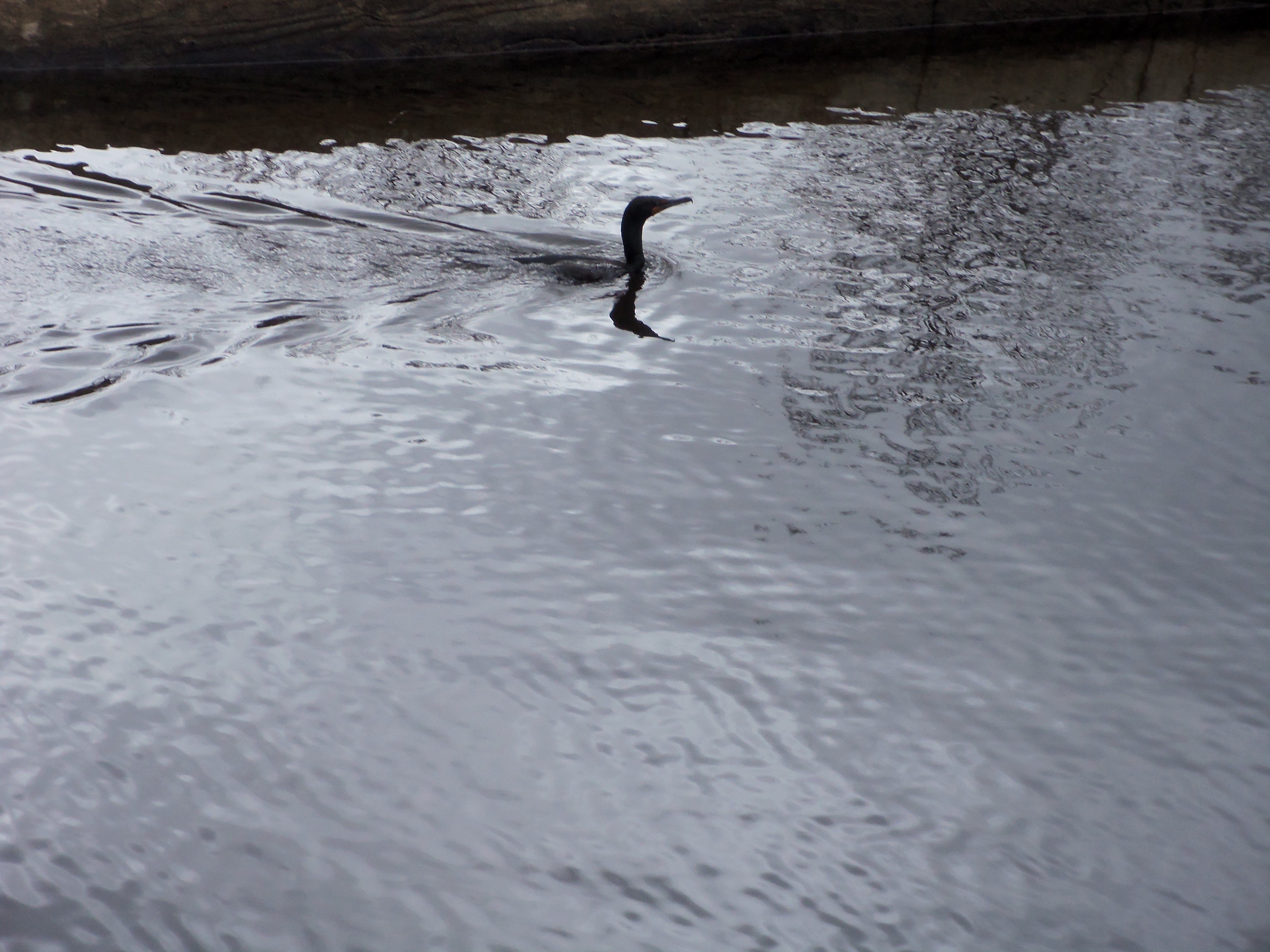
A cormorant cruises along the top of the Cocheco Falls dam in downtown Dover, New Hampshire.
Another watches for migrating fish.
Upstream, another watches for migrating fish.

When the river herring run from the sea into freshwater streams to spawn a new generation, the cormorants tag along, along with a cloud of fishermen.

The herring, which include the alewife variety, are part of New England lore. Look closely here and you’ll see them crowded in under the shade along the river.

River herring rest in a pool along the Charles River in Massachusetts.

GRANITE STATE’S QUEEN CITY

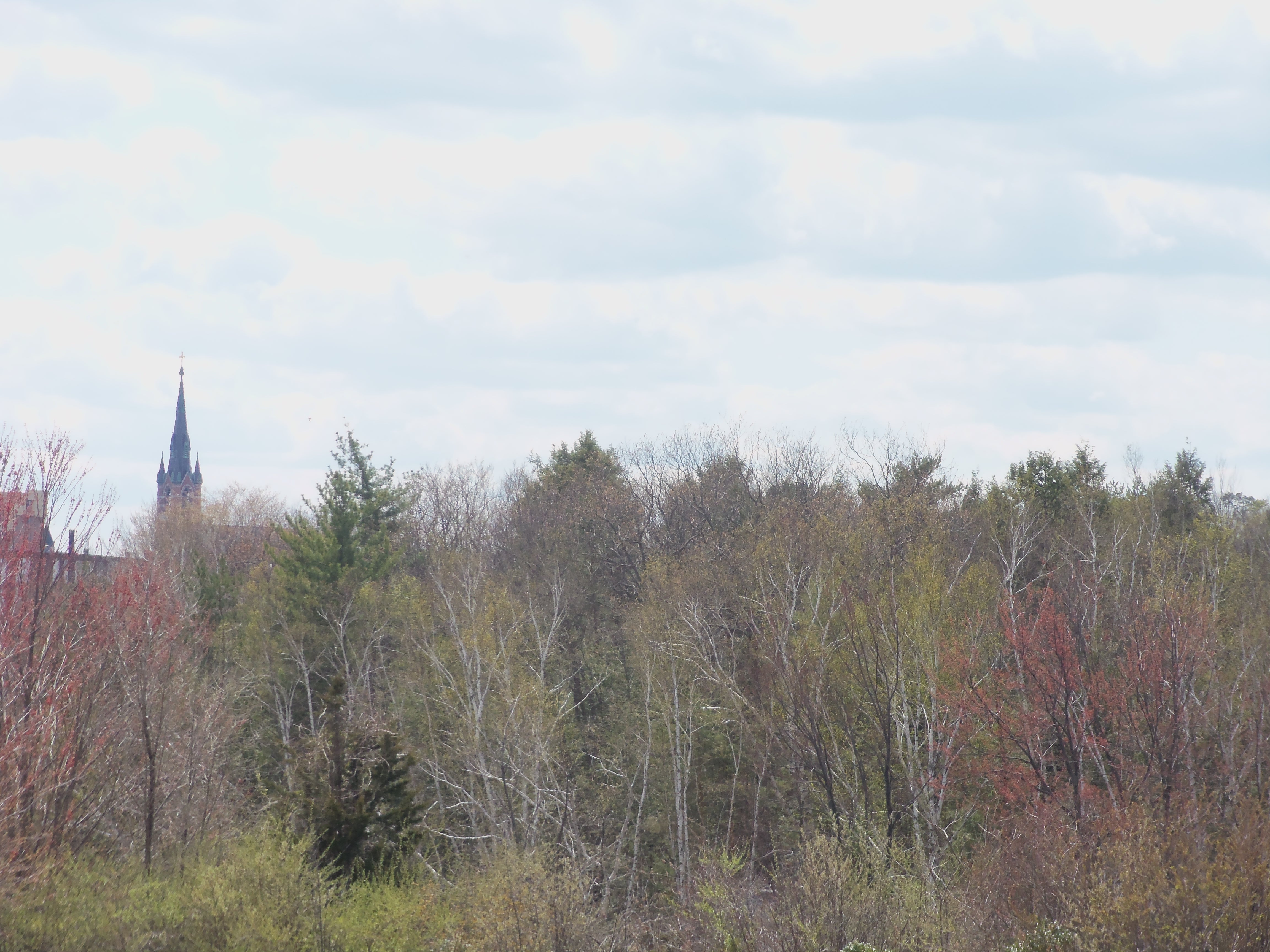
Seen from the falls, Ste. Marie Roman Catholic church crowns Manchester's French-Canadian West Side.
Seen from the falls, Ste. Marie Roman Catholic church crowns Manchester’s French-Canadian West Side.

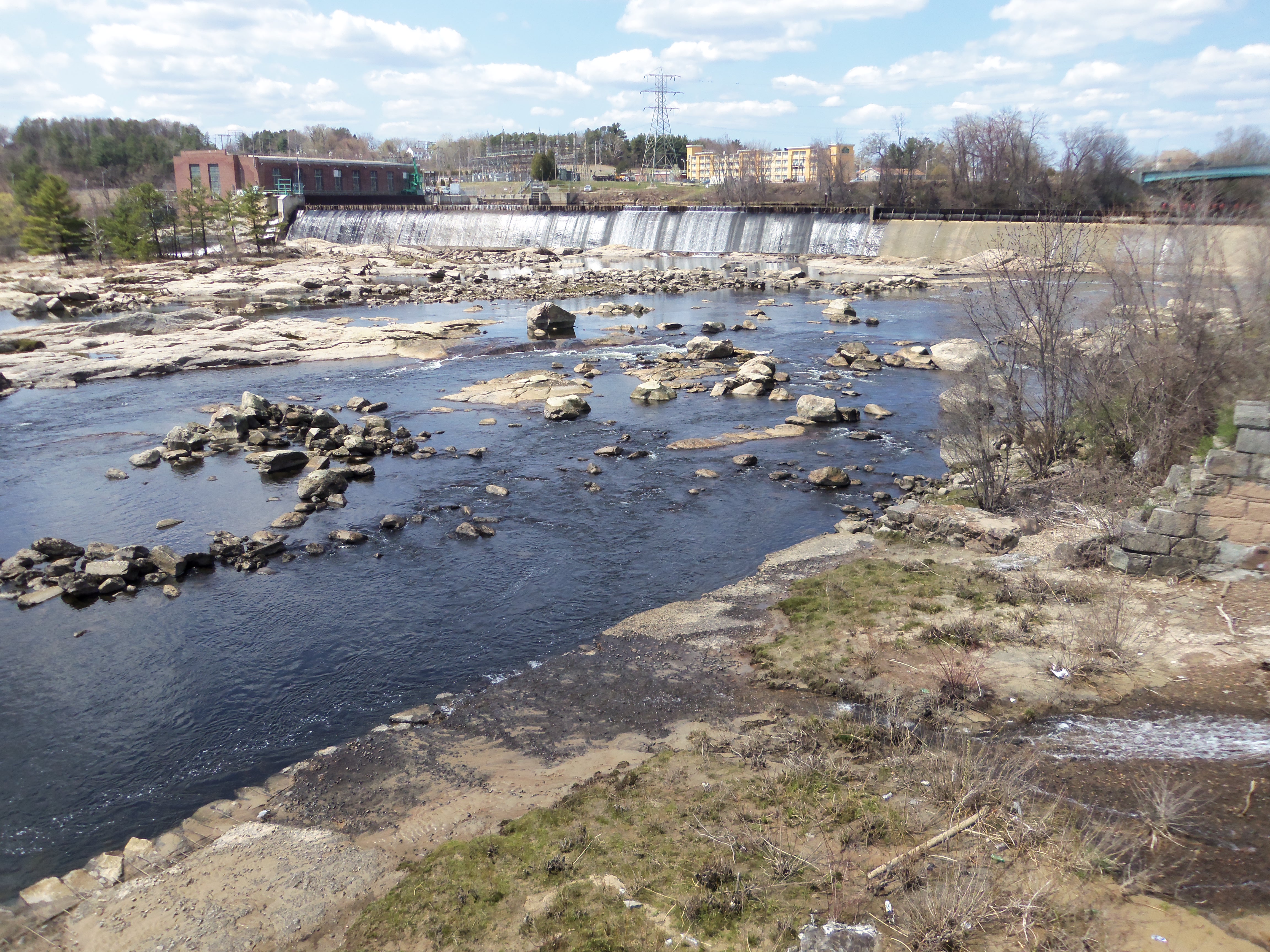
As the largest city in northern New England, Manchester was built on the water power captured at the Amoskeag Falls in the Merrimack River.

The Amoskeag Falls, now submerged behind the dam in the Merrimack River, were the source of the city's industrial power. A hydroelectric dam sits at the left of the photo.
The Amoskeag Falls, now submerged behind the dam in the Merrimack River, were the source of the city’s industrial power. A hydroelectric generating station sits at the left of the photo.
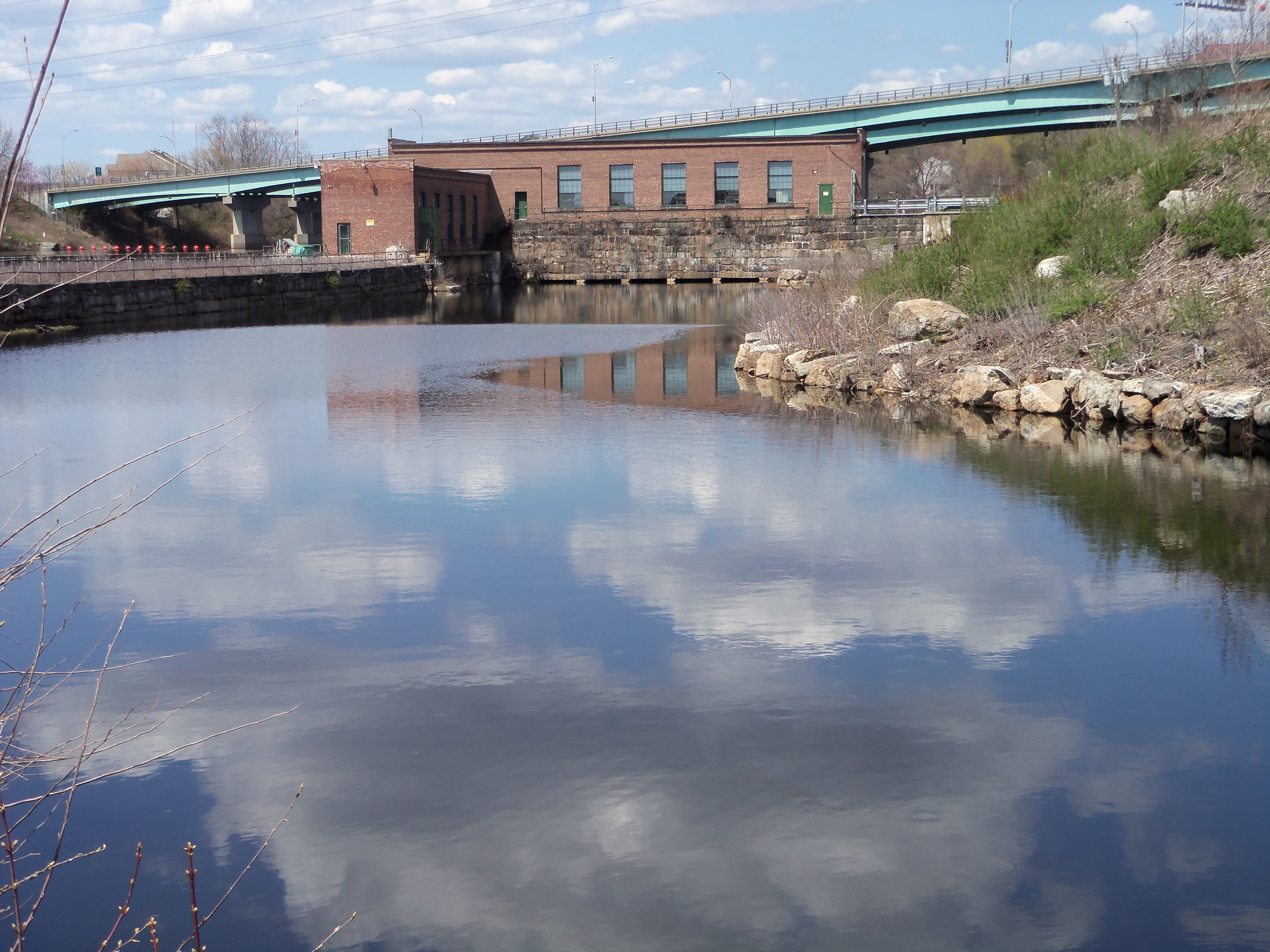
A large complex of mills on the east side of the river was powered by the water channeled through this canal.
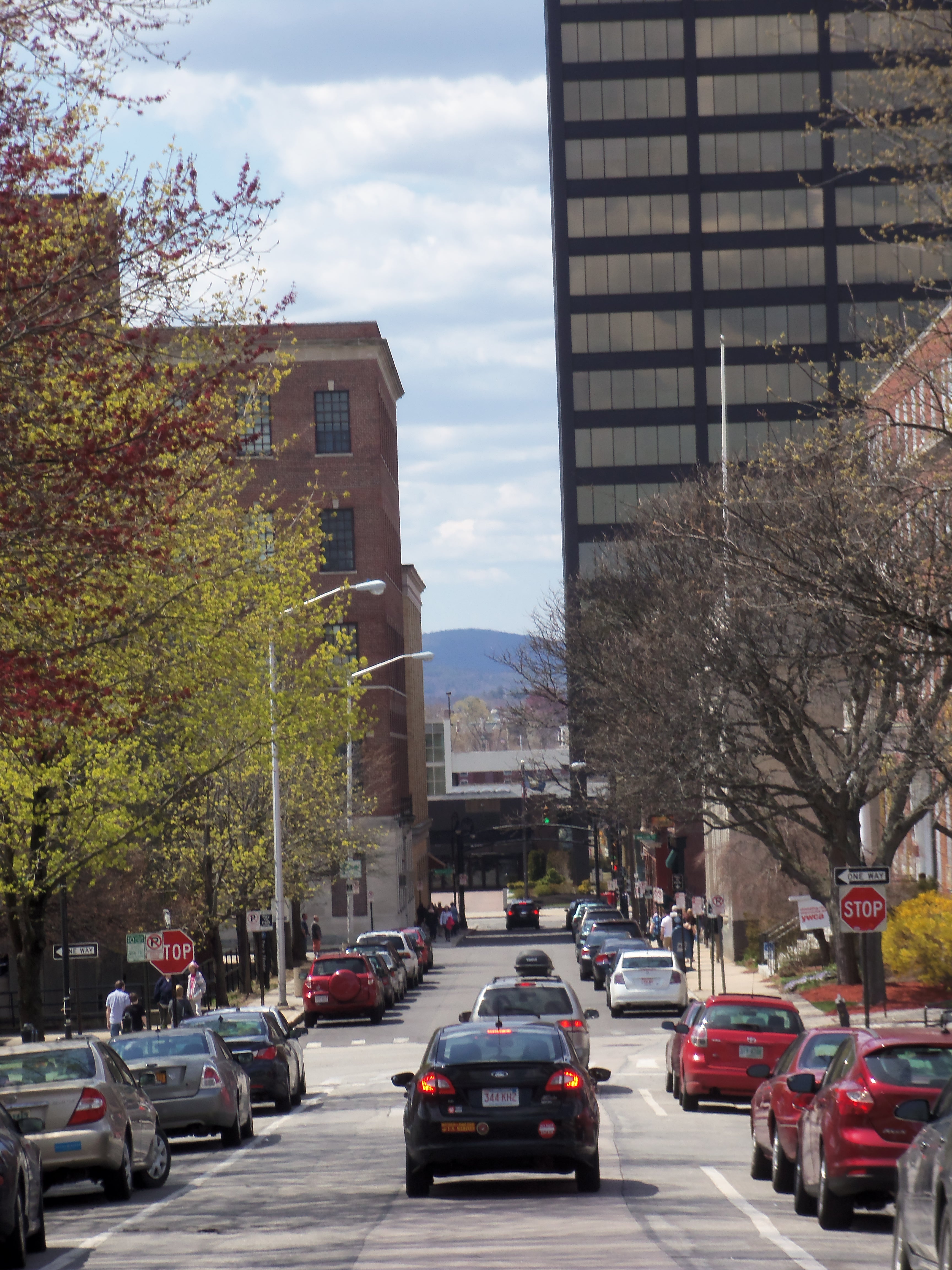
The downtown has undergone a revival. Here's one of the side streets.
The downtown has undergone a revival. Here’s one of the side streets.


LOOKING FOR THOSE LOCAL DISTINCTIONS

As I said at the time …

Greetings again from this old mill town along the Merrimack River.

There is still a special feel to an octavo-size, typeset journal – a unity of design and purpose carried throughout – even in this era of desktop design and photocopy wizardry. A major challenge, whether it’s in shaping a literary journal like yours, a daily newspaper, or even an old-fashioned country dance, is simply: what can we do to make our own locale distinctive?

An example: a few years ago, the New England contradance scene was becoming generic: you’d drive for miles to a village town hall only to find the same faces and same pieces you had faraway the week before. Fortunately, that seems to be changing as different callers, musicians, and promoters are striving to put their own distinctive signature – and a local stamp – on each venue. So there’s your challenge!

I’m struck by the fact that even familiar voices from our round of journals seem to sound different in varied locales. If you’ve ever been around paintings, as I was when married to an artist, and seen a piece go from her studio to our living room to an art gallery to a major museum, you would be amazed how different it appears it each setting. Publishing is the same.

COULD IT BE?

Glancing out the dining room window this morning, I realized there was something my wife should see.  So it was something like, “Hey, Honey, you need to take a look.”

There was no snow in our yard. None. Nada. The last of it had melted overnight.

Even by New England standards, this has been an exhausting winter. Usually, it’s either below-normal cold or above-average snowy. Not both, not like this one. I don’t remember this many single-digit and subzero nights, and here on the seacoast, our year’s total snowfall came to more than nine feet. Boston, as you may know, had the most in its weather history, beginning somewhere in the 1880s, I think.

And then there were all the Sundays when church services were cancelled — it was just too dangerous to get out on the slick roads. Well, I’m told we did have a few people show up on cross country skis to sit in silent worship.

New Englanders are usually a hardy lot and simply suck up to the weather. But for the past month, there’s been grumbling. Lots of it. This endless oppression really dampens the spirit. Do I want to write? Nah. Read, nah, except that I have read some powerful novels lately. I am finally swimming laps indoors, but that’s a big effort that leaves me ready to do … nah. As for the indoor house projects? Where’s the energy?

On top of it, this has been a winter of funerals for us. A few parents of high school students. Others my age or older — cancer, pneumonia, Parkinson’s, a brain infection. It’s not our usual experience.

I’ll have to check, but my memory suspects we had snow in November and I know there was more in early December, which unfortunately melted off by Christmas. But the pattern returned in January and just kept coming. Just as we thought we were seeing light at the end of the tunnel, three fresh inches hit us Wednesday and Thursday, which means snow’s fallen here in six straight months. And you thought winter was three?

As a matter of clarity, let’s remember the greenhouse warning was not “global warming” per se but “climatic instability,” which we’re seeing in aces. Many of our snowfalls had me wishing the precipitation was instead piling up in the Cascade Range of the Pacific Northwest, where it’s needed to sustain the orchards as irrigation water all summer. Those folks have solid reason to worry.

Here, spring’s coming late, contrary to some of the photos I’ve been posting — the one’s showing what would be happening in a normal year. The ones I scheduled based on past calendars.

Still, the warmth is returning. The sound of lusty birds greets the dawn, along with Harley-Davidsons through the day and early evening.

Two afternoons now have been warm enough to sit in the loft of the barn and curl up with a martini and a Paris Review — and look up through the open hay door to view a parade of dogs walking people past the end of our driveway.

At the moment, it’s mid-morning gray and drizzle — a reminder of Puget Sound, for me — with temperatures in the 60s. Good opportunity to run to the beach to collect seaweed for mulching the garden.

Now that’s a true sign of spring.