When I see this …
… I think of this.
 For the free ebook novel and more, click here.
You never know what we'll churn up in cleaning a stall
When I see this …
… I think of this.
For the free ebook novel and more, click here.
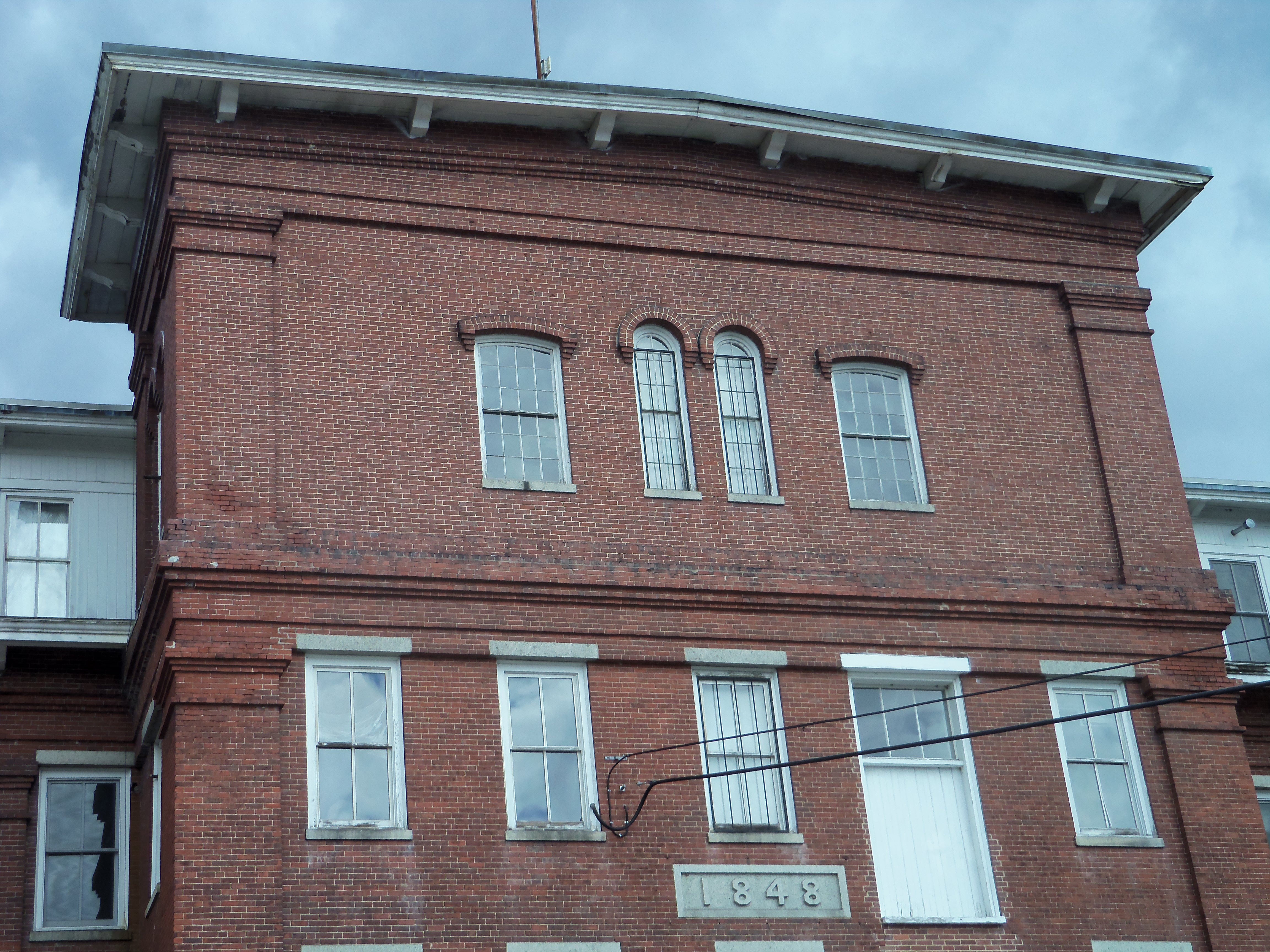
Selecting the examples of historic architectural styles that are running in the Red Barn’s Strolling Dover series on Wednesdays, I have to admit one thing.
Often, more impressive houses can be found in some of the neighboring cities and towns, meaning those a bit closer to the ocean.
Unlike more prosperous settlements around nearby Atlantic harbors – Portsmouth, New Hampshire; York, Maine; and Newburyport, Massachusetts, all spring to mind – Dover was essentially a blue-collar mill town. Or, as the ditty went,
Portsmouth by the sea;
Dover, by the smell
referring to the tanneries needed to keep the mills supplied with leather belts that conveyed power from the falling water to the looms and related machinery above.
Rich merchants and sea captains didn’t retire here, and even though we were a seaport, we were a dozen or so miles from the open ocean downstream. As a result, our housing was more modest, less refined than some of the magnificent specimens found clustered overlooking the prime wharves and customs houses of our tonier neighbors.
That doesn’t take away from my pleasure of strolling through Dover or of sharing details observed along the way. Just want to put it all in perspective.
The Olympic Peninsula is an extraordinary extreme in continental United States. It juts out in the far upper left-hand corner, surrounded on three sides by ocean and inlets and featuring a jagged mountain range in its center. Much of it is lush and tangled, and there is relatively little human habitation.
It could be a land of the gods, as its very name suggests. Or as the Native Americans, with their stories still intact, will relate. Forget Zeus and Hera, then – this is a panoply arising from American roots and its westward focus.
Come along into the rainforest and then camp just in from the beach. As I did, collecting these poems.
 ~*~
For your own copy, click here.
When I see this …
… I think of this.
For the free ebook novel and more, click here.
When I see this …

… I think of this.
For the free ebook novel and more, click here.
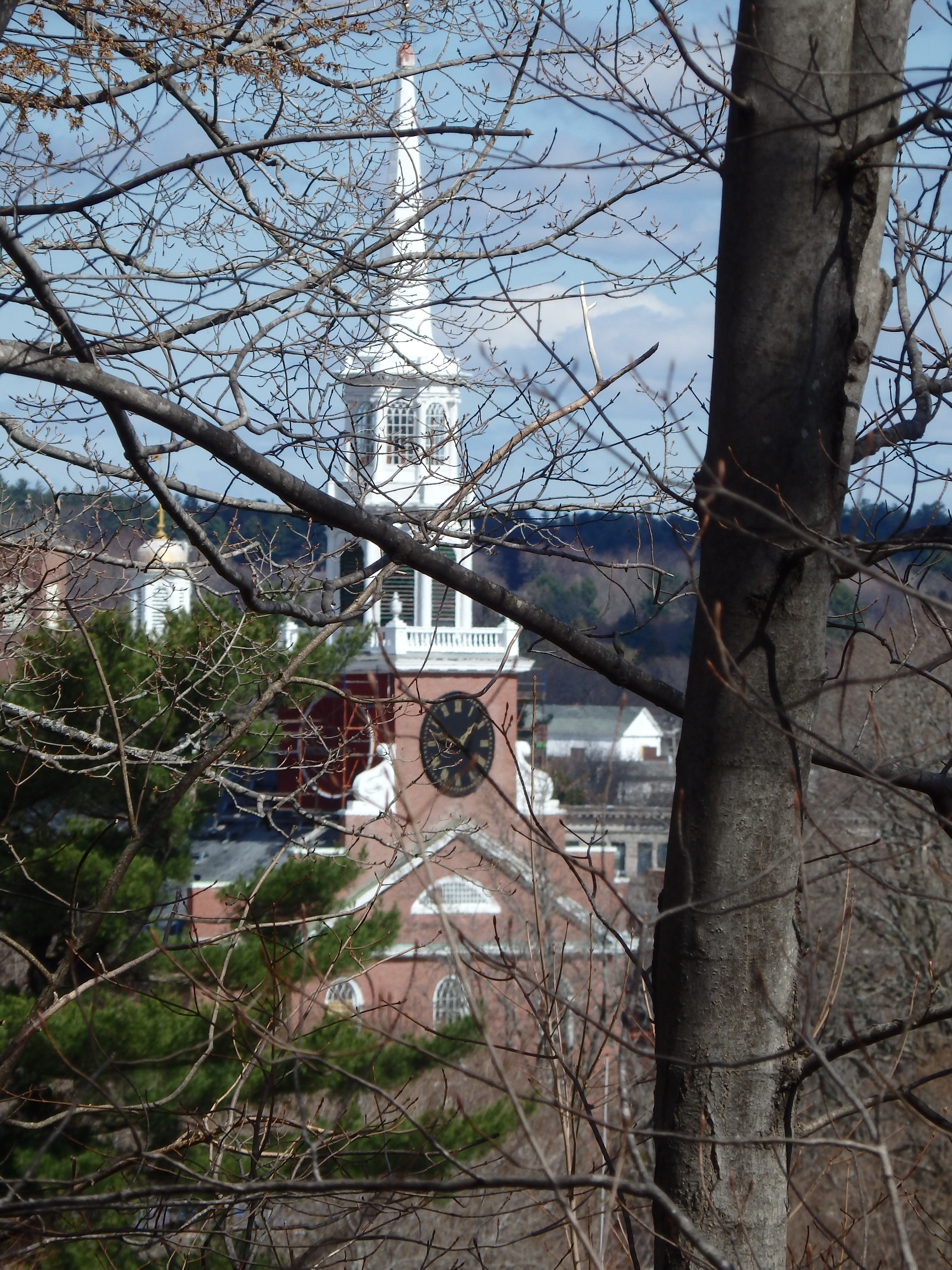
Here’s an example from Amherst, Massachusetts, of the Georgian style, which flourished 1750s-1820s.
 For more, click here.
When I see this …
… I think of this.
For the free ebook novel and more, click here.
While flipping through the Burpee seed catalogue, my wife came across the chart of frost-free dates.
She realized that the longstanding cutoff in autumn has shifted from September 15, where it was when we moved into the house and no doubt forever before that, to October 15 now. We’ve picked up an additional month of garden harvest that way.
But that’s not all.
The spring date has shifted from May 15 to April 15, meaning we can plant everything a month earlier.
Think of it – our growing season is now two months longer, allowing us to consider a much wider variety of varieties to choose among.
It’s one more piece of evidence for those who have scoffed at the scientific predictions from the mid-’60s on. And, in the bigger picture, it’s scary.

