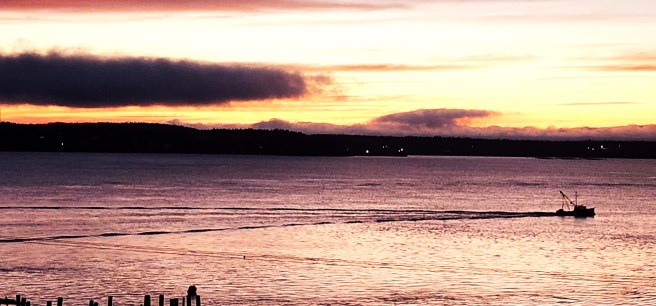
Serving fresh scallops quickly became a Christmas Day tradition in our household once we moved to Eastport. The fishermen set forth before sunrise on each of their preciously allocated days, and only the worst weather can convince them otherwise.
You never know what we'll churn up in cleaning a stall
Serving fresh scallops quickly became a Christmas Day tradition in our household once we moved to Eastport. The fishermen set forth before sunrise on each of their preciously allocated days, and only the worst weather can convince them otherwise.
Under other conditions, this is where we would have started our renovations.
The kitchen, in our firmament, is the heart of a home. The one in our historic house needed some serious attention. Let me amend that, needs extensive remodeling.
The electric Montgomery Ward stovetop we inherited has a dead burner. If you’re too young to know about Monkey Wards, it was a major Chicago-based retail chain and mail-order empire that went bankrupt and out of business before Sears Roebuck. If I need to explain Sears and its Kenmore brand appliances, you really do need a history lesson. I’ll let you give me one in current pop culture in exchange. Back to the kitchen, for now. There’s no oven, other than the small tabletop convection unit we brought up with us. It’s definitely not big enough for a Thanksgiving turkey or a boneless beef prime rib, as was my birthday tradition in Dover, or even full trays of cookies for Christmas. A dishwasher is a necessity in today’s ideal world, especially when you consider my dishwashing skills, frankly, as falling short. The lack of decent electrical lighting over the sink doesn’t help. As for that lighting or additional electrical outlets? The list quickly grows. We weren’t expecting our redo to be as extensive as the one we undertook in Dover; do note, we also gleaned valuable insights from that. Or at least one of us had, the one whose opinion counts most.
Next to the kitchen was the mudroom, uninsulated and without electricity. We needed someplace to put a big freezer to augment the kitchen, garden, and marked-down grocery jackpots. The existing roof there was funky at best and leaking, along with exterior rot. New windows could point to space for new shelving, too. OK, we’ve addressed half of the mudroom checklist, for now.
The front door of the house, as previously noted, needs replacing, along with the downstairs windows and most of their sills. Anything to cut the heating bill, right?
At this point, we’ve decided to defer work on the downstairs bathroom aka the water closet.
Ditto for the emerging dining room slash crafts room with a butler’s pantry. The room which was my headquarters in the universe for five years.
And then, as for gutters? Or window dressings? Or new furnishings?
The bottom line in all of this has shifted but remains exciting, all the same.
Yet, when you’re married to one of the world’s great cooks, the state of the kitchen is a major consideration.
She and her elder daughter have some great ideas and dreams.
I, in turn, reap the benefits as these happen.
Last year I presented a Double Tendrils about the popular and seemingly ubiquitous snack of popcorn. Quite simply, it’s not just for watching movies. And around this time of year, we start eating more. Not only that, but it turns out to be a uniquely American contribution to the world’s cuisine.
The topic simply overflowed so much that we didn’t have room for tidbits about its deep history.
So here goes with ten related factoids that pop up on that front.
It’s been a month of “last” tomato sandwiches, each day a surprise blessing.
There have even been at least two “final” rounds with a lawn mower, not that I’m complaining.
And now I’m out on the last cruise of the schooner season.
 A Penobscot Bay windjammer cruise typically includes a lobster bake, though technically the crustaceans are boiled or steamed with corn on the cob. The event takes place on any of a number of uninhabited islands along the way.
It does mean going ashore, of course.

For the record, last summer I ate 3½ lobsters – hey, they were small chix – but a shipmate managed 6½, just shy of the Louis R. French record of seven. Had she known, I would have cheered her on.
For those of a more squeamish nature, hot dogs and other hot goodies are offered, along with gooey s’mores, as long as the wood fire continues.
For more schooner sailing experiences, take a look at my Under Sail photo album at Thistle Finch editions.

Think of Maine and you’ll probably envision lobster fishing as part of the scene. This crowded pier is in Kittery at the westernmost stretch of the state’s long coastline.
Yes, I’ve long known the explicative, “Holy mackerel!” but have never gone beyond that until moving to Eastport, where it’s commonly fished from the Breakwater pier. Previous postings here at the Barn reflect that.
That said.
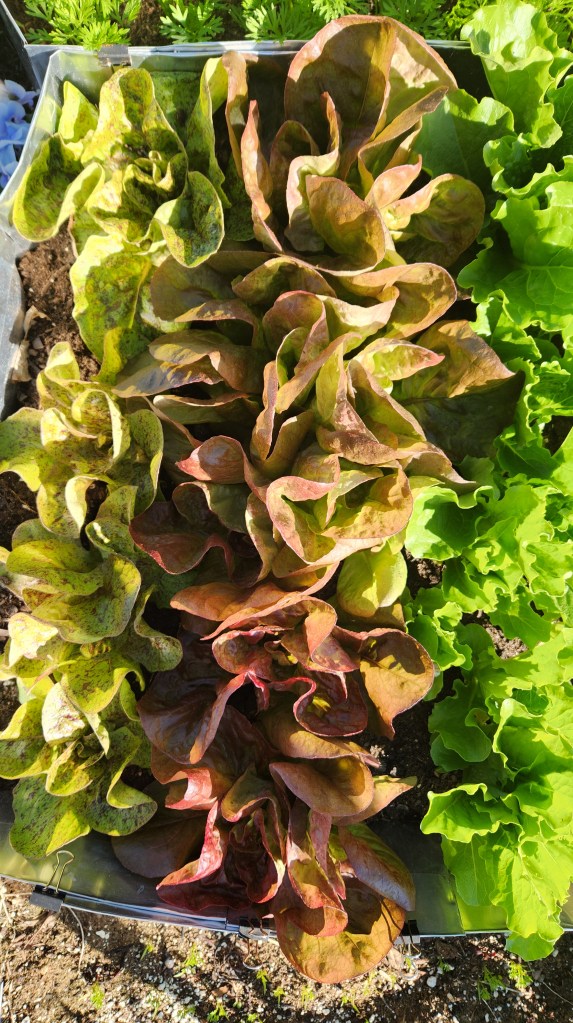
Sometimes our vegetable beds look nearly perfect.
rooots
caroots
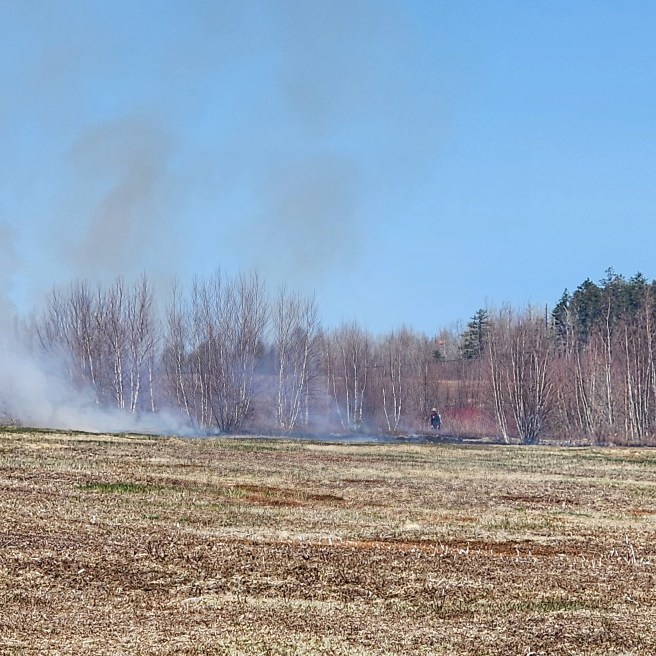
Lowbush blueberries are classified a wild crop, but the barrens where they grow do require tending. One practice involves burning the fields every few years to discourage weeds, shrubs, and trees from taking over.